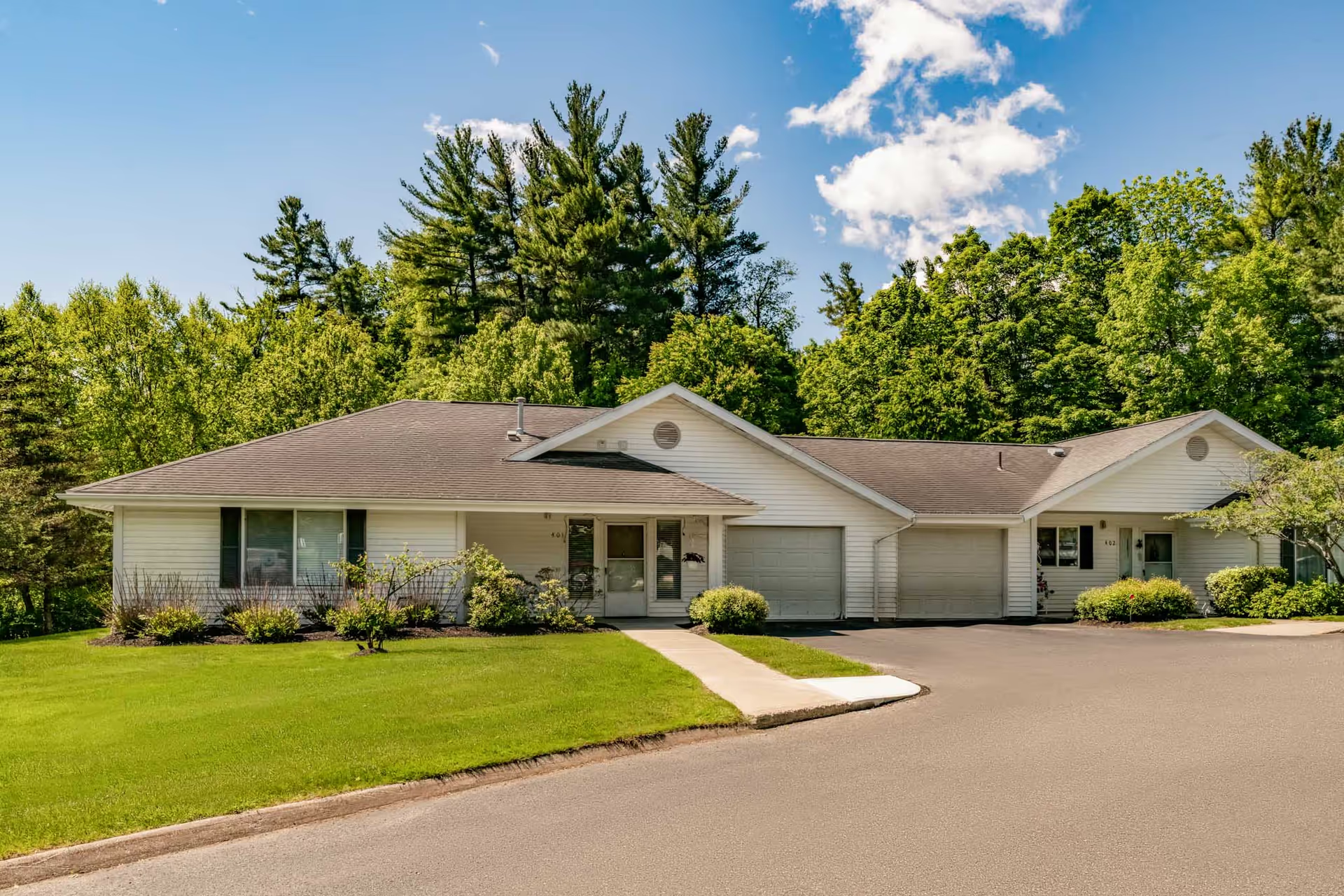
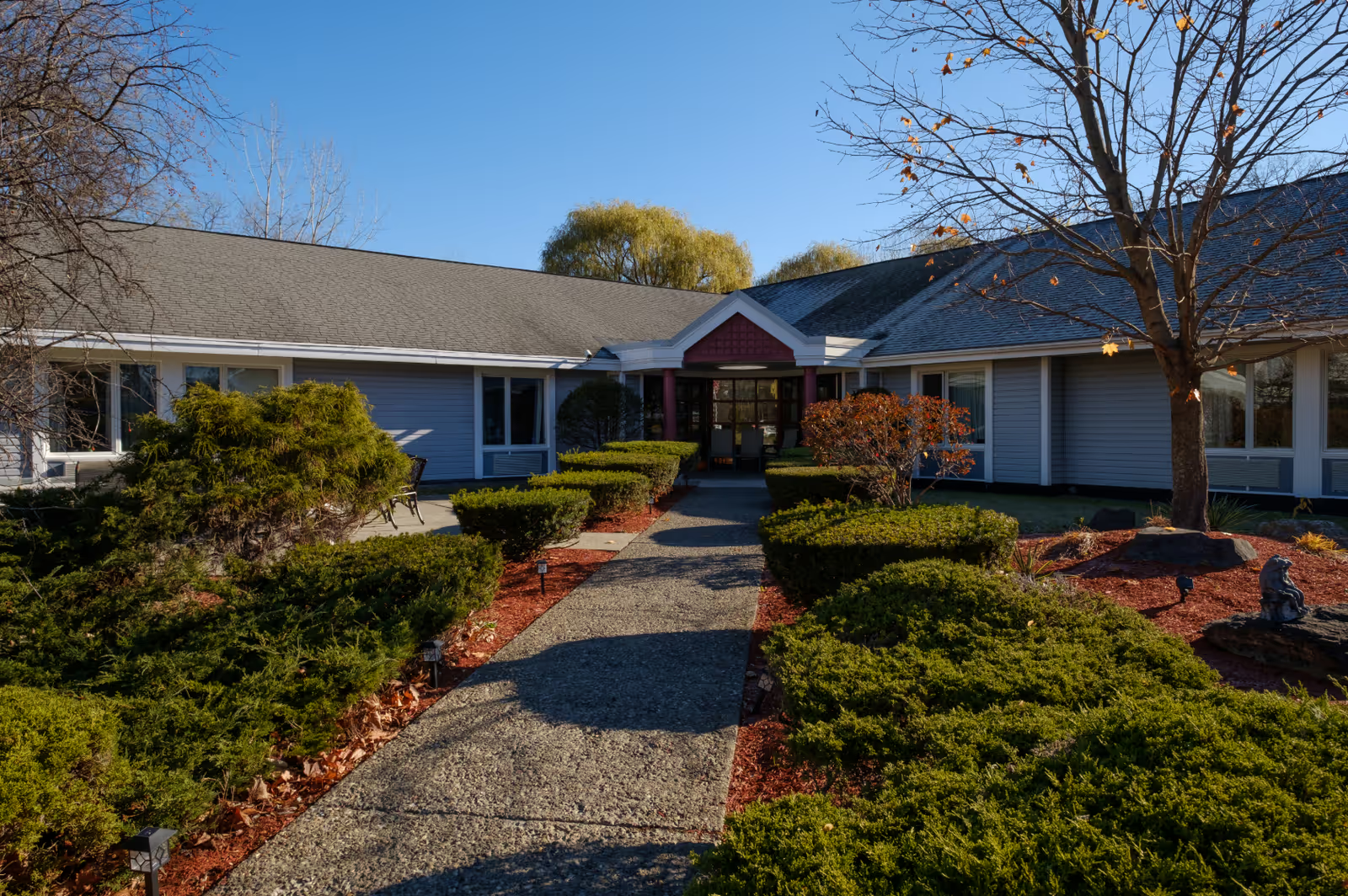
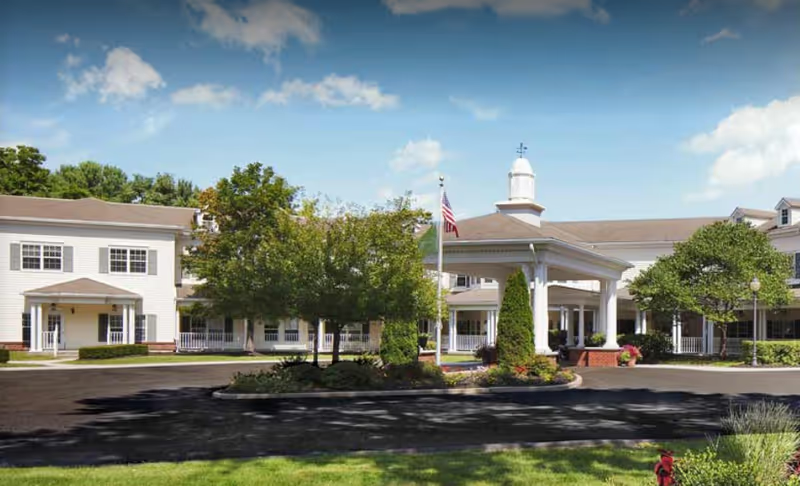
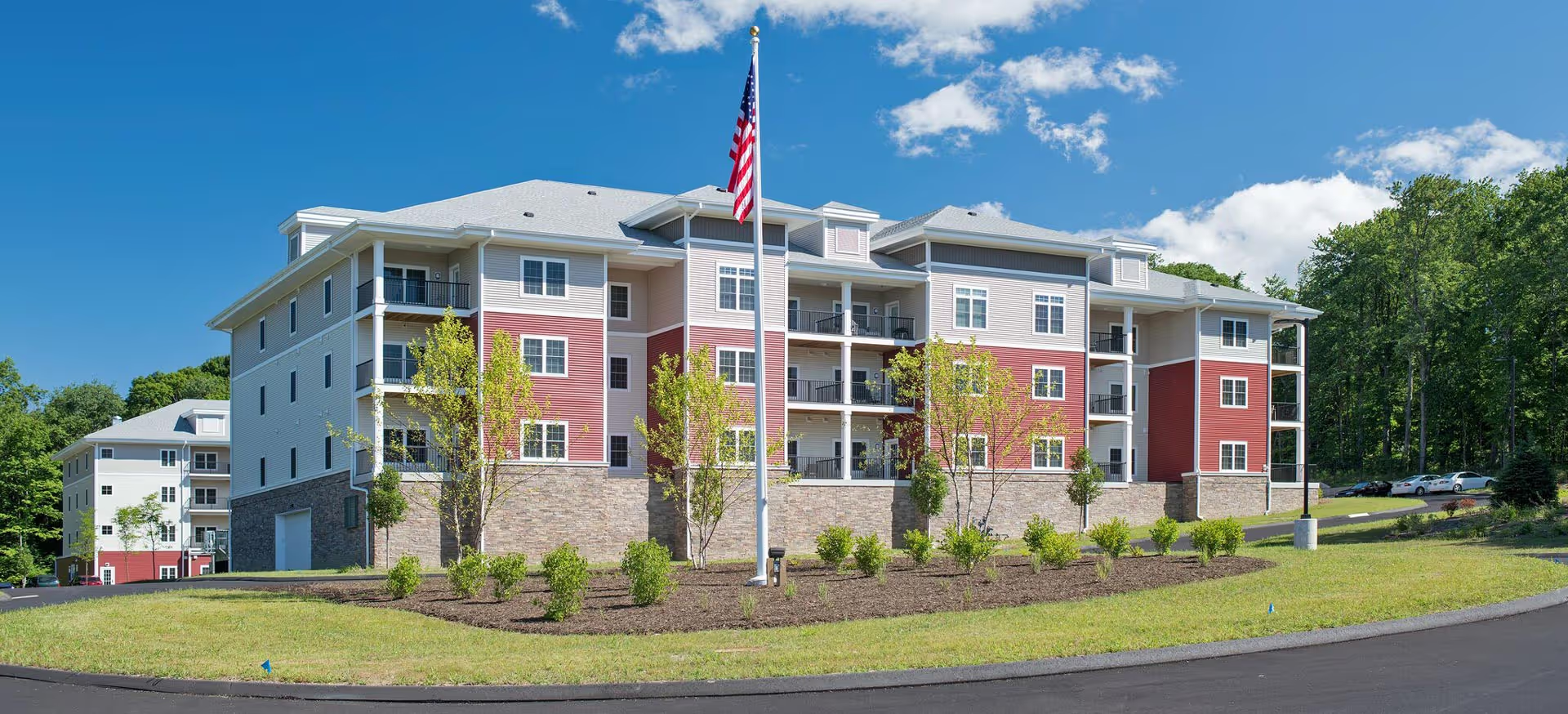
Fairview Commons Nursing and Rehabilitation Center elicits a mixed but distinctly patterned set of impressions. Positive feedback centers on clinical therapy and front-line caregiving: many families described effective physical therapy, attentive nursing and CNA care, and an overall safe, outcome-focused rehabilitation environment. Admissions and rehab intake were frequently characterized as efficient and professional, and several reviewers highlighted compassionate clinicians and a welcoming reception team. The facility’s environment is often described as clean and attractively decorated, with private rooms and comfortable visiting spaces; dining receives favorable comments for taste and nutritional support, including examples of weight gain. Additional strengths noted include active programming (in-person and virtual), permitted pet visits, and social-work staff who provide useful discharge coordination and advocacy for some residents.
Counterbalancing these positives are several operational and consistency concerns that recur across accounts. Staffing levels and variability between shifts appear to be a prominent issue, with reports of delays responding to requests, long waits for PRN medication or assistance, and differences in conduct and communication across staff and shifts. Reviewers described gaps in clinical assessment and timely escalation in isolated but consequential cases; these accounts point to a need for clearer clinical-monitoring protocols and family communication when conditions change. Rehabilitation delivery also appears uneven for some residents, with complaints about limited therapy sessions or insufficient follow-through relative to expectations.
Ancillary and administrative functions show recurring weaknesses. Laundry and communication systems (phones) were cited as unreliable at times, and meal-service/order continuity has been questioned following missed or delayed meals. Several families described frustrations with billing or refund resolution processes and perceived that financial considerations sometimes overshadowed timely problem resolution. Management and grievance-handling were also areas of concern for some—comments referenced a lack of transparency, unsatisfactory responses to complaints, and inconsistent tone from leadership. Visitation policies tightened for infection-control purposes were experienced as restrictive by some visitors, and a few reviewers noted odor concerns in particular resident rooms.
For prospective residents and families: the facility offers demonstrable strengths in rehabilitative therapy, a generally clean and comfortable environment, and staff who—when well staffed and supported—provide compassionate care. However, variability in staffing, responsiveness, ancillary services, and management communication suggests value in targeted conversations before placement. Recommended questions include current staffing ratios by shift, average therapy frequency and expected goals, protocols for clinical escalation and family notification, laundry and meal-service timelines, the facility’s grievance-resolution process, and current visitation guidelines. Visiting the unit at different times of day and speaking directly with the therapy team and social work staff can help clarify whether the facility’s operational consistency matches your expectations.