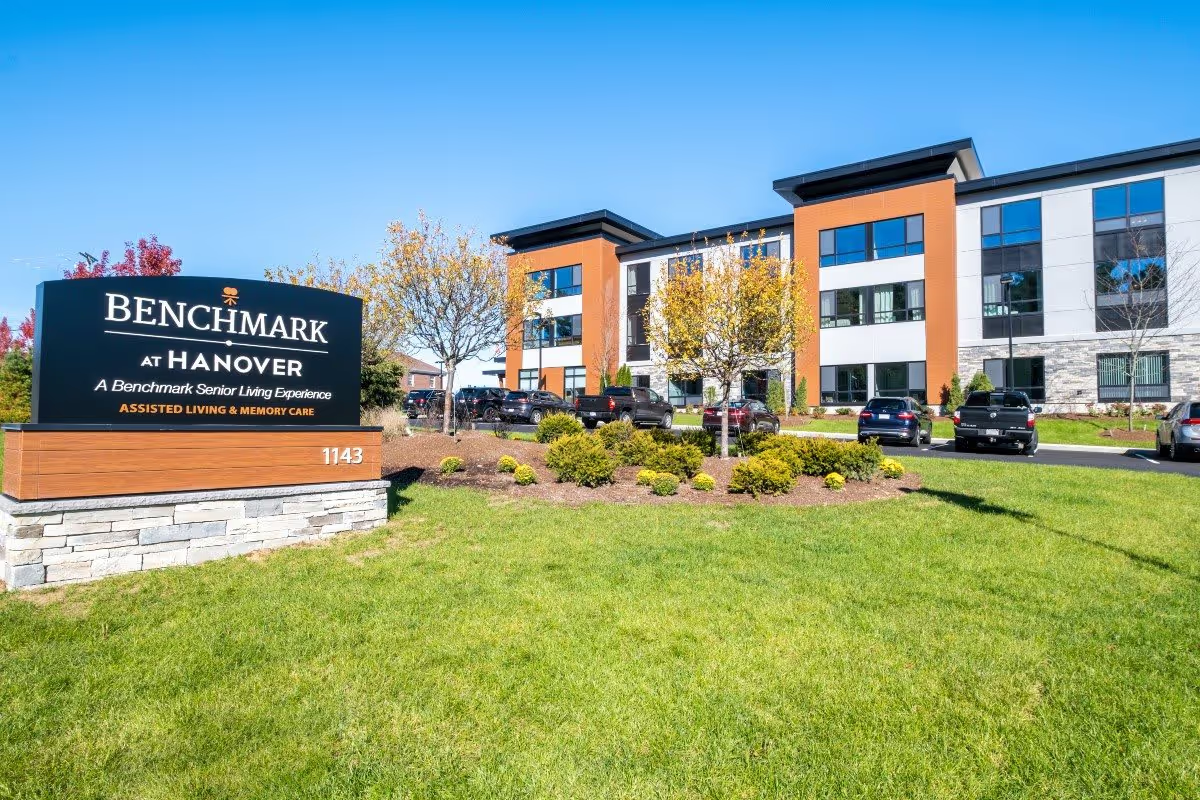
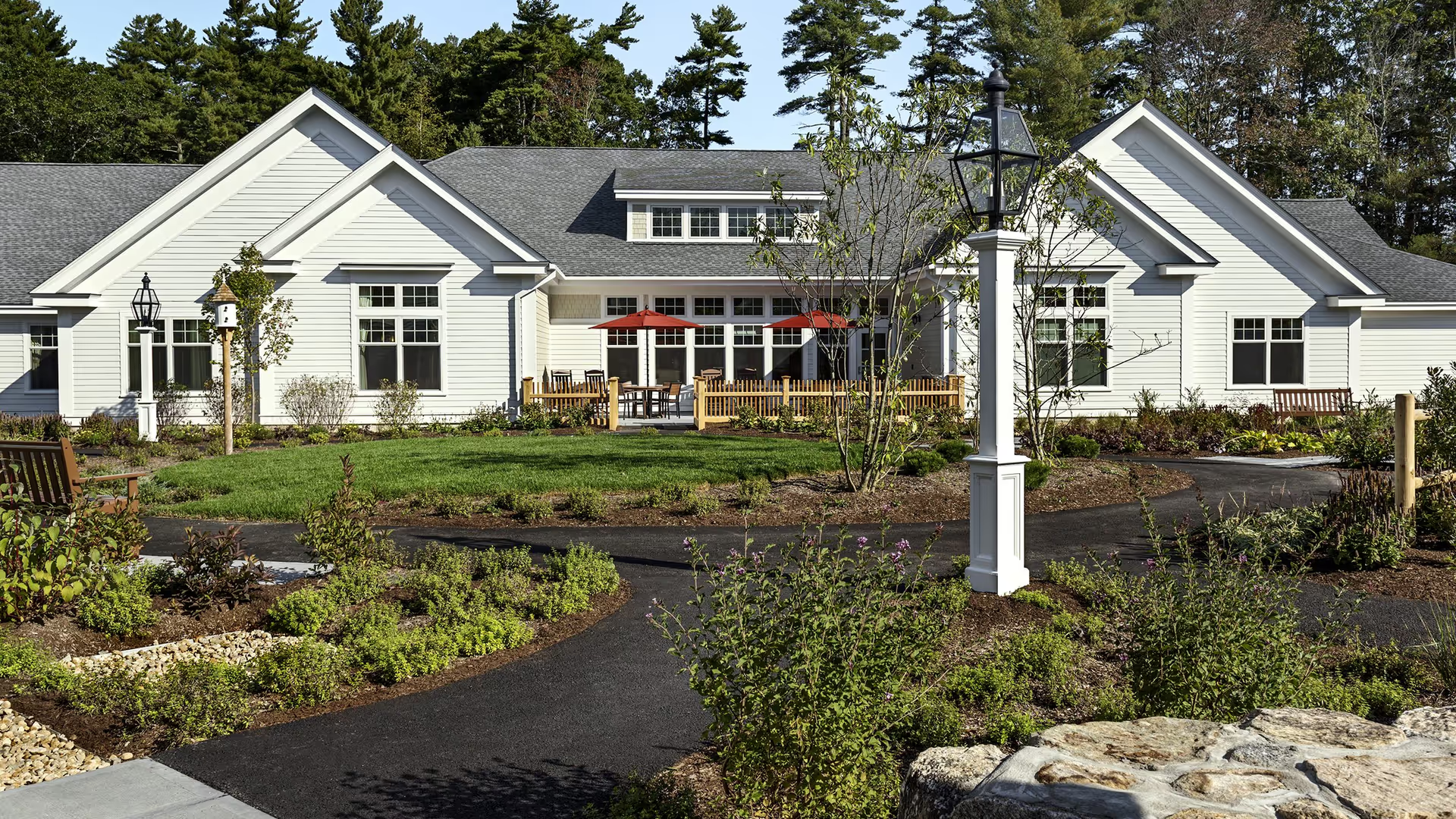
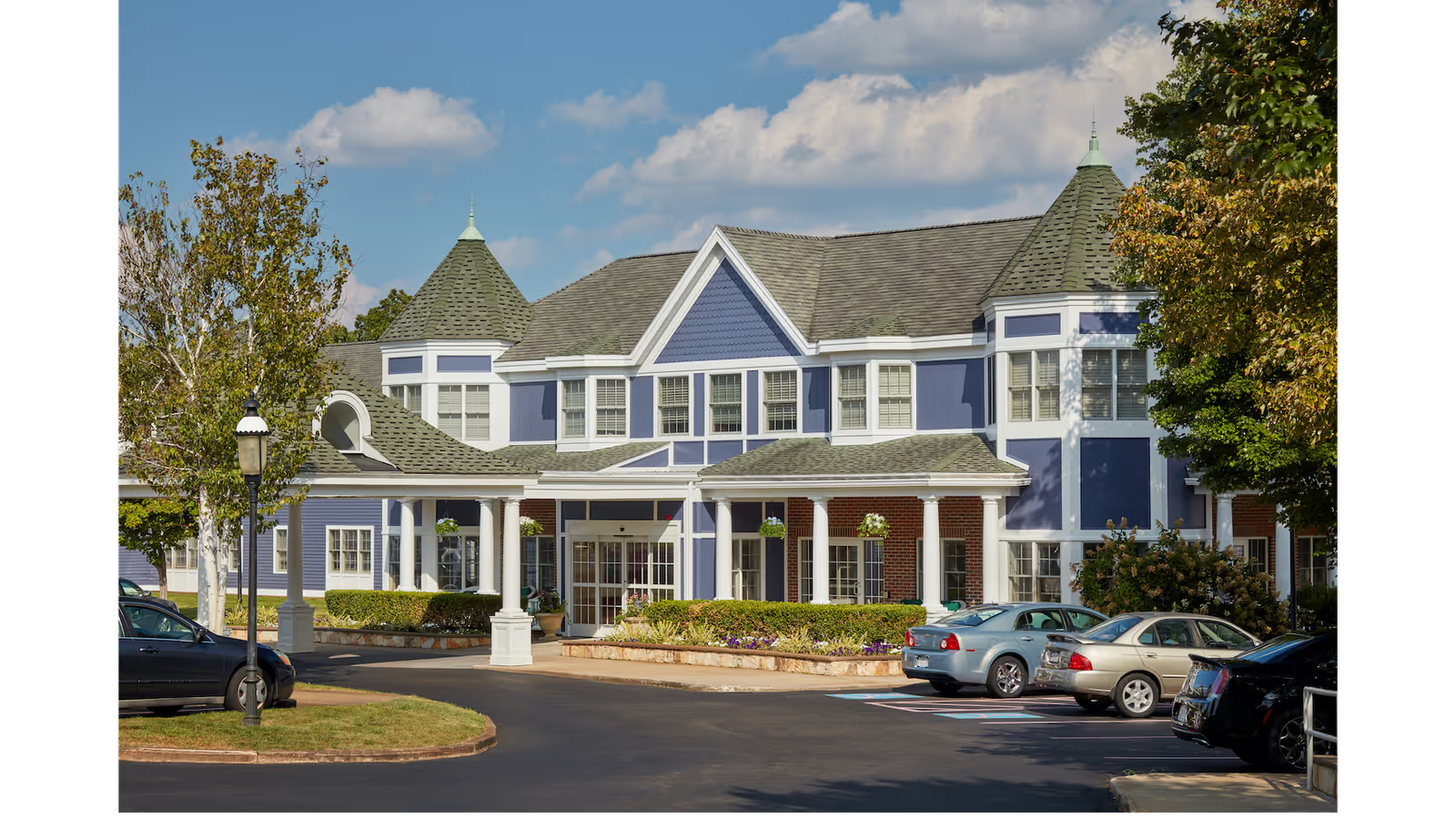
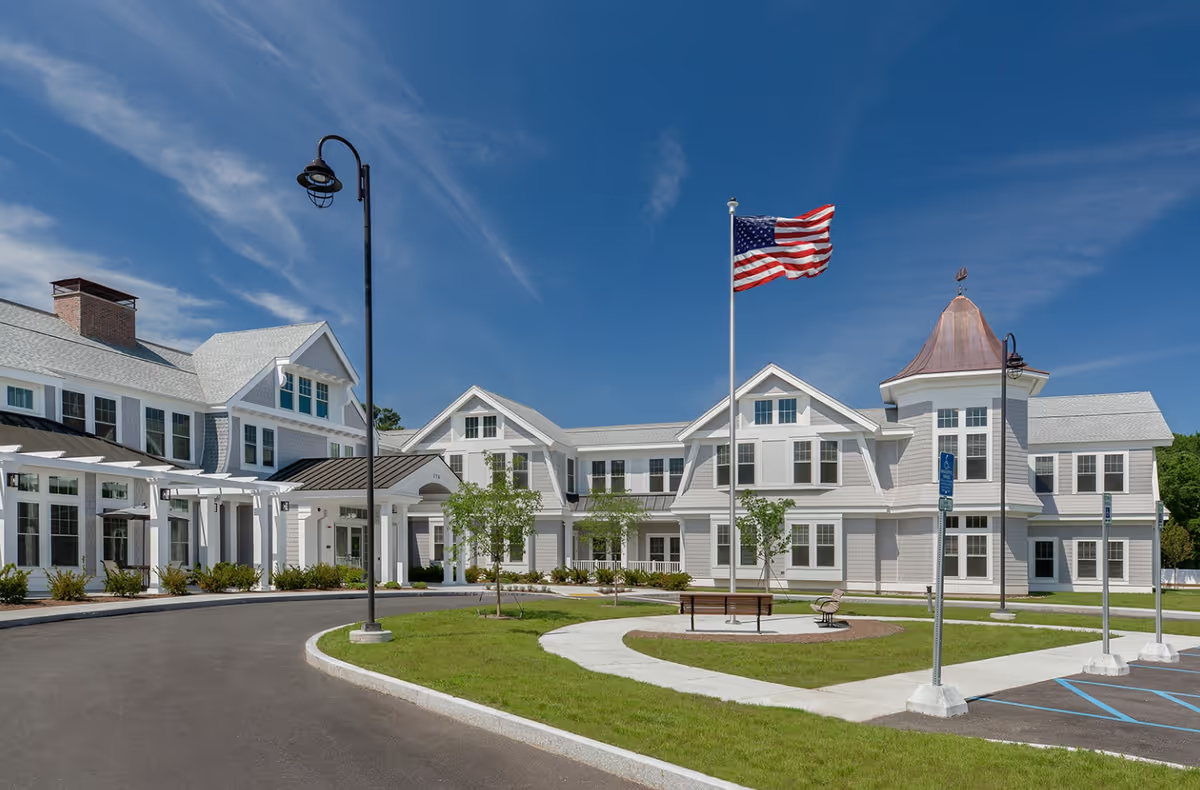
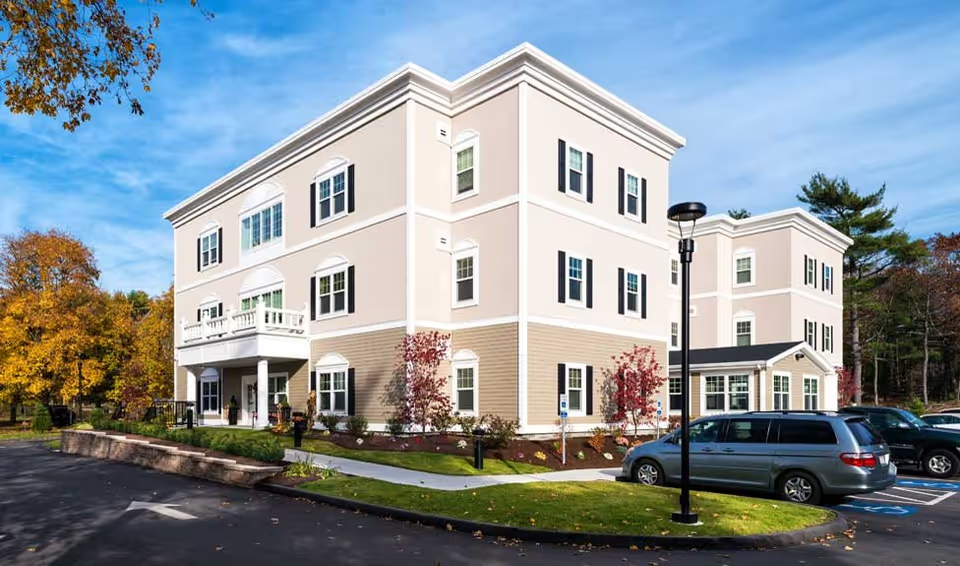
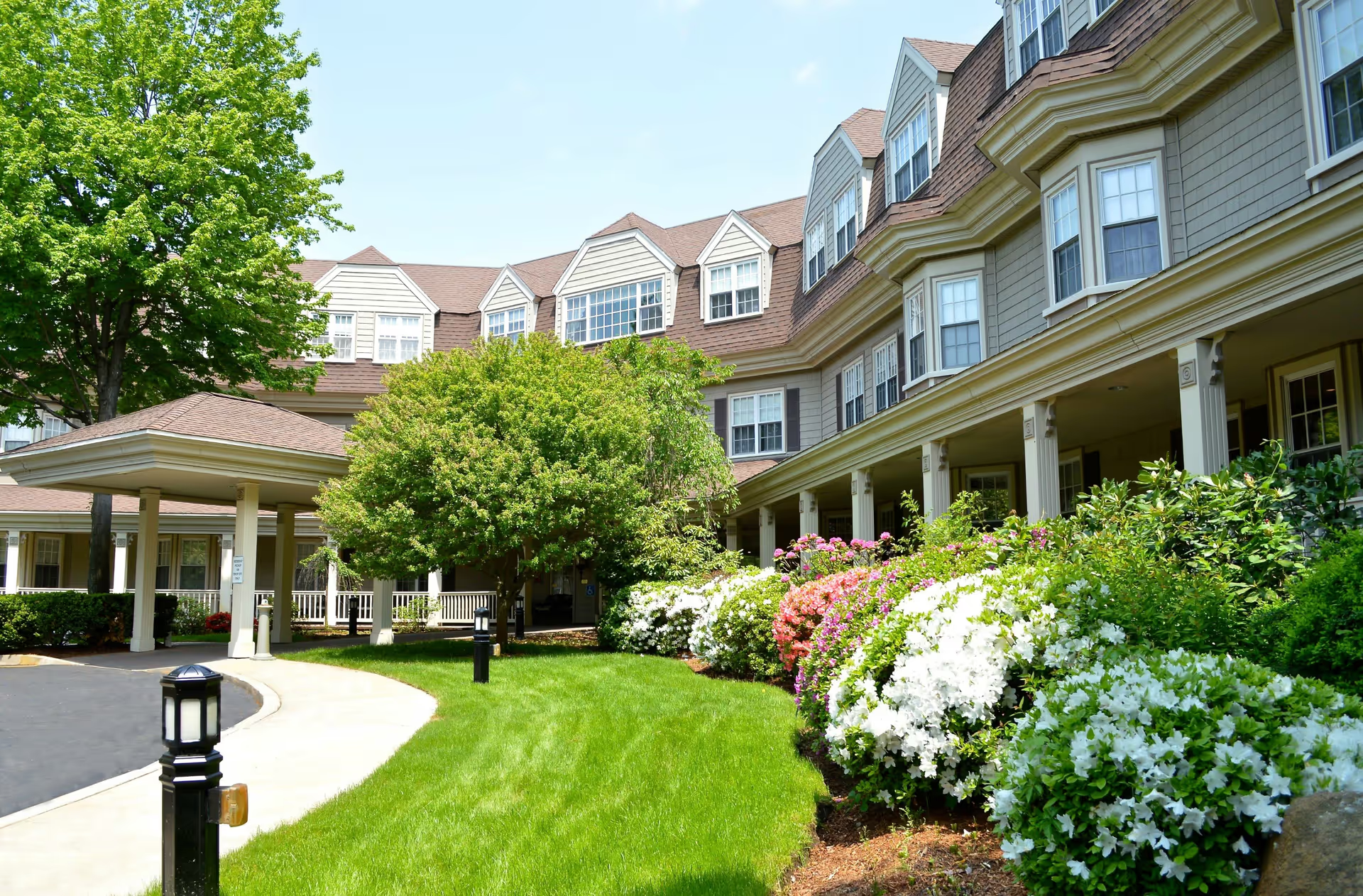
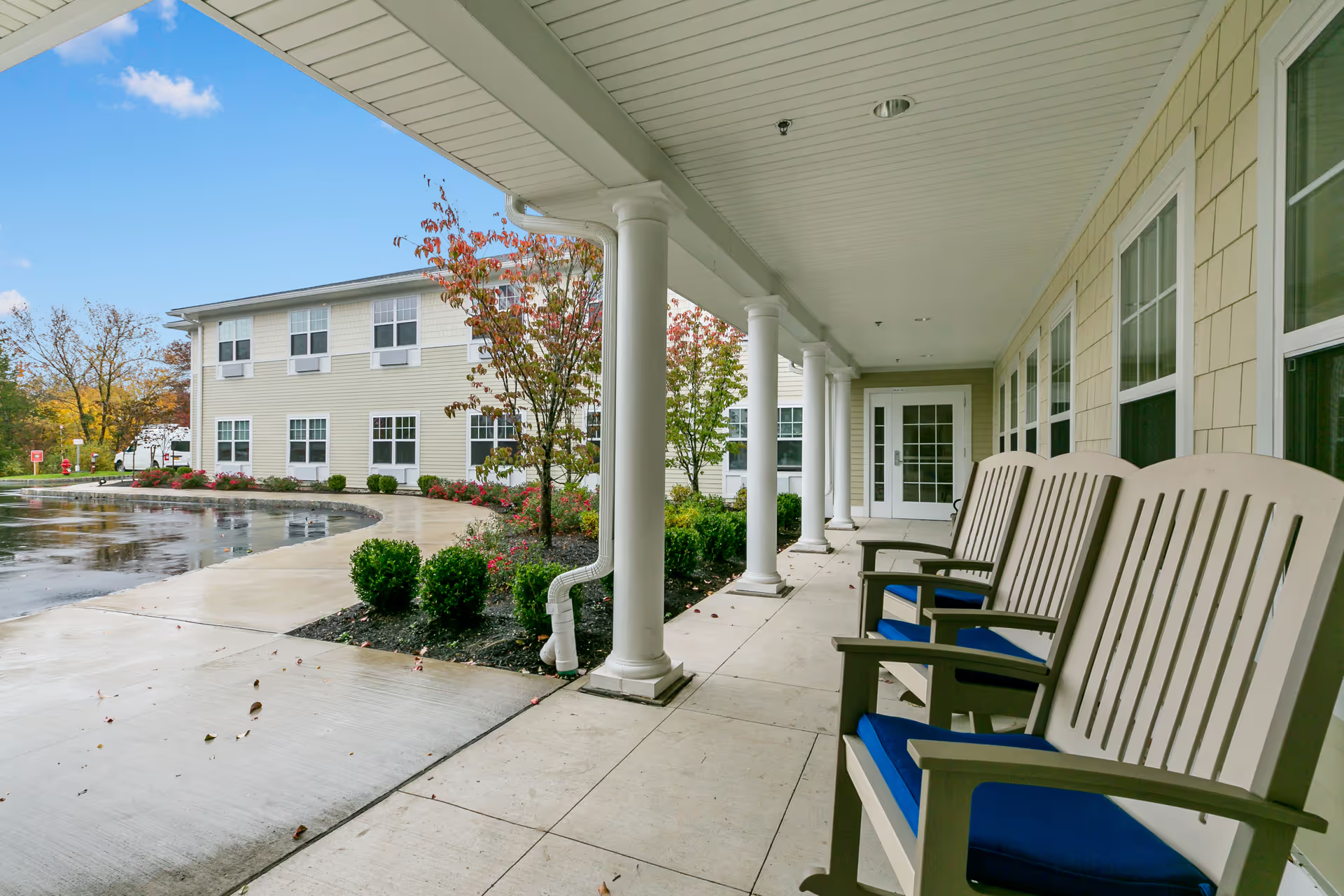
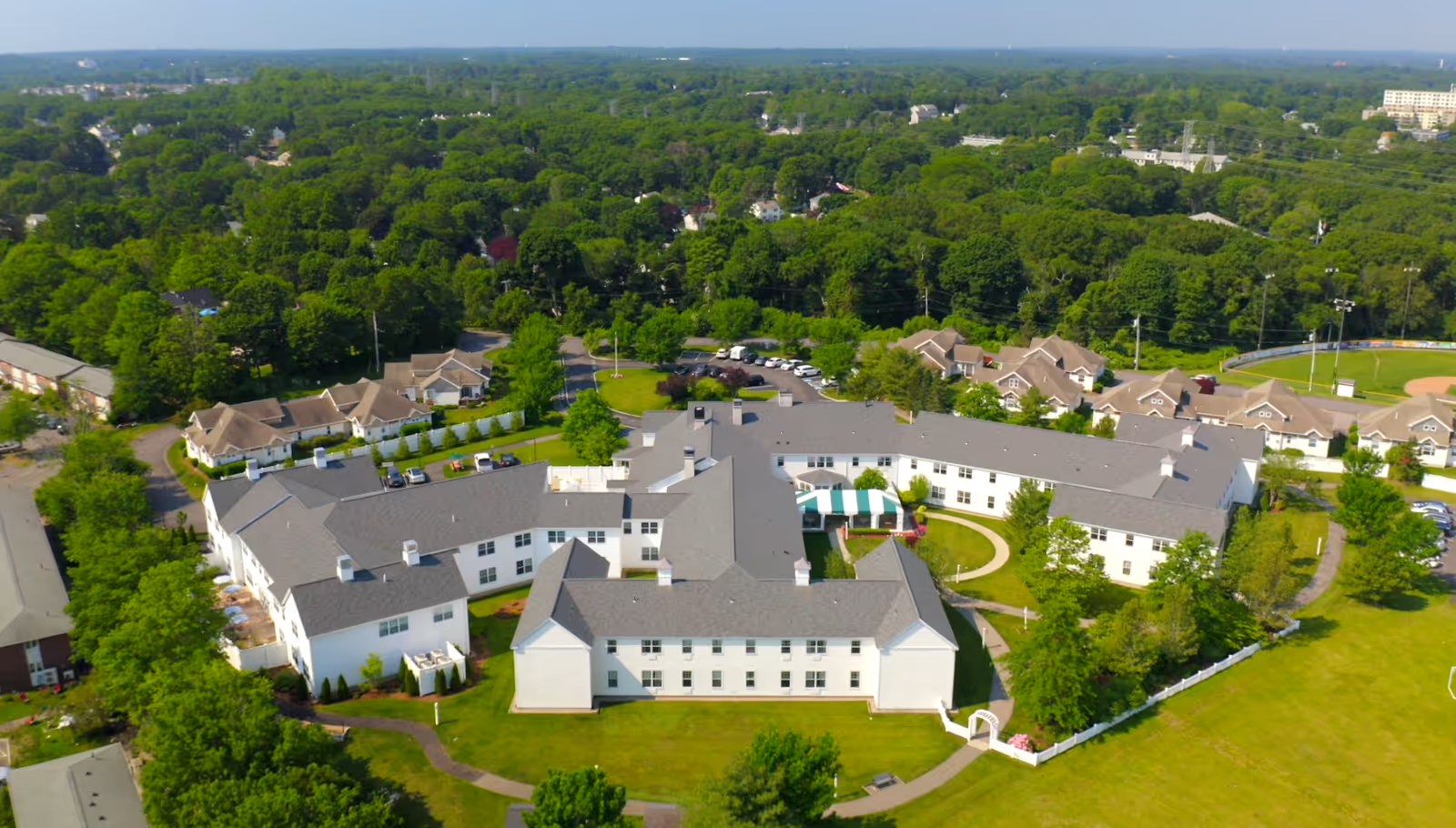
All American Assisted Living at Hanson is described by many families as a clean, new facility with a home‑like atmosphere and an active social culture. The facility’s physical plant, communal spaces, and companion‑suite design receive consistent praise; reviewers commonly note pleasant dining areas, accessible outdoor areas, on‑site salon and activity rooms, and an emphasis on social engagement that helps residents remain active and connected.
Staffing and direct care are central strengths in most accounts. Many families highlight compassionate, attentive caregivers who know residents by name, respond quickly to concerns, and create a warm, familial environment. Administration is frequently described as responsive and transparent about costs, with clear unit layouts and visible safety measures in the memory‑care unit. Medication handling and routine clinical tasks are noted as timely in numerous reports, and several reviewers say the program improved sleep patterns and general wellbeing.
However, reviewers also describe operational inconsistencies that prospective families should evaluate. Housekeeping and personal‑care routines appear uneven: there are specific concerns about missed linen changes, incomplete personal‑care checks, and sanitation‑related issues that suggest variability in daily care processes. Clinical oversight and nurse responsiveness are described as inconsistent in some cases; a few reviewers found that nursing staff required physician involvement for situations they felt should have been handled at the facility level. One reviewer’s concerns led to a formal complaint, which indicates the importance of verifying current corrective actions and oversight.
Staffing patterns present a mixed picture. While many reviews praise consistent, familiar staff and low turnover in some units, others note staffing shortages, new employees still learning routines, and occasional lapses in professionalism or communication. These staffing dynamics appear most pronounced during the facility’s startup and growth phases and can affect activity delivery, housekeeping consistency, and resident support during off‑peak hours.
Dining and activities are strong selling points for many residents: reviewers report varied meal choices, accommodating kitchen staff, frequent social events (bingo, movie nights, music, outings), and a generally engaging calendar. That said, there are repeated notes of variability in meal quality and that memory‑care activity programming can feel repetitive or less imaginative for some residents; individual tastes and cognitive needs influence satisfaction.
Management and business practices draw both positive and critical feedback. Transparent pricing and reportedly no hidden fees are appreciated, yet some families describe heavy‑handed sales interactions and price sensitivity for independent, healthy seniors who may not need all included services. Ongoing construction during early occupancy created transient noise and unfinished areas for some residents; prospective move‑ins should confirm project completion timelines.
In summary, the facility presents a strong community‑oriented model with many operational strengths—compassionate staff, robust activities, attractive facilities, and clear pricing. Important areas for due diligence include current housekeeping and personal‑care protocols, nursing coverage and clinical escalation policies, staffing stability, privacy implications of shared suites, and the depth of memory‑care programming. Visiting in person, reviewing staffing ratios and housekeeping schedules, and asking about recent corrective actions will help families weigh the generally positive community environment against the reported operational inconsistencies.