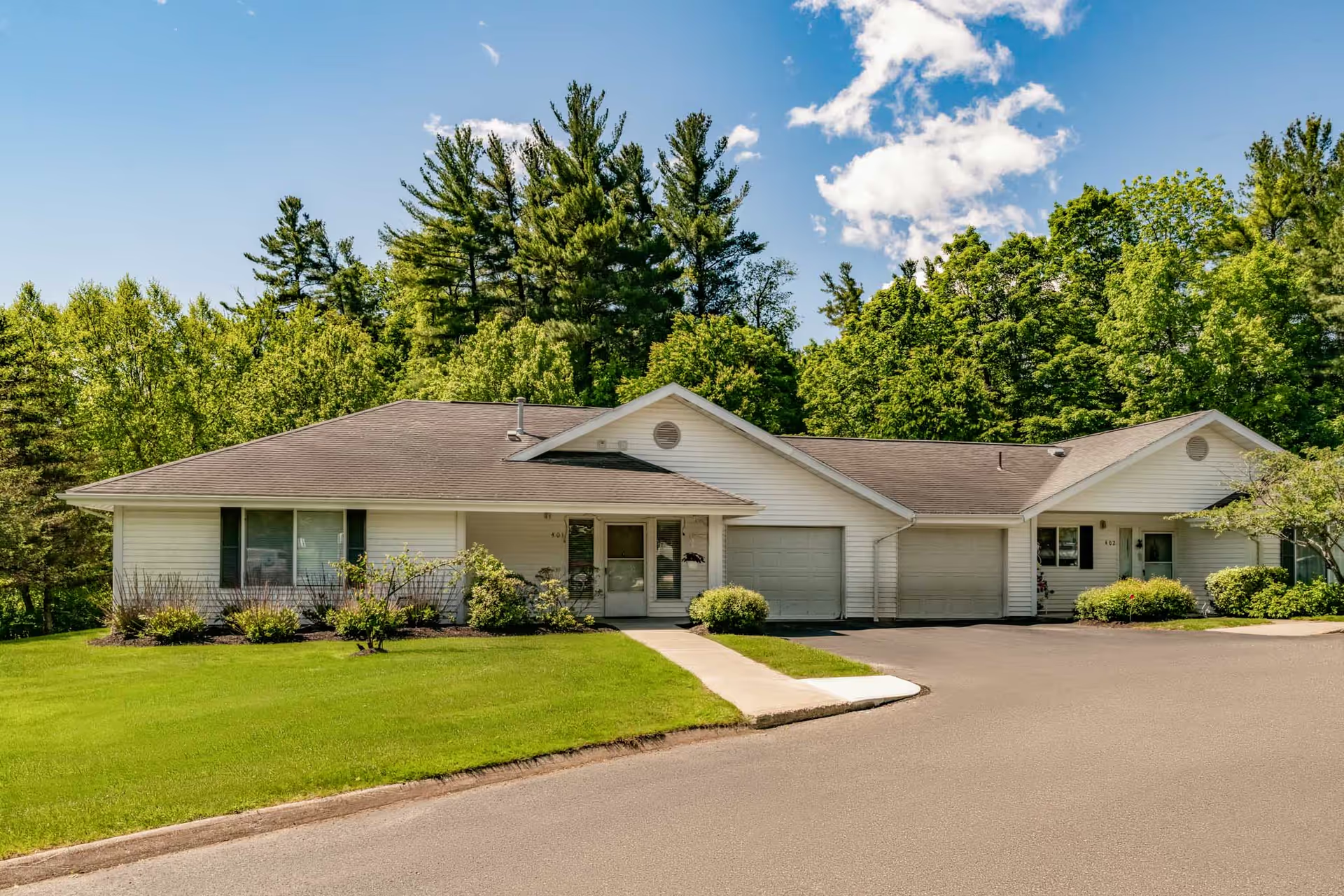
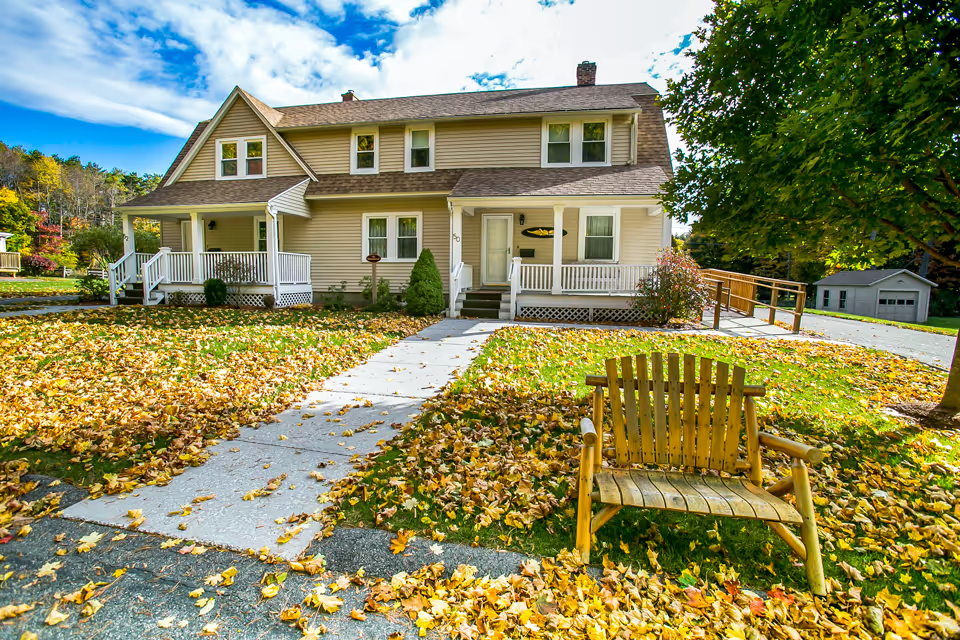
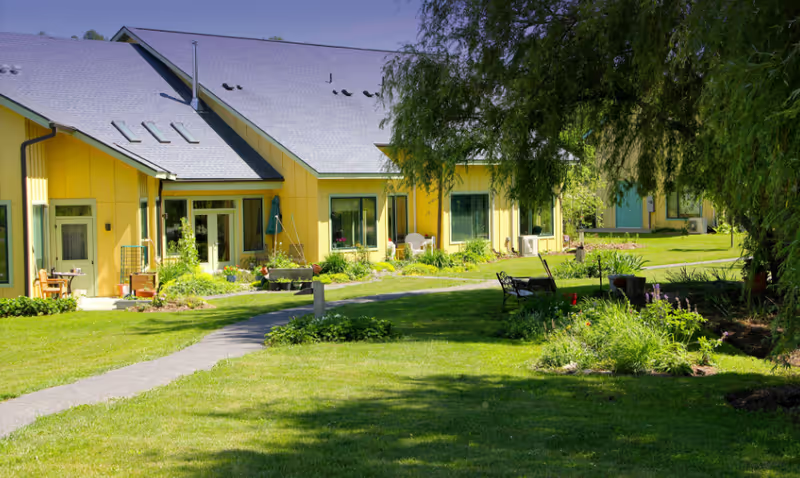
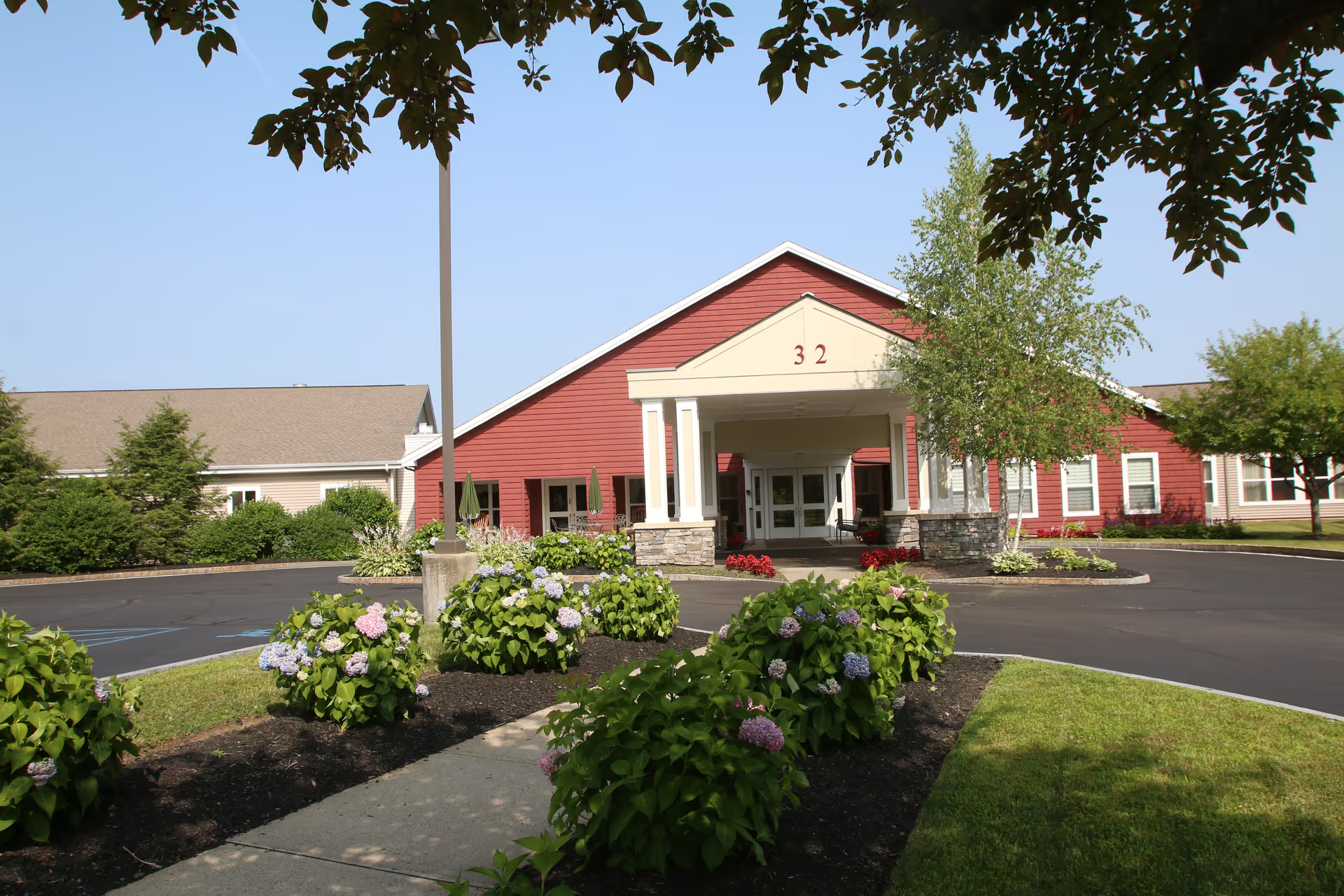
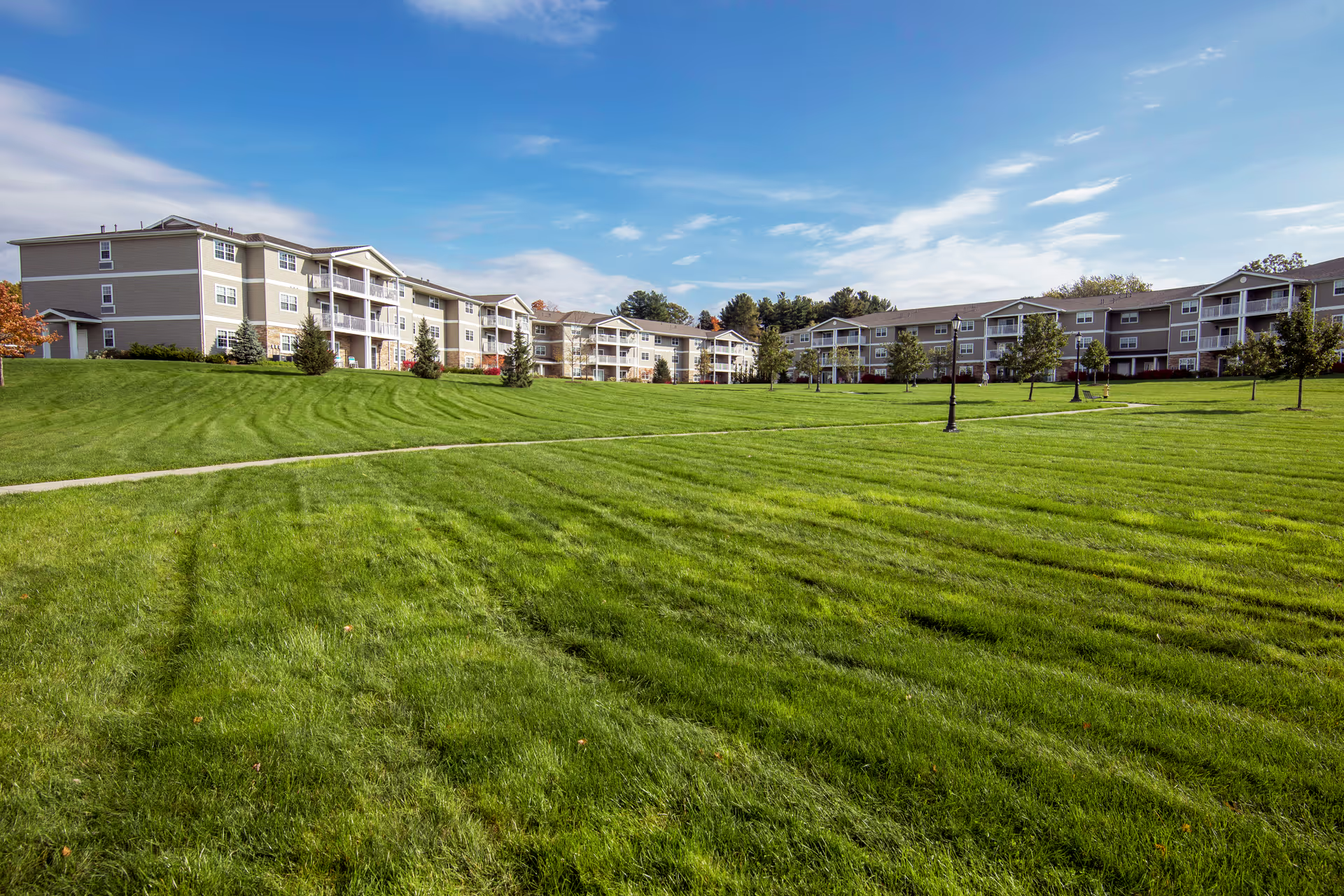
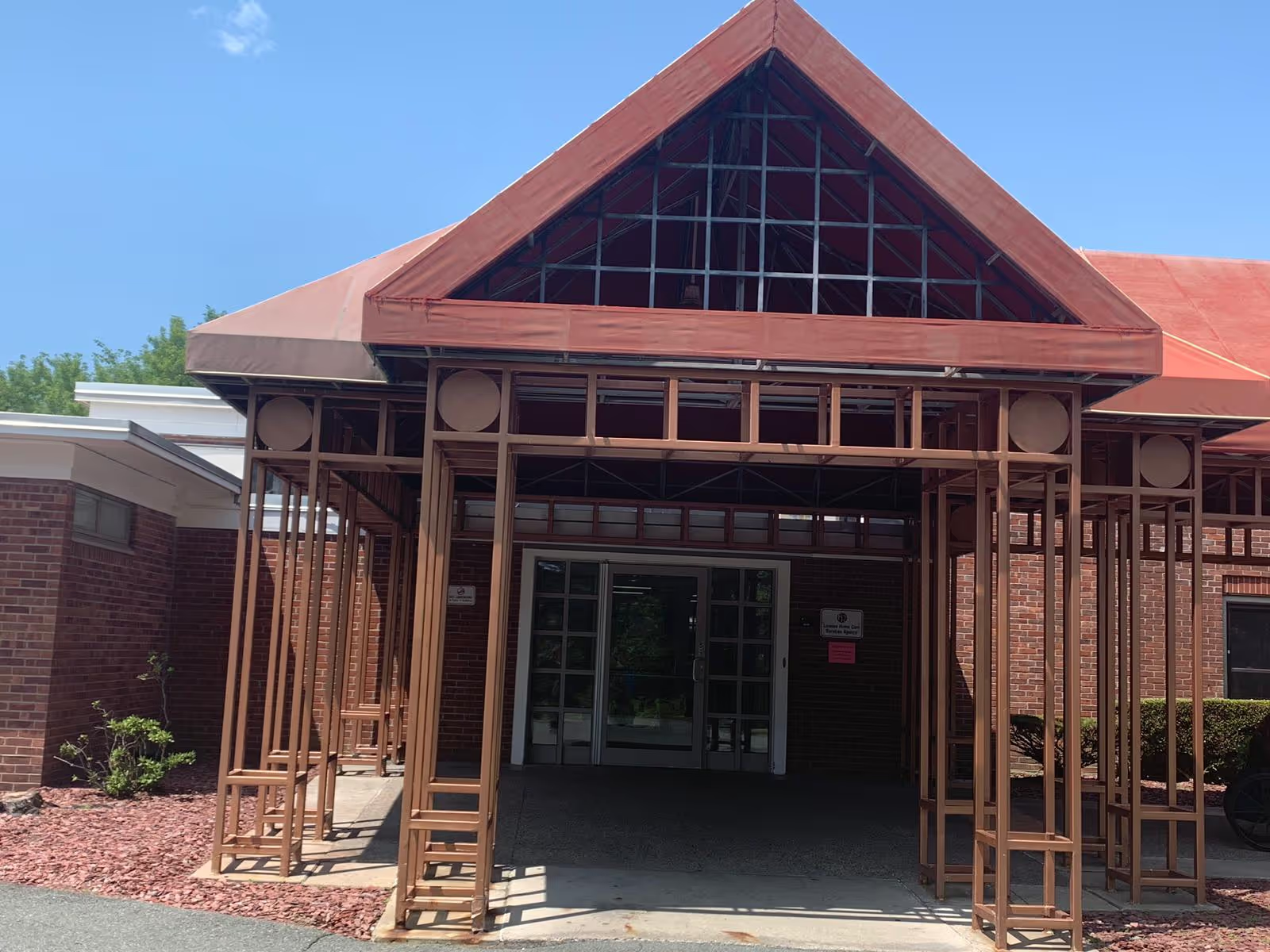
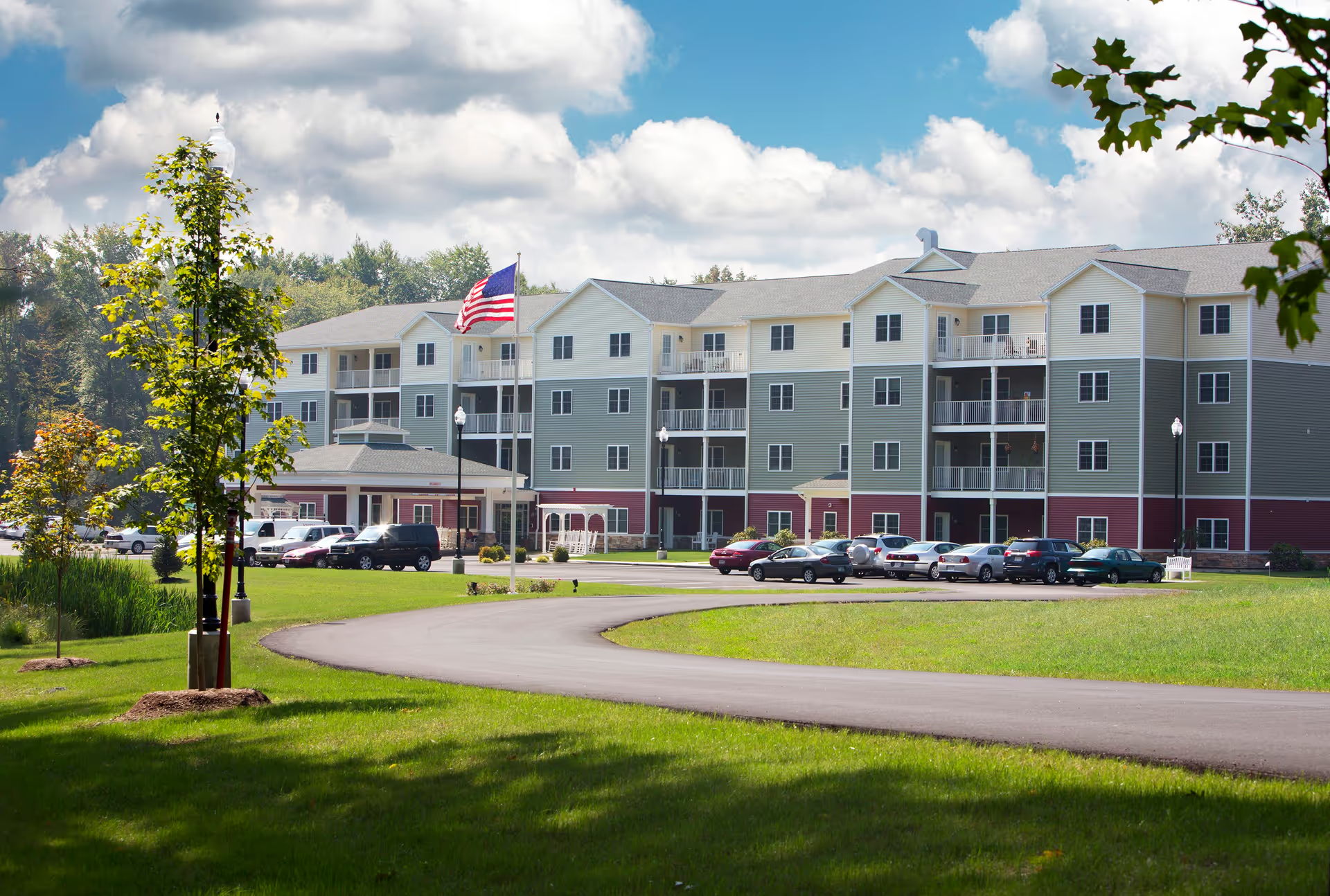
Overall impression: Mount Carmel Care Center is described by many families as a small, well-maintained, faith-based nursing and rehabilitation center with a strong emphasis on compassionate, personalized care. Numerous accounts highlight attentive nursing, engaged direct-care staff who create a family-like atmosphere, and visible leadership involvement. The facility is frequently characterized as clean, odor-free, and homelike, with outdoor spaces and areas for family gatherings that support a comfortable residential environment.
Care and staff: Reviewers commonly praise the nursing and rehabilitation teams for respectful, dignified treatment and active engagement with residents. The rehab program is frequently mentioned as a strength — including seven-day PT/OT coverage — and staff involvement in discharge planning helped some residents return home. Leadership presence and an informative director of nursing are noted as contributing to organized care and responsive case management. Spiritual support and regular prayer or clergy visits are also part of the center’s identity and are valued by families who prioritize faith-based services.
Clinical and operational concerns: While many reviews are strongly positive, there are also serious concerns that point to operational gaps. Several accounts describe delays in clinical assessment, diagnostic testing, and escalation that had significant consequences for individual residents; these descriptions suggest potential weaknesses in clinical response processes and timely medical evaluation. Relatedly, reviewers reference instances of inconsistent responsiveness and long wait times during periods of perceived staffing shortage, indicating variability in staffing levels and training. There are also isolated mentions of sanitation and pest-control concerns tied to wound-care and infection issues; these raise questions about infection-prevention and environmental control practices.
Facilities, dining, and activities: The facility’s physical environment and nonclinical programming are generally cited as strengths. Reviewers regularly describe clean rooms (single and double), pleasant dining, inclusive activities that integrate many residents, and a warm, homey atmosphere. Dog-friendly policies and spaces for family gatherings support community involvement. These attributes contribute to many families’ perception of Mount Carmel as a high-quality, resident-centered option in the region.
Management and patterns: Several families emphasize strong family communication practices such as weekly calls, quarterly treatment-plan reviews, and prompt notifications about issues; these processes appear well established at times. However, other accounts indicate variability in communication and responsiveness, especially under staffing pressure or during periods of ownership/management transition. The presence of both strongly positive and serious negative accounts suggests a polarized experience: consistent strengths in everyday, compassionate caregiving and rehabilitation coexist with occasional, but potentially consequential, lapses in clinical escalation, staffing consistency, and environmental controls.
What to watch for: Prospective residents and families should inspect current staffing levels and staff training protocols, ask about clinical escalation and diagnostic testing procedures, review infection-prevention and pest-control measures, and clarify how leadership manages transitions in ownership or staffing. Verifying the center’s rehab capacity, family-communication routines, and spiritual-care offerings can help align expectations with the many positive aspects noted by families.