Manor on the Hill elicits a strongly mixed set of impressions. Many families and residents praised the facility’s warm, family-like atmosphere, describing caregiving staff as compassionate, personable, and attentive. Reviewers frequently highlighted an active activities program (exercise classes, crafts, bingo, outings, gardening and specialty classes), appealing common areas that are bright and airy, and a range of on-site services such as a salon, barber, podiatry, and regular medical visits. The property’s memory-care unit and separate dining areas were noted as strengths by several families, and the kitchen was often described as accommodating to special diets and soft foods. Multiple accounts emphasized helpful social-work support and collaborative staff–family communication during care planning and transitions.
At the same time, a substantial subset of reviews raised operational concerns that prospective families should evaluate closely. Staffing was a recurring theme: reviewers described inconsistent staffing levels, frequent turnover, and variability in staff skill and training. These staffing patterns were connected in some accounts to delays in responsiveness and gaps in clinical oversight. There are also mentions of infection-related hospitalizations and other clinical incidents that reviewers attributed to lapses in care; collectively these point to the need to review onsite clinical coverage, nurse staffing patterns, and incident-response protocols.
Dining and programming show a dual picture. Numerous reviewers complimented the quality and variety of meals and the kitchen’s willingness to accommodate preferences; a number of reviewers called the chef and specific dishes excellent. Conversely, other reviews described declines or inconsistencies in meal quality or service continuity over time. Activity offerings are extensive and well-regarded in many parts of the community, but engagement appears uneven across units and shifts—some families observed lively programming while others saw little organized interaction in particular wings or at certain times.
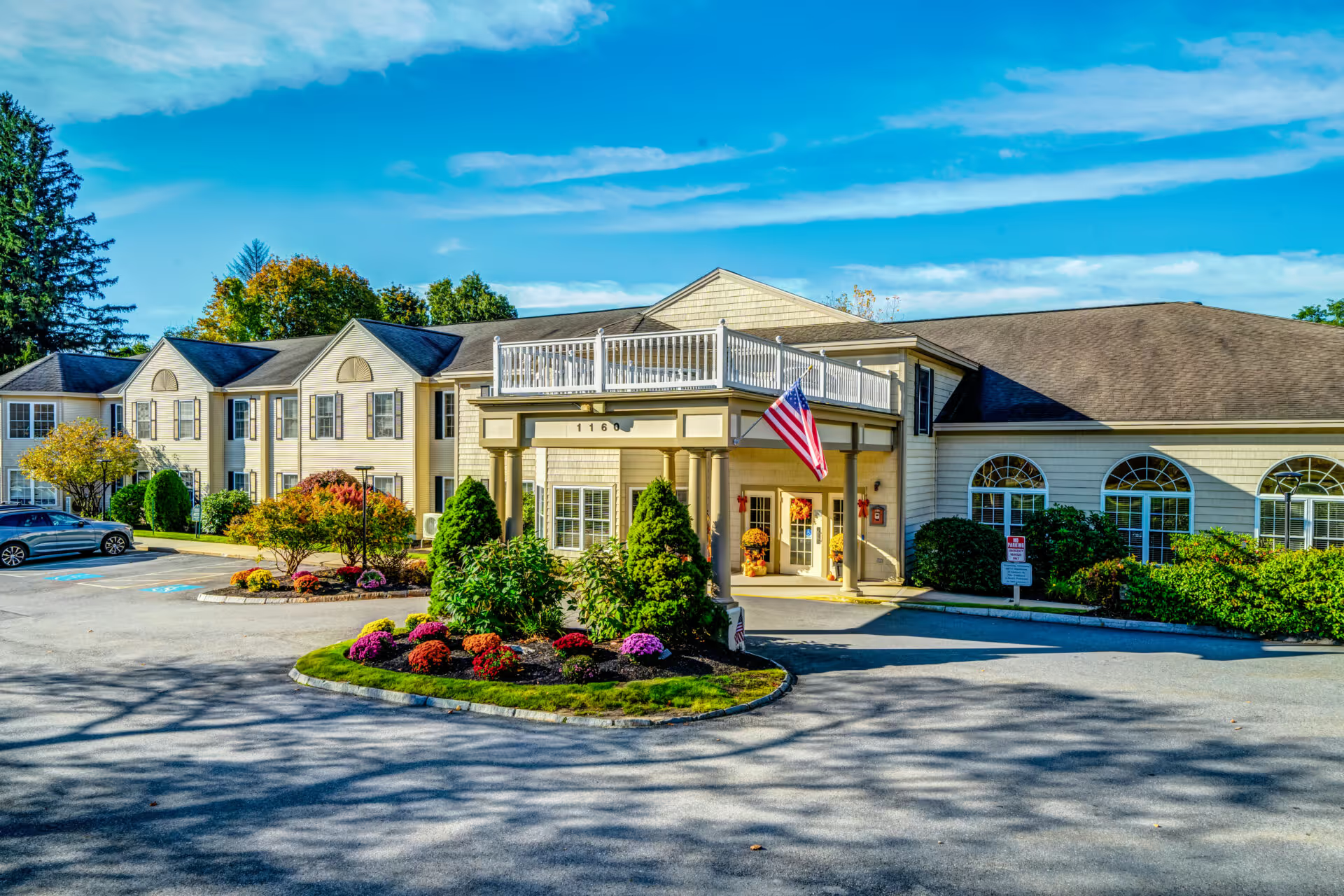
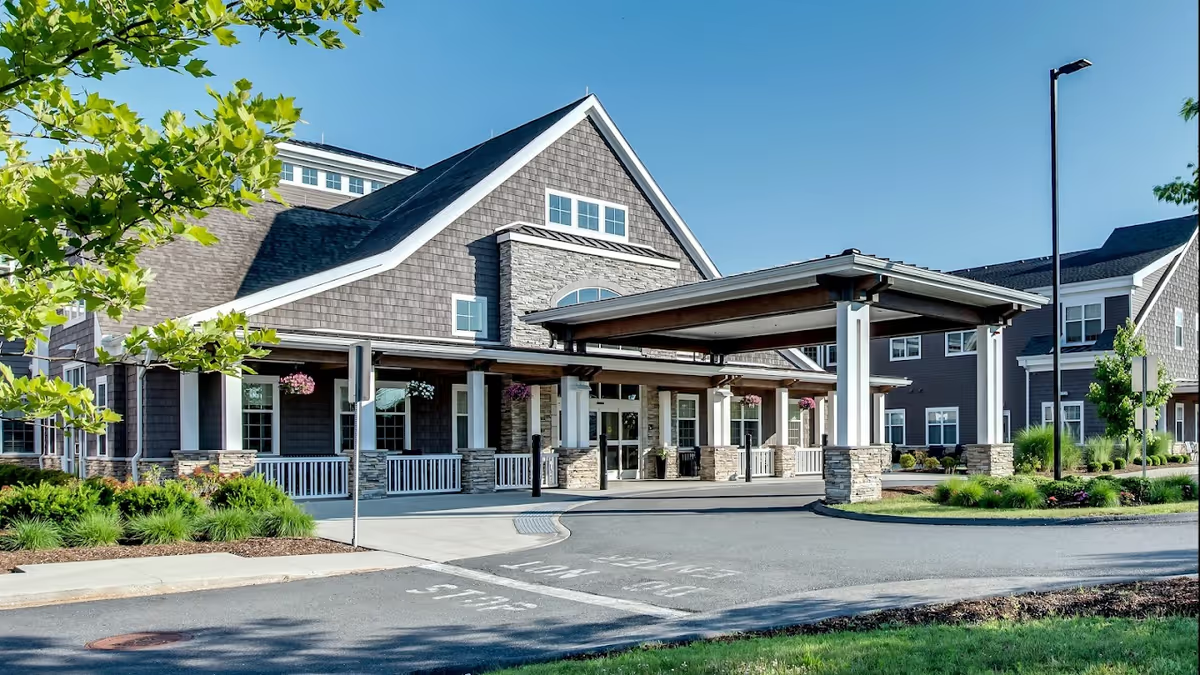
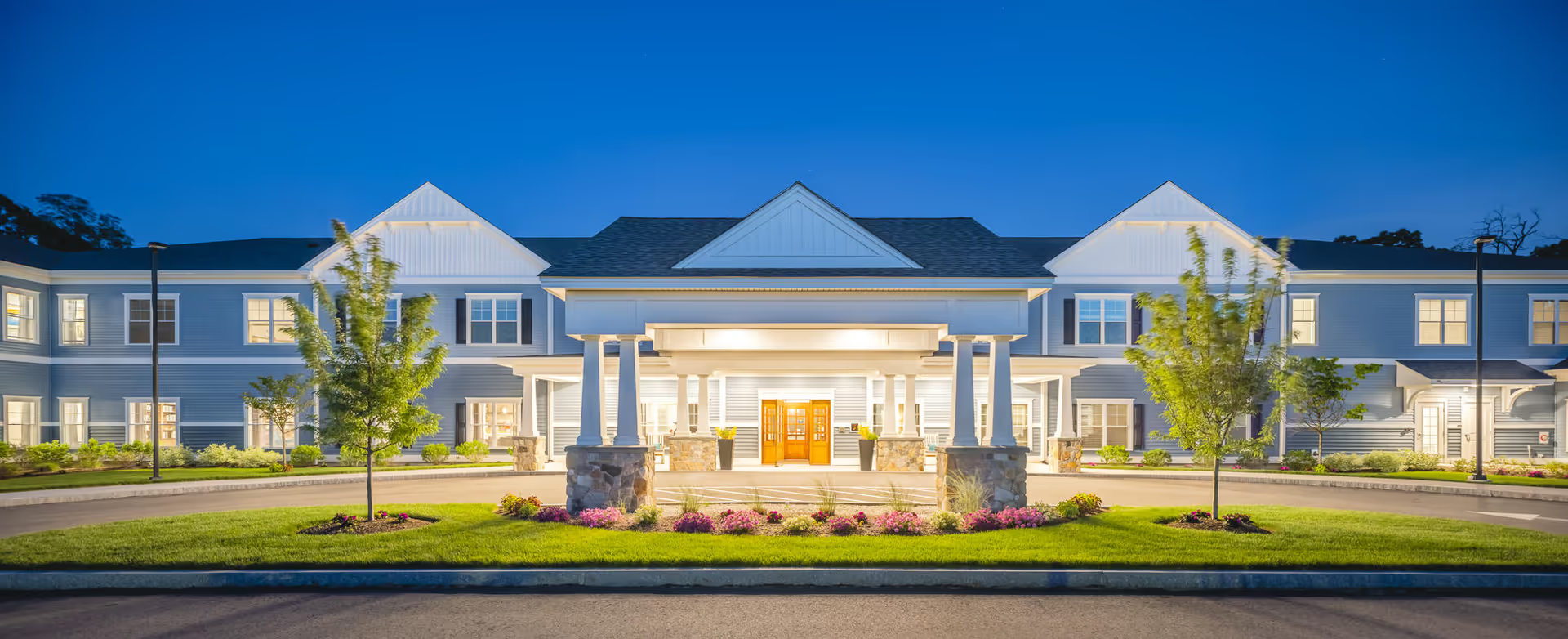
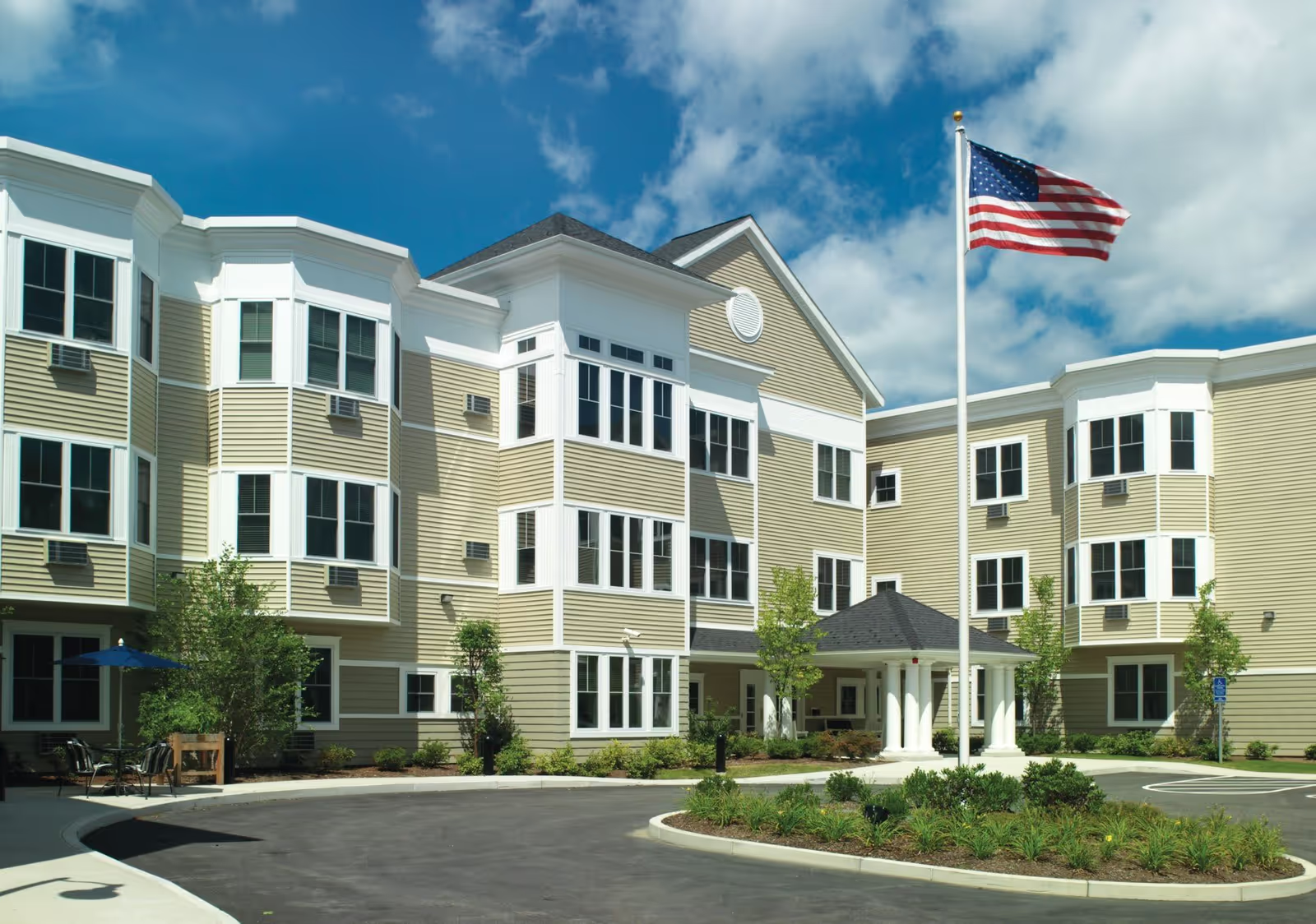
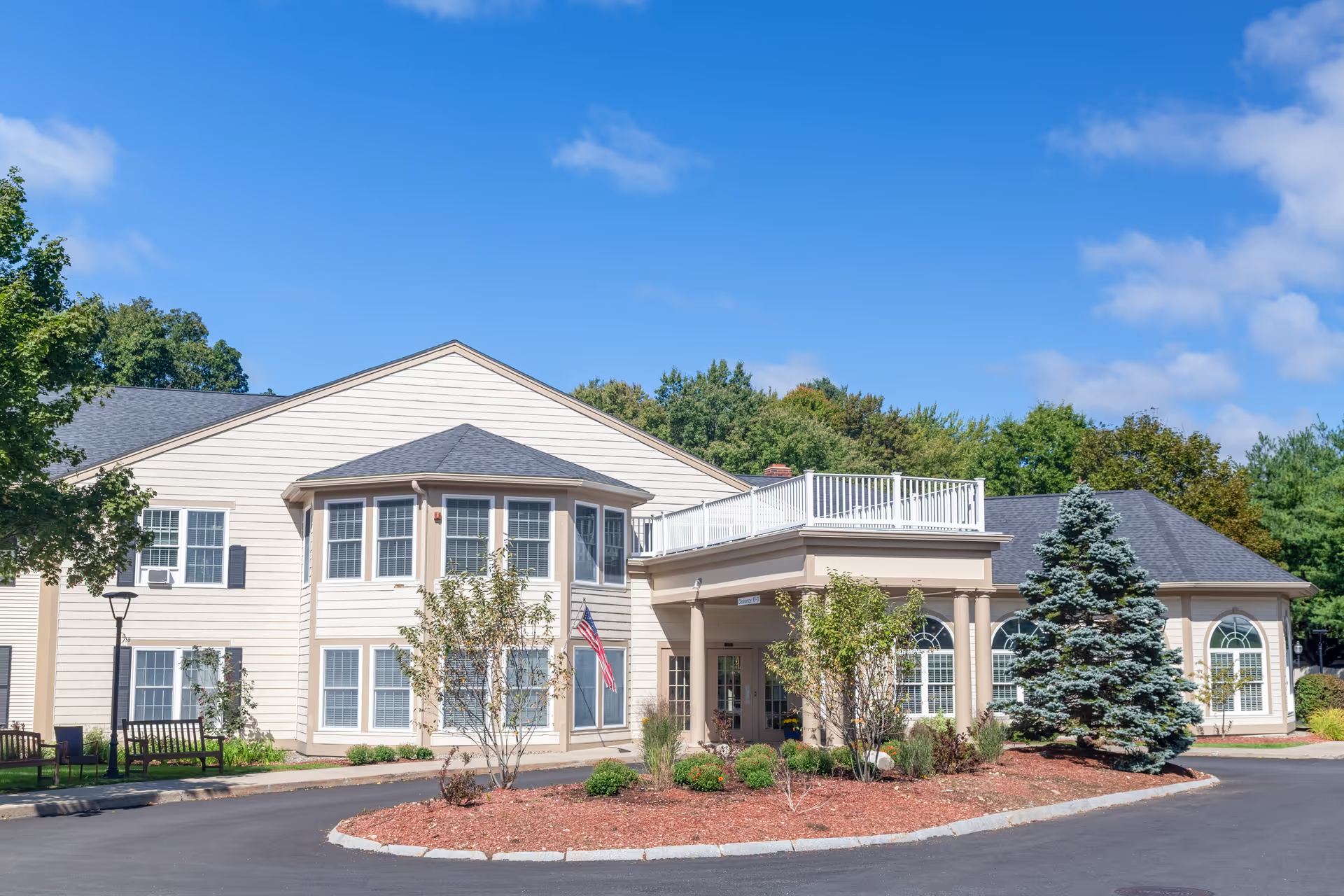
Facility condition and services also vary by area. Many comments praise recent remodeling, updated flooring, spacious dining rooms, and clean suites; outdoor patios and walking areas were frequently noted as positive features. However, there are isolated accounts of sanitation and pest-control concerns, mold in bathroom areas, persistent odors in certain locations, and parts of the building that feel older or in need of repair. Room size and configuration are another practical consideration—some units have small, dorm-like rooms and semi-private arrangements, while the memory unit offers more single-room options.
Management and administrative issues were another recurring pattern. Reviewers described both courteous maintenance and helpful front-desk interactions as well as management instability, multiple leadership changes, unresolved financial-administration matters (for example security deposit refunds), and at least one mention of an official complaint. There were also allegations of theft and property-security incidents in some accounts; these are serious concerns that should prompt direct inquiry about inventory controls, staff screening, and incident investigation procedures.
Overall, Manor on the Hill appears to provide a supportive, activity-rich environment with many staff who are attentive and services that meet a broad range of resident needs. At the same time, variability in staffing, training, clinical oversight, facility maintenance, and administrative consistency create meaningful trade-offs. Prospective residents and families should tour the facility at different times of day, meet the charge nurse and social worker, ask for current staffing ratios and turnover data, review pest-control and maintenance logs, sample the dining service, and request documentation about any regulatory complaints or investigations before finalizing placement.