Waterstone of Lexington is consistently described as a high-end, hospitality-oriented senior community with strong strengths in staffing, dining, programming, and physical environment. Reviewers emphasize courteous, familiar staff interactions; a sense of dignity and personalized attention from aides and leadership; and visible wellness support that has had measurable benefits for some residents (for example, improved eating and weight gain). The reception and onboarding experience is described as warm and generous, which contributes to rapid social integration for many new residents.
Staff quality and day-to-day care are among the facility’s most frequently cited assets. Multiple reviewers praised specific staff roles (wellness directors, receptionists, nursing/assisted-living teams) for responsiveness, name recognition of residents, and thoughtful communications. At the same time, reviewers also raised operational concerns related to clinical scope: the community provides assisted living and independent living but reviewers describe limited on-site memory-care or higher-acuity clinical options. Related operational traits include a single-staff assist policy for transfers and an expectation that families may need to arrange private aides if higher-level care is required.
Dining and activities are recurring strengths. Food is generally characterized as excellent and restaurant-style, with holiday and social programming earning particular praise. There are many structured and social activities — lectures, bands, outings, fitness — that residents use to stay engaged and build friendships. A small number of comments note variability in meal quality at times; overall the food program is described as a core positive of the community.
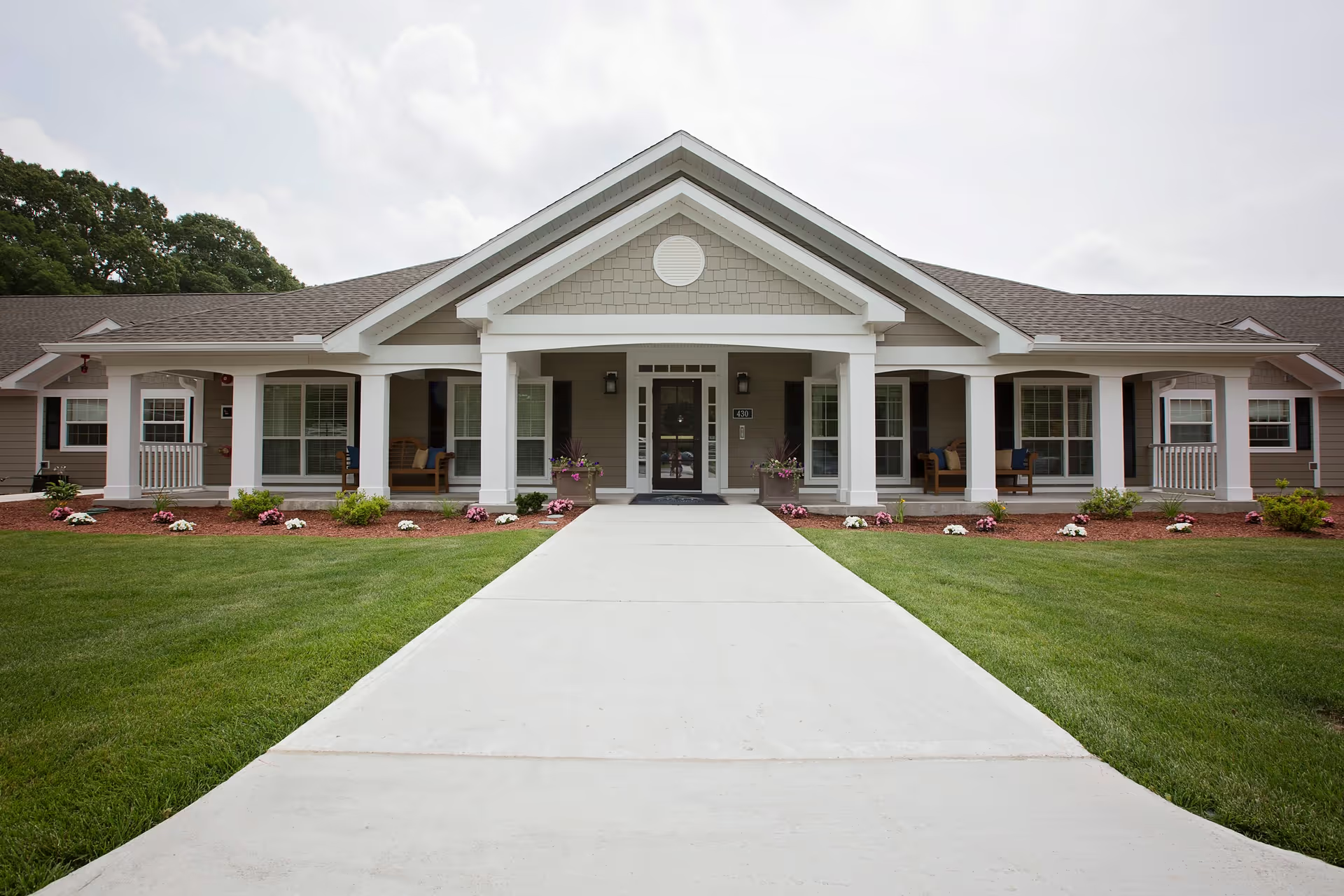
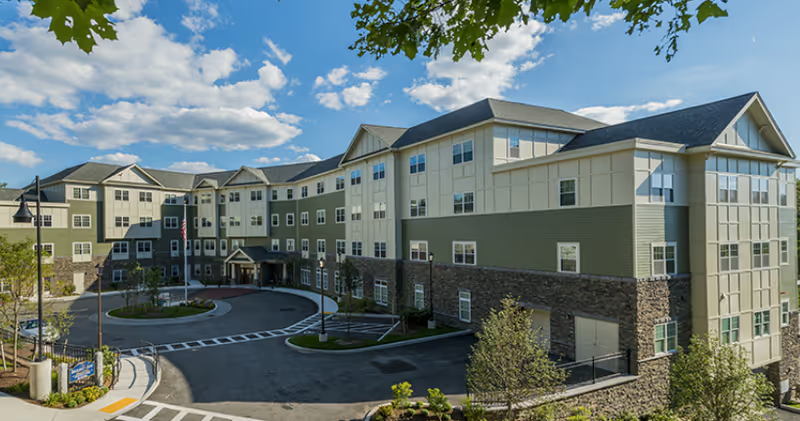
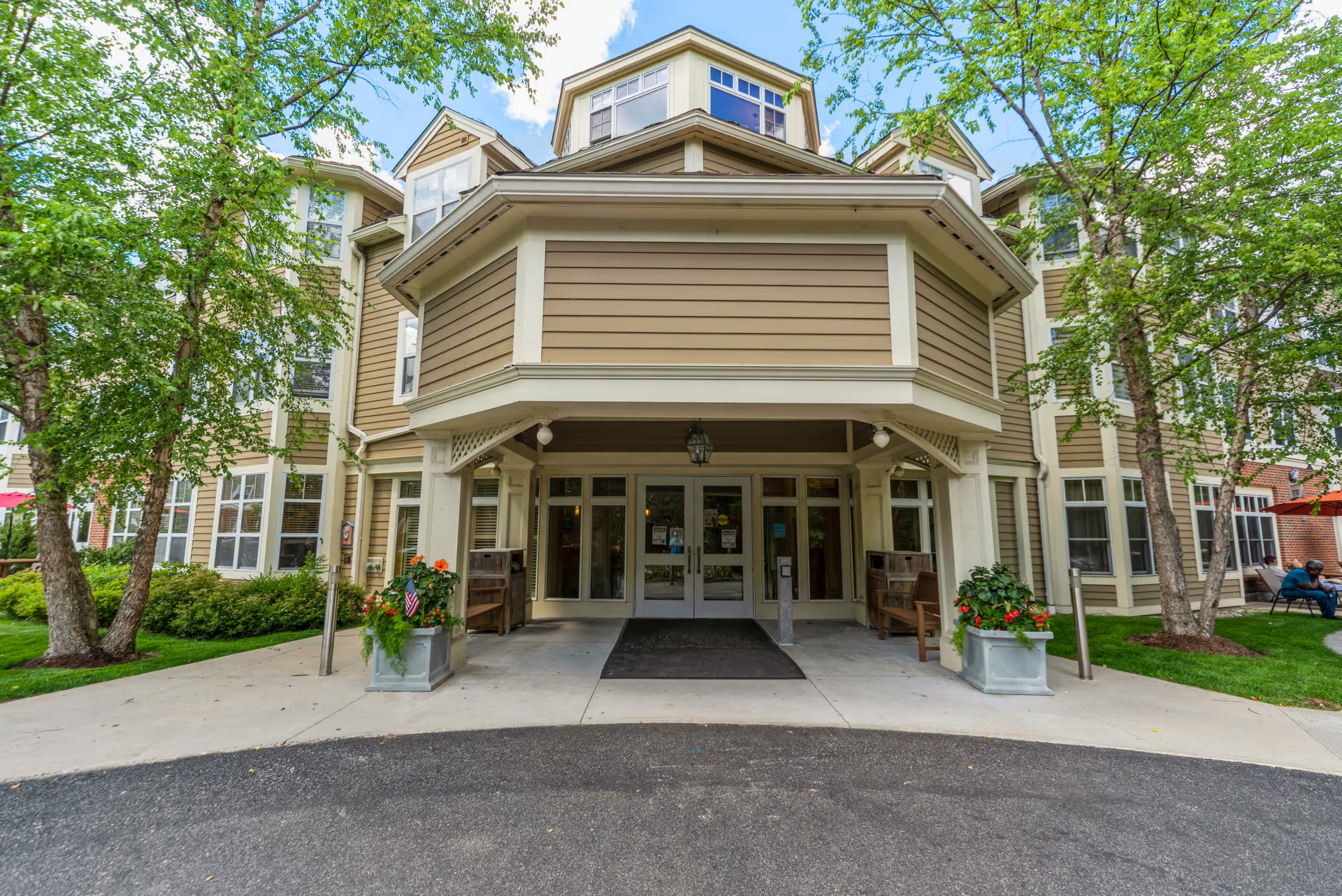
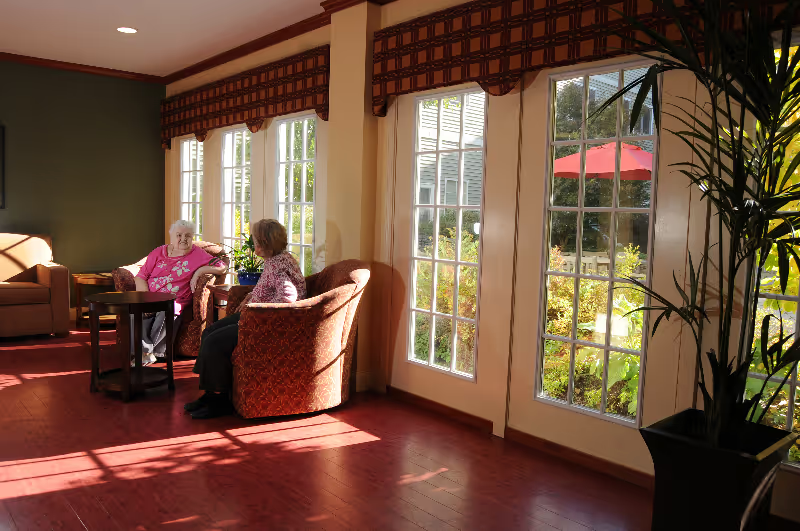
The facility and amenities are frequently described as upscale: bright, well-appointed apartments, elegant common areas, fitness facilities, and pet-friendly policies. Reviewers value the boutique size (not overwhelming), central location near downtown, and a warm, social culture that facilitates new friendships. Management and leadership receive generally favorable comments for transparency, resident engagement opportunities, and responsiveness to questions.
Notable patterns of caution for prospective residents and families: several comments suggest the community operates at a premium price point and that financial and logistical implications of an unexpected clinical escalation (for example, need for memory care) can be significant. There are also isolated but serious family complaints about transitions and communications during clinically sensitive events; one such account includes alleged communication breakdowns and a contested financial outcome. These remarks point to gaps in transition protocols and family-notification practices rather than routine day-to-day care, but they warrant direct verification. Transportation limitations (restricted community shuttle hours and reliance on ride-hailing) were also mentioned as a practical constraint for some residents.
Recommendation: for families considering Waterstone of Lexington, verify contract language and policies around clinical escalation, transfer/exit procedures, and financial responsibilities during transitions. Ask for a written outline of staffing ratios and transfer assistance policies, confirm memory-care or higher-acuity referral processes, and review transportation options and schedules. If long-term continuity of care on-site is a priority, clarify whether private aides will be necessary and what associated costs would be. Overall, Waterstone presents as a well-regarded, hospitality-focused community with strong social, dining, and staffing attributes, balanced by a need for due diligence around clinical-continuum and transition protocols.