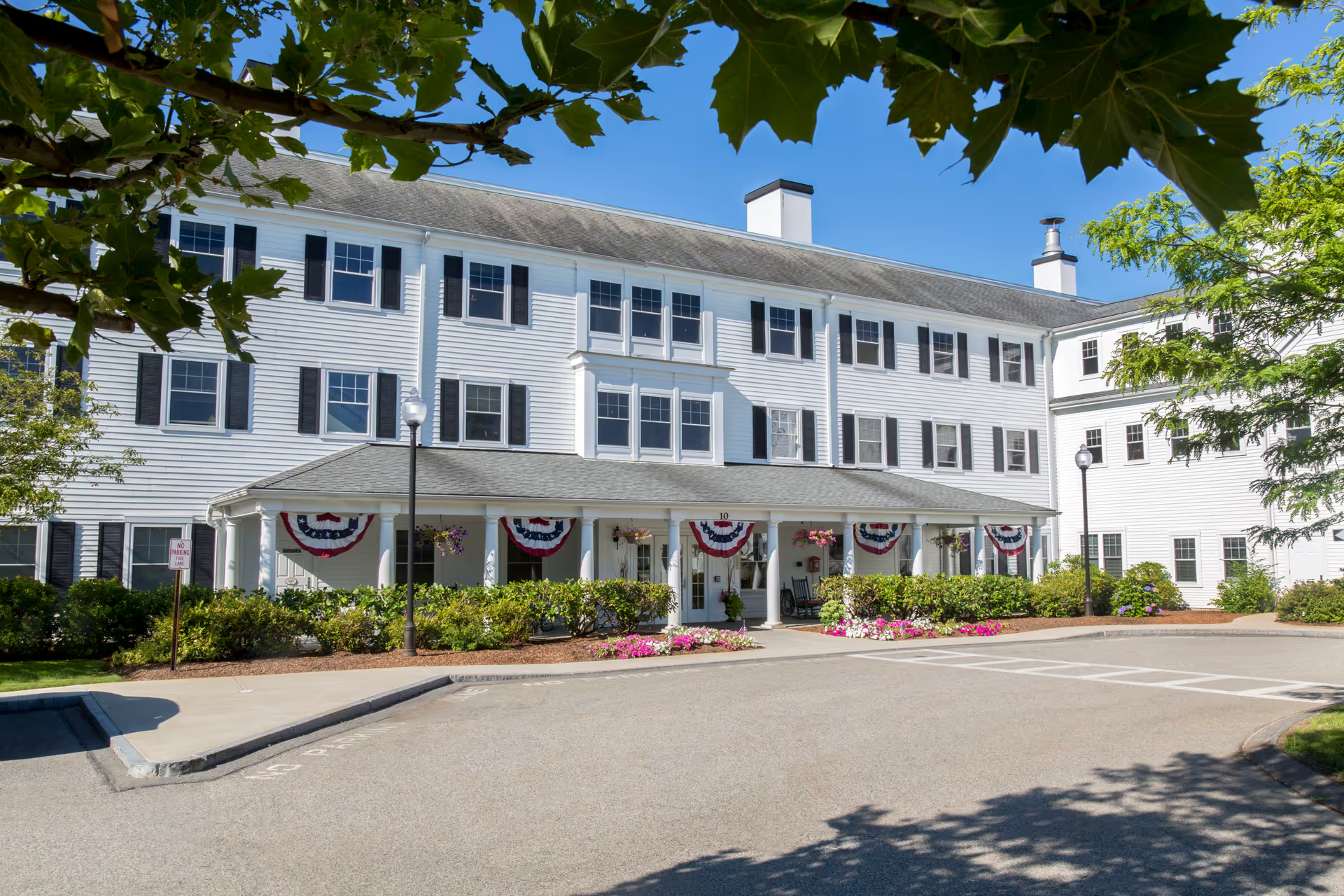
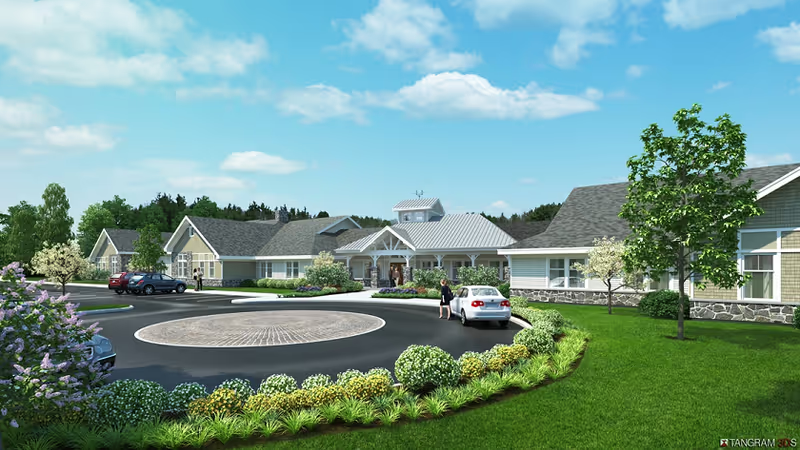
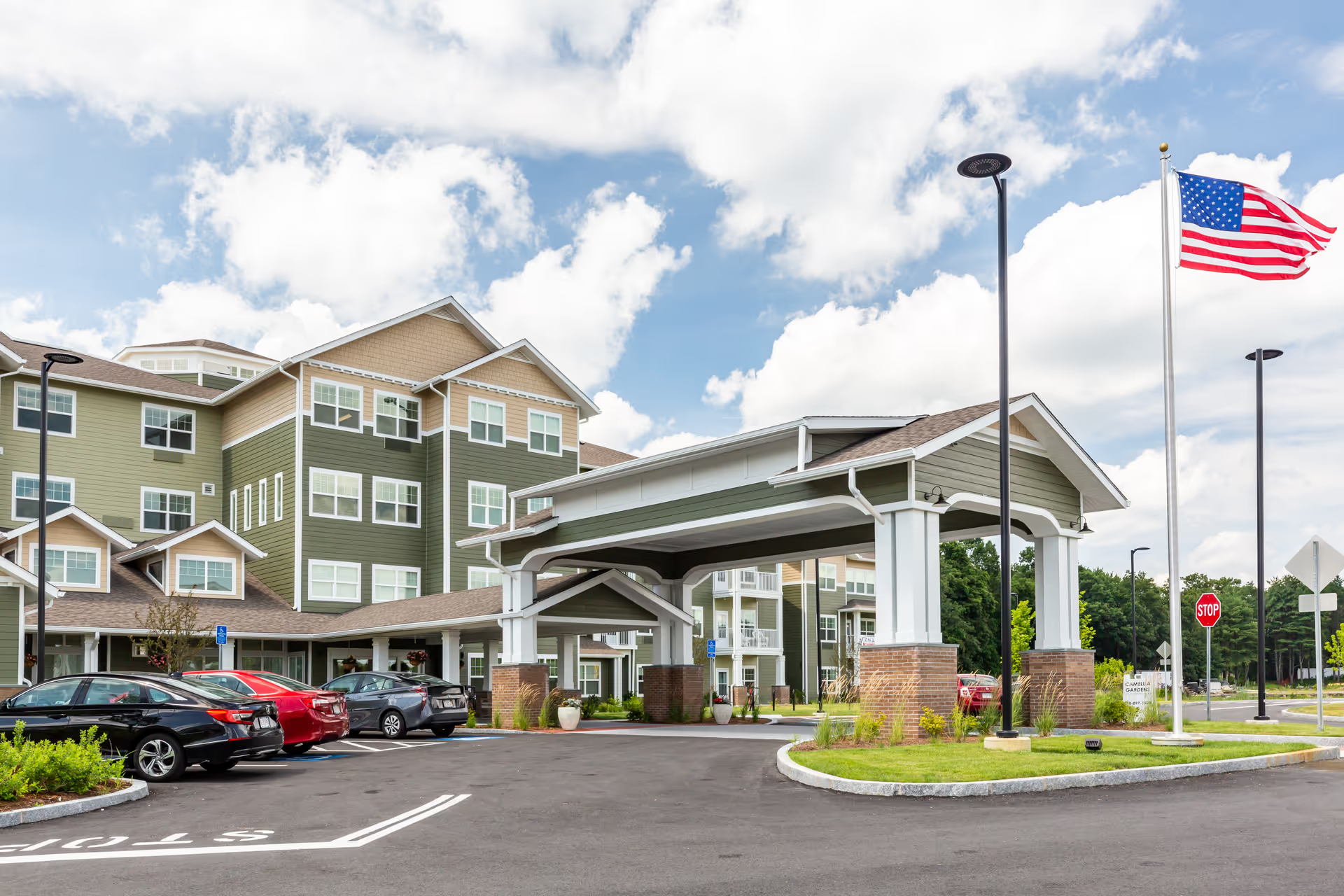
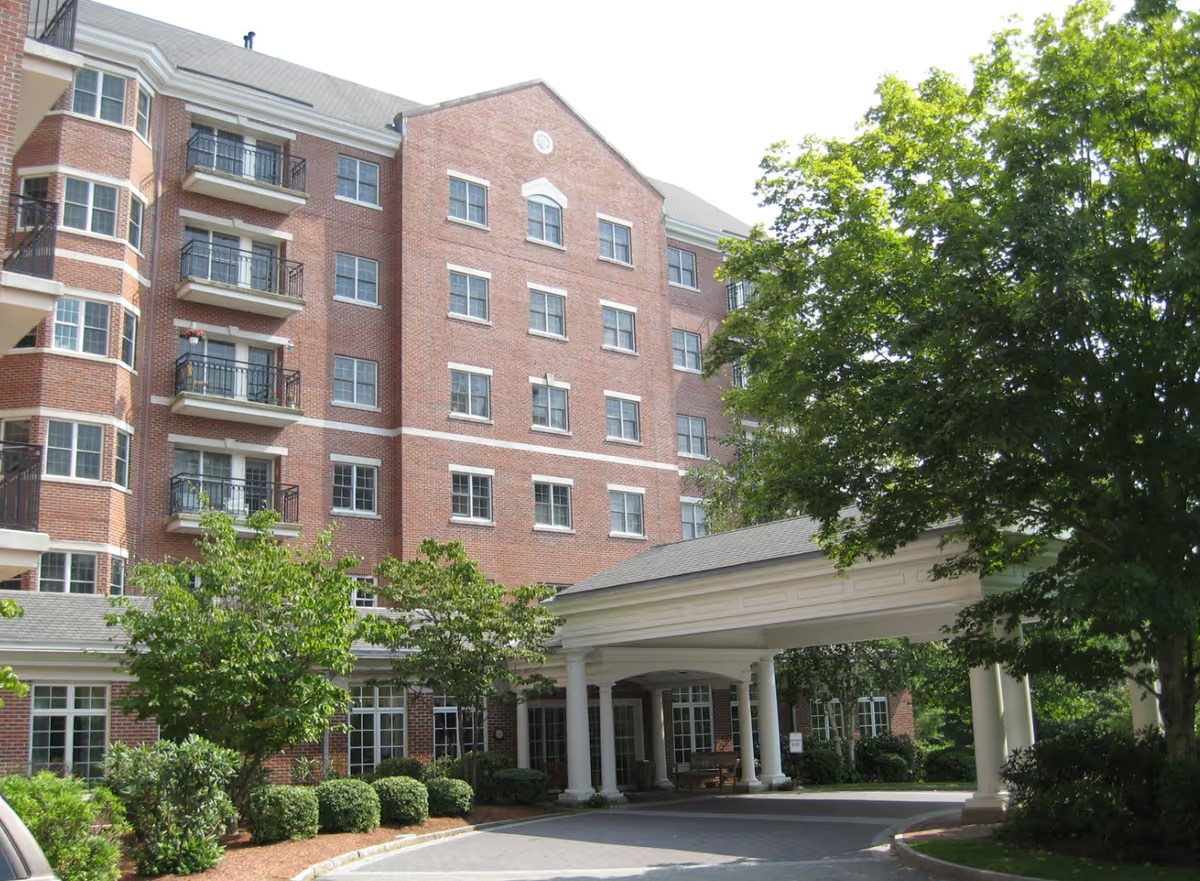
Life Care Center of Nashoba Valley elicits a strongly mixed but coherent pattern of feedback. Positive accounts emphasize a rehabilitation-oriented culture: physical, occupational and speech therapy teams receive consistent praise for focused, goal-directed programs that help many residents return home. Frontline caregivers — nurses, CNAs, therapists, and support staff such as housekeeping and kitchen teams — are repeatedly described as caring, attentive, and knowledgeable. Long-tenured staff and frequent references to staff members by name indicate continuity of care for many residents. The facility’s well-maintained grounds, animal-assisted programming (llamas, alpacas, bunnies, visiting dogs), and a broad activities calendar are frequently cited as meaningful contributors to resident quality of life and morale.
Dining and hospitality are commonly viewed as strengths: reviewers note varied meal options and occasions that feel family-oriented. Admissions and transitions into memory care are described as smooth in many cases, and social services and case management are often characterized as helpful in coordinating care and paperwork. Several families expressed appreciation for hospice support and the facility’s willingness to work closely with families during end-of-life care.
However, recurring operational concerns appear alongside the positive reports. Staffing levels and scheduling emerge as persistent themes: reviewers cite staffing shortages, reliance on double shifts, and consequent long response times to call bells. There is variability in bedside skill and responsiveness among CNAs and aides; while some staff are described as exemplary, others are characterized as inconsistent. Maintenance and housekeeping are generally praised but also flagged in several accounts for isolated cleanliness and repair issues, and some rooms were described as small or shared in ways that limit privacy.
A significant cluster of concerns relates to infection-control and communication during the COVID-19 period. Several reviewers cited perceived gaps in infection-control practices and limited transparency with families during outbreak events; some accounts referenced regulatory attention or review following those events. Alongside that, families described weak communication during clinical incidents, including delays in information flow and challenges obtaining timely updates from social work or administration. Medication timing and administration practices were also noted as inconsistent in some narratives, and a subset of families reported the need for hospital transfers or removal of a loved one after serious clinical events.
For prospective residents and families, the facility offers strong rehabilitative services, engaging programming, attractive grounds, and many compassionate staff members who can deliver effective day-to-day care. At the same time, families should evaluate current staffing ratios, ask about infection-prevention policies and recent regulatory reviews, clarify medication-administration and emergency-response protocols, and inspect room layouts for privacy and equipment needs. Visiting in person, meeting the clinical leadership, and requesting up-to-date staffing and infection-control data will help align expectations with the facility’s mixed but substantive performance profile.