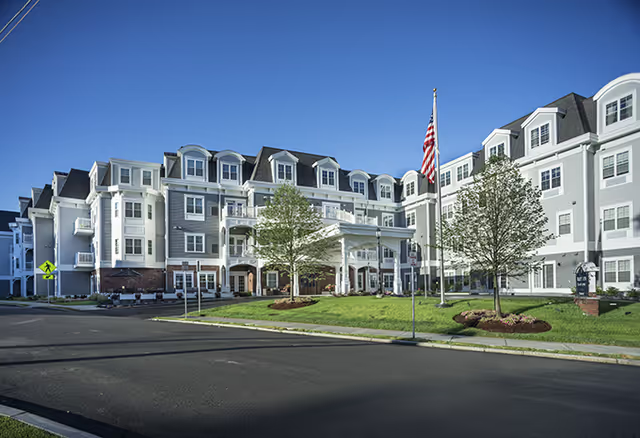
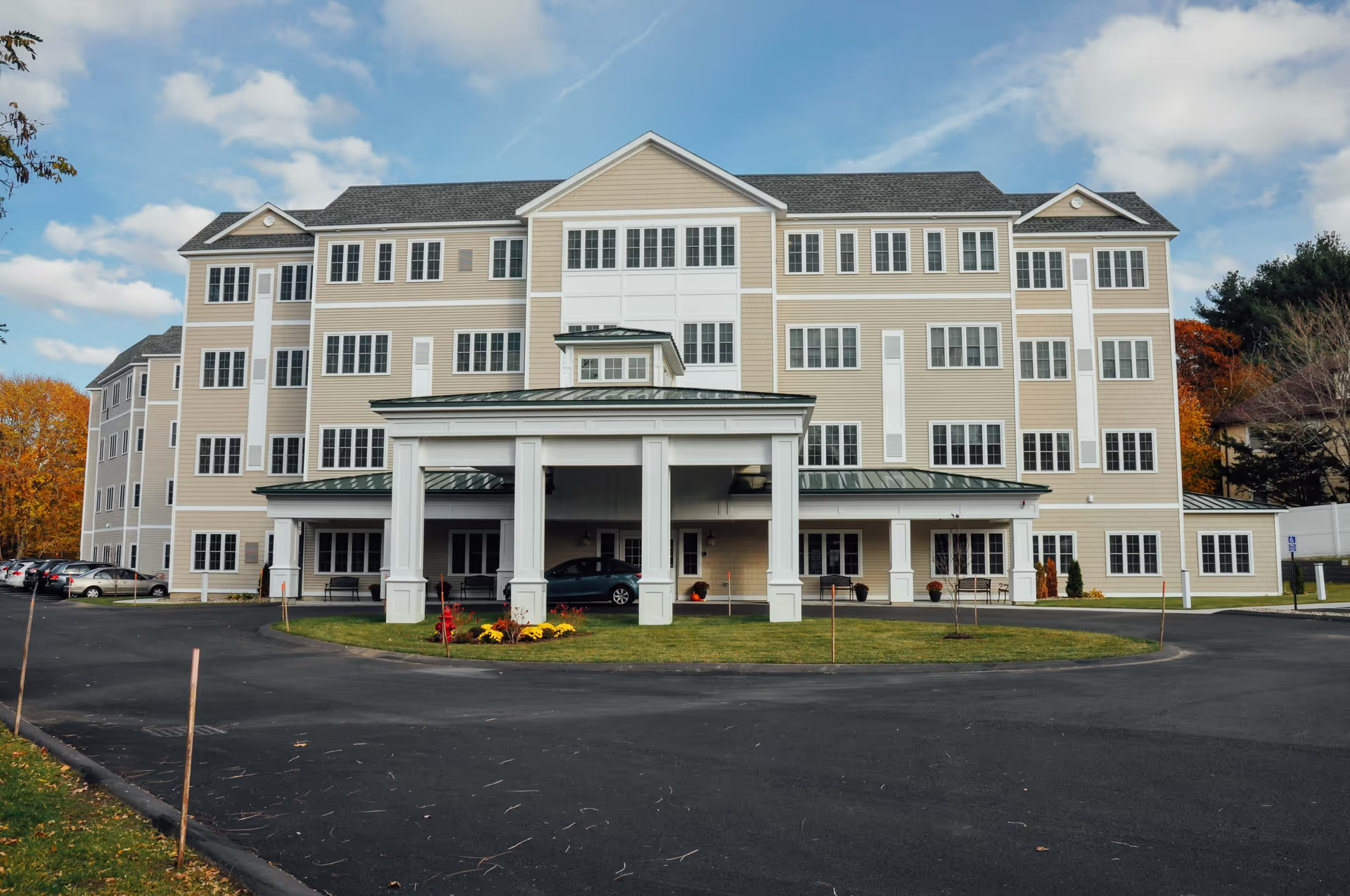
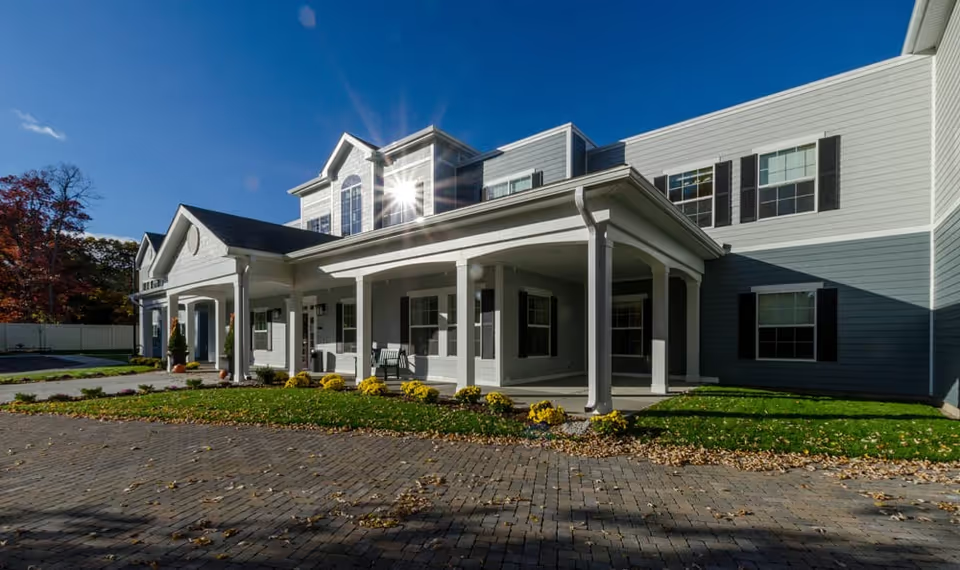
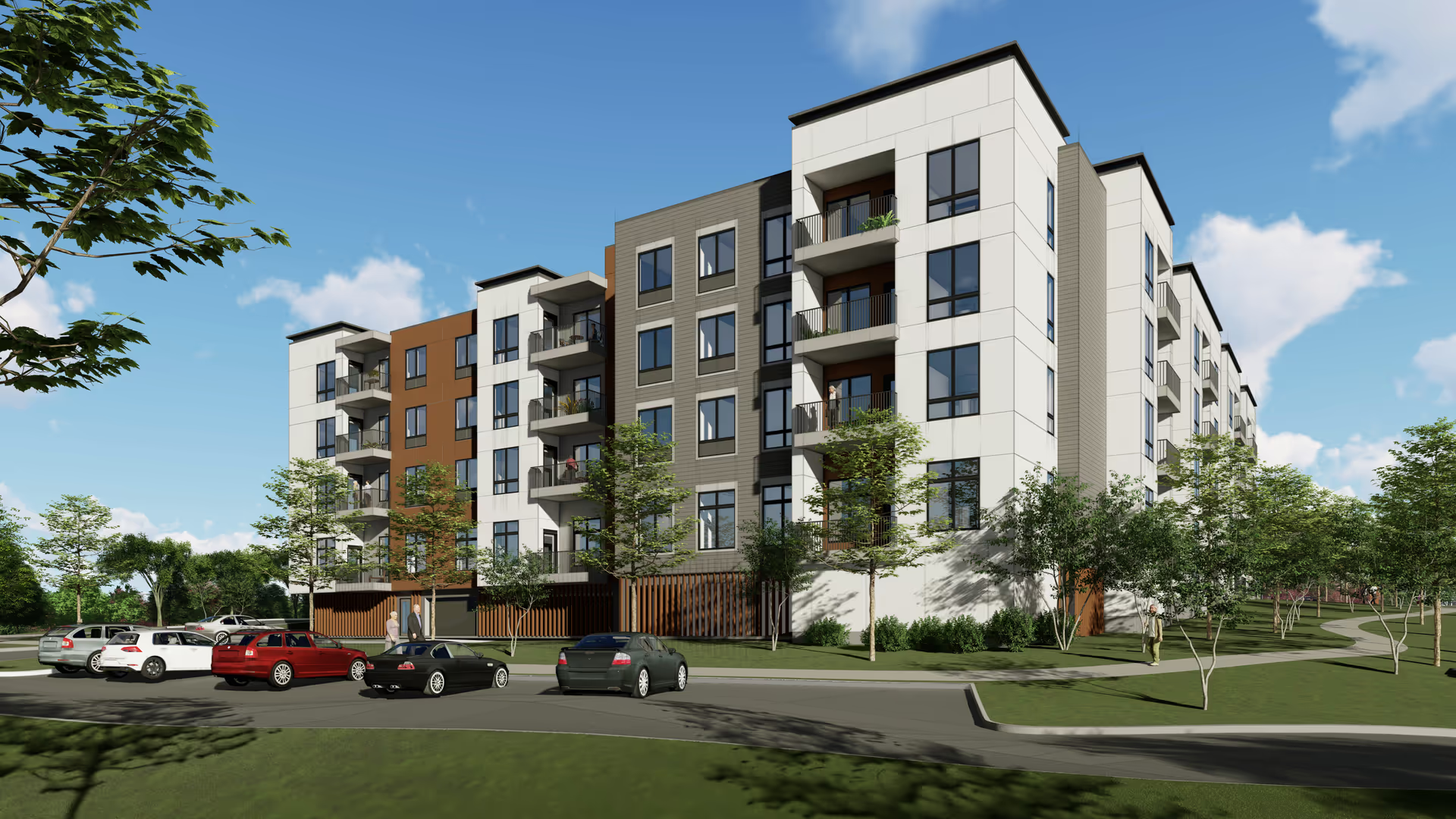
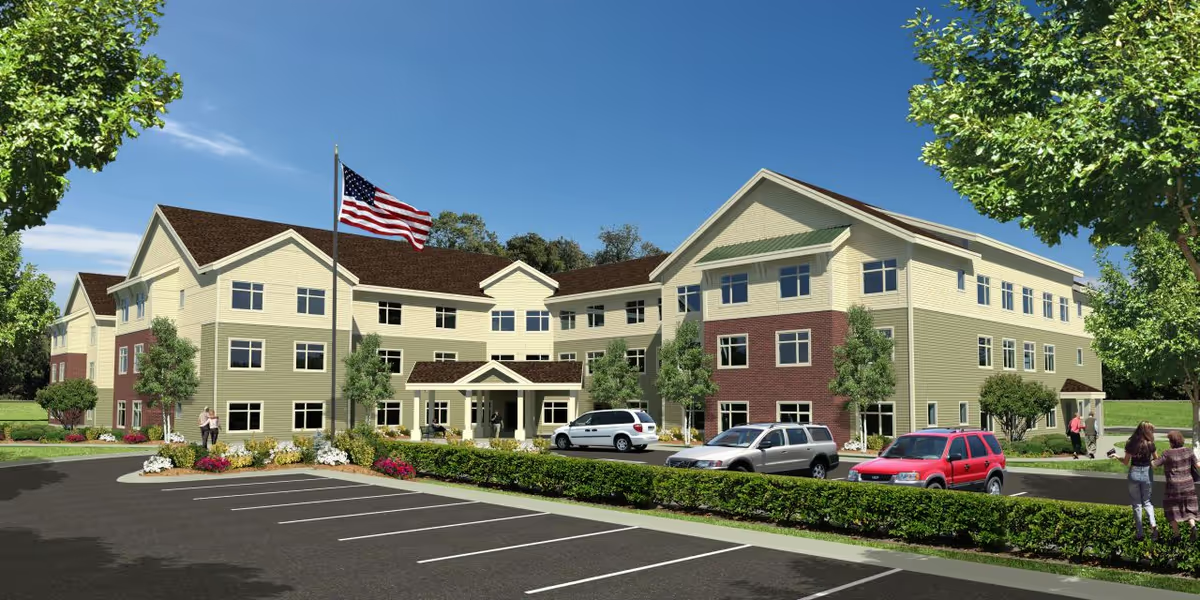
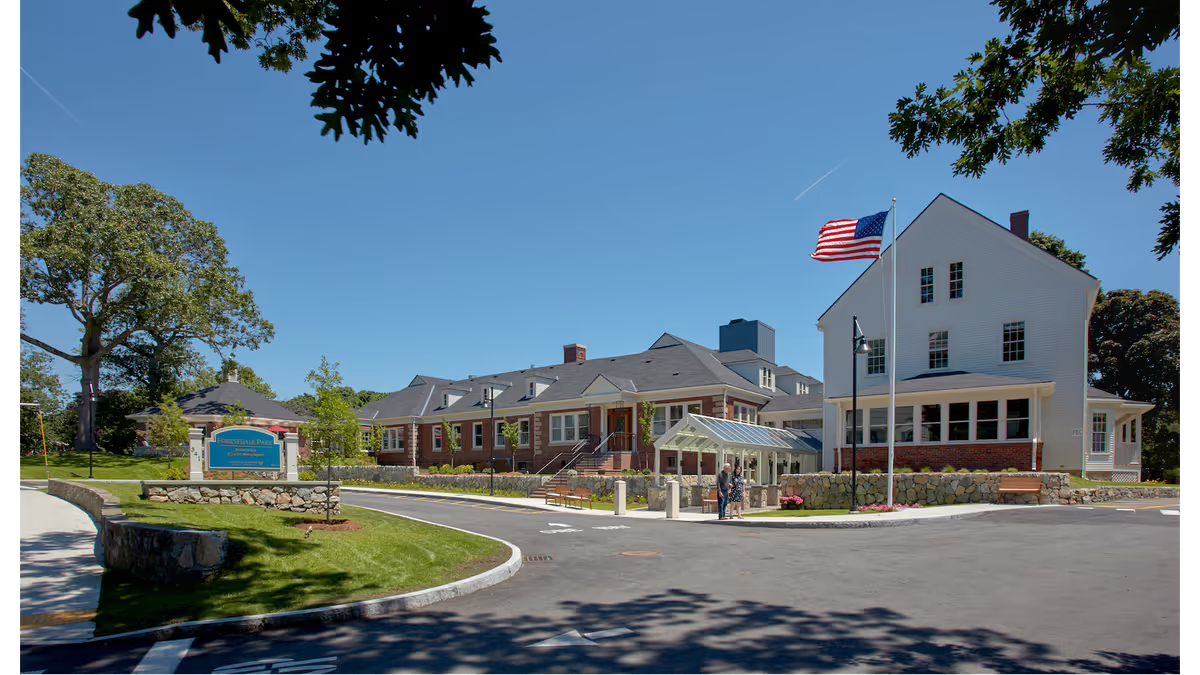
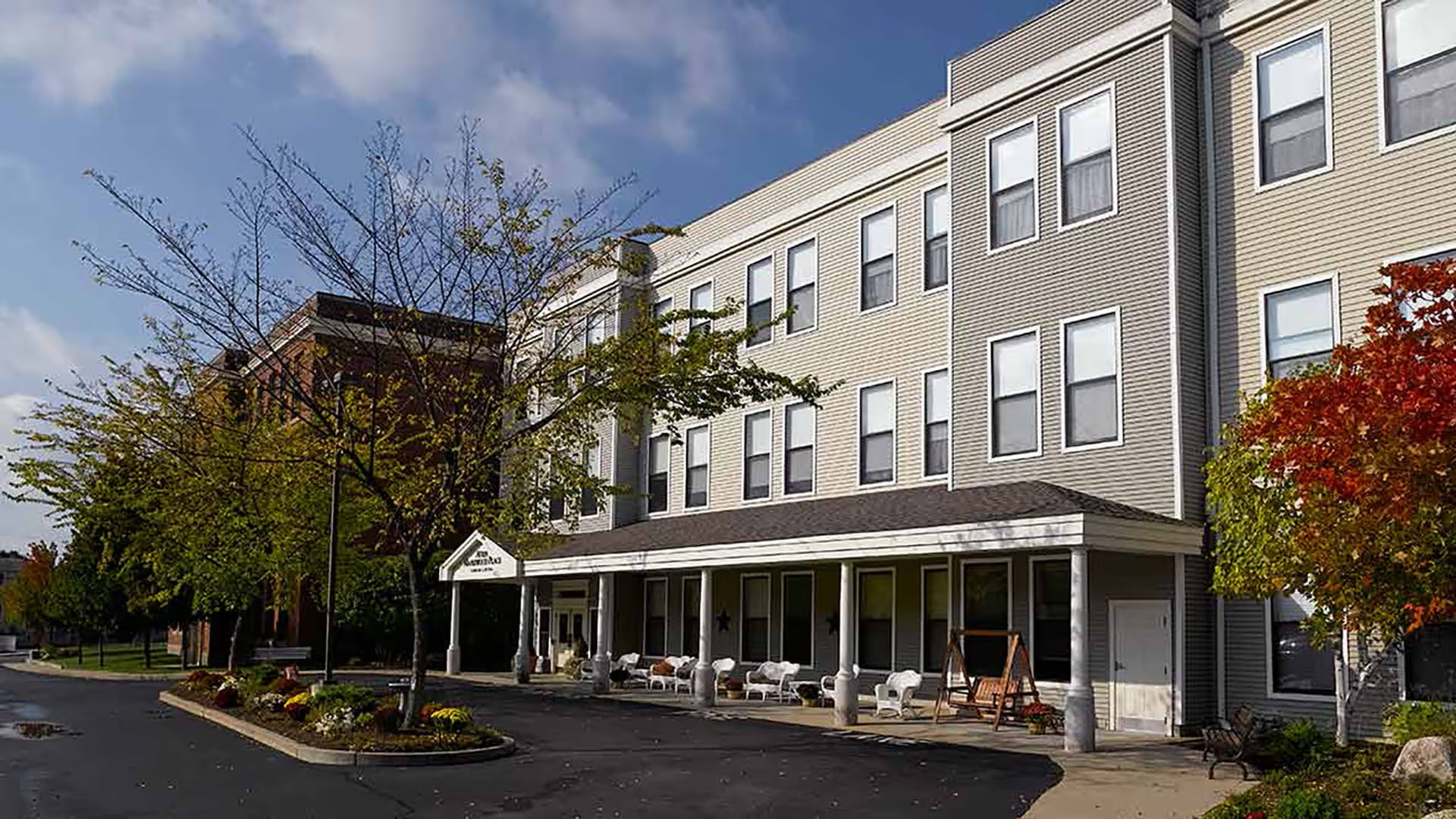
Overall impression Sunrise of Lynnfield presents as an upscale, hotel-like assisted living community with strong emphasis on social programming, attractive grounds, and a home-like interior. Many families describe the facility as bright, modern, and well maintained, with professionally run common areas and restaurant-style dining. The community layout and landscaping are frequent points of praise, and the pet-friendly environment (house cat/dog and resident interactions) contributes to a homelike atmosphere.
Care and staff Caregivers and nursing staff receive frequent commendation for compassion, attentiveness, and willingness to accommodate individual needs. Several reviewers highlight long-tenured and experienced staff, specific floor managers, and instances of nursing staff going above and beyond, including coordination with hospice to allow end-of-life care in place. At the same time, there is evidence of variability: families note periodic staffing shortages, turnover, and isolated concerns about responsiveness or conduct from non-clinical staff. Prospective families should assess staffing levels and ask about unit-specific staffing patterns during a tour.
Dining and activities Dining is generally described as restaurant-style with a varied menu and attentive service; many residents enjoy the meals and dining environment. A minority of comments characterize food quality as average or inconsistent, so dietary preferences and menu samples are worth reviewing in person. Activities are a clear strength: daily programs, exercise, music, outings, and events create an active social environment. However, programming appears to skew toward more socially and physically active seniors (roughly younger-elder cohorts), and may be less stimulating or less accessible for residents with advanced mobility or cognitive impairment.
Facilities and accommodations Physical plant strengths include clean common areas, well-kept grounds, bright dining rooms, and a secure memory-care neighborhood that is described as well laid out. Apartment and room sizes and layouts vary; some units are large and well-appointed while others are described as smaller or less suited for couples. A few families reported limitations around secured walking areas and one-on-one supervisory needs for certain residents—items to verify relative to an individual’s mobility and supervision requirements.
Management, policies, and notable patterns Leadership and administrative communication receive positive mention for transparency and responsiveness in many accounts, including pandemic response and monthly care updates. The community’s infection-control practices were highlighted as effective by several families, though pandemic-related visitation restrictions were experienced as part of that approach. Cost is consistently noted as high, with deposits and premium pricing; prospective residents should clarify fees, fee increases, and what services are included. Overall, while the dominant pattern is positive—compassionate staff, attractive facilities, and a lively social program—there are recurring operational themes to investigate during a visit: staffing consistency, unit-level cleanliness practices, fit of activity programming for the prospective resident, apartment size options, and the community’s capacity to manage higher-acuity long-term nursing needs.