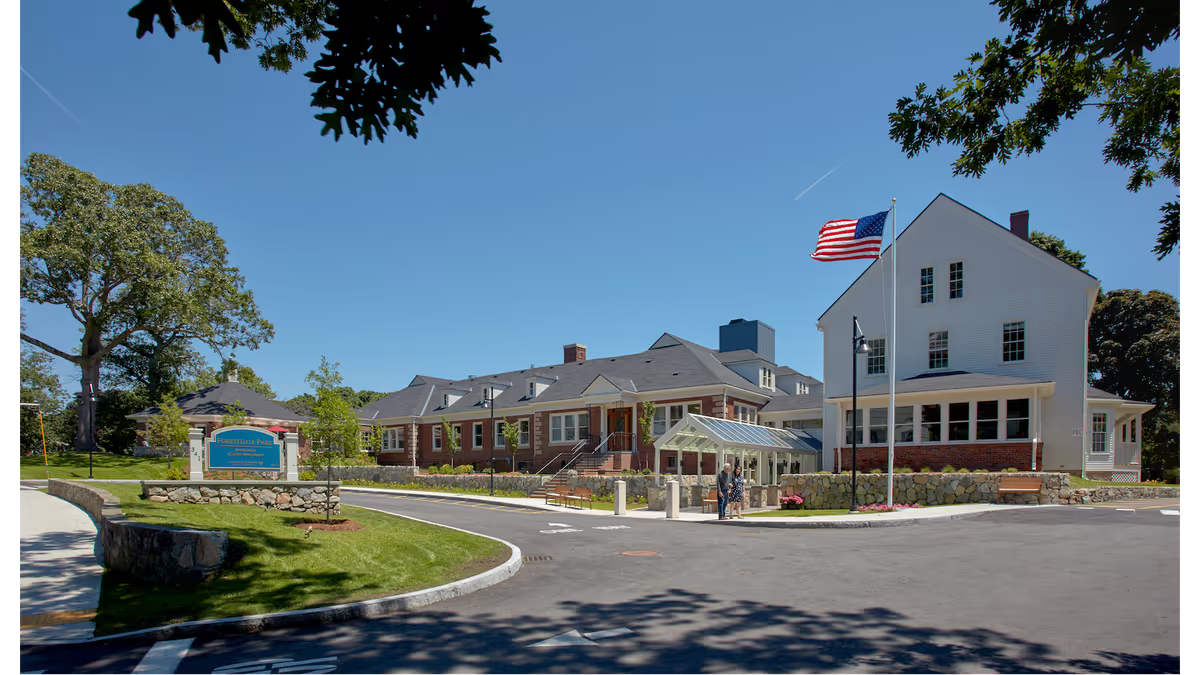
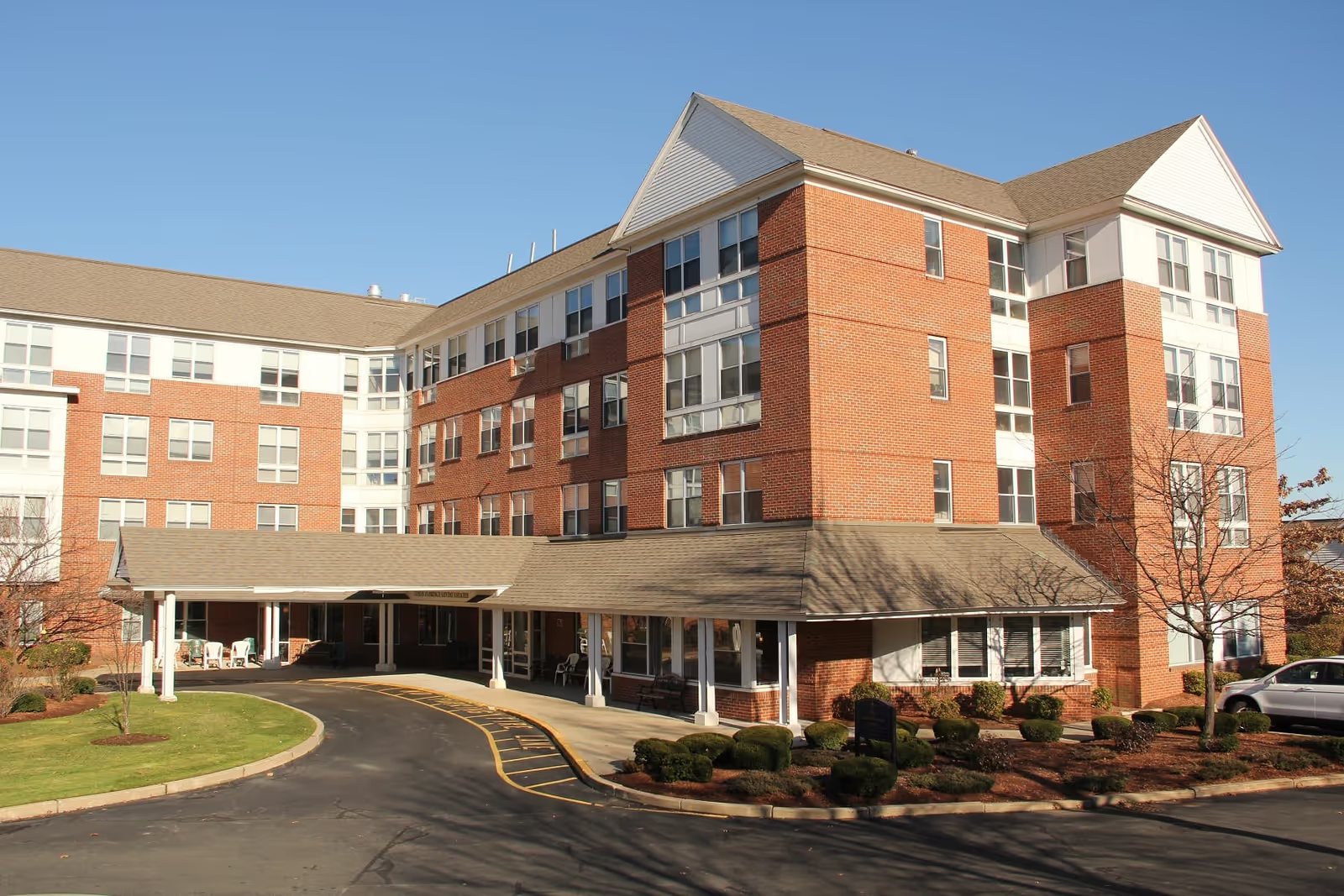
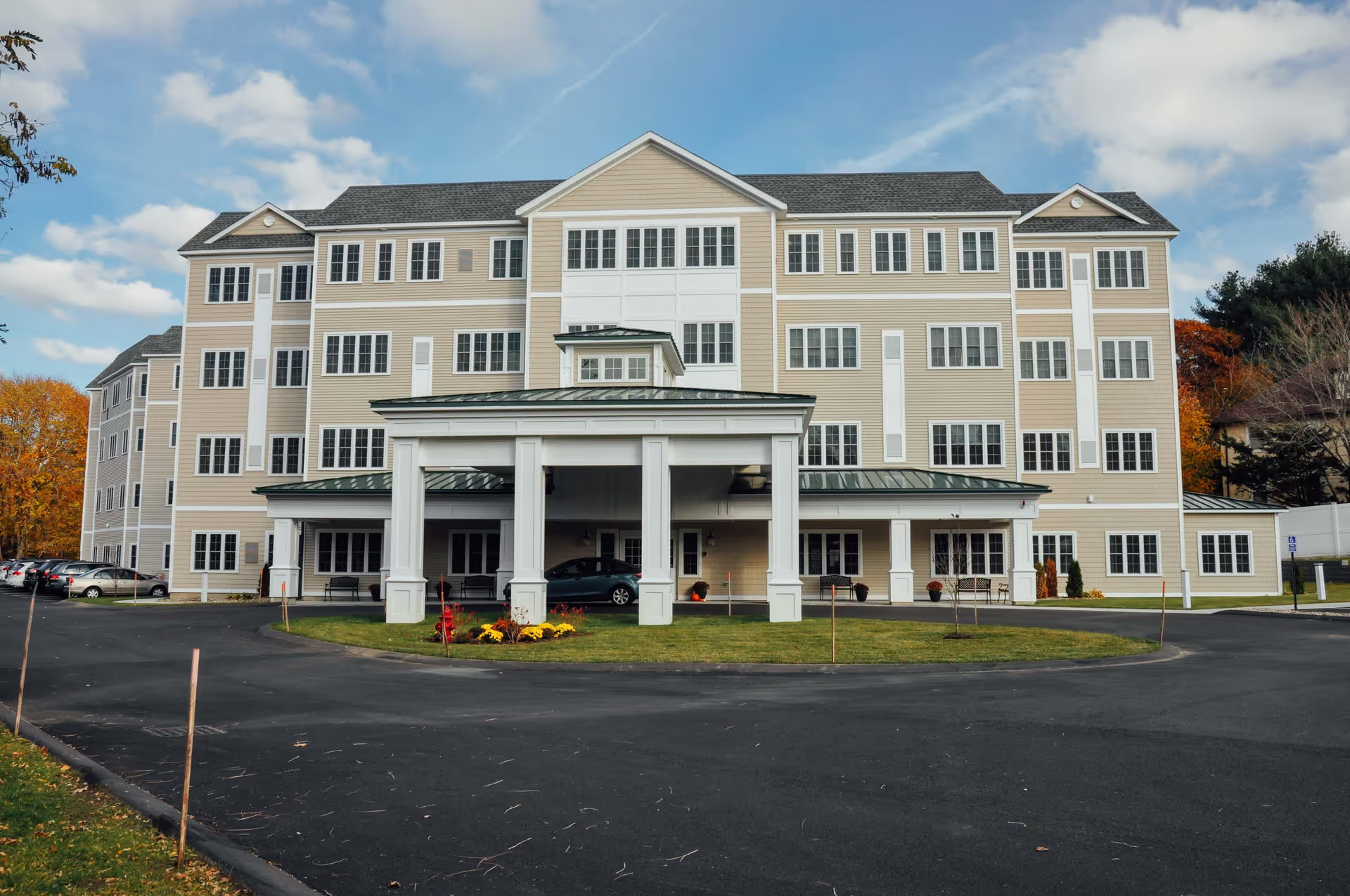
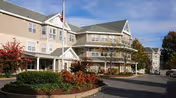
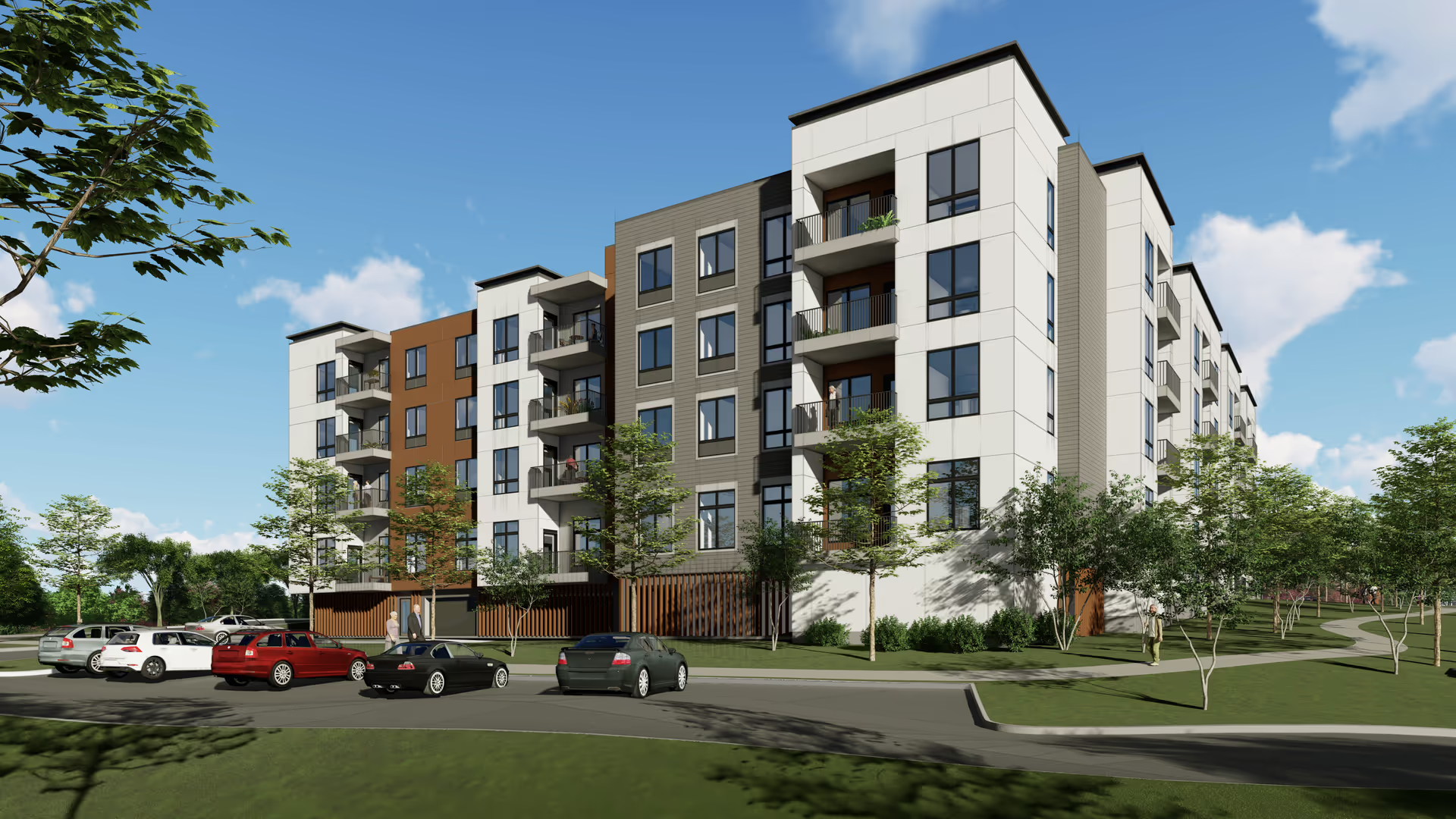
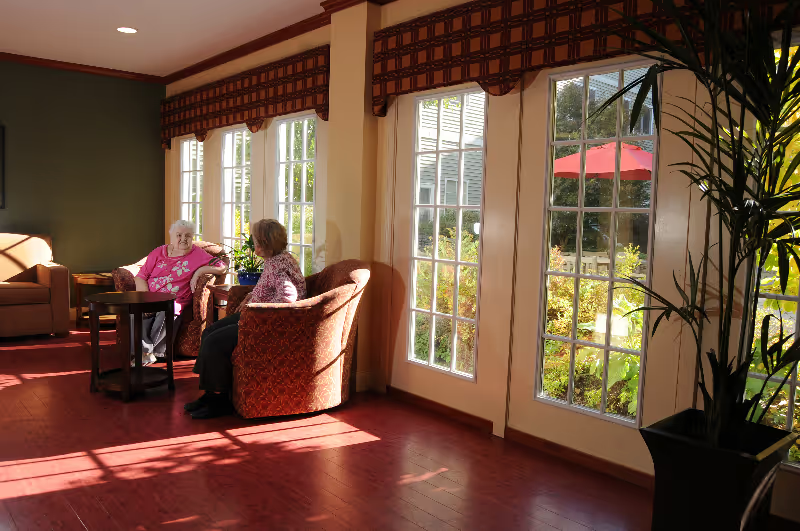
Atria Maplewood Place presents a mixed but overall favorable profile for families seeking assisted living or memory care. Strengths repeatedly cited include a clean, renovated facility with bright, welcoming common areas and private apartments that support resident independence. Housekeeping and groundskeeping are often described as thorough, and architecture—wide hallways, open dining areas and courtyard spaces—supports walker and wheelchair use. Memory‑care programming and some clinical services are regarded positively, and safety technology such as wearable monitors is available.
Staff performance is the facility’s most consistently praised element: many families describe caregivers, nurses and front‑desk personnel as compassionate, attentive and skilled. Admissions and tour staff generally receive high marks for easing transitions, and transportation drivers and maintenance teams are singled out for helpfulness. Several accounts describe strong personalized care planning and effective family communication during infection‑control events, which contributed to peace of mind for relatives.
Dining and activities are notable strengths for many residents. Numerous reviewers report restaurant‑style meals that are nutritious, varied and enjoyable—some cite weight gain and improved appetite as outcomes. The Engage Life/activities programming is active, with field trips, social events, classes and entertainment that foster a condominium‑like community feel. At the same time, there is clear variability in meal quality and produce availability; some families describe bland or overcooked dishes and limited fruit/vegetable variety, and others note that menu standards have fluctuated over time.
Operational patterns merit careful inquiry during a tour. Several reviewers describe inconsistent staffing levels, missed or delayed responses to call systems, and gaps in clinical‑incident handling and family notification. There are also recurring concerns about medication management processes and uneven care quality across units and shifts. Administrative issues appear in multiple accounts: billing mistakes, fee increases, onboarding confusion, and occasional disorganization among upper management. Activity staffing turnover and construction or renovation periods have also affected program continuity at times.
Practical considerations for prospective residents include apartment design limits (small studio kitchens, high cabinets, limited counters) and some accessibility gaps for vision‑impaired residents. Laundry and housekeeping procedures show variability and some machines are outdated. Cost is frequently described as high, and a few families noted sudden increases or unclear extra charges; verify fee structure and billing practices during placement discussions.
In sum, Maplewood Place offers many of the amenities, social programming and attentive staff that families seek in assisted living, and the facility’s physical environment and some clinical programs draw strong praise. However, inconsistent staffing coverage, administrative and billing issues, variability in dining and occasional lapses in clinical incident response are recurring themes. Prospective residents and families should tour the community, ask targeted questions about staffing ratios and medication protocols, review recent activity and dining schedules, and request written clarification on fees and onboarding procedures to ensure the community’s current operations align with their expectations.