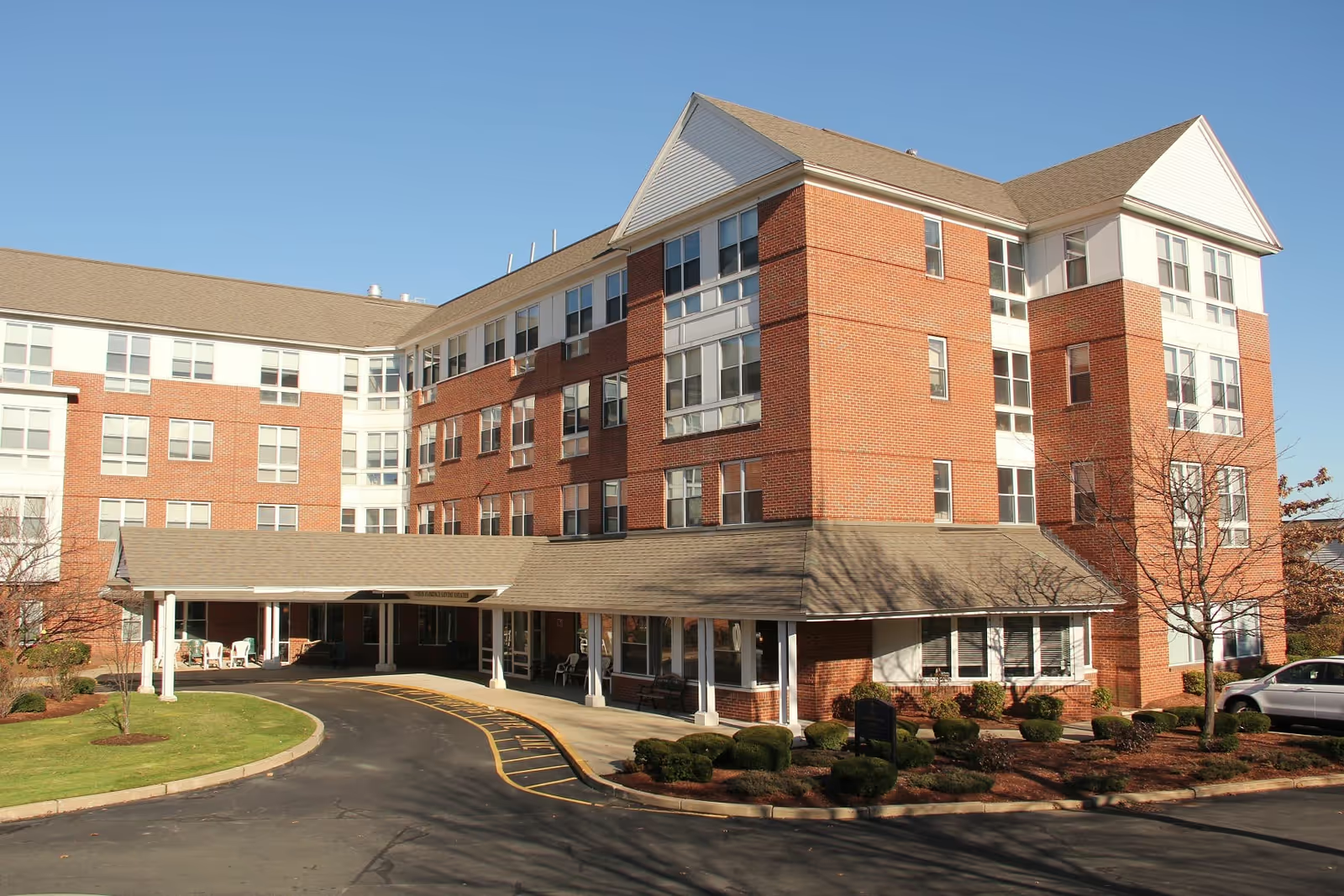
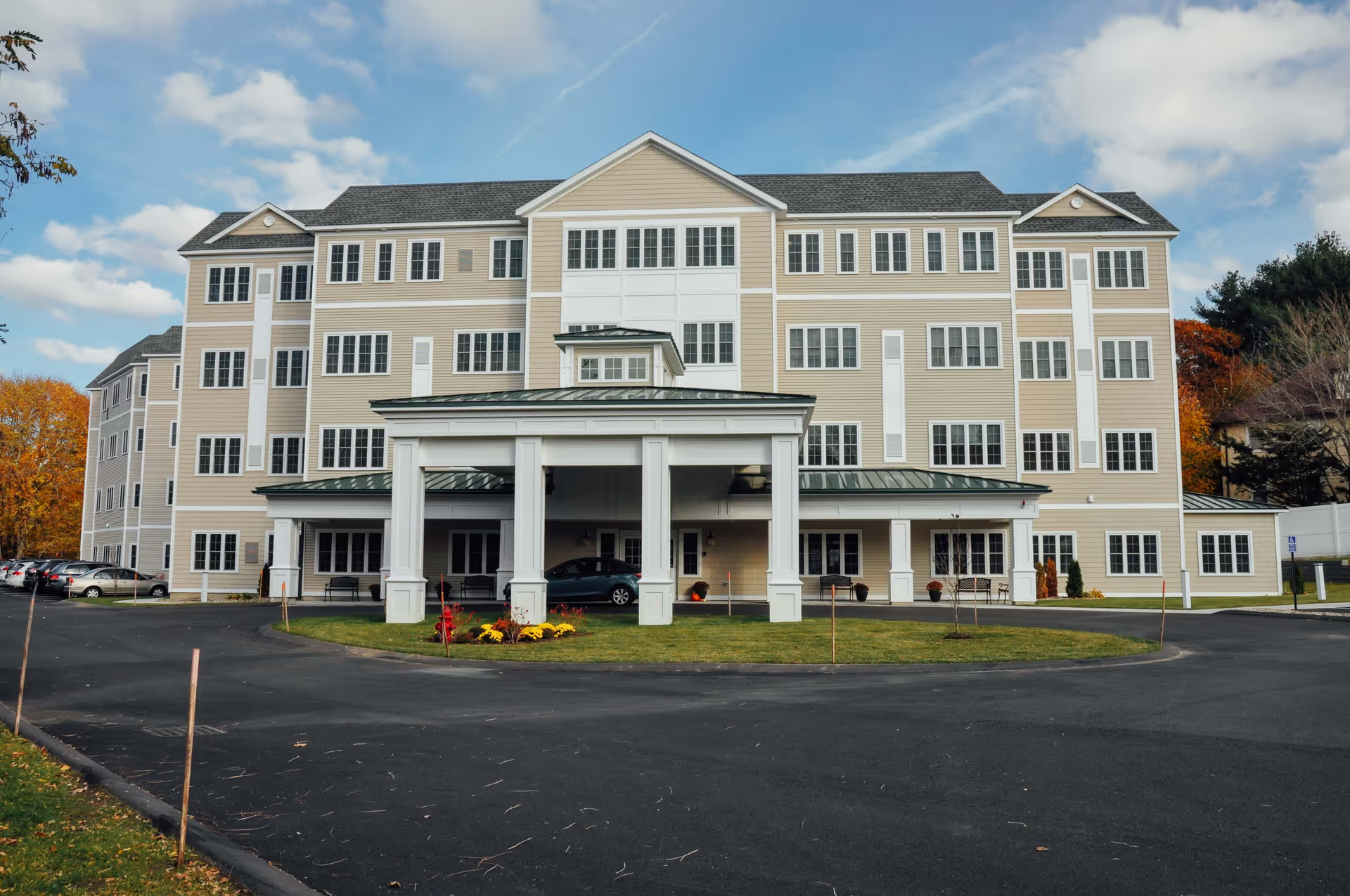
Dexter House HealthCare elicits a mixed set of impressions across reviewers. Positively, many families and residents described individual staff members and teams who provided compassionate, respectful care. Rehabilitation services — particularly physical therapy and the on-site therapy gym — received favorable comments for producing good functional outcomes and supporting transitions back home. Several reviews highlighted attentive CNAs and nurses, coordinated discharge planning, meaningful end-of-life support, and an active activities program led by an engaged activity director.
At the same time, a substantial portion of feedback raises operational concerns that affect day-to-day resident experience. Medication administration and timing were commonly cited as inconsistent, including issues with pain management and antibiotic prescribing. Staffing levels and responsiveness were described as uneven; reviewers cited delays in attending to residents, staff on extended breaks, and difficulty obtaining timely assistance. These patterns were linked by some families to repeated hospital transfers and unresolved clinical issues.
Facility condition and environmental maintenance emerged repeatedly. Reviewers described aging furnishings, broken fixtures and equipment, heating and cold-room problems, and unresolved IT/connectivity issues. Cleanliness and sanitation inconsistencies were described, with odor concerns in common areas and lapses in incontinence-related care and bathing schedules. Relatedly, several reviews raised concerns about wound care and infection-prevention practices; these are serious clinical areas to review in person.
Dining and nutrition impressions were mixed: a number of families described limited menu variety and low meal quality, while others reported acceptable options. Rehabilitation scheduling also varied — therapy staff were often praised for skill, but session frequency and availability were sometimes described as insufficient relative to needs.
Administration and culture issues were another recurring theme. Reviewers described problems with communication, appointment and paperwork handling, and perceived unresponsiveness from leadership. There were also concerns about staff conduct, teamwork, and internal reporting — including allegations of property mishandling and theft — which undermine family trust and warrant careful inquiry. Physician availability and clinical oversight were described as inconsistent in some cases, prompting families to arrange outside medical support.
Notable patterns: positive experiences tend to emphasize individual caregivers, therapy staff, and coordinated transitions, whereas negative experiences cluster around systemic operational areas (medication management, staffing and responsiveness, environmental maintenance, infection control, and administrative communication). Prospective families should plan a detailed on-site review focusing on staffing ratios, medication-administration protocols, infection-prevention and wound-care procedures, security/property safeguards, therapy schedules, meal options, and recent facility maintenance. Asking for recent inspection reports, staffing rosters, and examples of care plans can help clarify whether the facility’s strengths align with a prospective resident’s needs.