Overall, reviews present a mixed picture, with substantially more positive comments than negative ones. Many residents and families describe kind, respectful staff, personalized attention, and a reassuring atmosphere. Long-term families often report satisfaction with residents’ care and well-being. However, some accounts describe delayed responses to call lights or requests, uneven personal care, and difficulty obtaining timely follow-up from staff or administrators. These differences suggest that the experience may vary across residents, departments, and shifts.
Rehabilitation is a prominent strength in the feedback. Residents and families frequently praise physical and occupational therapy, and some also highlight speech therapy. They describe therapists as skilled, encouraging, and focused on helping residents regain function and independence. A smaller set of accounts questions the amount or consistency of therapy provided. One family also alleged that therapy documentation did not reflect the services delivered; this serious claim is not corroborated by the otherwise frequent positive feedback about rehabilitation.
Dining feedback is generally favorable, with comments about good food and meals served on schedule. Other accounts describe incorrect meals, limited portions, or difficulty accommodating dietary preferences, including a vegan diet. Activities are another positive theme: reviewers mention daily programming, parties, live entertainment, music, socializing, and pet visits. Several residents appear to value the opportunities to stay engaged and build relationships.
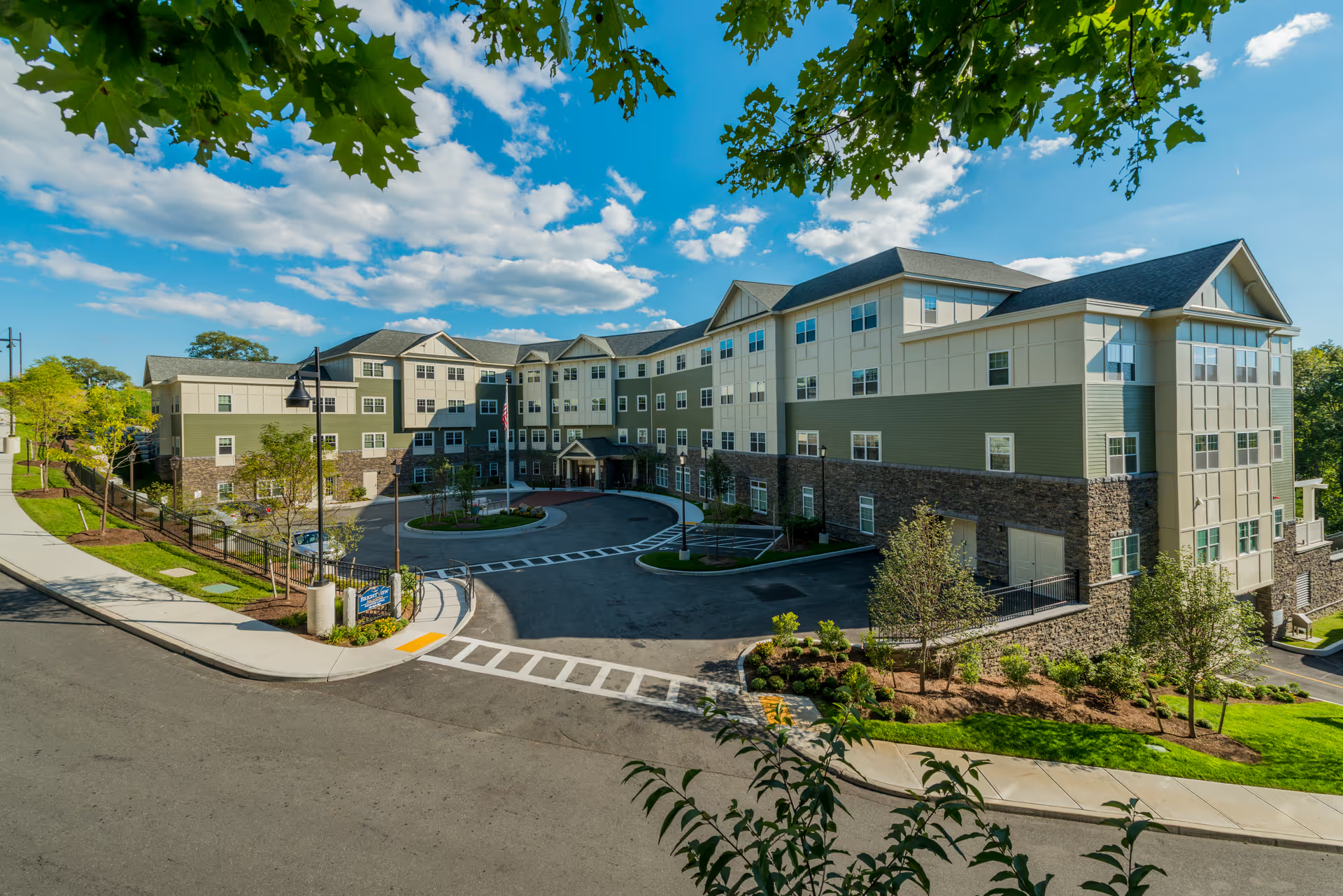
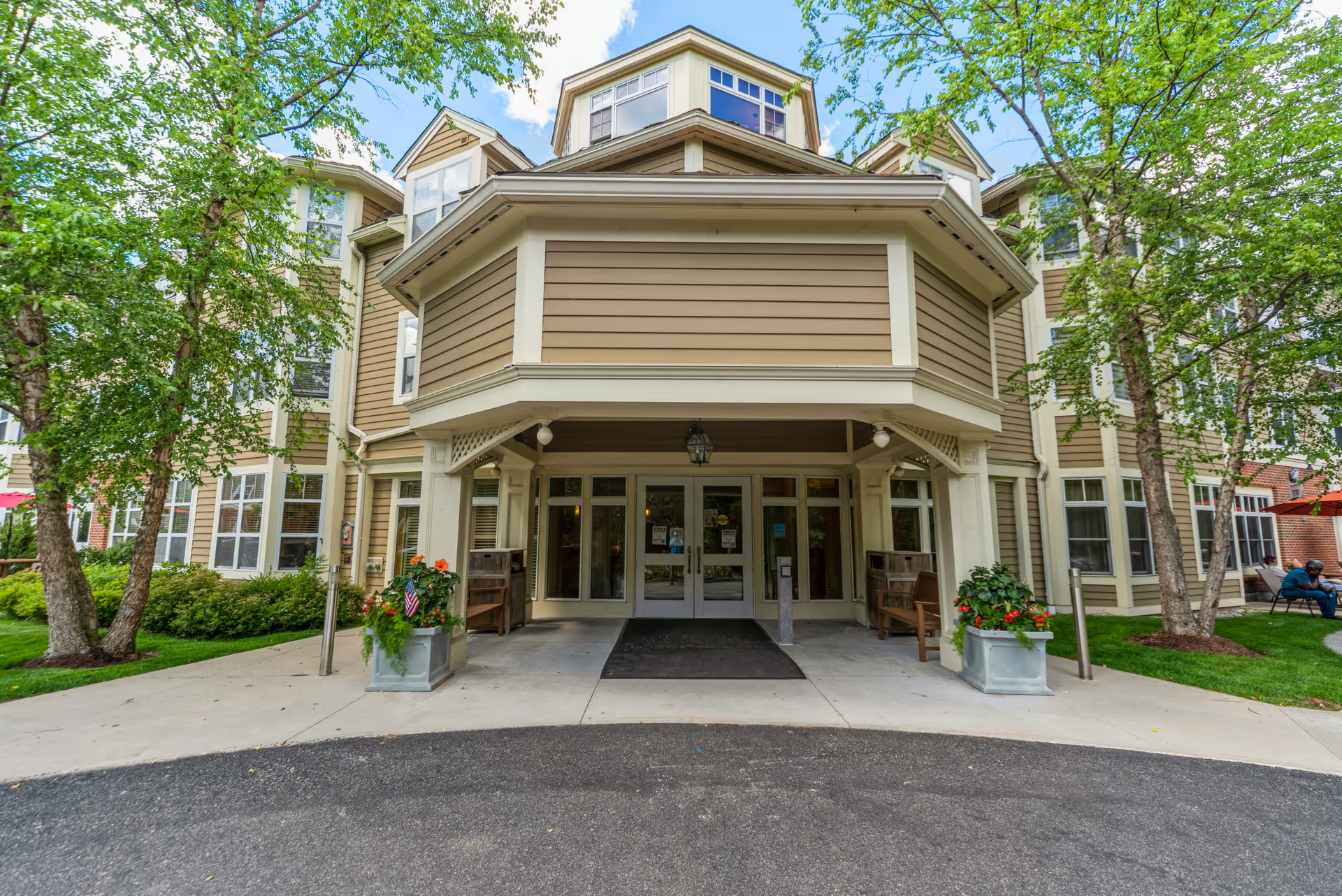
Descriptions of the building and housekeeping are mixed. Many reviewers call the facility clean, comfortable, or recently improved, while others raise concerns about room cleanliness, odors, pest control, and maintenance. Reports of elevator problems and concerns about sanitation in stored personal belongings also point to areas that families may wish to assess during a visit.
Management and communication draw both praise and criticism. Positive accounts describe smooth admissions and transfers, collaborative care planning, appointment coordination, and family updates, including virtual visits during the pandemic. Other families report unanswered calls, inconsistent follow-through, and concerns about communication tone. Individual accounts also raise serious questions about clinical-incident response, medication or allergy safeguards, hospice coordination, and discharge support. These claims should be treated as individual accounts rather than established facility-wide practices; prospective residents and families may want to ask how concerns are escalated, how care plans and services are documented, and how dietary and safety needs are tracked.