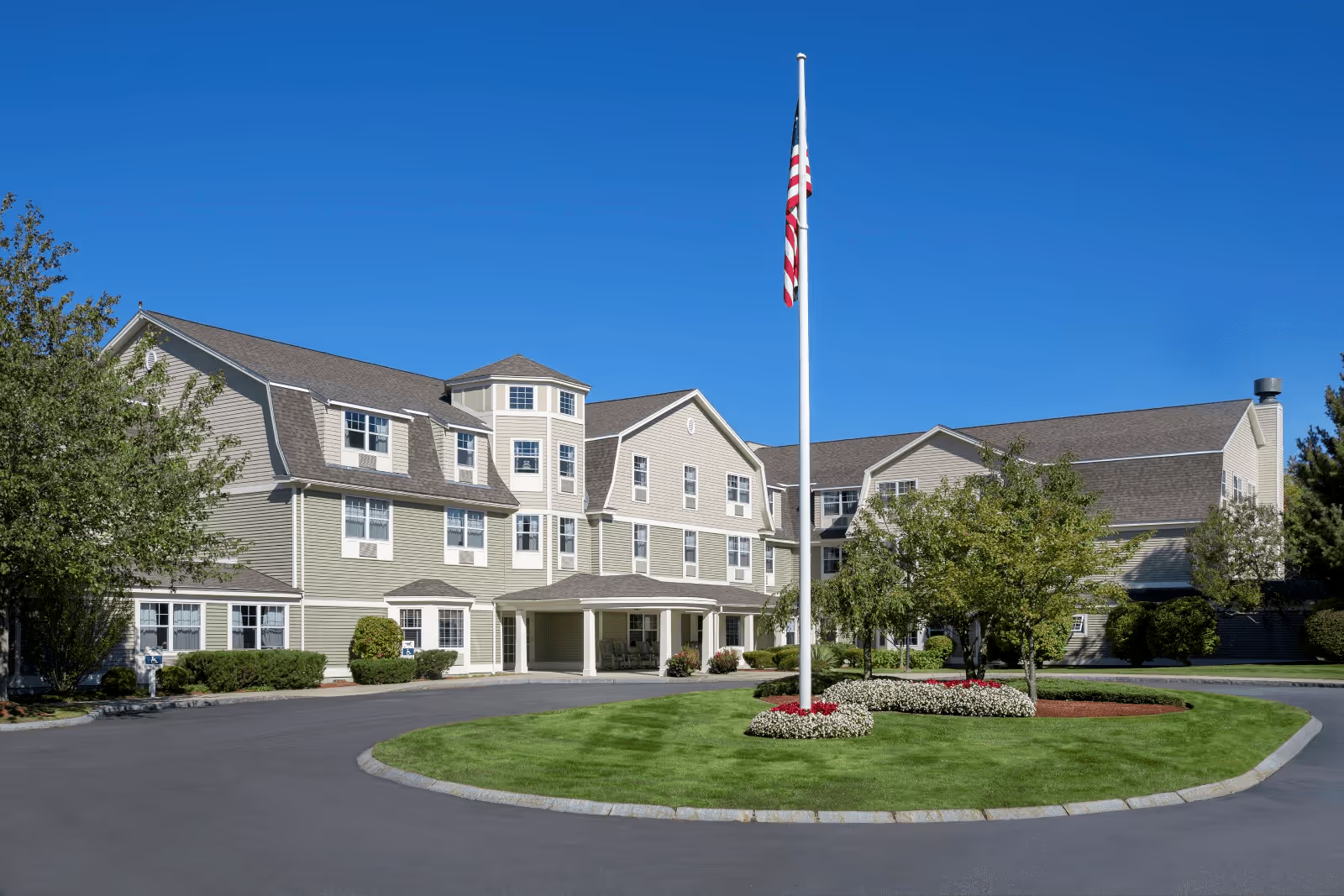
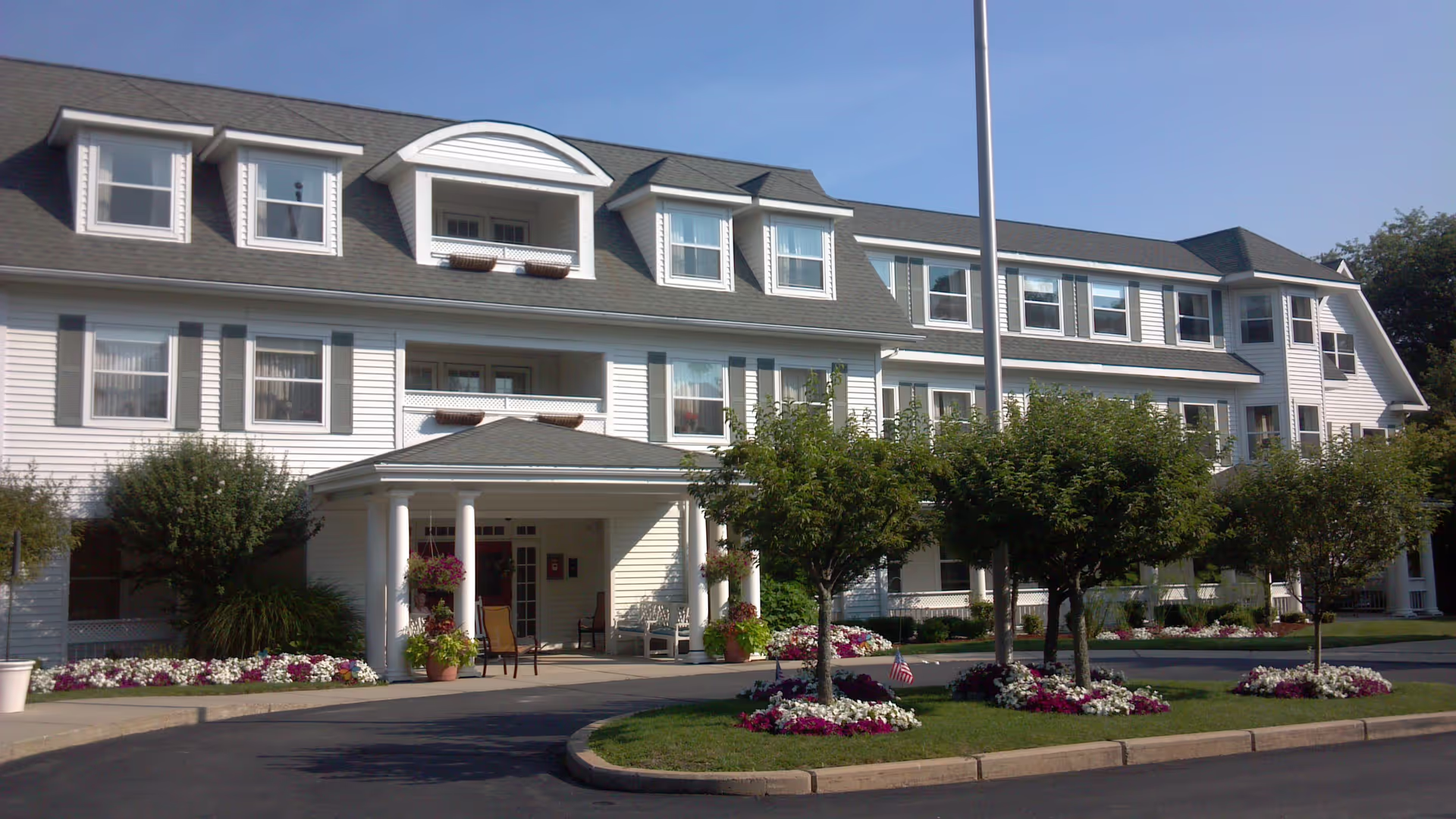
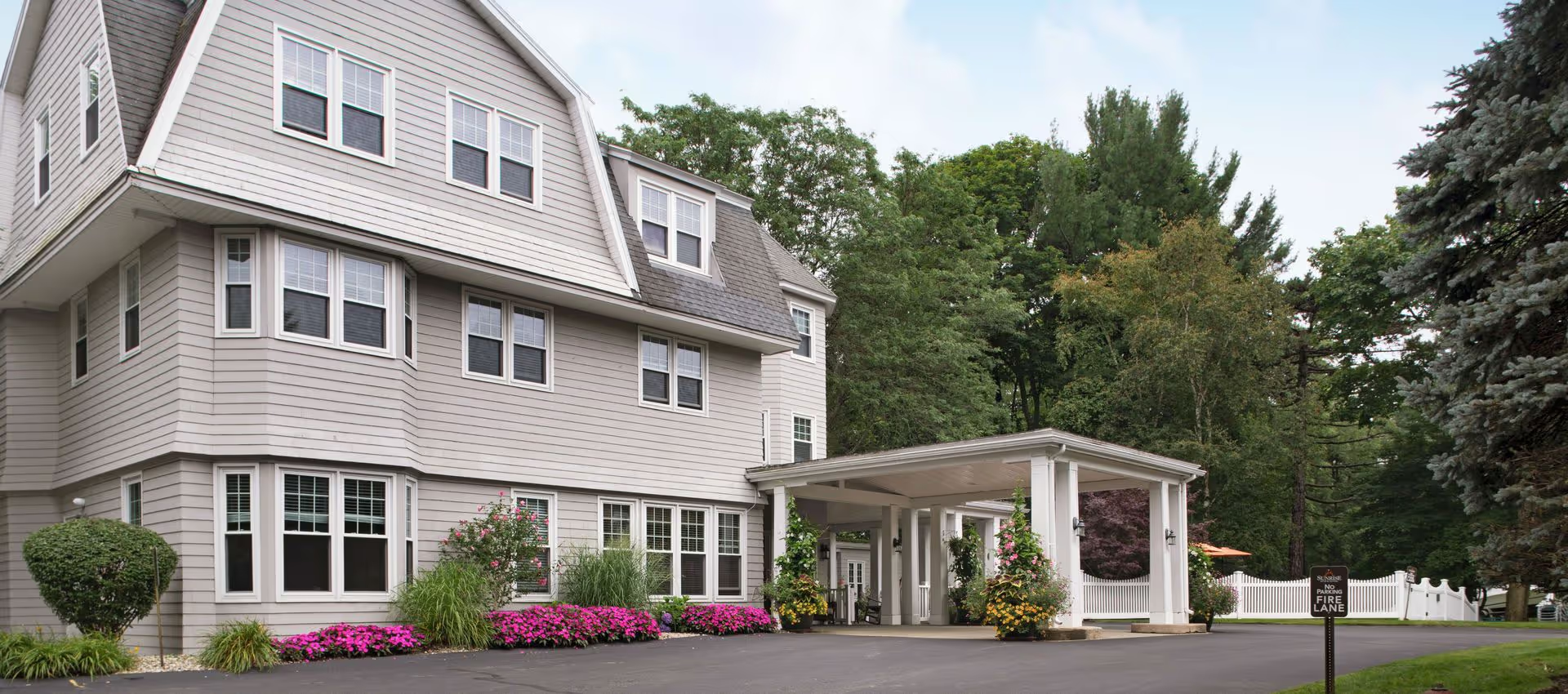
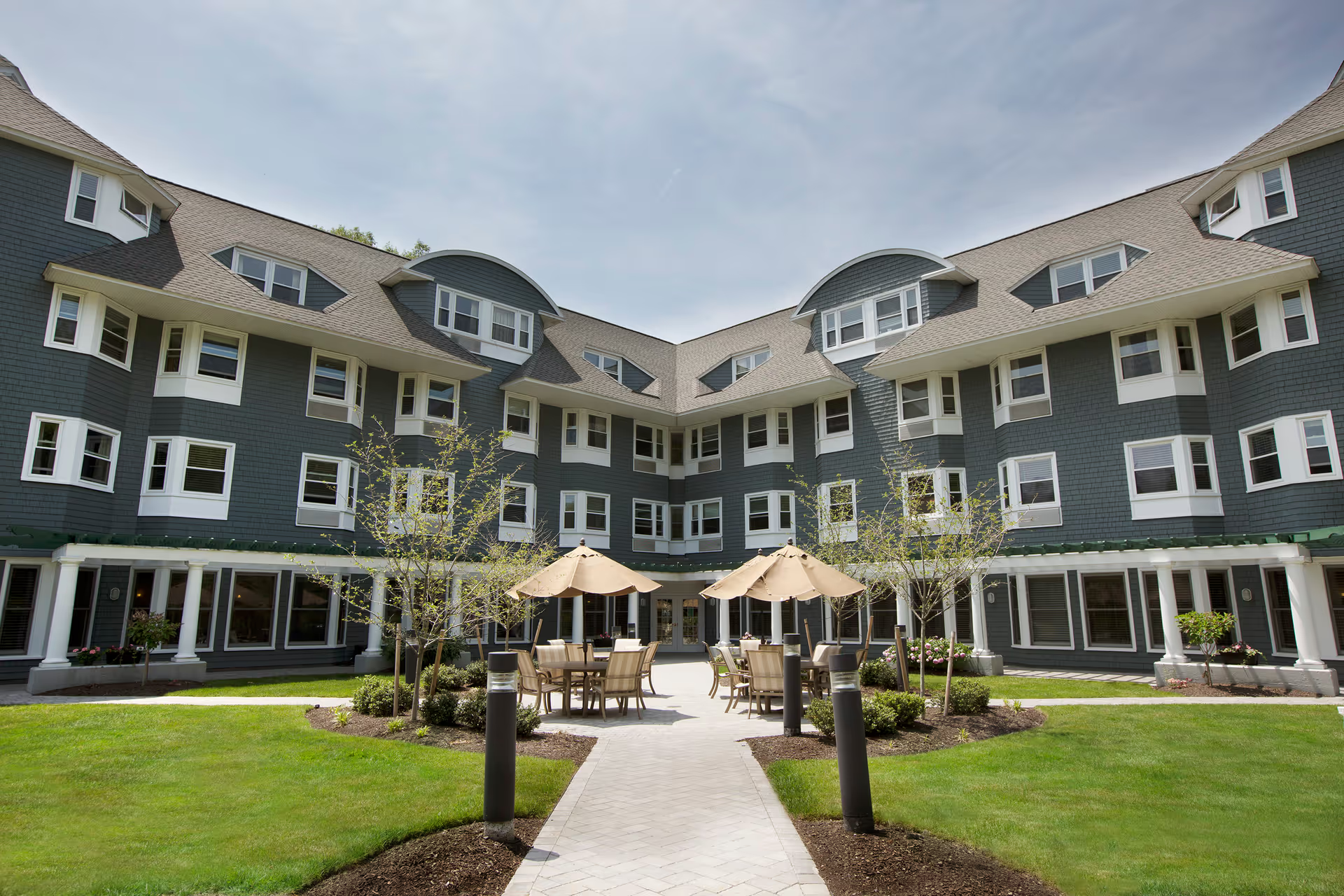
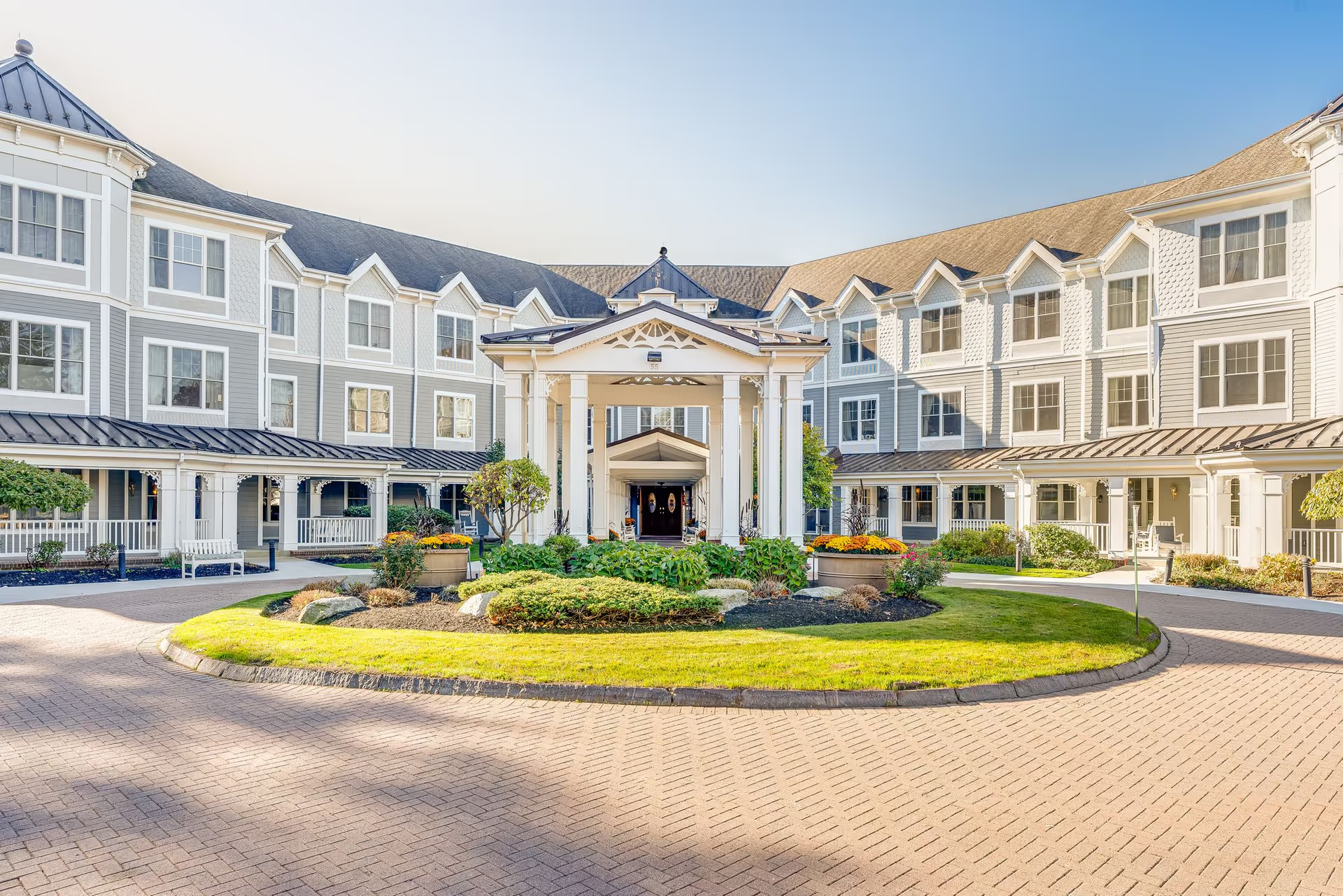
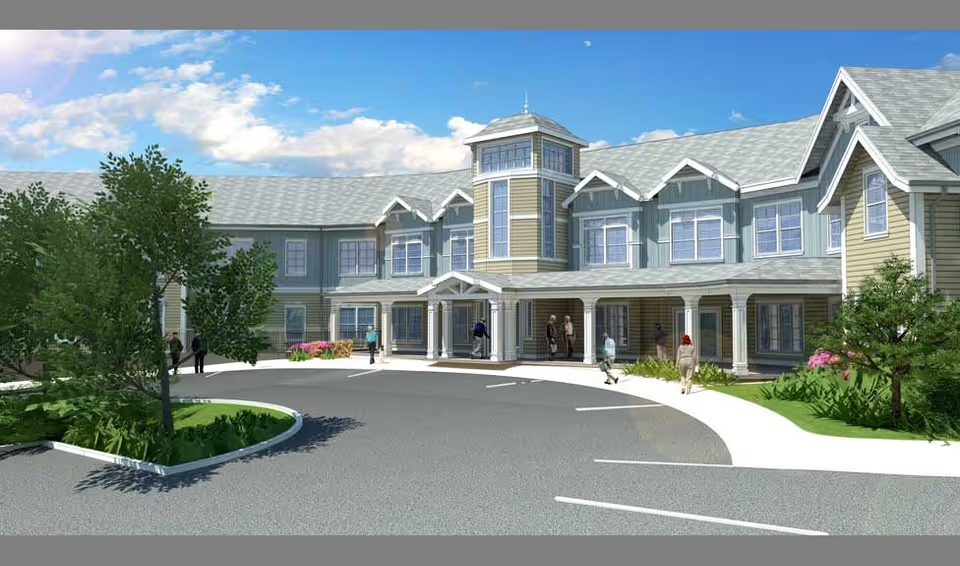
Seasons of Danvers is consistently described as a small, single-level community with a resort-like aesthetic and strong emphasis on memory-care programming. Reviewers frequently praise the bright, well-kept interior, central garden/courtyard and outdoor amenities, and private, comfortable resident rooms. The building layout and single-floor design are repeatedly noted as convenient and appropriate for residents with mobility or cognitive limitations.
Staff and direct care are among the most prominent strengths. Many families describe a warm, family-like atmosphere where caregivers, activity staff, kitchen personnel, and front-desk employees demonstrate familiarity with residents and engage personally. Low core staff turnover is cited alongside named staff and leadership (for example, activity and kitchen personnel) who receive repeated commendation. Clinical care in the memory-care unit and dementia-focused programming are often described as thoughtful and well-matched to resident needs; several accounts describe residents who have stabilized or thrived after admission.
Dining and hospitality are strong points in the community profile. Multiple comments reference elegant dining service, varied menus, and positive food quality — including specific praise for meals and seasonal offerings. Activities are extensive and adaptable: reviewers report a broad slate of options (music, arts, fitness, ballroom dancing, sewing, excursions, themed parties, ice cream socials) and an activities team that modifies programming to resident interests. The community’s emphasis on social engagement, outings, and sensory/memory-focused events is a recurring positive theme.
Facility maintenance and amenities receive consistent praise. Reviewers note immaculate common areas, attractive public spaces, well-kept landscaping, and a bright, open interior. The courtyard and outdoor gathering spaces are regularly highlighted as important assets for resident quality of life.
At the same time, there are meaningful operational concerns that prospective families should weigh. Several reviewers describe variability in day-to-day care that they attribute to reliance on agency caregivers and inconsistent training. These factors are linked to uneven caregiver competency, inconsistent staff identification (missing name tags), and variability in clinical attention across shifts or units. A subset of families described shortcomings in management responsiveness, training oversight, and in how incidents were handled and communicated to families — concerns that, while not the dominant tenor of reports, are significant because they relate to clinical oversight and family trust.
Overall, Seasons of Danvers presents as a well-appointed, activity-rich community with many examples of attentive, compassionate core staff and strong memory-care programming. However, prospective residents and families should ask specific questions during tours about staffing models (use of agency staff versus permanent hires), staff training and supervision protocols, incident-response procedures, and how respite or unit placement decisions are made. Those inquiries will help clarify whether the community’s consistently praised hospitality and programming are matched by reliable, consistent clinical oversight for an individual resident’s needs.