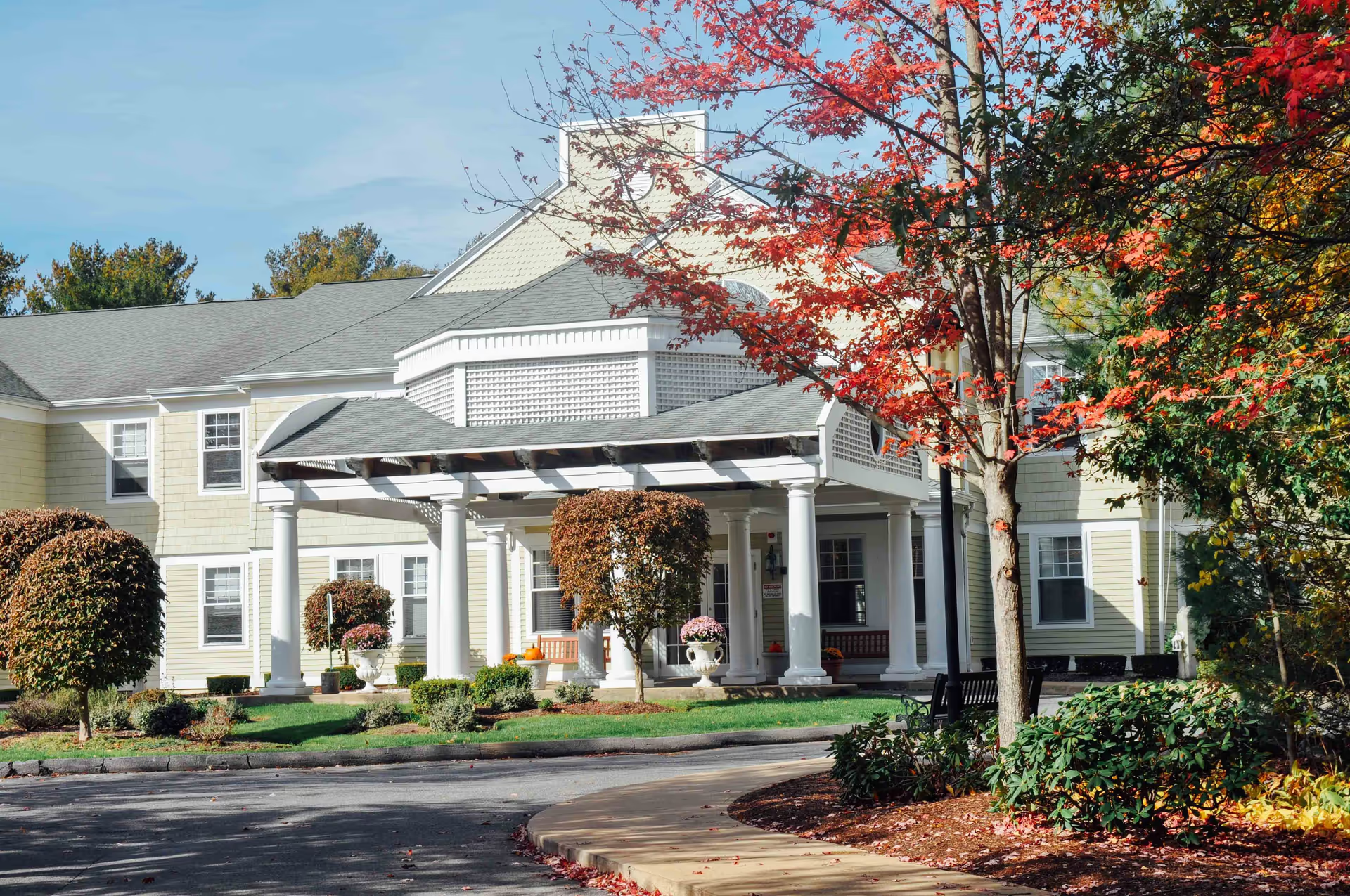
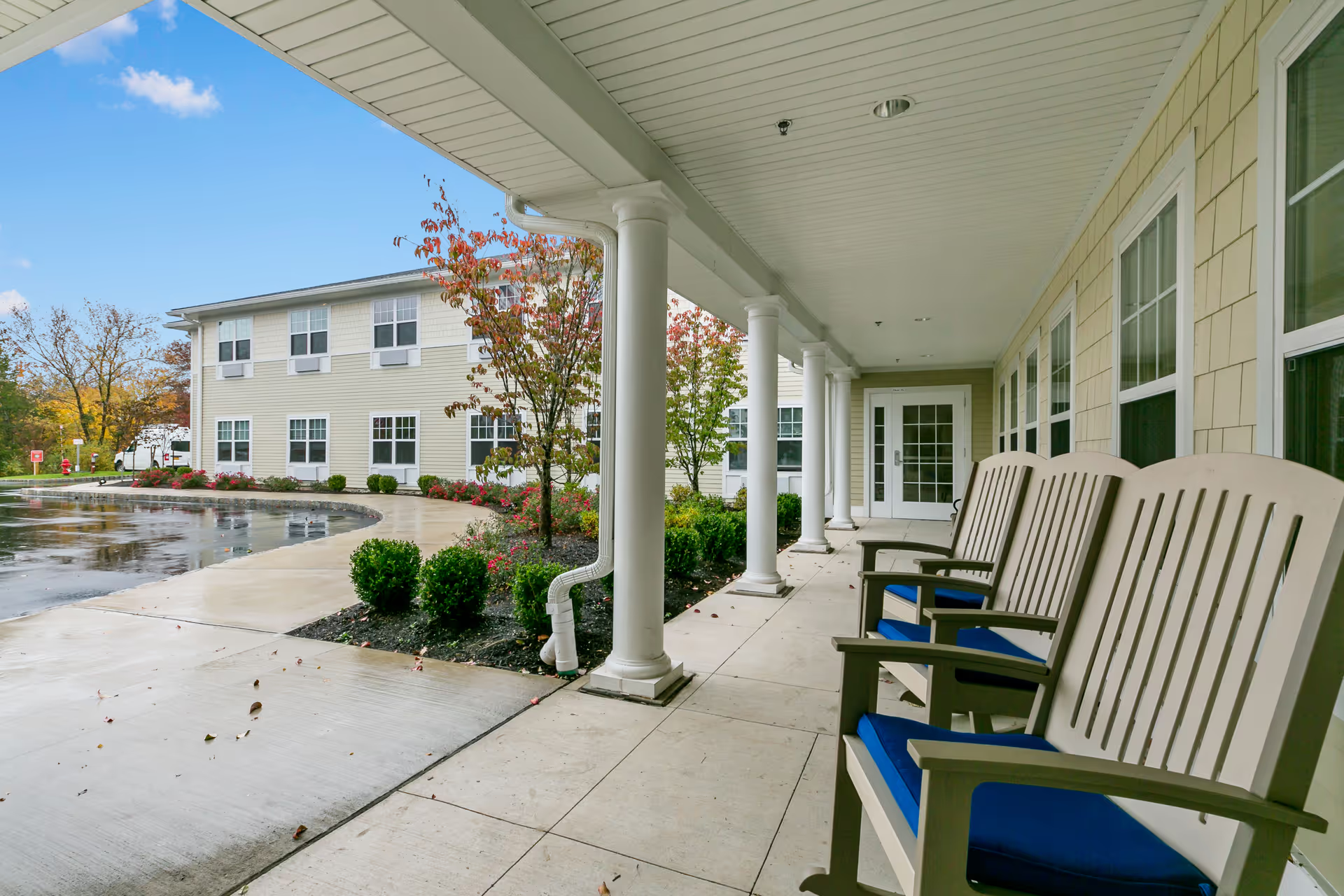
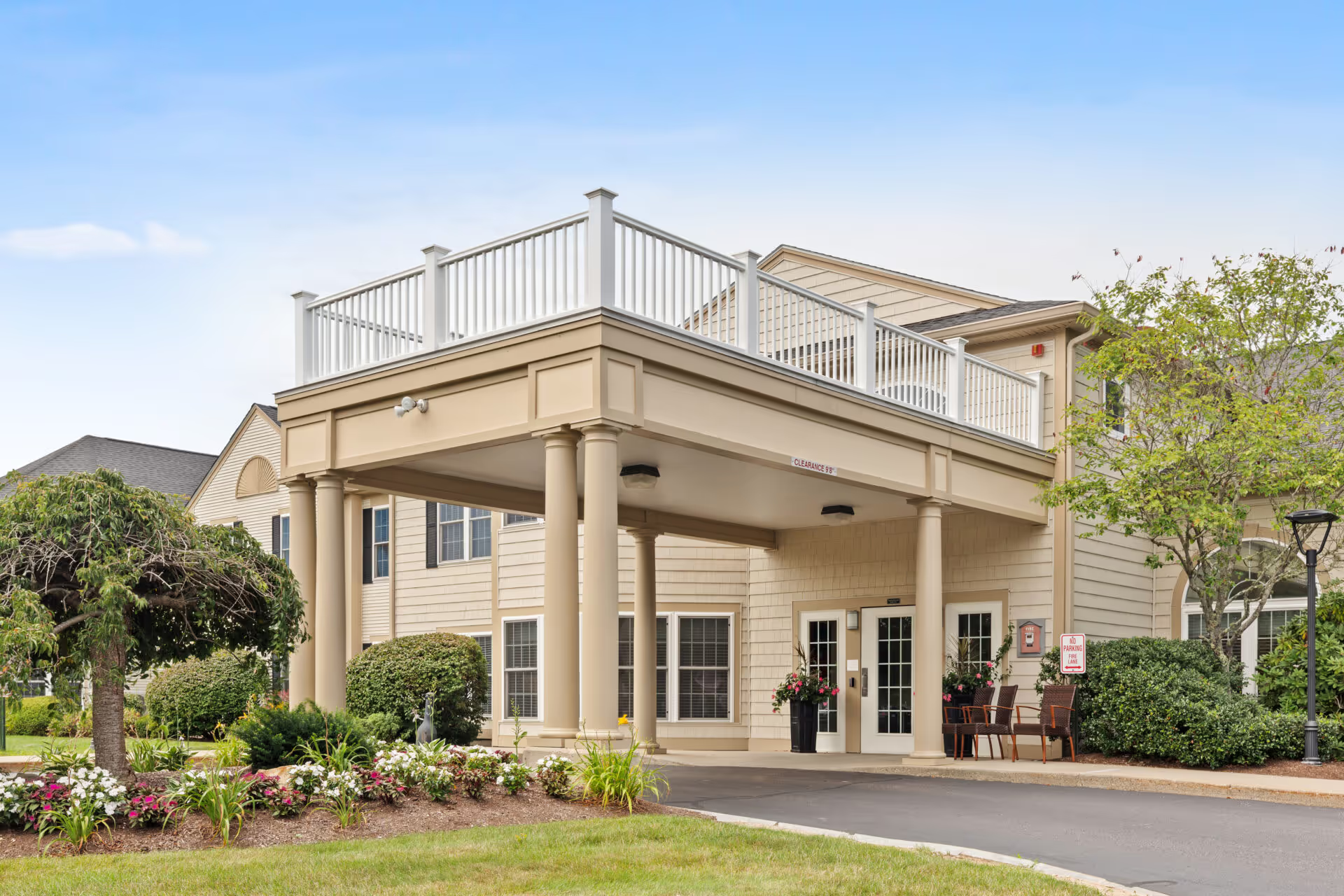
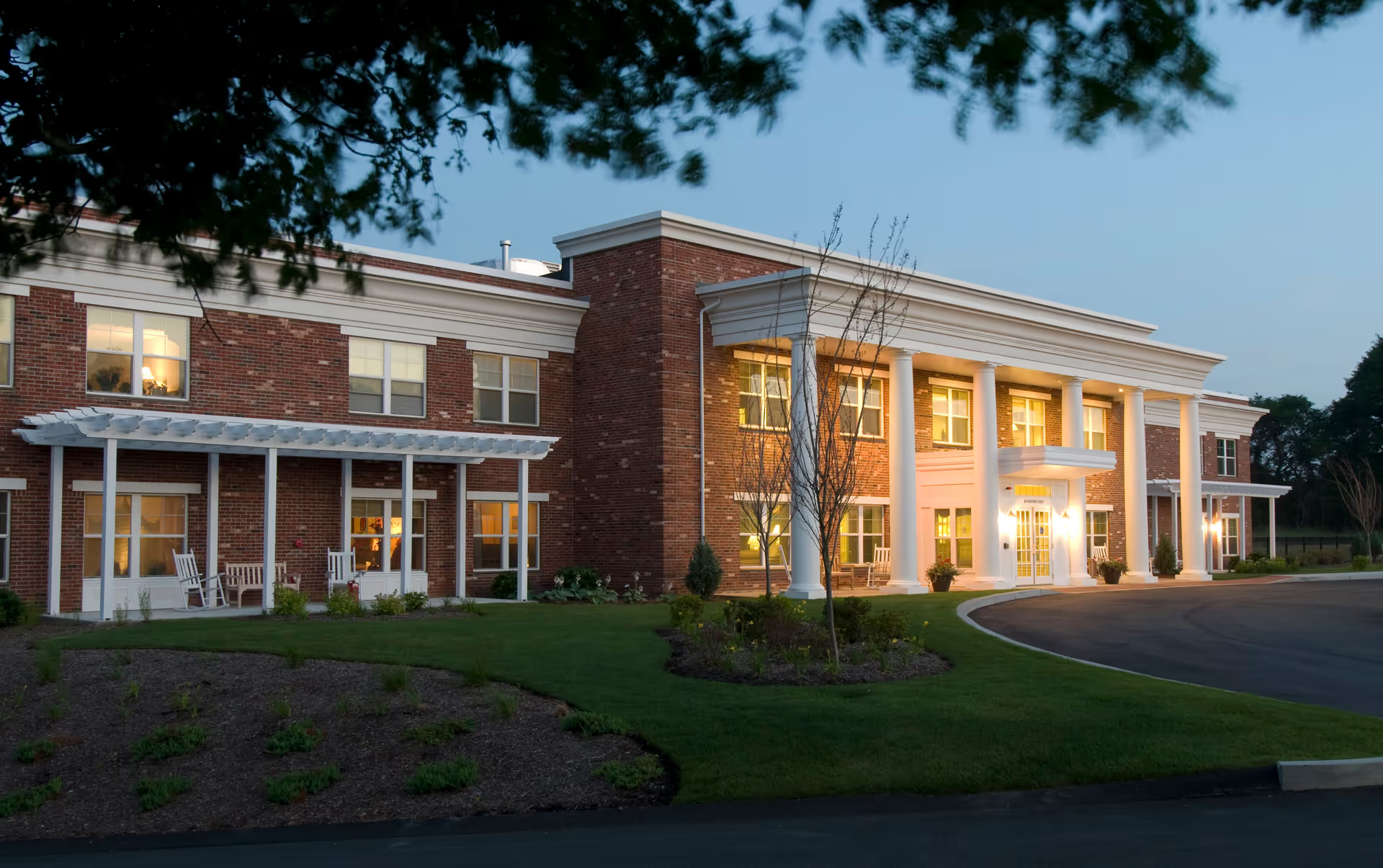
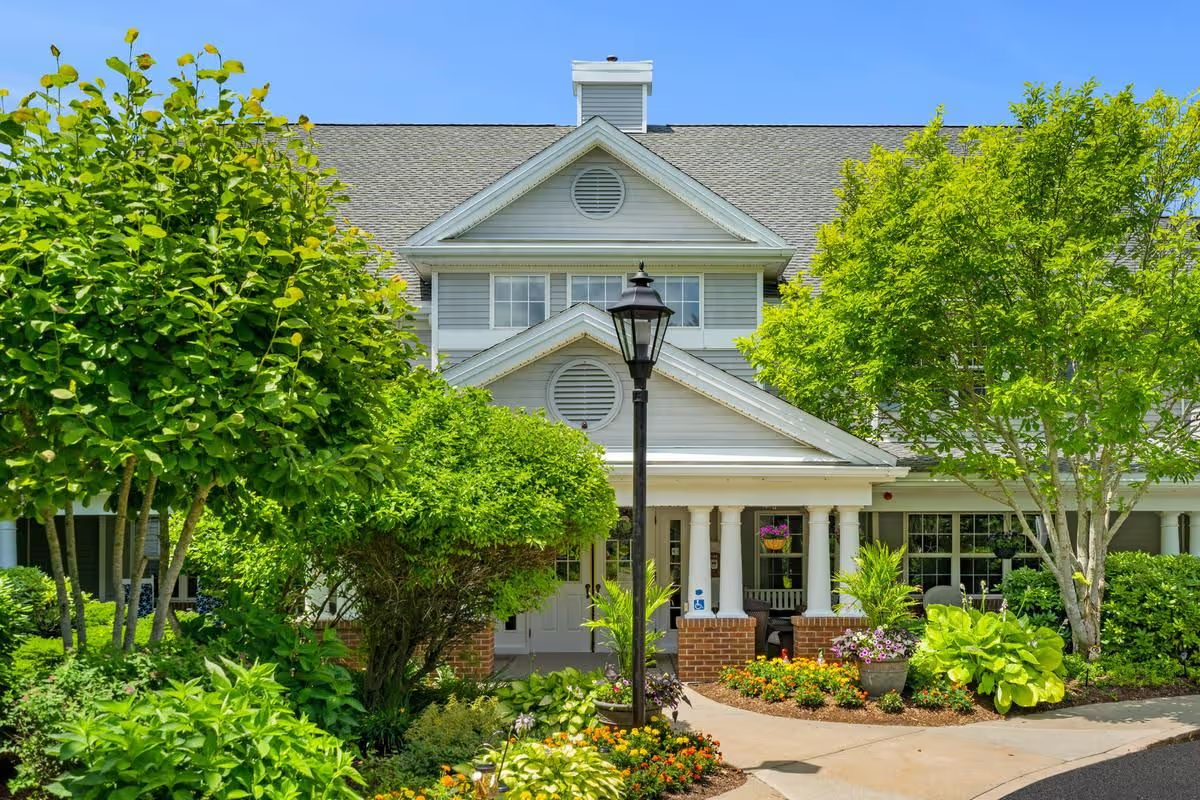
Feedback for the facility is mixed, with consistent praise for frontline caregivers and the physical environment alongside recurring operational concerns. Positive accounts emphasize a clean, well-maintained building in an attractive natural setting, comfortable single-floor rooms, an inviting courtyard, and appealing dining/activities spaces. Many families highlight compassionate CNAs and aides, professional nursing staff, engaged administrative personnel, and strong on-site rehabilitation services (PT/OT). Meals are frequently described as high-quality with multiple options, and the facility’s activities program and evening offerings are noted as lively and stimulating.
Care quality appears to vary by shift and unit. While numerous families describe attentive, skilled care and cases where therapists and nursing staff exceeded expectations, other accounts point to chronic understaffing that contributes to long waits for assistance, delays in personal-care tasks, and reduced opportunities for engagement. Review content also raises concerns about documentation accuracy and medication management processes, which reviewers link to coordination problems and staff handoffs. Limited physician presence and episodic clinical oversight were also mentioned as contributing factors to variable care continuity.
Dining and activities are generally viewed as strengths: kitchen staff receive praise for meal quality and presentation, and the activity schedule is seen as active and engaging for residents. A smaller number of comments reference inconsistent meal temperature or missed hot meals. The facility’s rehabilitation and discharge-planning resources are frequently cited as beneficial for transitioning residents back to home settings.
The built environment and sanitation are commonly cited positively, but several notes indicate localized sanitation and pest-control concerns and maintenance shortcuts (for example, issues found near resident rooms or personal items). Infection-control practices and PPE compliance were raised as operational gaps in some accounts, and reviewers also described communication barriers—both in routine family updates and in scheduling plan-of-care meetings (including challenges for those who are hard of hearing during conference calls).
Management and organizational patterns are a central area of concern. Reviewers describe perceived leadership instability, gaps in accountability for staff conduct, high turnover, and limited flexibility around care-plan meetings. There are also references to billing and transfer constraints tied to payer policies and at least one allegation of irregular billing practices. Prospective residents and families should weigh the facility’s strong frontline caregiving, environment, and rehabilitation offerings against the potential for variable staffing, communication and documentation issues, and management-level weaknesses.
Recommendations for families considering this facility: conduct an in-person visit at different times of day and on different days, ask for current staffing ratios and typical physician coverage, review infection-control and medication-management protocols, observe meal service during mealtime, and request examples of recent care-plan meeting notes and billing procedures. These targeted inquiries can help assess whether the facility’s frontline strengths are supported by consistent organizational practices for the resident you are evaluating.