The Oaks receives a high volume of praise for its caregiving culture, rehabilitation services, and facility upkeep. Many families highlight compassionate nursing and CNA care, with several aides and therapists singled out by name for personalized attention. Therapy services (physical, occupational and speech) are described as effective and outcome-oriented; multiple accounts cite successful rehab that enabled return home. The facility’s wound-care capabilities and hospice support are also noted as strengths, with at least one dedicated nurse recognized for above-and-beyond clinical care. Admissions and administrative staff are often described as supportive and informative, and leadership visibility (shift check-ins) is appreciated.
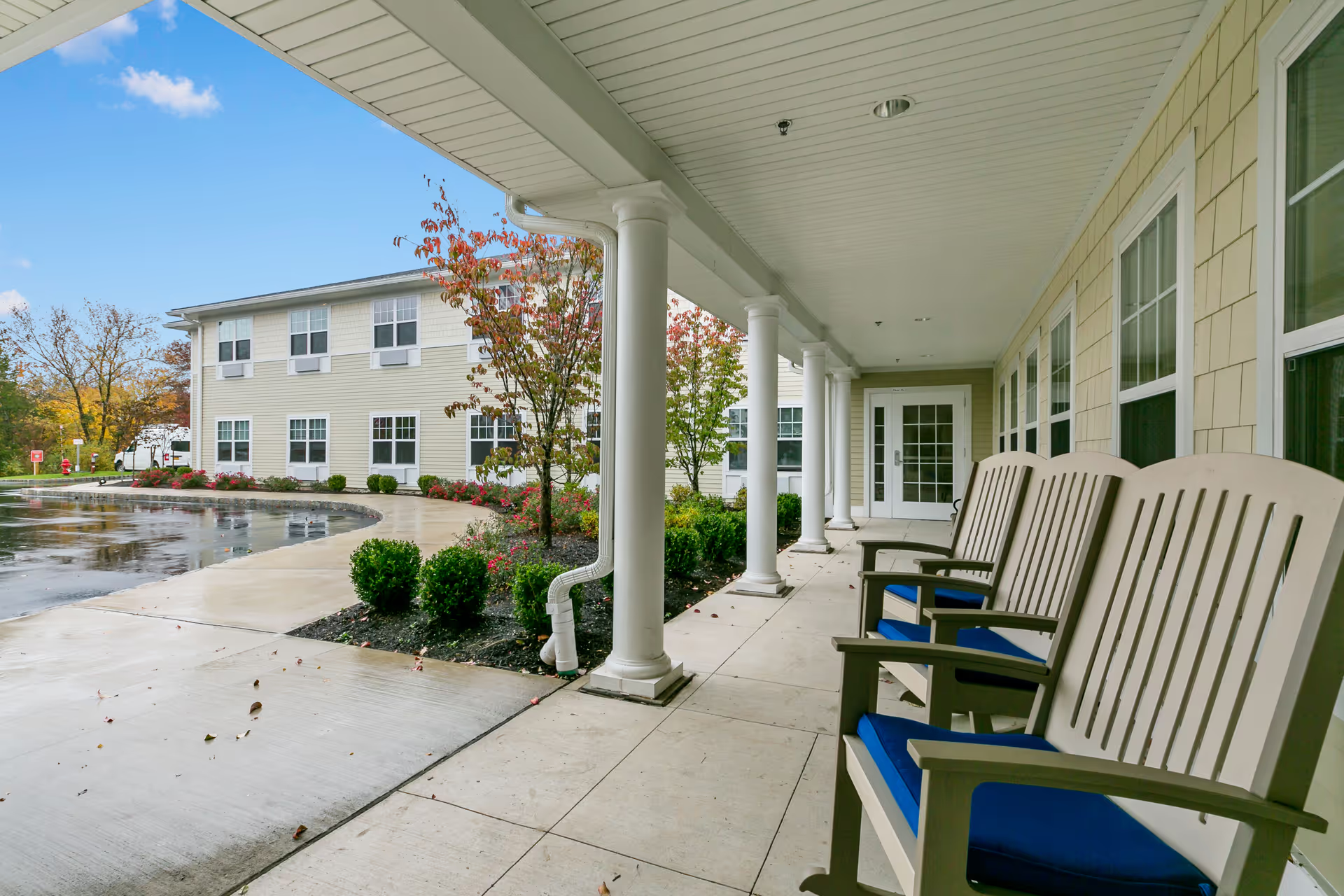
Dining and activities are recurring positives. Reviewers describe varied activity programming, themed events, and accessible communal spaces including game rooms, TV rooms, private rooms, a salon, and a snack/ice-cream shop. The dining program is generally well regarded for taste and dietary accommodation, and communal dining contributes to resident engagement. The campus and grounds are frequently described as clean, pleasant and quiet; overall sanitation and room cleanliness are commonly commended.
Despite these strengths, notable patterns of inconsistency appear across reviews. Care continuity varies between shifts: some families report attentive, proactive staff while others describe slow responses, especially on night shifts. Understaffing and delayed assistance at times are described as operational weaknesses. Several reviews raise concerns about medication management and pain-control practices; in a few instances these concerns are described in serious terms (including allegations about medication intensity in individual cases), which merits direct inquiry when evaluating placement. Additional operational gaps include inconsistent follow-through from administration on communications and billing, unclear rehabilitation discharge criteria and variable therapy session duration, and occasional unreliability in meal-service timing.
Practical operational issues also recur: some families describe problems with clothing and laundry handling and with personal-belongings management, suggesting the facility’s policies or practices in that area may need clarification. Other comments point to variability in staff conduct and tone, and some areas or rooms are described as dated with small in-room televisions. While many visitors praise the welcoming front-desk and updated check-in procedures, a longer sign-in process has been noted following system changes.
Overall, The Oaks appears to deliver strong clinical and therapeutic care with a caring staff and active programming, but the experience can be uneven depending on shift and individual staff assignments. Prospective residents and families would be well served to ask specific questions about staffing ratios by shift, night-shift response procedures, medication-review processes, laundry and personal-belongings handling, therapy session length and discharge criteria, and how administrative communication and billing inquiries are tracked and resolved. These targeted questions can help align expectations with the facility’s many strengths and the operational areas that families most commonly flag for review.