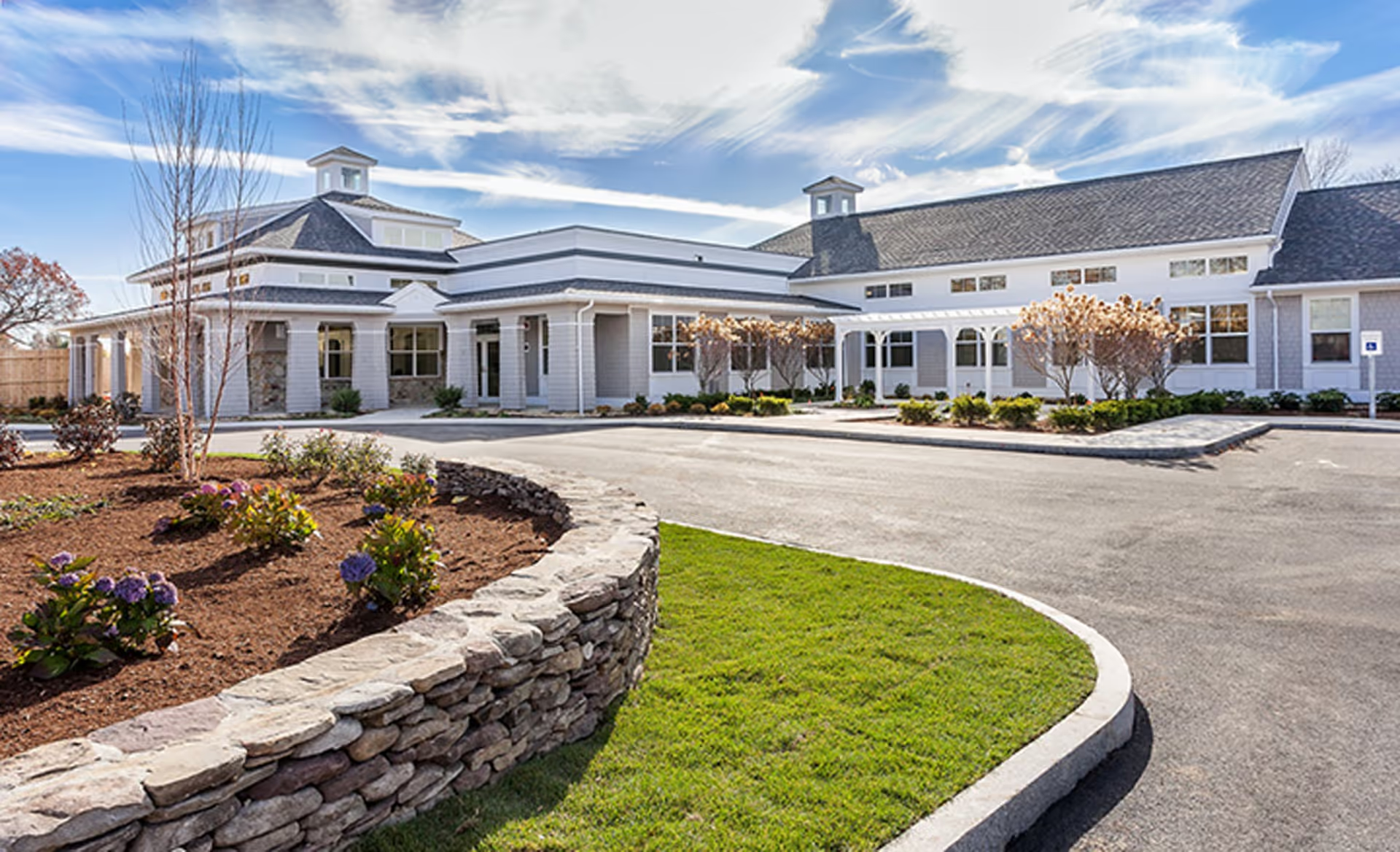
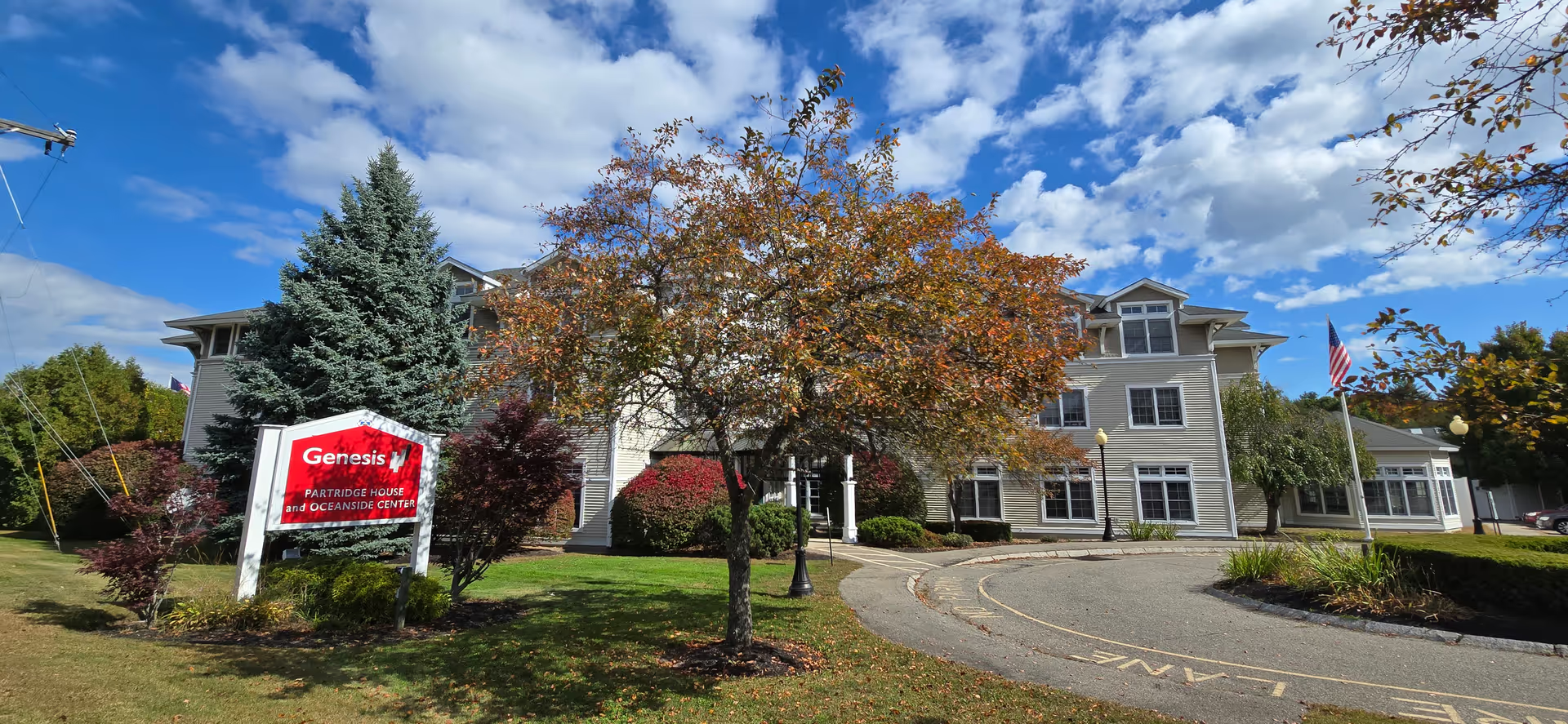
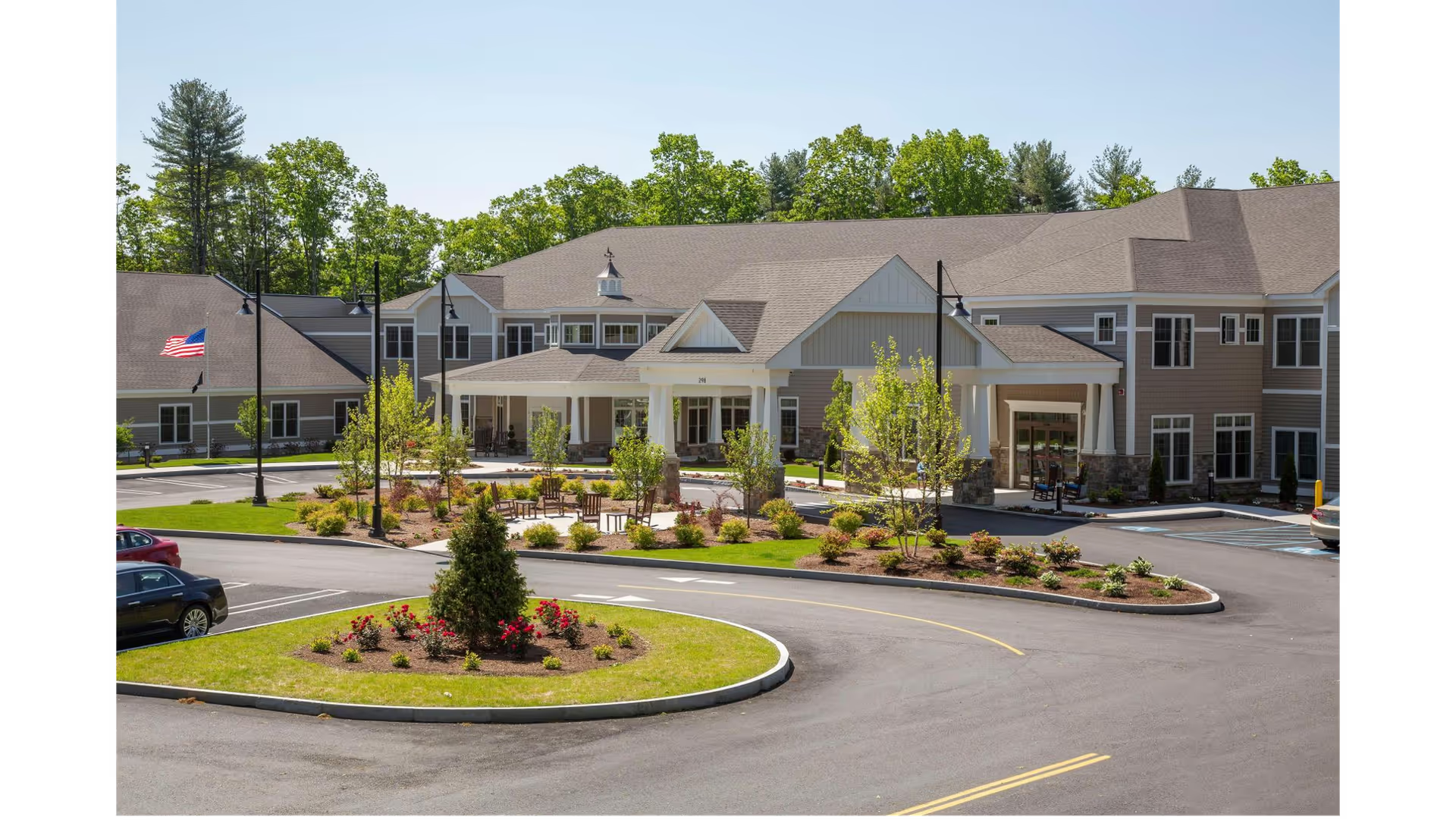
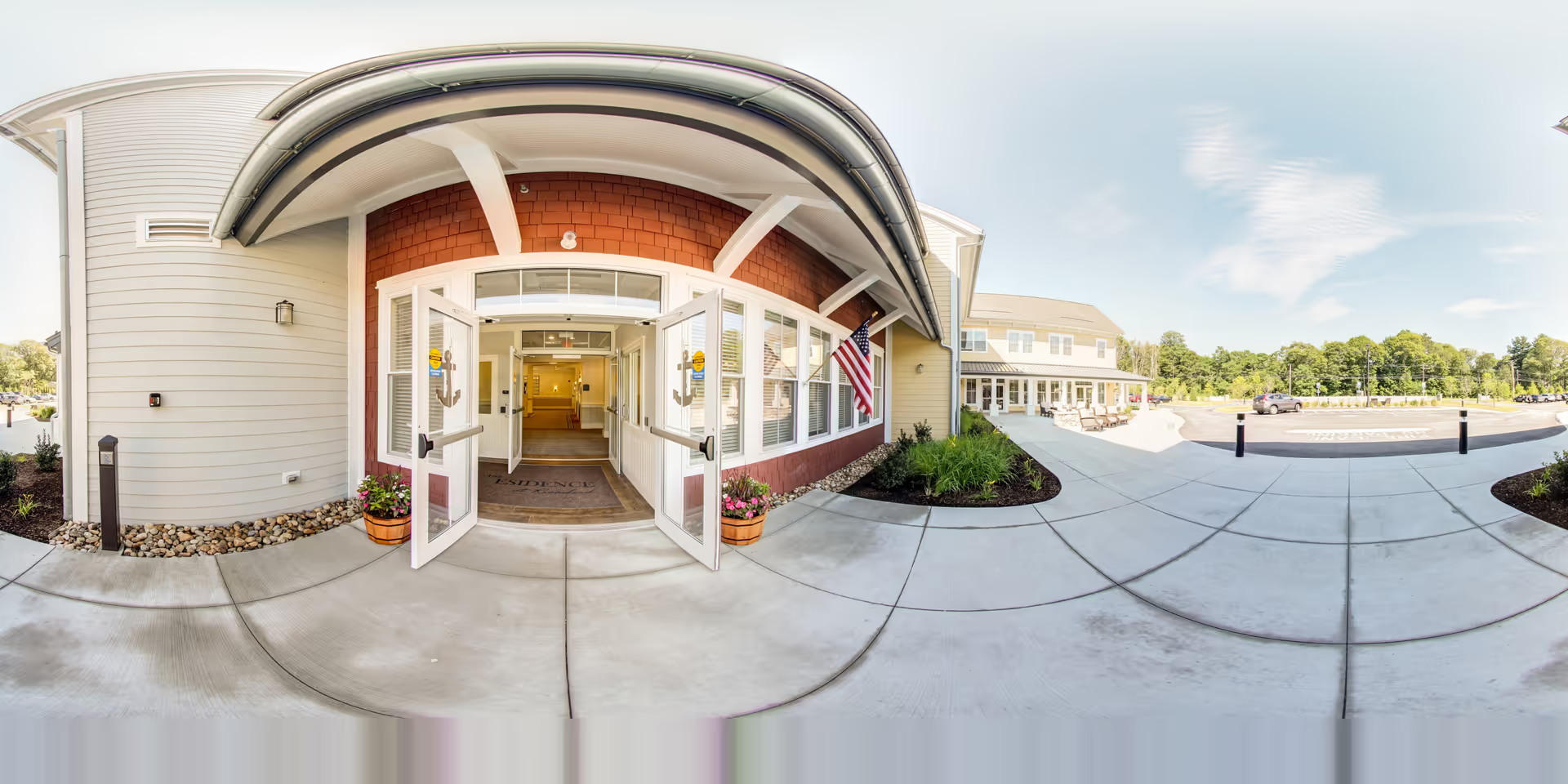
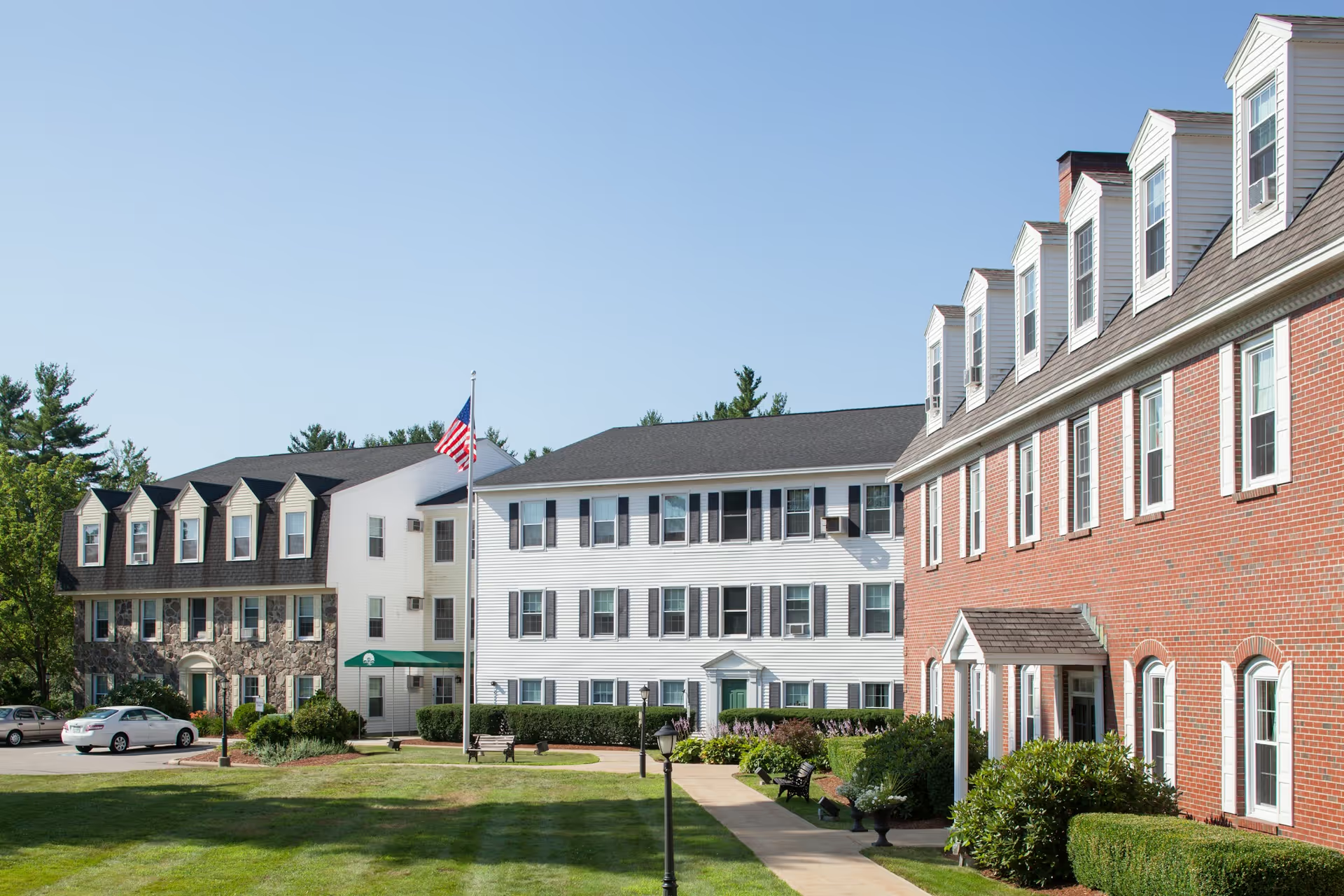
Port Healthcare Center elicits strongly polarized responses that cluster around two clear themes: a highly capable, compassionate caregiving and rehabilitation core, and operational inconsistencies that affect the resident experience for some families. Across many accounts, CNAs, nurses, therapists, and administrative admissions staff are highlighted for empathy, professionalism, and teamwork. Multiple families praised individual caregivers by name, described meaningful improvements in mobility and appetite under therapy, and experienced effective case management and transition from skilled nursing to longer-term care. The facility’s newer, hotel-like building, robust maintenance and housekeeping, and an active activities program consistently contribute to a welcoming environment for many residents.
At the same time, a distinct pattern of operational weaknesses appears across reviews. Staffing levels and responsiveness vary between daytime and night/weekend shifts, producing delays in assistance and inconsistent call-button response times. Several reviewers described inconsistent medication timing and pain-management follow-through; others noted limited on-demand access to therapy for certain admissions. Management communication and discharge-planning practices were also cited as problematic in multiple accounts, including short-notice vacate instructions and constrained appeal windows that families found disruptive.
Dining and nutrition receive mixed evaluations. Some families and residents praised varied, well-prepared meals and strong nutrition services that supported recovery. Others described declines in meal quality, temperature-control issues, and delays in kitchen engagement that resulted in unpalatable or cold meals. These mixed reports suggest that meal-service reliability fluctuates and may be tied to staffing or process variability on particular shifts.
Activities and the social environment are generally regarded as strengths: organized programming, warm staff participation, and proactive engagement foster a family-like atmosphere. The facility is noted repeatedly for cleanliness and modern aesthetics, though there are intermittent sanitation concerns and reports of missing personal items that point to occasional gaps in processes for laundry, inventory, or room setup.
For prospective residents and families, the consistent positives are the facility’s rehabilitation capabilities, individual caregiver commitment, and physical environment. The primary risks to monitor are variability in staffing and responsiveness, consistency of medication and care-plan adherence, meal-service reliability, and management communication around discharge and administrative decisions. Visiting during different shifts, asking for written care-plan and medication-administration protocols, and clarifying discharge/appeal procedures can help families gauge whether the facility’s strengths align with their needs.