Overall impression: Reviews present a mixed picture of care at the facility. Many families and clinicians praised the rehabilitation program, several aspects of the nursing team, and the physical environment; however, recurrent operational concerns — particularly around staffing, hygiene routines, and administrative responsiveness — appear in multiple accounts. Prospective residents and families are likely to encounter strong rehab services and comfortable accommodations alongside variability in day-to-day personal care and management practices.
Care quality and clinical services: The facility receives consistent praise for its physical and occupational therapy teams, which are described as thorough, goal-oriented, and effective at producing smooth recoveries. Nursing staff and aides are frequently characterized as caring and attentive in many accounts, and there are multiple notes of appreciative follow-up calls after discharge. At the same time, several reviews raise concerns about inconsistent personal-care delivery (for example, bathing and toileting support), delays in attending to resident needs, and gaps in skin-integrity or pressure-injury prevention. Those latter issues are serious clinical priorities; the reviews indicate families should verify protocols for repositioning, skin checks, and wound-prevention on admission and during visits.
Staff, professionalism, and communication: Accounts vary considerably. Numerous families describe respectful, empathetic staff and clear communication, while others cite unprofessional conduct, poor responsiveness to callback requests, and administrative dismissiveness. Understaffing is a recurring theme that helps explain reports of overworked aides and infrequent personal care. For particularly serious claims — including concerns following a resident's death and allegations related to documentation and incident handling — families should ask facility leadership about incident reporting practices, escalation pathways, and transparency measures before committing.
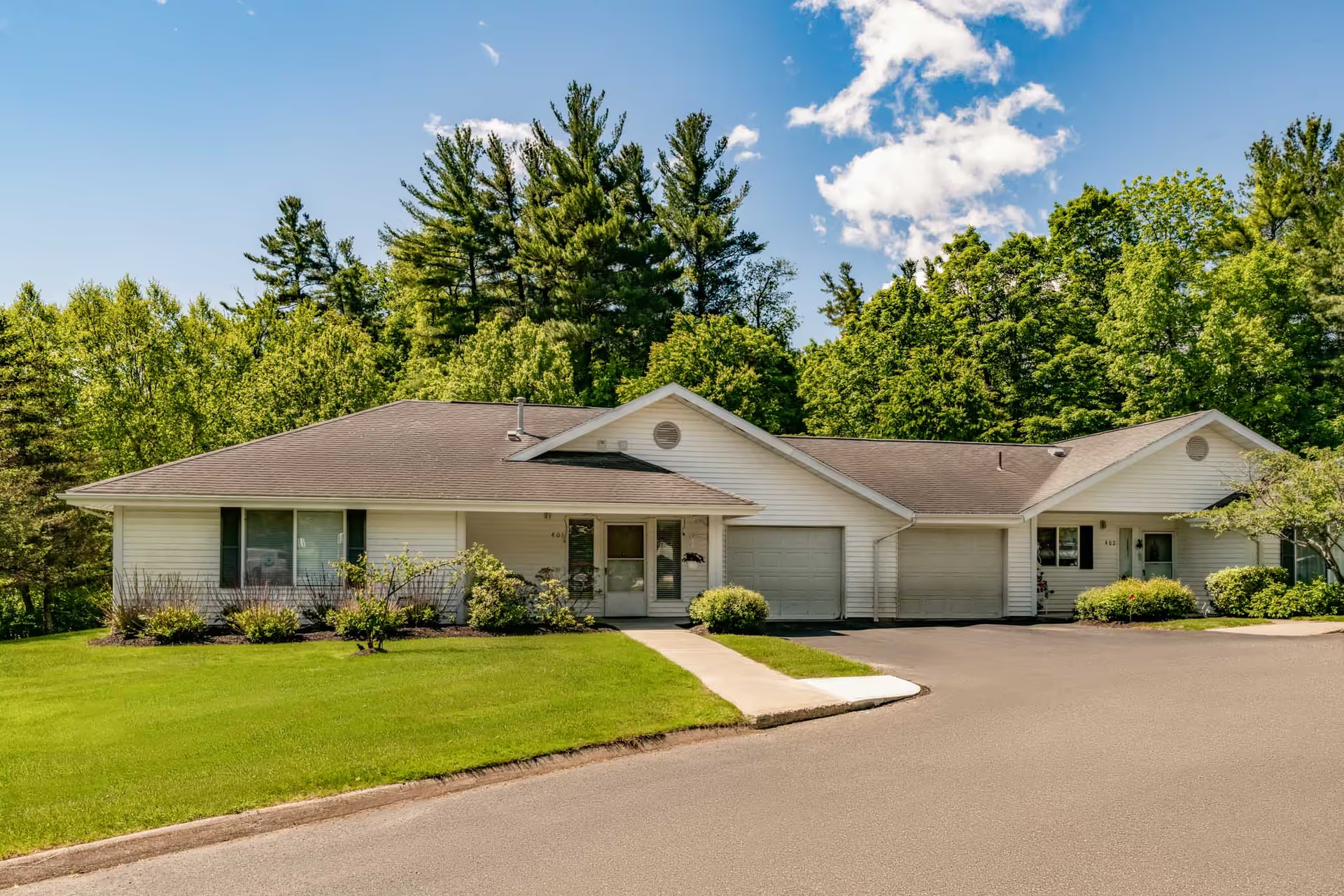
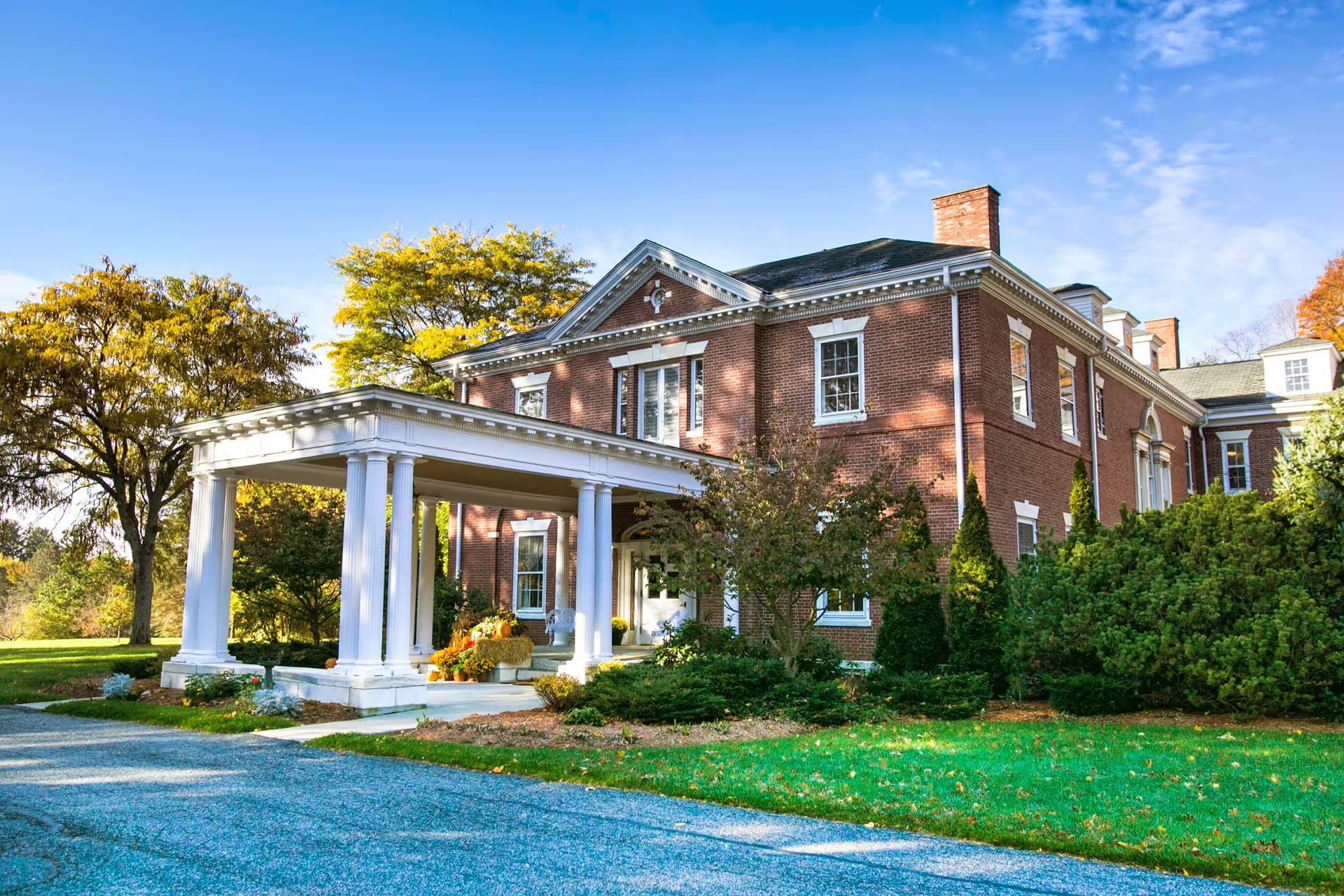
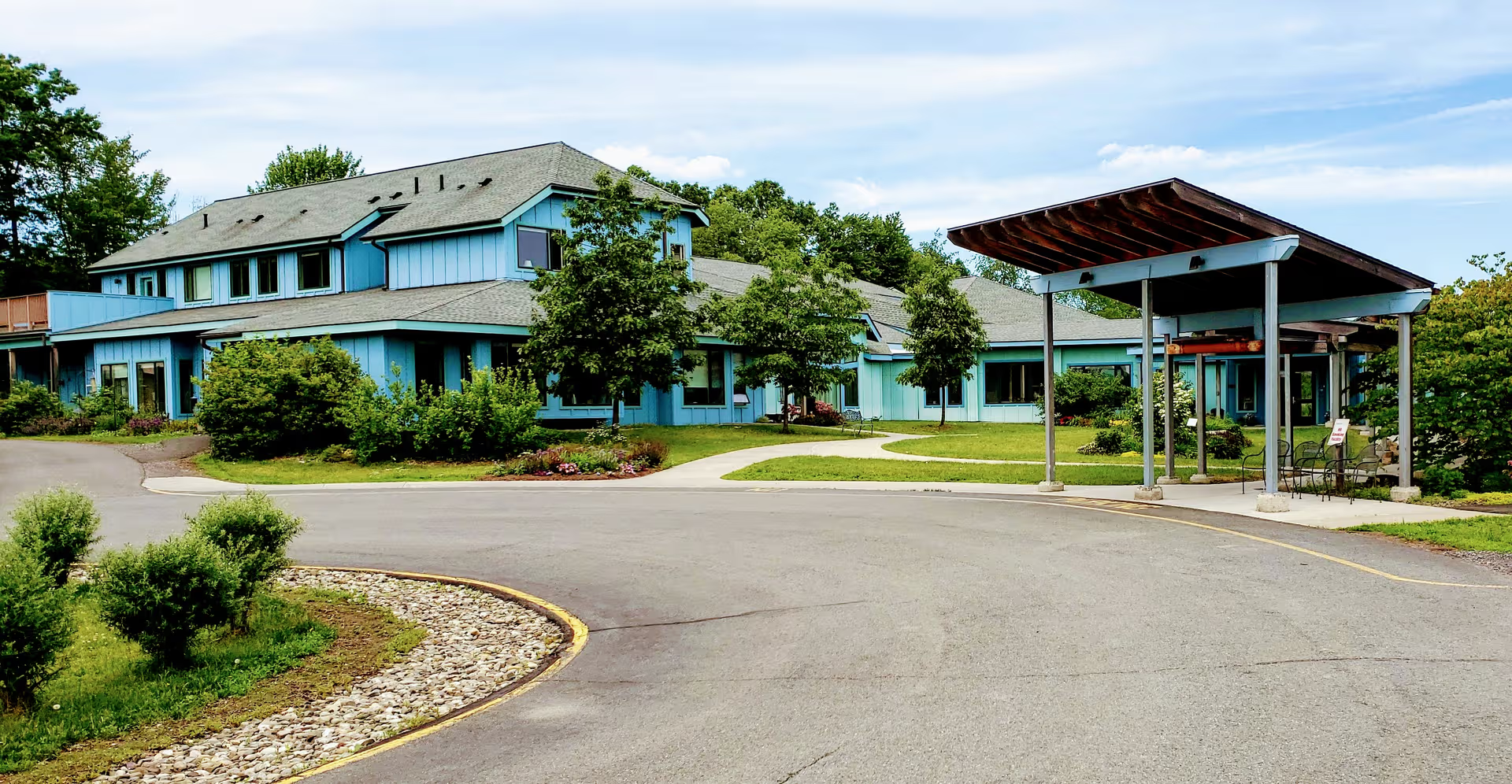
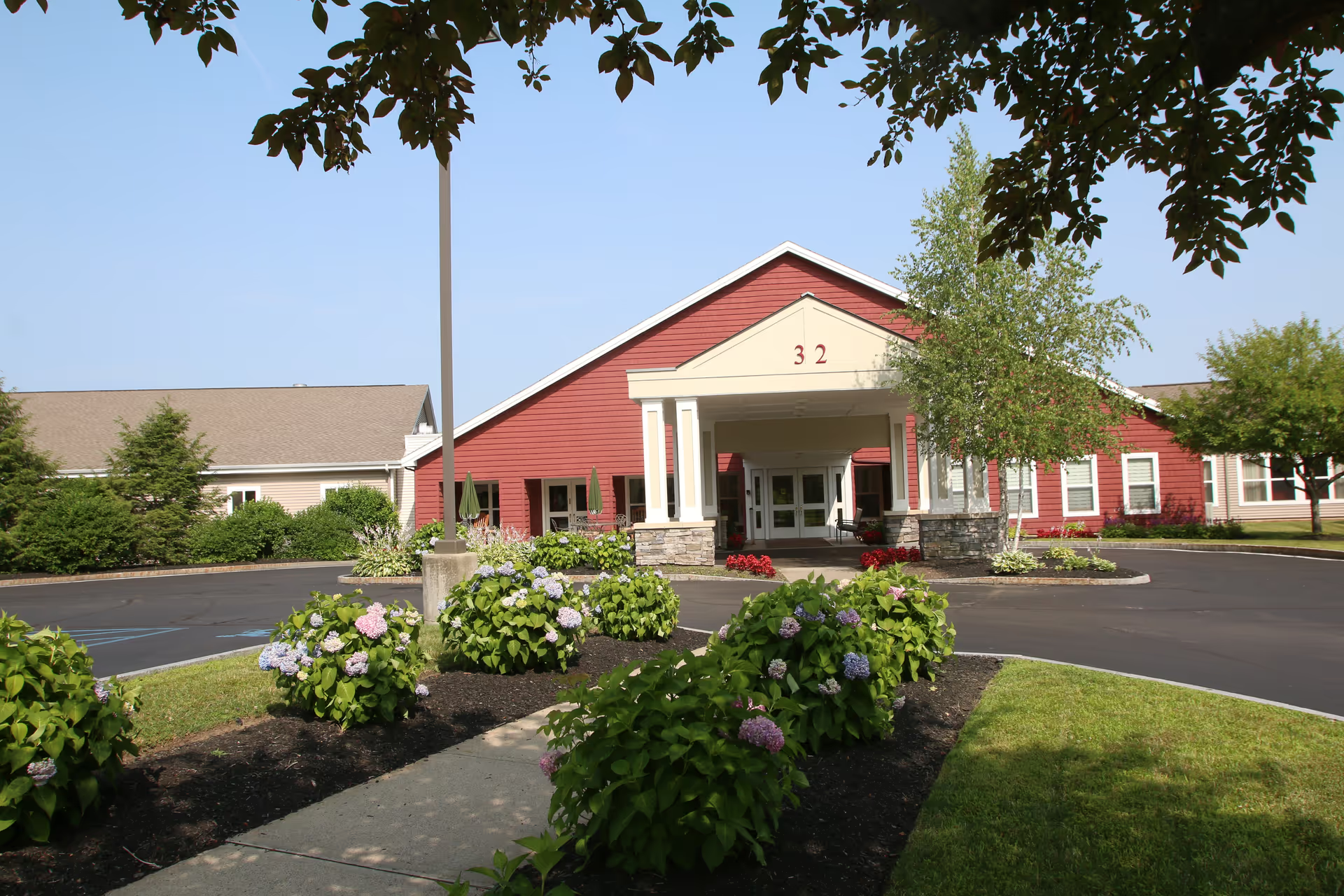
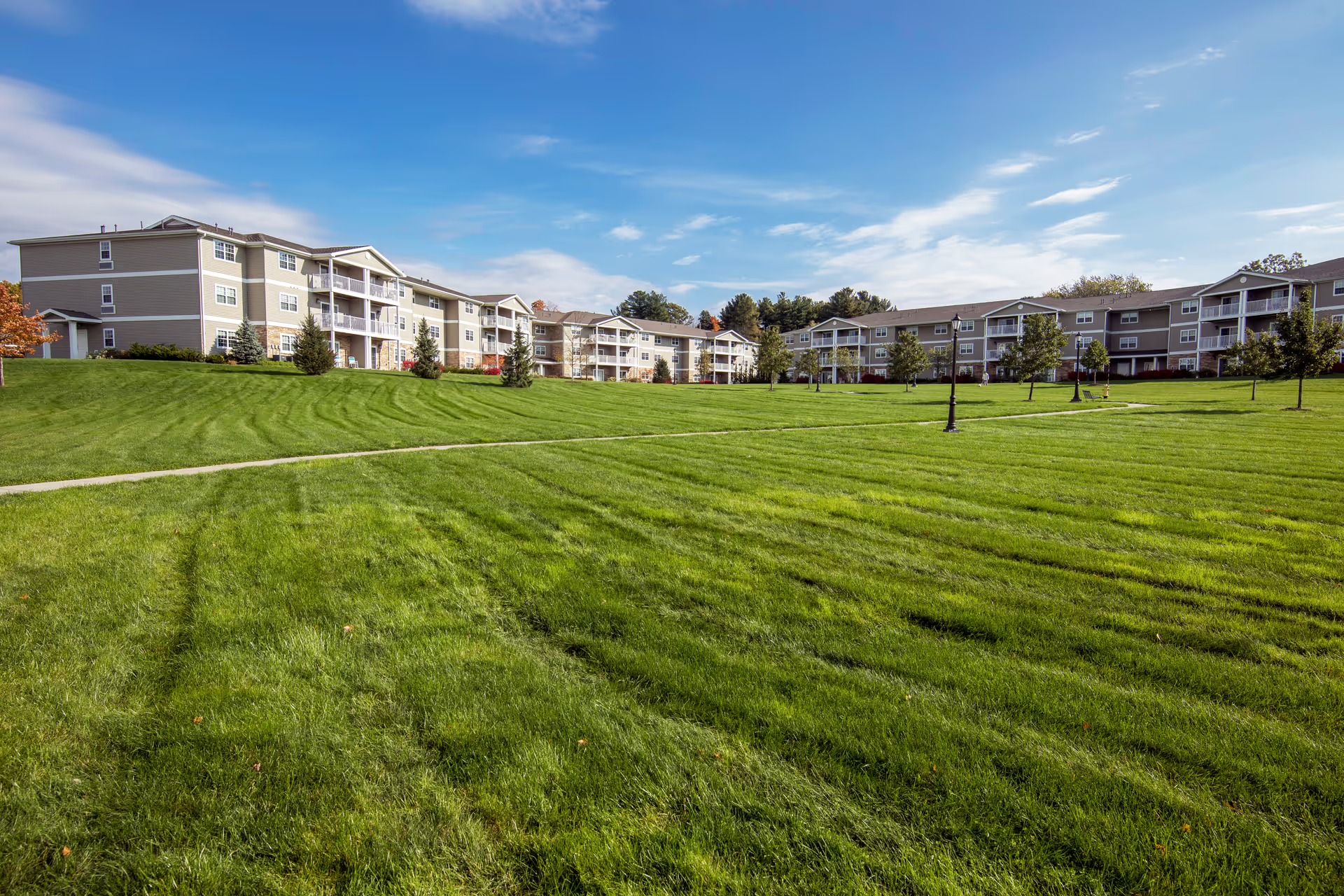
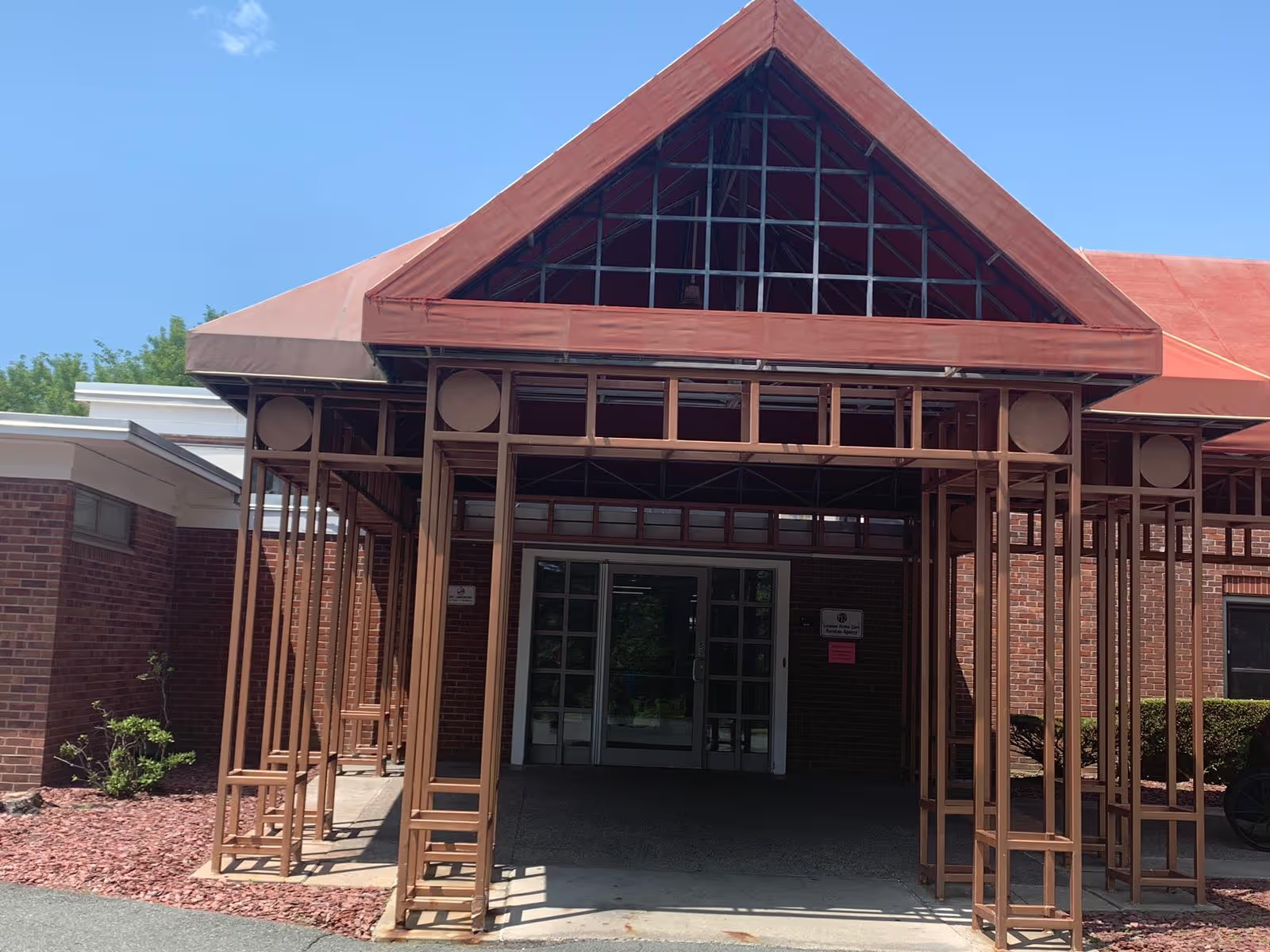
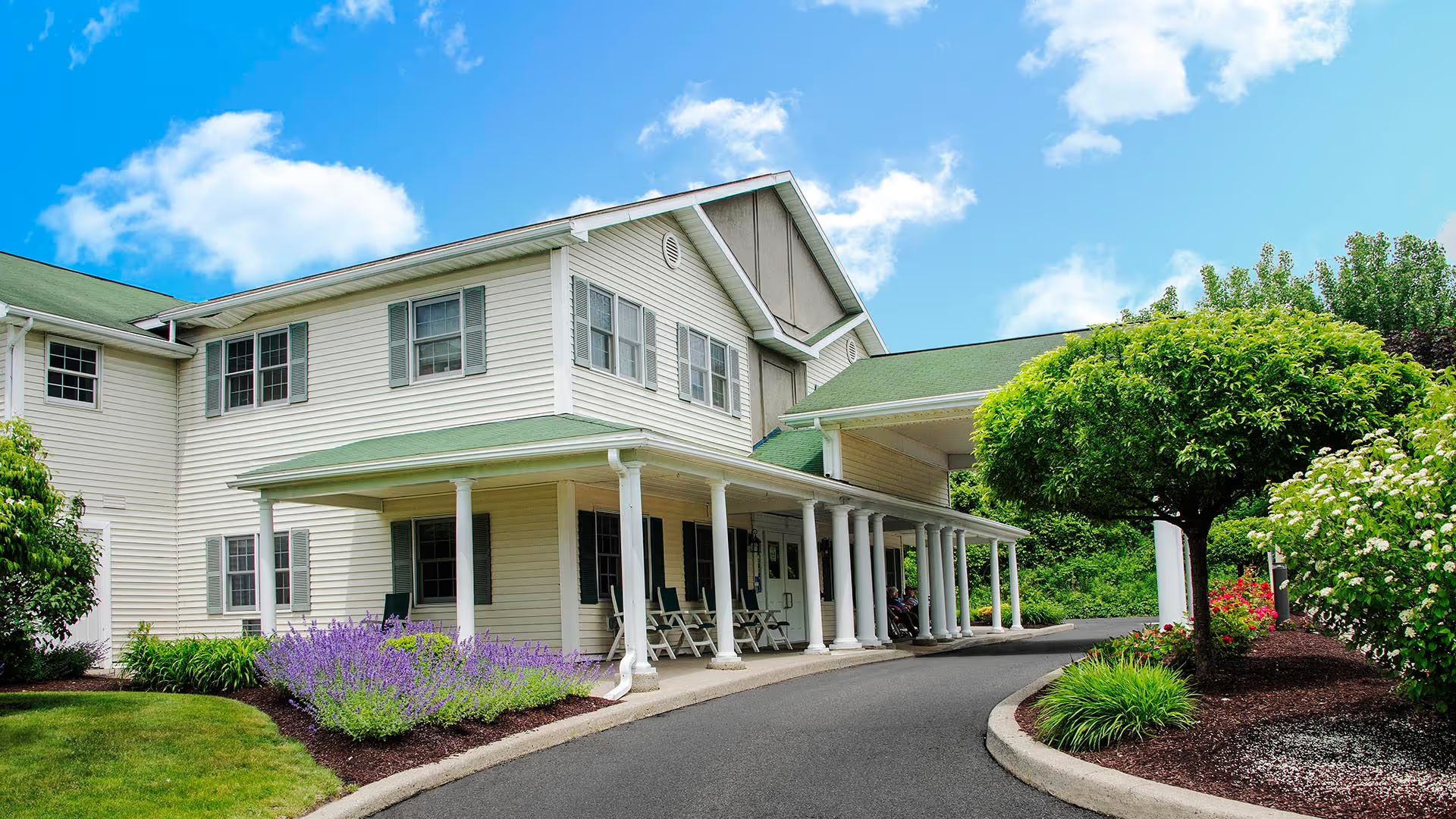
Dining, activities, and facility environment: The physical plant scores well in most summaries: private rooms with private baths, well-maintained common areas, and a hotel-like atmosphere are noted positives. Outdoor space and an accessible courtyard are valued. Food service receives mixed feedback — some reviewers praise an experienced cook and enjoyable meals (specific items were highlighted positively), while others report poor or inconsistent meal service. The presence of a memory-care unit and long-term care options is a clear advantage for families seeking continuity of services.
Management and operational patterns: Management is a polarizing area in these accounts. Positive interactions with administrators and timely coordination of care are described in several reviews, but others outline perceived poor management, unresponsiveness to family concerns, and uneven enforcement of policies. Concerns about documentation, incident transparency, and surveillance access were raised and warrant direct questions during a visit. Value-for-money concerns appear in some assessments, reflecting the expectation that private-room, hotel-like settings should be matched by consistently reliable care practices.
What to do next: Families touring the facility should observe mealtimes, ask for the facility's staffing ratios and turnover statistics, request written protocols for skin care and hygiene schedules, and clarify incident-reporting and family-notification procedures. Ask about the rehab team's typical care plans and expected outcomes, and request to see sample menus and recent satisfaction or inspection summaries. Given the variability in experiences, an in-person assessment and specific questions about the operational issues noted above will provide the clearest sense of whether this facility matches a given resident's needs.