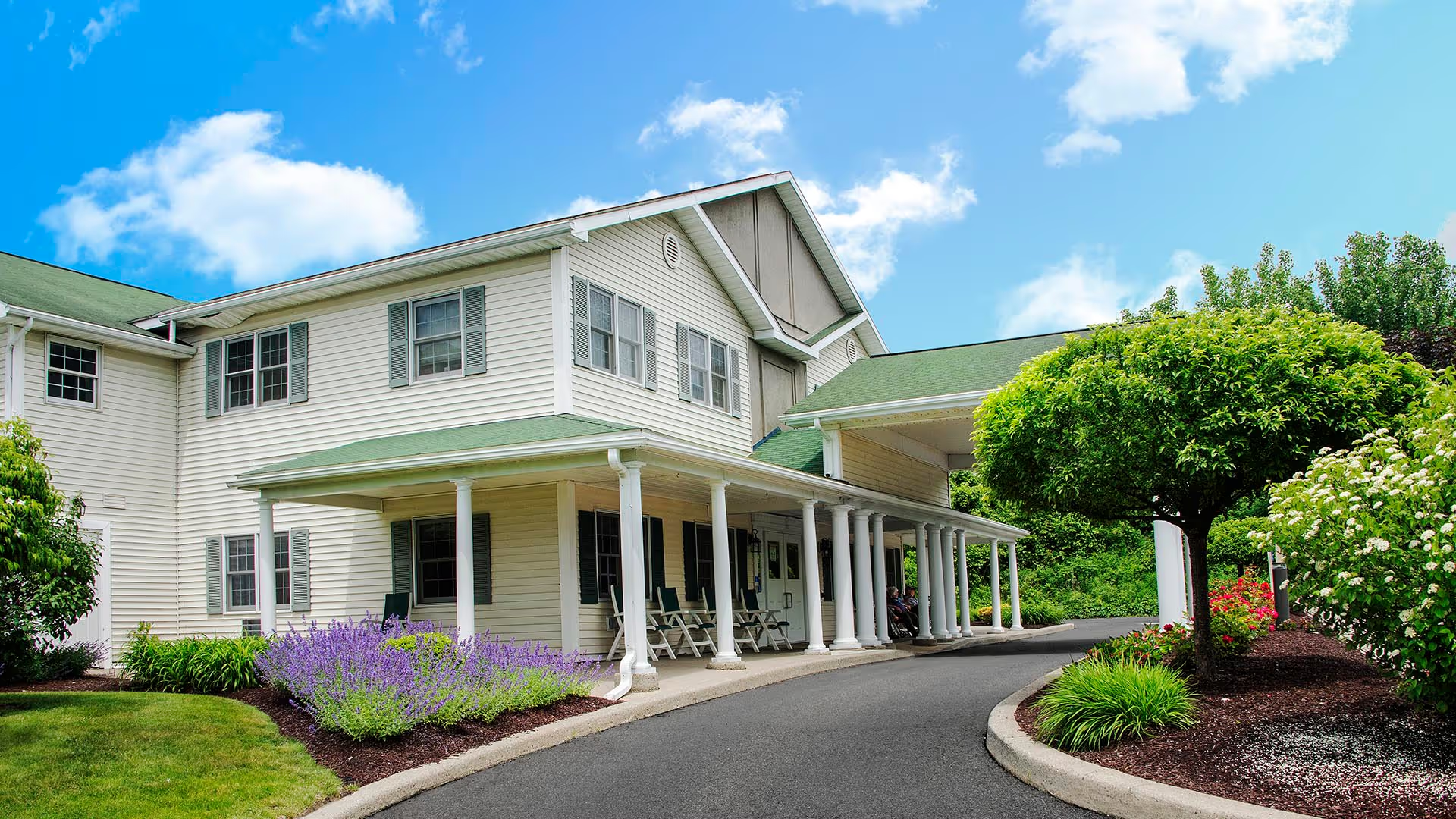
Overall impression: Wingate Residences at Melbourne Place is frequently described as a warm, activity-rich community with extensive recent renovations and a strong front-line hospitality focus. The concierge program is a repeatedly cited distinguishing feature; staff in that role are credited with helping residents acclimate, encouraging participation in activities, and serving as a primary family contact. Many families describe the community as bright, well maintained, and socially engaging, with amenities such as a movie theater, bistro, library, outdoor deck with mountain views, and regular live music.
Care and staffing: Reviews consistently praise caregiving staff—CNAs, aides, and some nurses—for compassion, personalized attention, and responsiveness. Name recognition and individualized welcome practices are notable strengths. At the same time, there is a pattern of operational concerns: staffing instability and turnover are described as affecting consistency of care, and several accounts point to uneven clinical capability in memory care. Related clinical process gaps include medication-management and pharmacy-communication breakdowns; families also referenced instances that suggest vulnerabilities in personal-property security. These issues are not universal across reviews but are sufficiently recurrent that prospective families should verify current staffing ratios, medication protocols, and security measures during an in-person visit.
Dining and activities: The community offers a broad activity calendar—arts and crafts, gardening, exercise programs (Pilates, yoga), outings, and dementia-appropriate programming—and many reviewers credit Wingate with improving residents’ social engagement. Dining receives mixed commentary: many residents and families praise the menu variety and the emphasis on a substantial midday meal, while other reviewers expected a higher level of culinary service and described variability in meal quality between areas. Families should sample meals and ask about menu rotation and special-diet accommodations when evaluating fit.
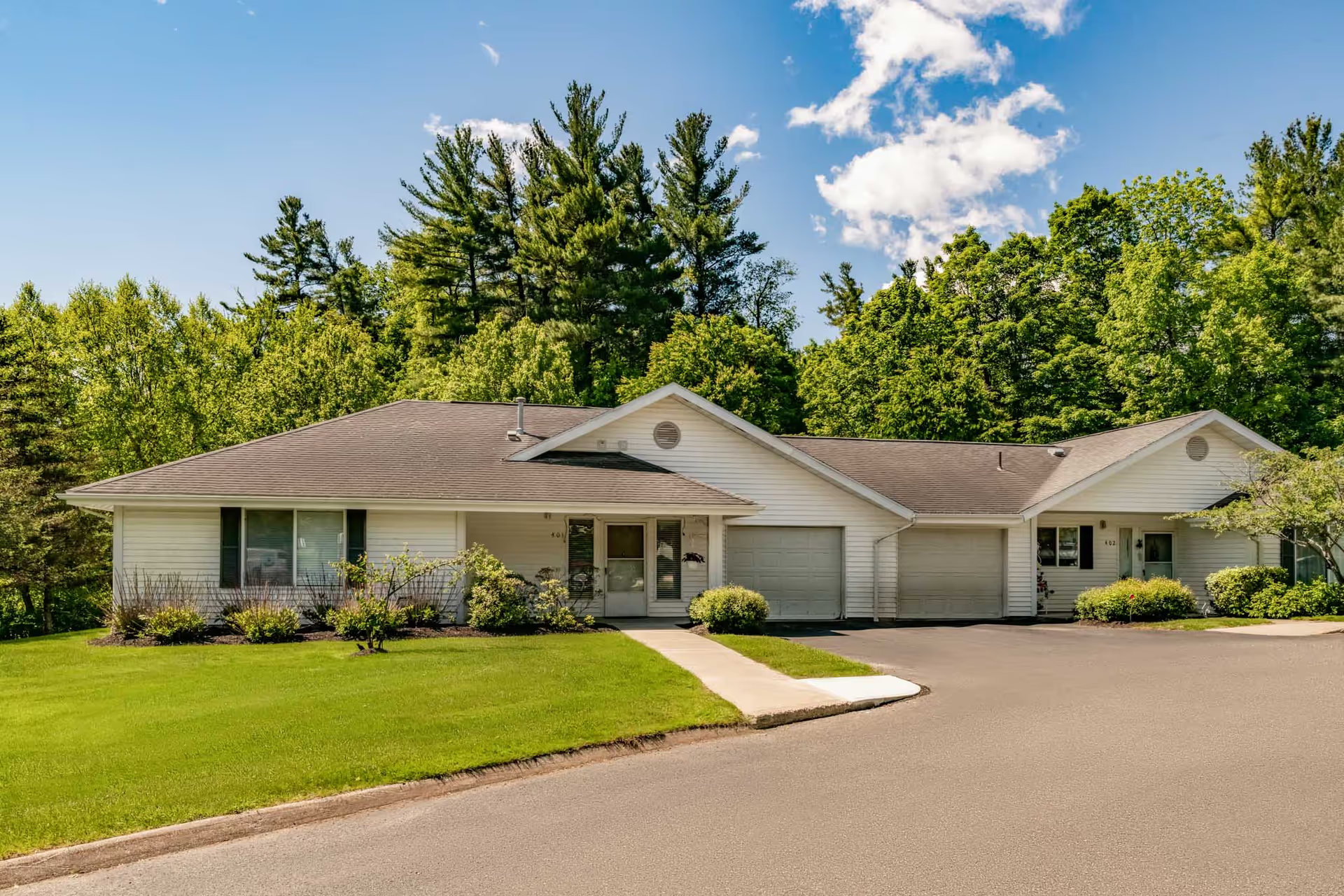
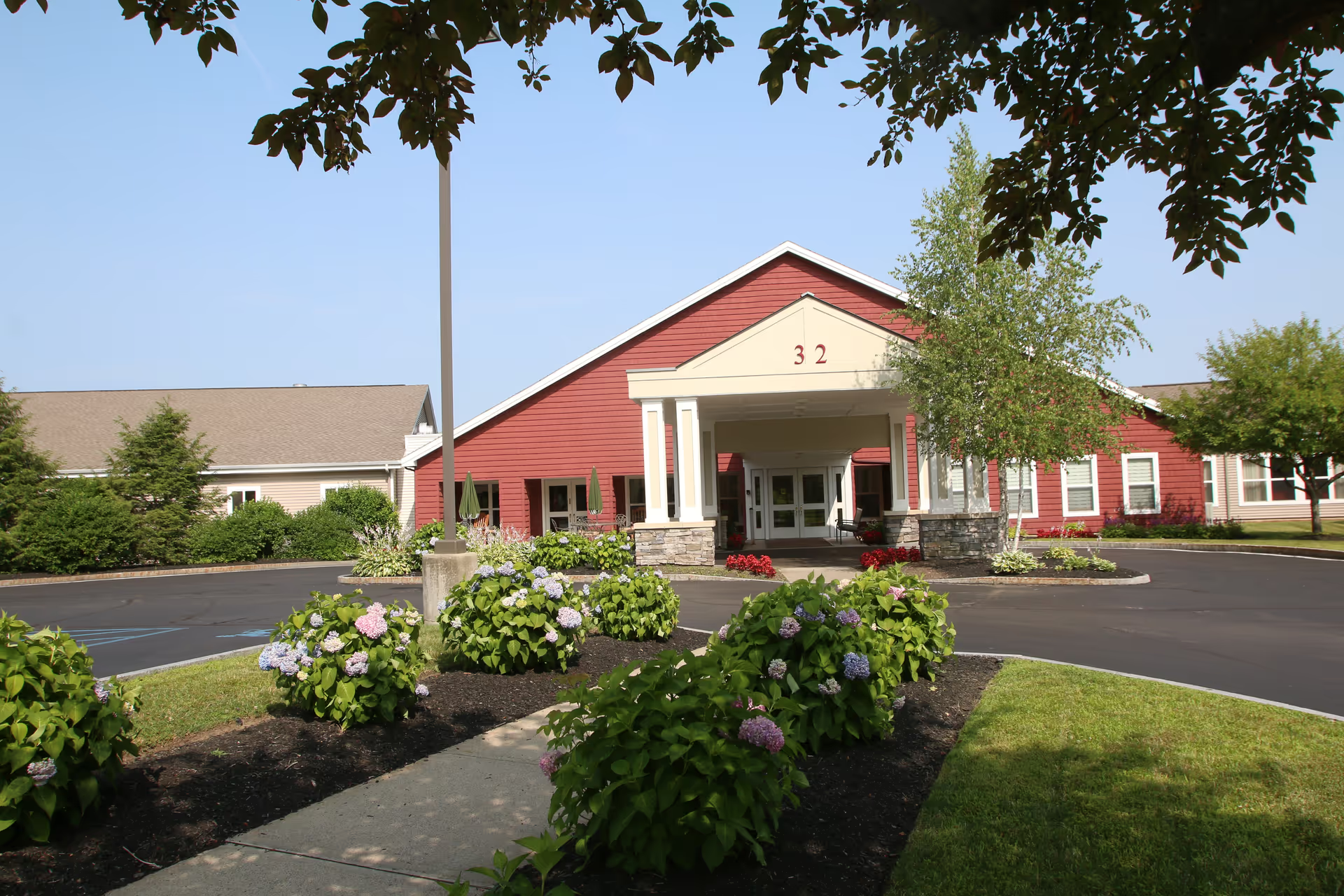
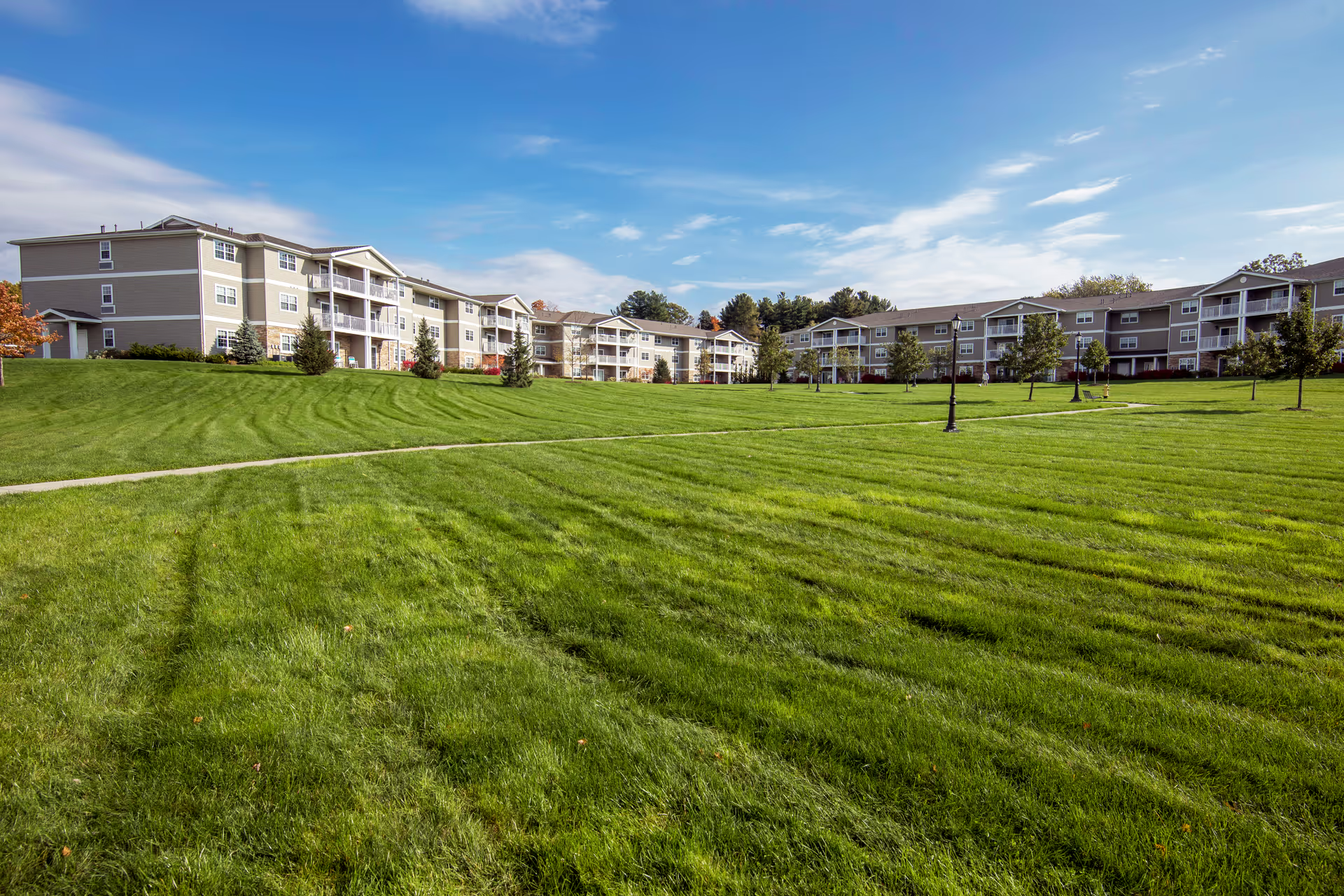
Facilities and amenities: Physical spaces are a clear strength for the campus—recent renovations, bright common rooms, and outdoor living spaces draw positive comments. Individual apartments are generally described as clean and comfortable, though a number of families perceived rooms as small relative to price. Ongoing construction and updates were mentioned; overall impressions favor the upgraded communal areas. Transportation and shuttle services, including named drivers, receive positive mentions for reliability and helpfulness.
Management and notable patterns: Leadership and select staff members are frequently singled out for proactive family communication and advocacy, and the concierge model is repeatedly viewed as reducing family burden during move-in. However, a change in management and new staffing at points in time corresponded with transitional challenges noted by families, including temporary declines in perceived quality and occasional communication breakdowns across nursing and administration. Pricing transparency and billing clarity emerged as a recurring administrative concern; prospective residents should request clear, written explanations of fees and level-of-care pricing. Additionally, while the community supports assisted living and memory-care needs, several families noted limited on-site capacity for higher-acuity step-up care, which may require external placement if needs escalate.
Bottom line: Wingate Residences at Melbourne Place offers a strong social environment, visible investment in facilities, and a concierge-driven approach that many families find highly supportive. Prospective residents who prioritize social programming, renovated common spaces, and active, personalized engagement are likely to find a good fit. Families should conduct targeted due diligence—review current staffing levels and training for memory care, examine medication-management and property-security protocols, clarify pricing and contract terms, and confirm the community’s ability to meet any anticipated higher-acuity needs—before making a placement decision.