Benchmark Senior Living at Plymouth Crossings is consistently characterized by strong person-centered care, with families frequently describing staff as compassionate, knowledgeable, and attentive. The community highlights a high staff-to-resident ratio, long-tenured employees, and visible dementia/memory-care expertise; reviewers cite individualized plans, respectful interactions, and good coordination with hospice and end-of-life services. Clinical support is described as robust, including 24-hour coverage, medication assistance, and on-site medical coordination in many cases.
Dining and daily life are notable strengths. The dining program is repeatedly praised for quality, variety, and accommodation for special diets (including pureed options). Housekeeping and groundskeeping are commonly described as thorough, and the interior spaces are frequently called clean, bright, and well-maintained. Activities programming is broad and inclusive — music, movies, current-events groups, outings, religious services, and social events are emphasized — and participation is presented as flexible so residents can engage at their comfort level. Families also report proactive management communication, clear billing practices (including year-end tax summaries), and a designated point of contact that helps streamline admissions and transitions.
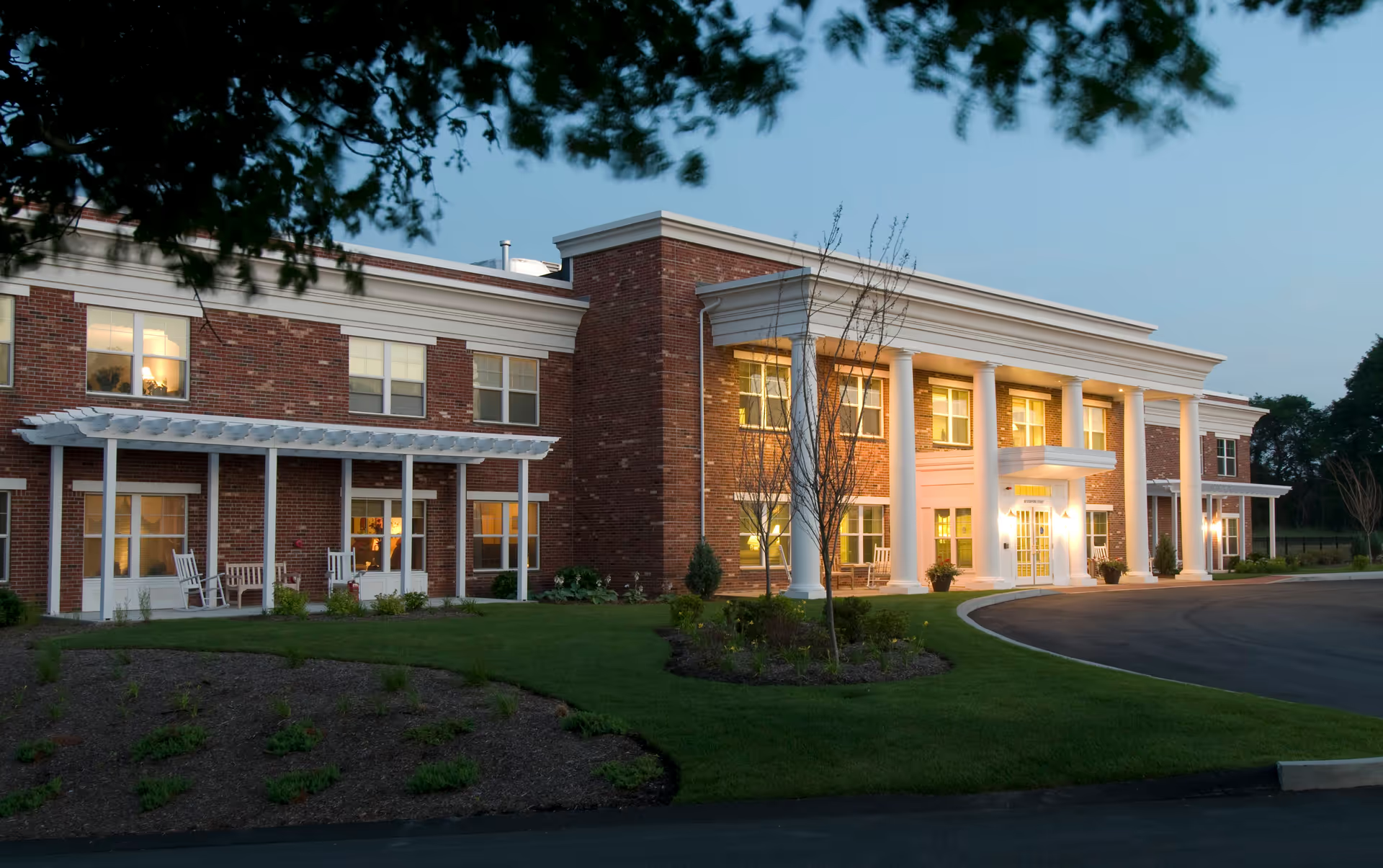
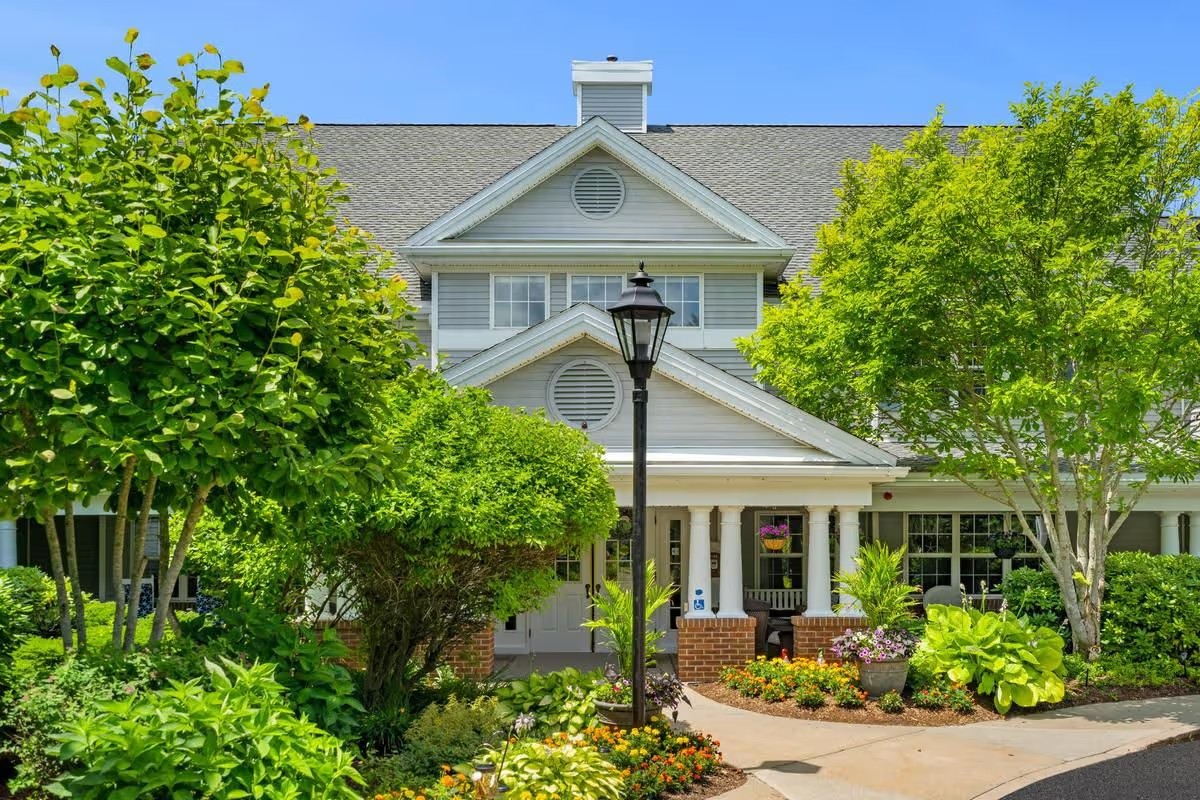
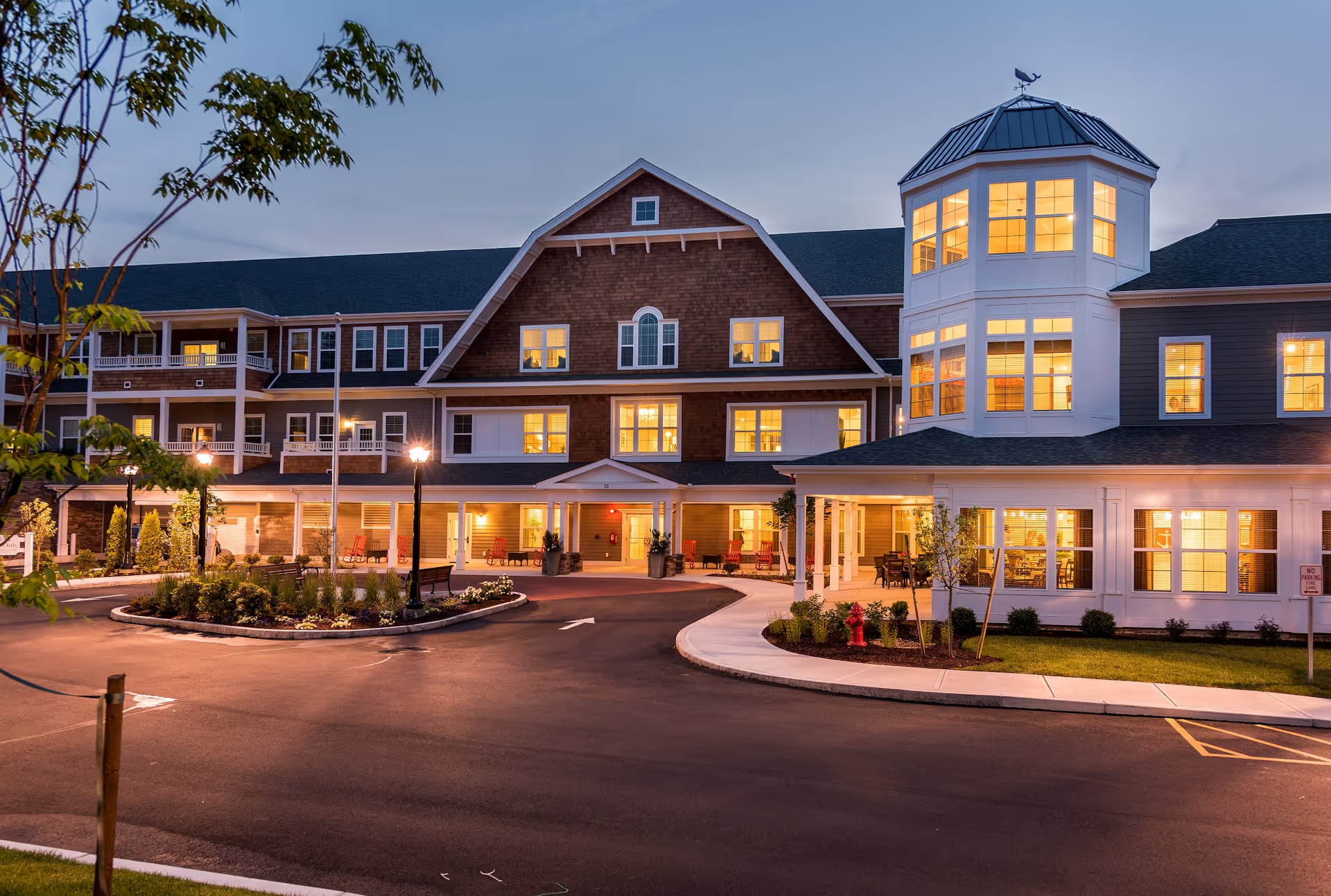
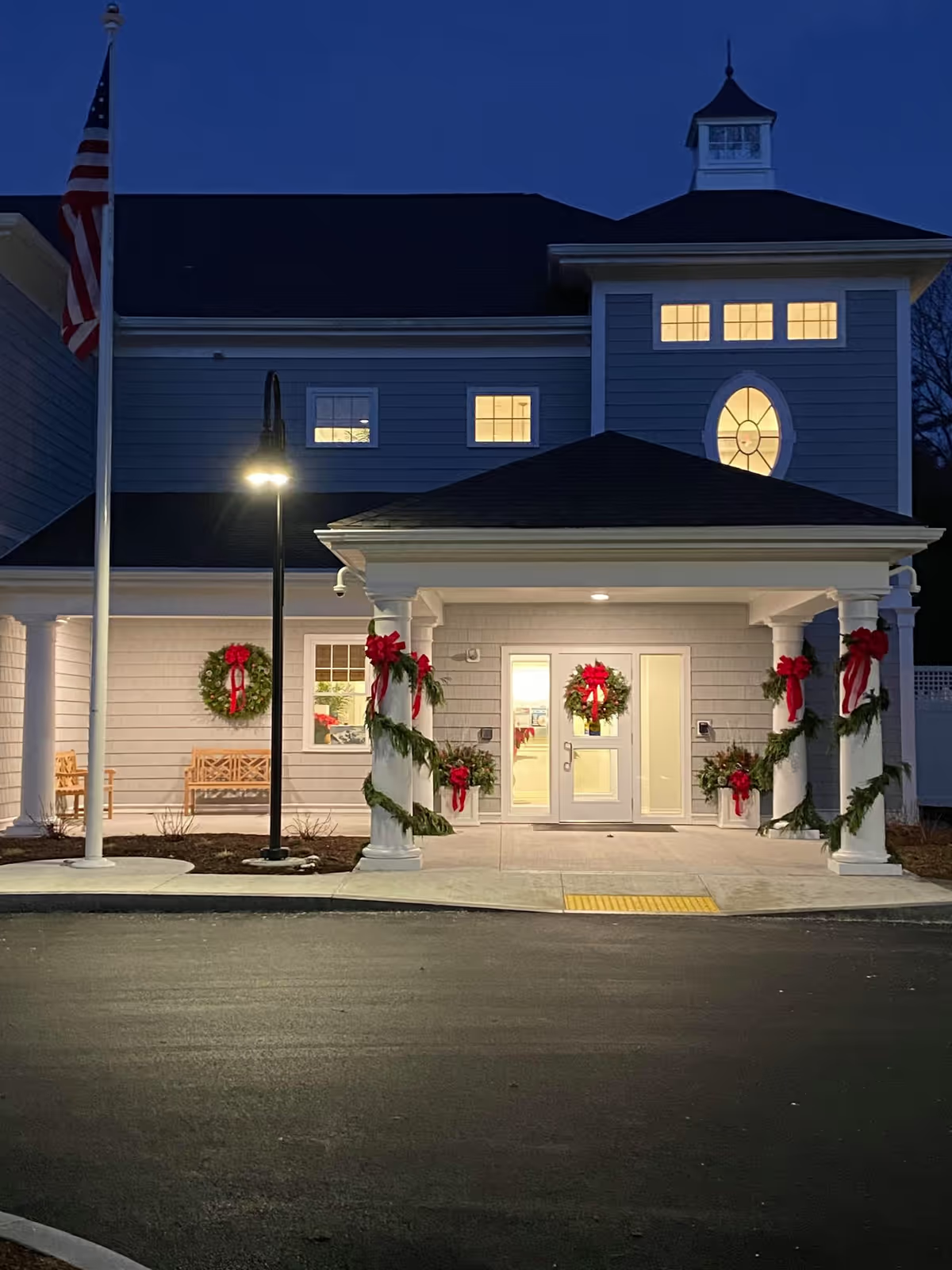
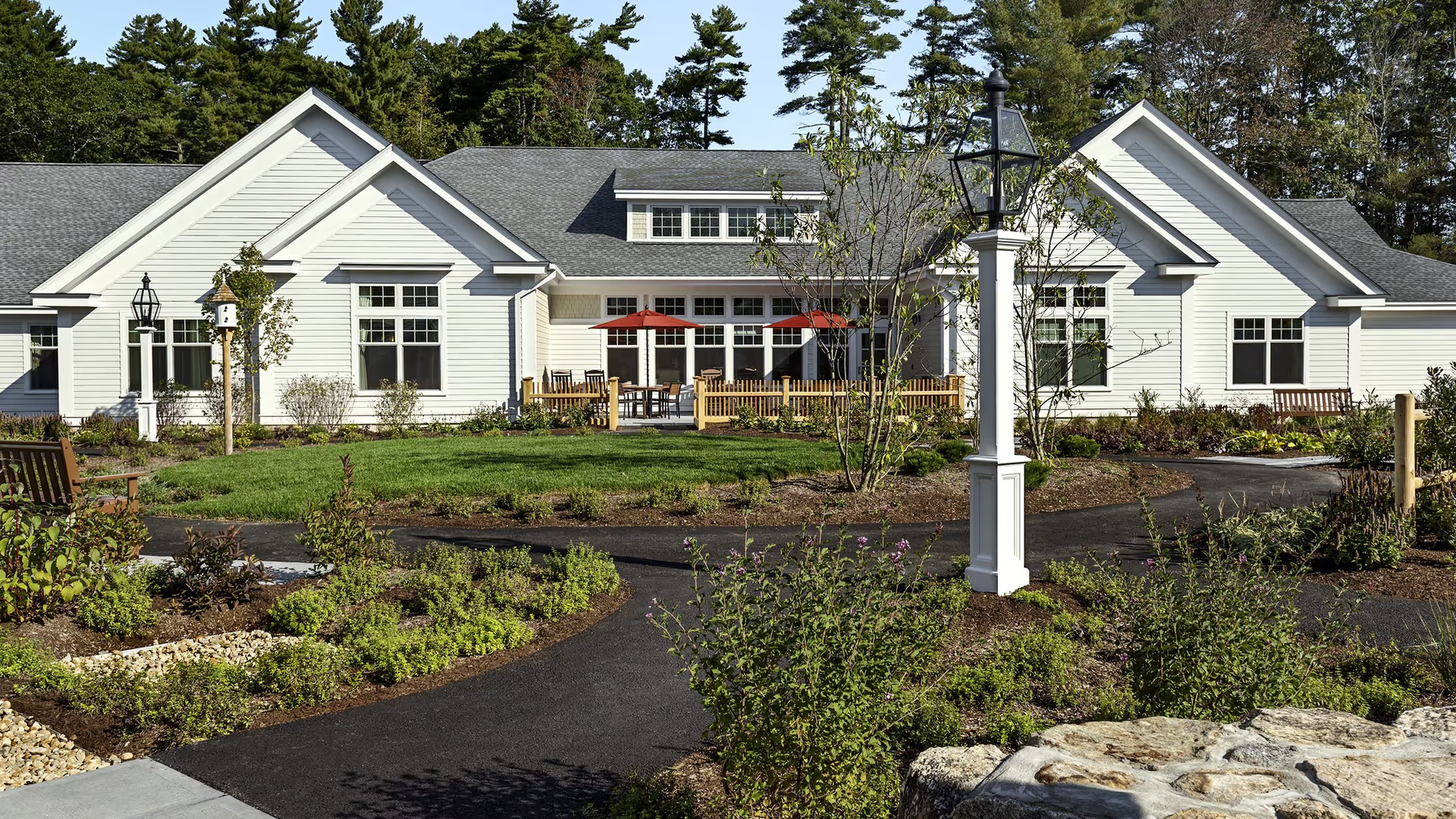
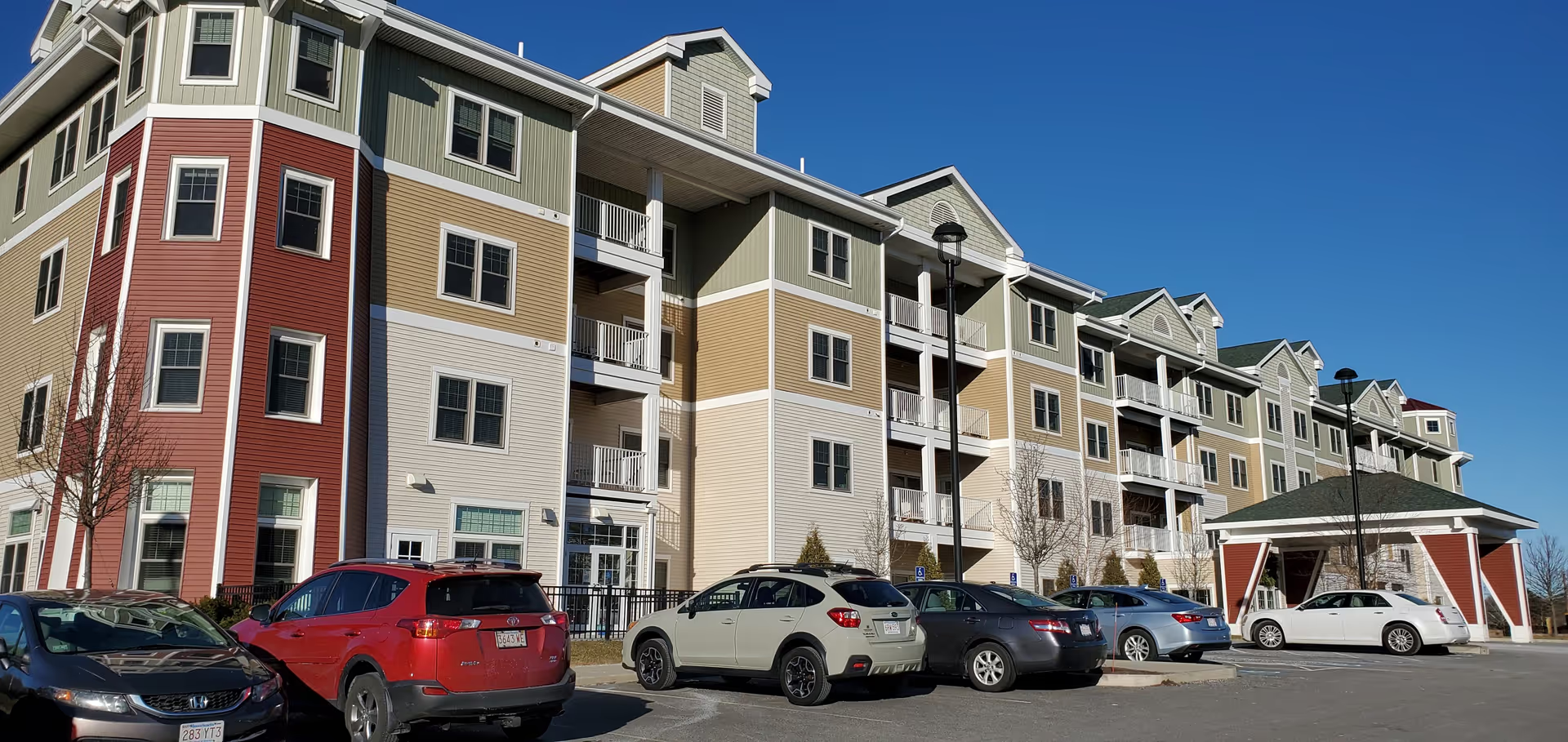
Facility characteristics reflect a smaller, community-oriented assisted living model. Apartment and studio layouts are generally comfortable and home-like, with some shared-room options and common dining areas that encourage socialization. The campus and amenities are described as family-friendly, with spaces for gatherings and holiday programming that contribute to a welcoming atmosphere.
Notable patterns of concern appear as operational limitations rather than wholesale failures. Cost and payment structure are recurring constraints: the community is priced at a premium and does not accept Medicaid, which limits affordability for some families. Apartment sizes and shared-room arrangements can feel compact and may not meet space or privacy needs for all residents. A limited number of accounts reference sanitation or cleanliness issues in specific apartments; while overall cleanliness is praised, these reports suggest occasional inconsistencies in housekeeping standards. Communication and operations-wise, reviewers mentioned intermittent difficulties reaching residents by phone and an isolated pattern of medication or pharmacy coordination hiccups. A few families also described variability in frontline staff responsiveness or tone, indicating that performance may vary across shifts.
Finally, visitation policies and dining formats may not suit every family or resident: restrictive visitation during infection-control periods was noted, and some residents found the dining-room scale or structure overwhelming. Prospective residents and families should weigh the facility’s strengths in clinical care, activities, and dining against cost, apartment size, and the potential need to verify specific operational details (housekeeping consistency, medication/pharmacy processes, visitor policies, and privacy preferences) during a tour and care-planning discussion.