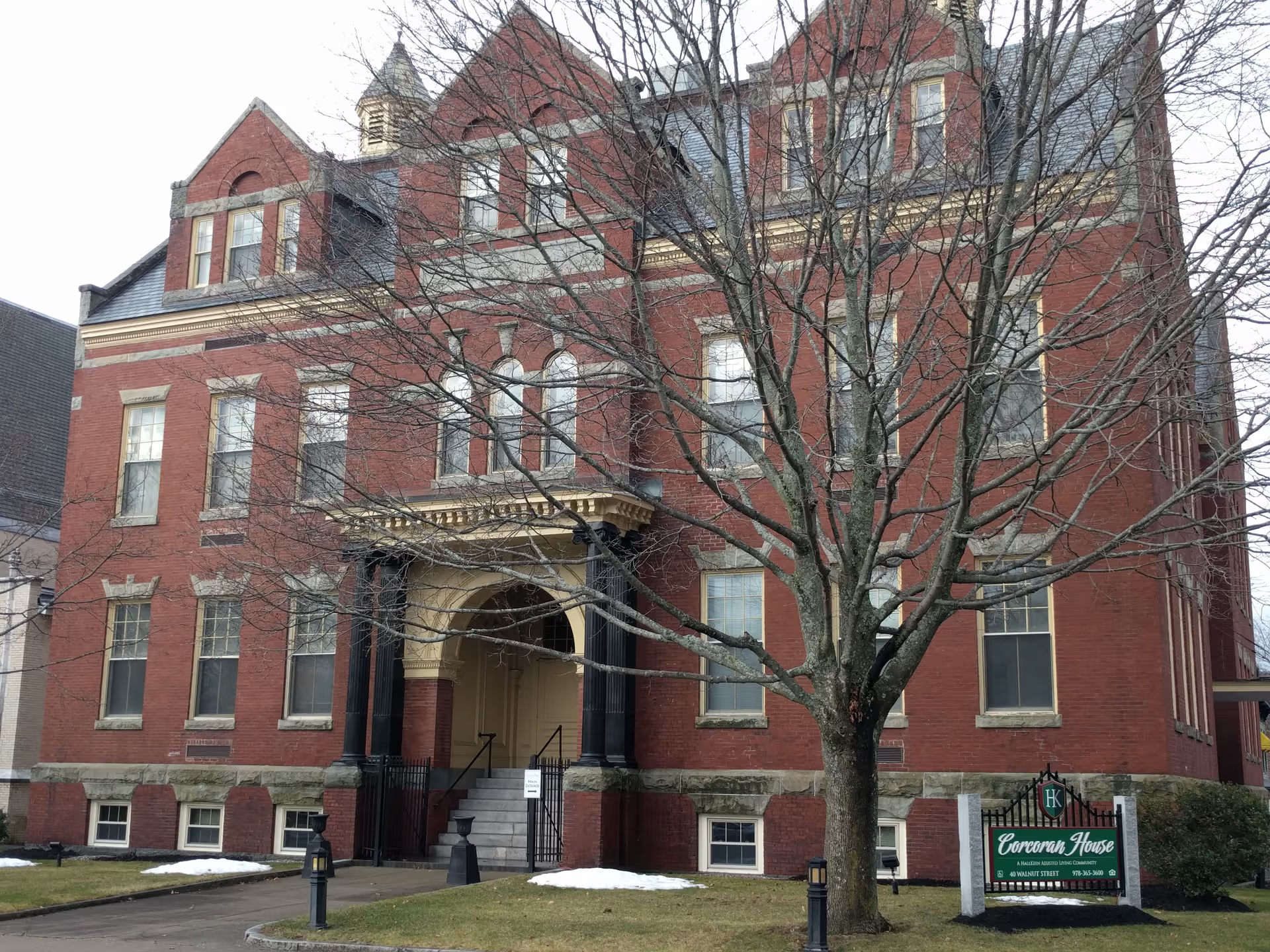
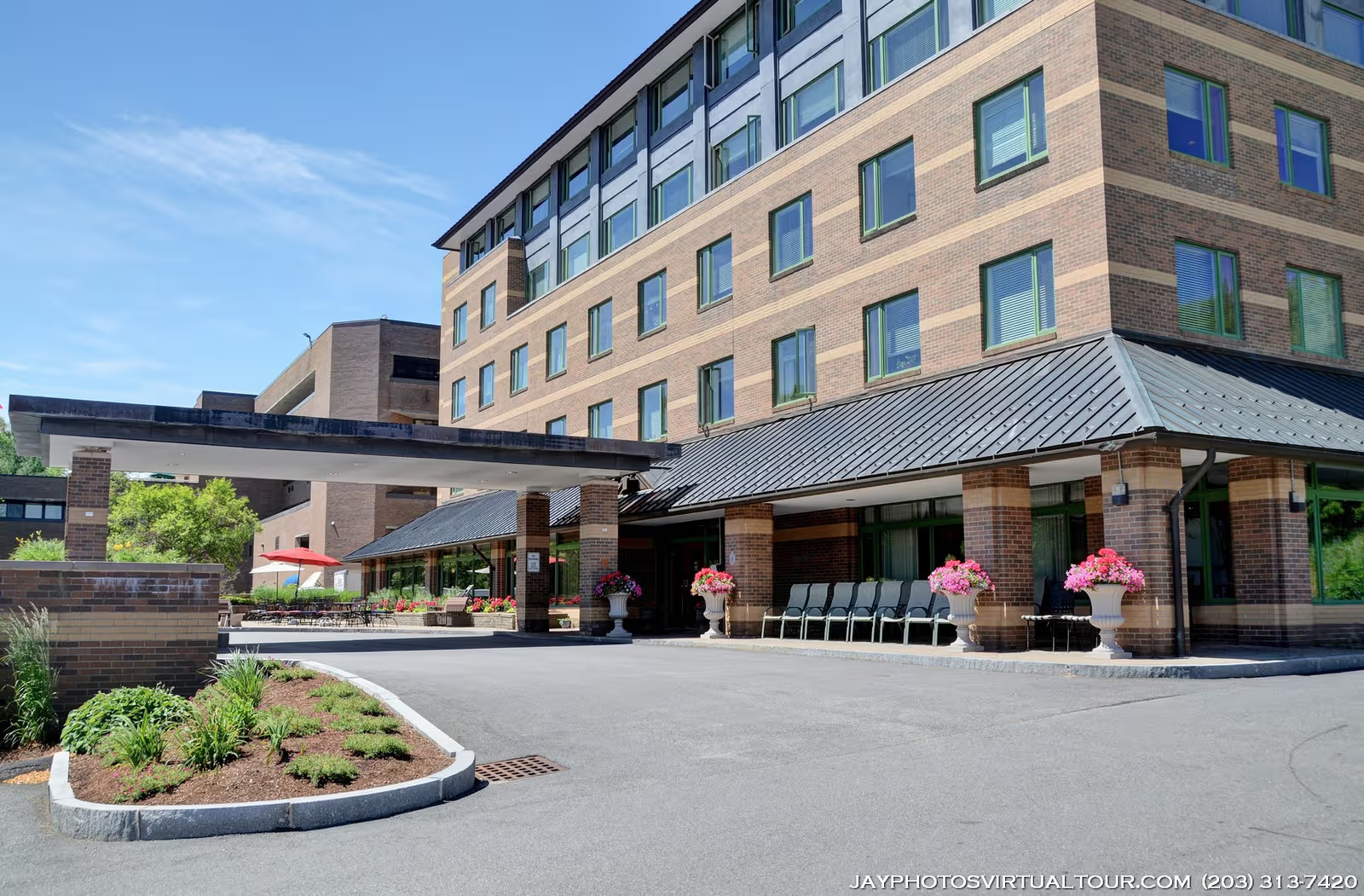
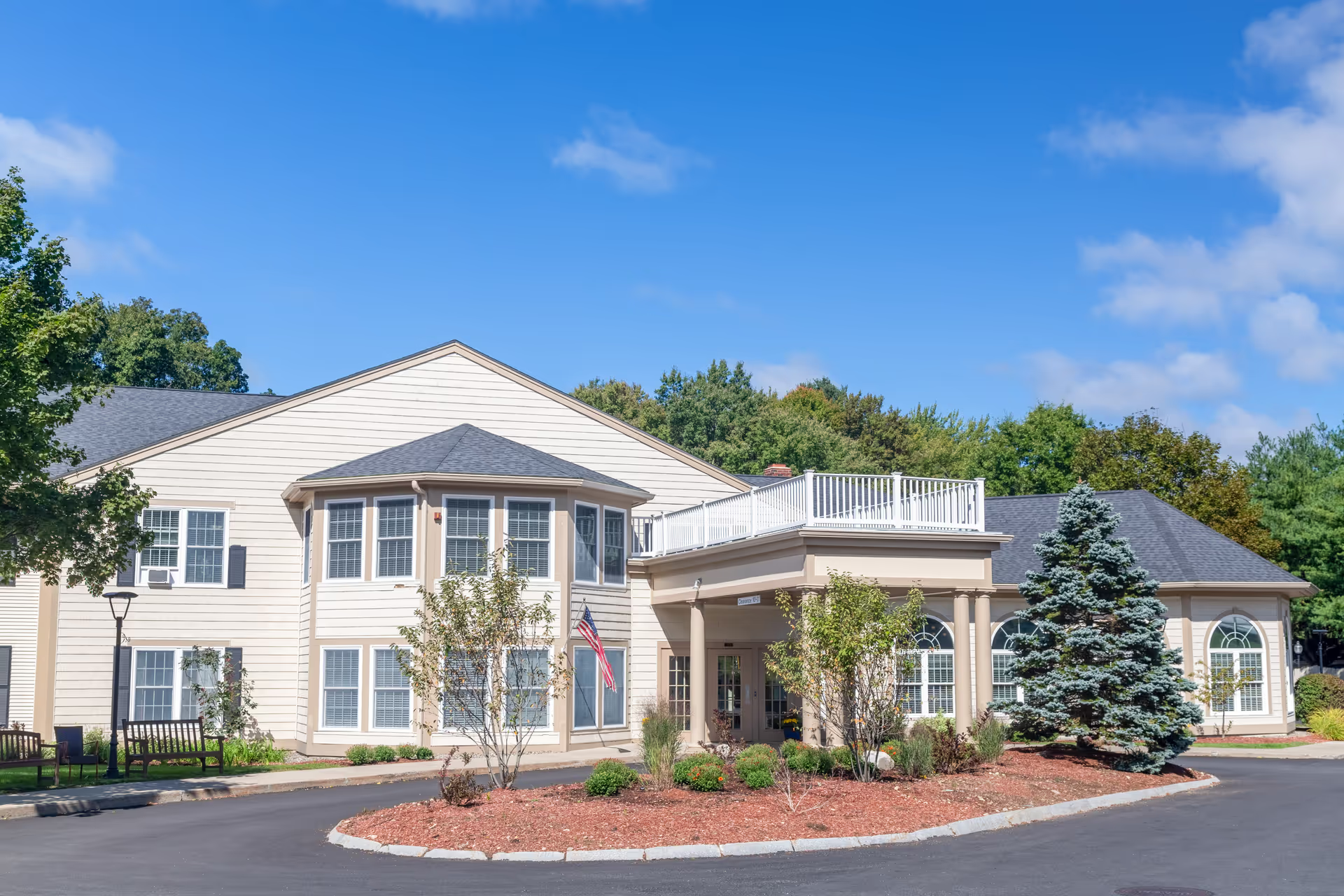
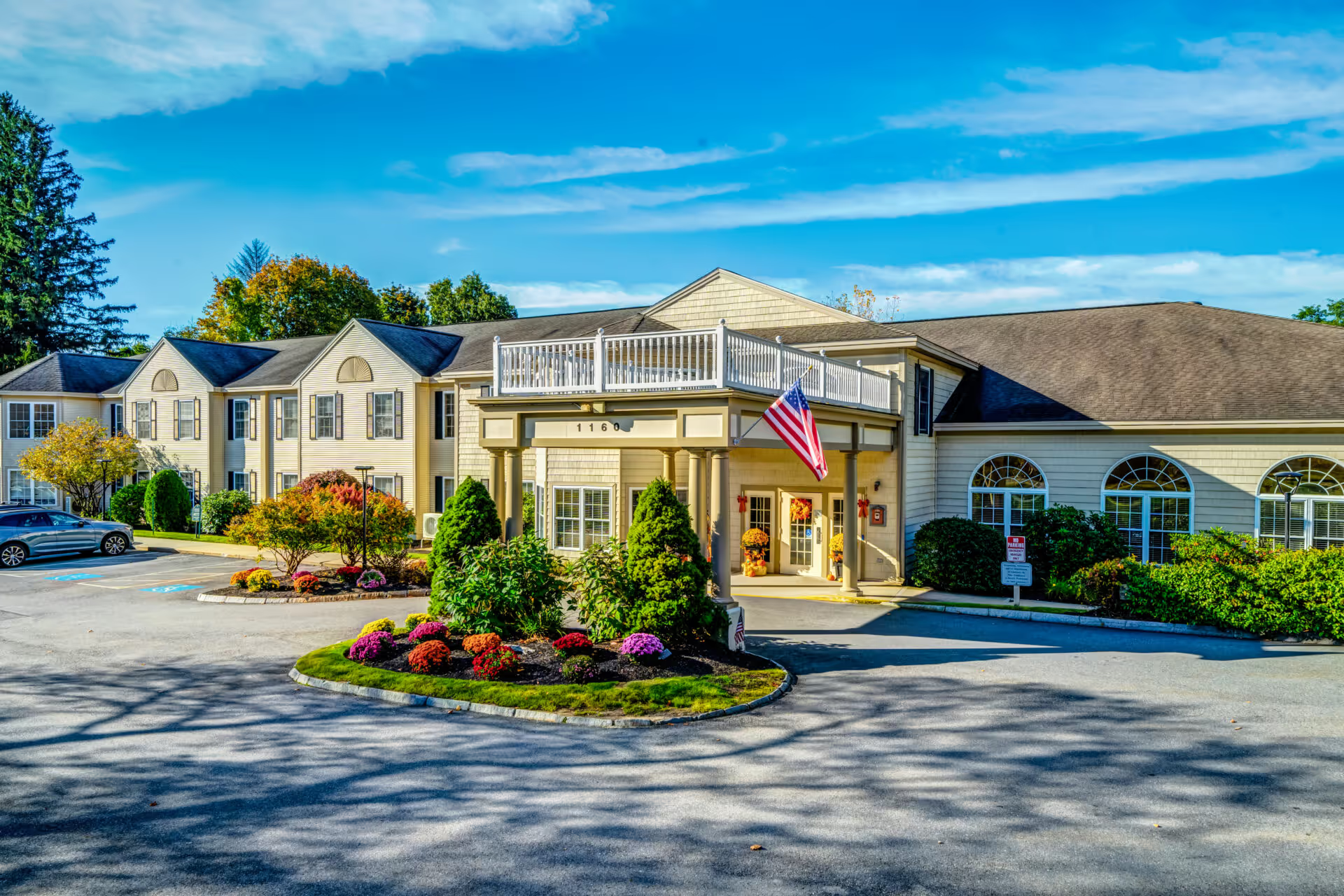
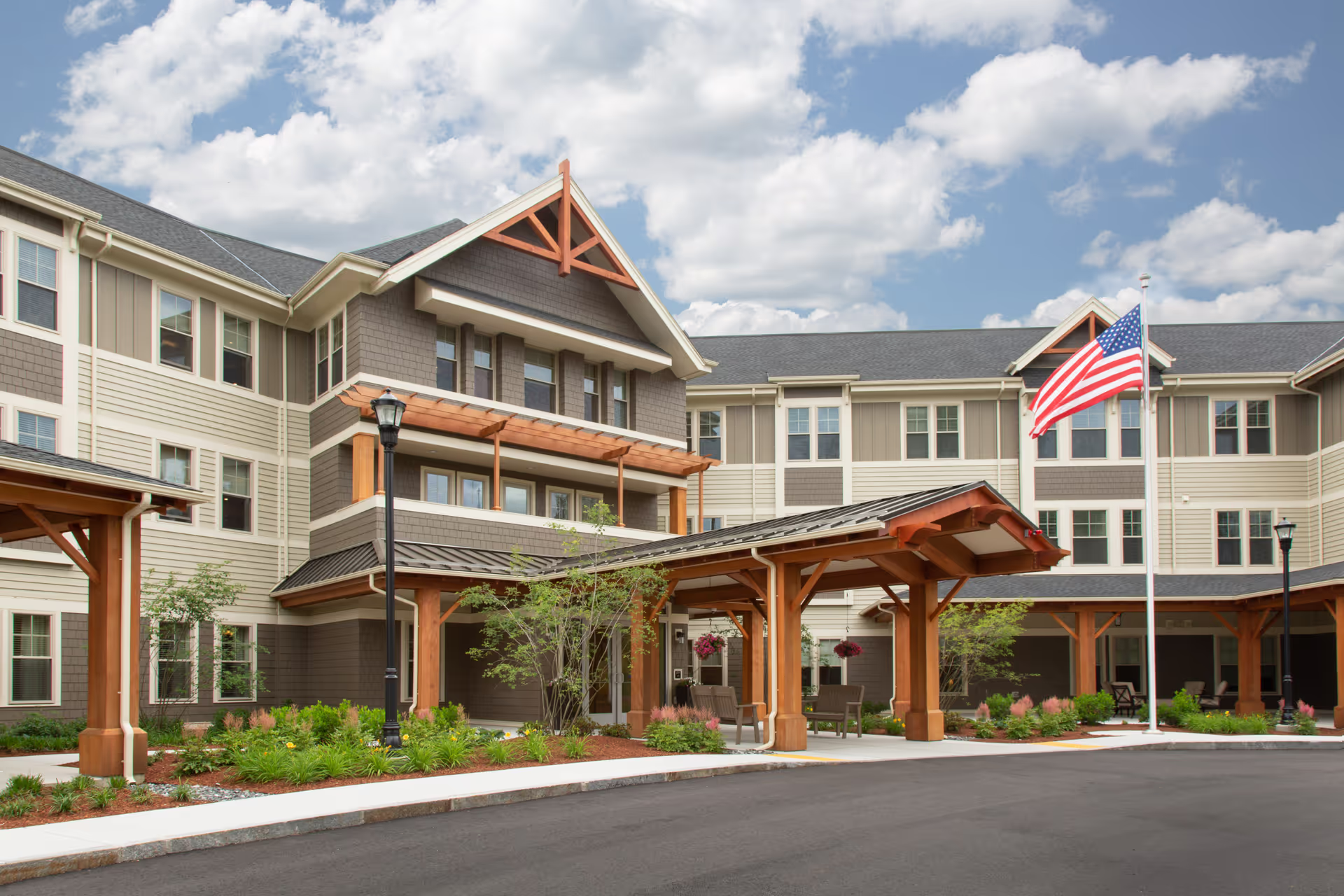
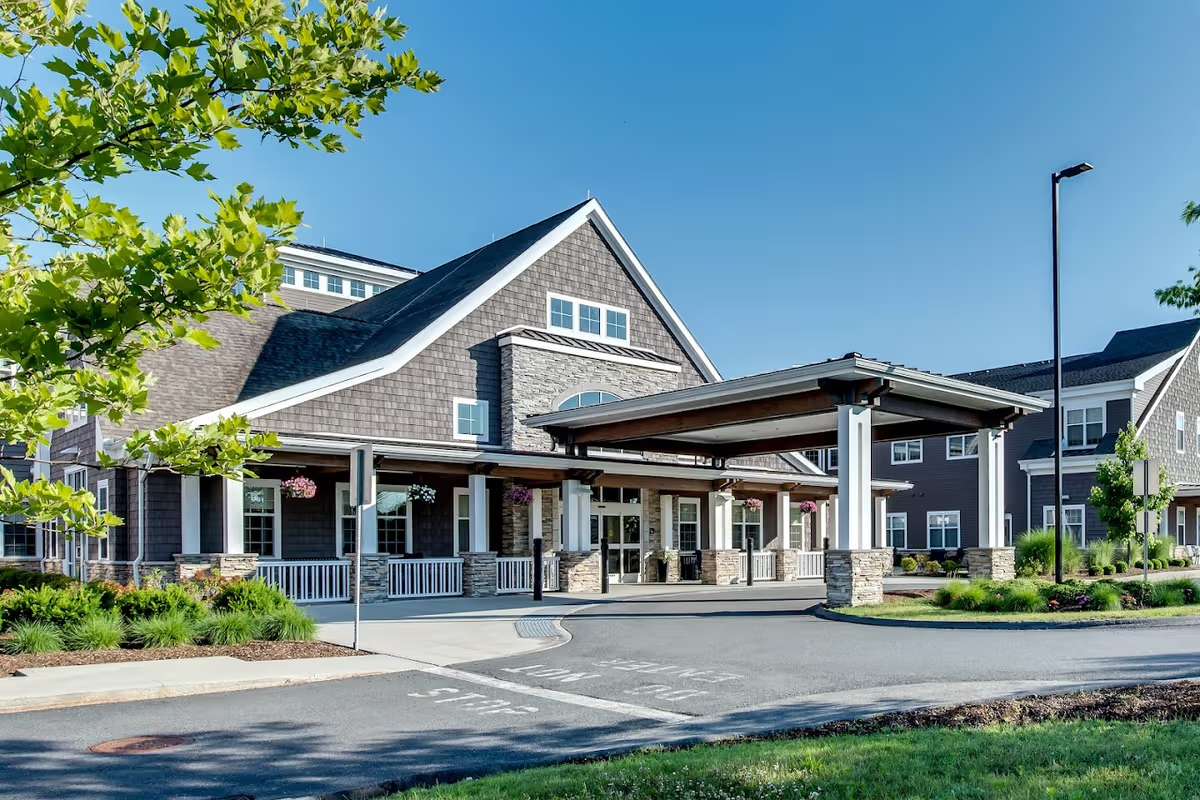
Sterling Village presents a mixed profile. Many reviewers praise the physical environment: the facility and grounds are attractive and well maintained, lobbies and common areas are described as clean and uplifting, and rooms are generally spacious. The community offers a robust therapy focus — physical and occupational therapy are frequently highlighted as strengths, with several families noting effective rehab progress and well-coordinated discharge planning. Activities and event coordination are also positive features; residents benefit from a busy calendar and occasional special events that reviewers found well managed.
Care quality and staff performance are uneven. Numerous reviewers describe compassionate, attentive CNAs and nurses who provide strong day-to-day care, while others describe variable bedside manner and conduct. Staffing levels appear inconsistent, and understaffing was cited as a recurring operational issue; this contributes to longer wait times for assistance and perceived gaps in personal care. Several accounts indicate delays in routine personal-care tasks (including bathing and continence assistance) and inconsistent medication administration, including delays in pain management. There are also reports of delayed responses to changing clinical conditions, which in at least one case preceded hospitalization; these suggest gaps in clinical monitoring and escalation protocols.
Dining and ancillary services are similarly mixed. Some reviewers describe very good meals and positive dining experiences, while others report uneven food quality, items served at incorrect temperatures, and limited menu choices on occasion. Housekeeping and event coordination receive largely favorable comments, though a few reviews raised sanitation-process concerns in specific operational areas. The reception and administrative teams are often described as welcoming, but responsiveness is variable — front-desk interactions and return-call reliability were noted as inconsistent depending on shift and day.
Management and communication show areas for improvement. Positive experiences reference well-managed rehab stays and clear communication from staff, but many families reported challenges with communication, limited involvement of residents in care decisions, and a need for stronger supervision and staff retraining to address conduct and procedural lapses. Some reviewers linked staffing shortages to pandemic-era pressures, which may partially explain longer response times and morale-related issues. Prospective residents and families should weigh the facility’s strong therapy and activity offerings and pleasant physical environment against the reported variability in clinical responsiveness, staffing consistency, and communication. Visiting during different shifts and speaking directly with therapy and nursing leadership about staffing, monitoring practices, and communication protocols can help clarify current performance and fit for an individual’s care needs.