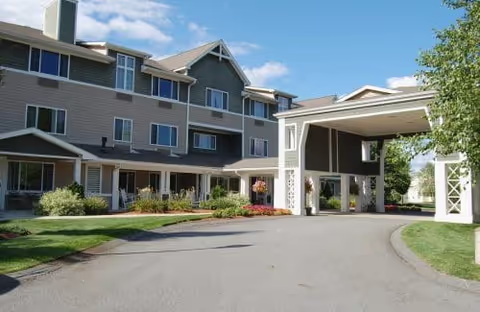
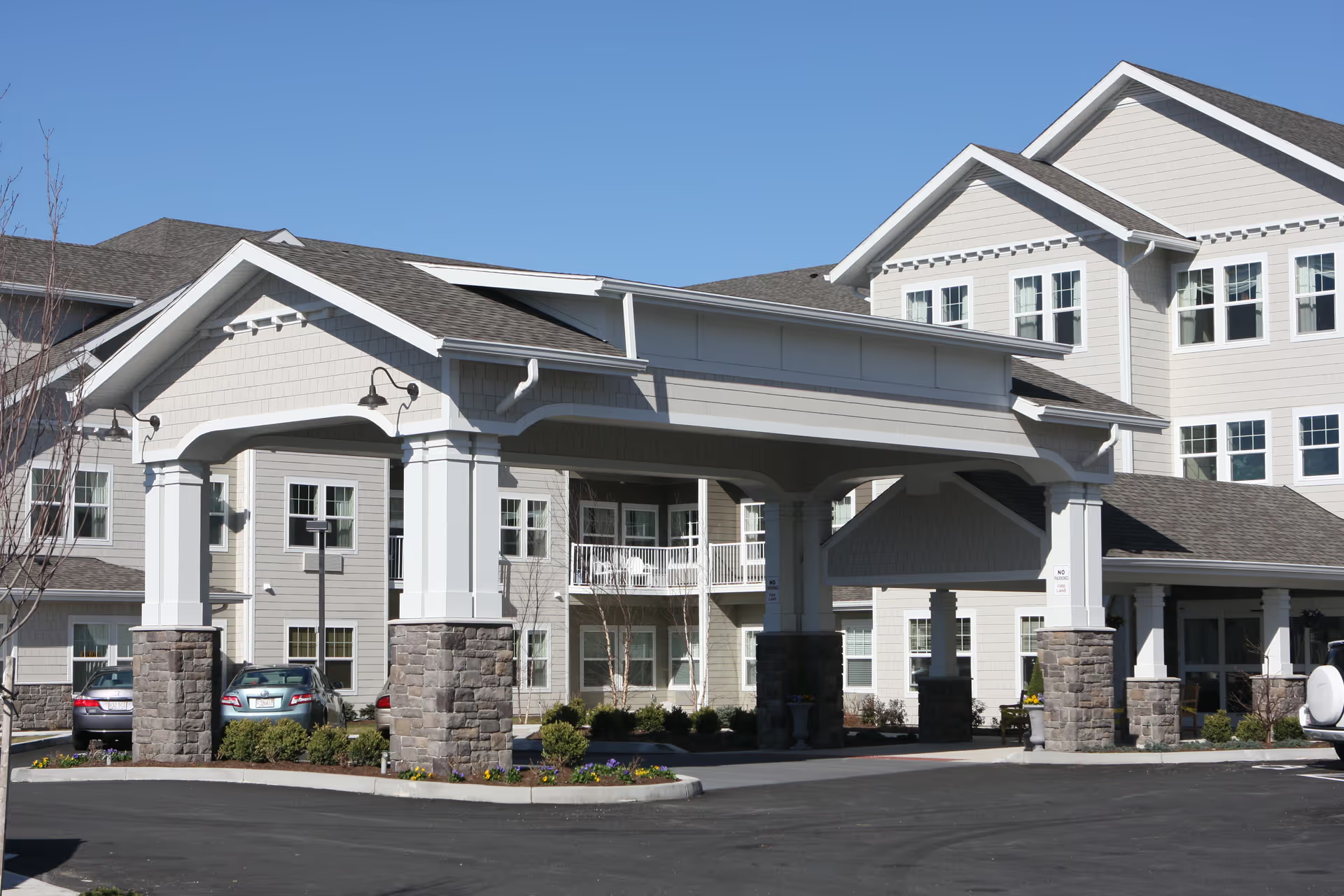
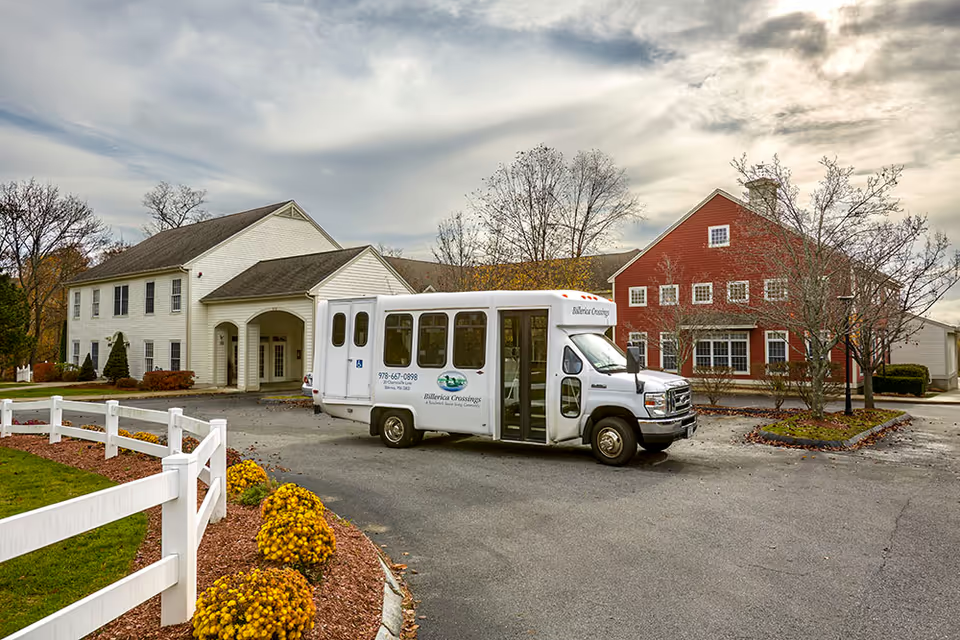
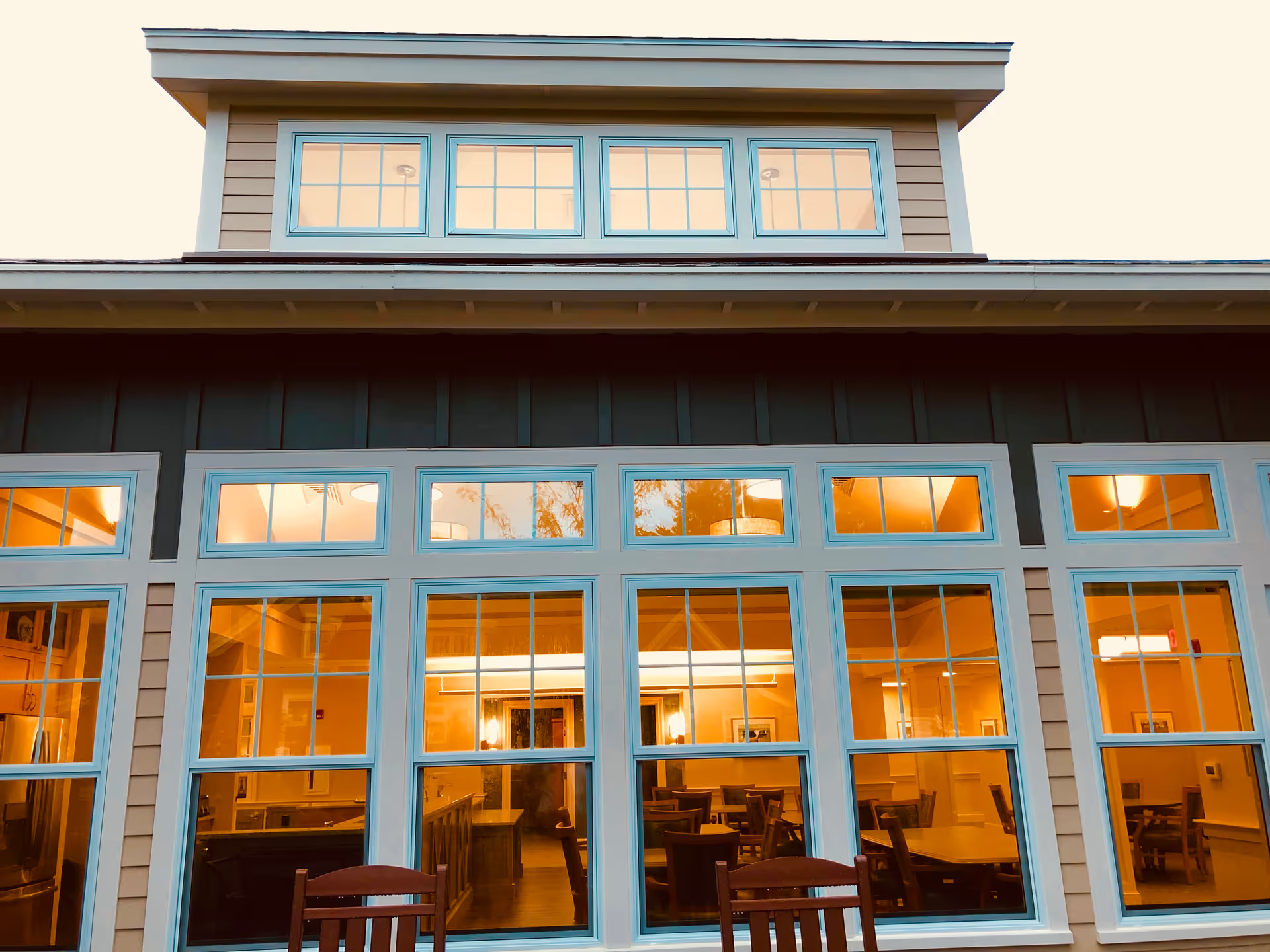
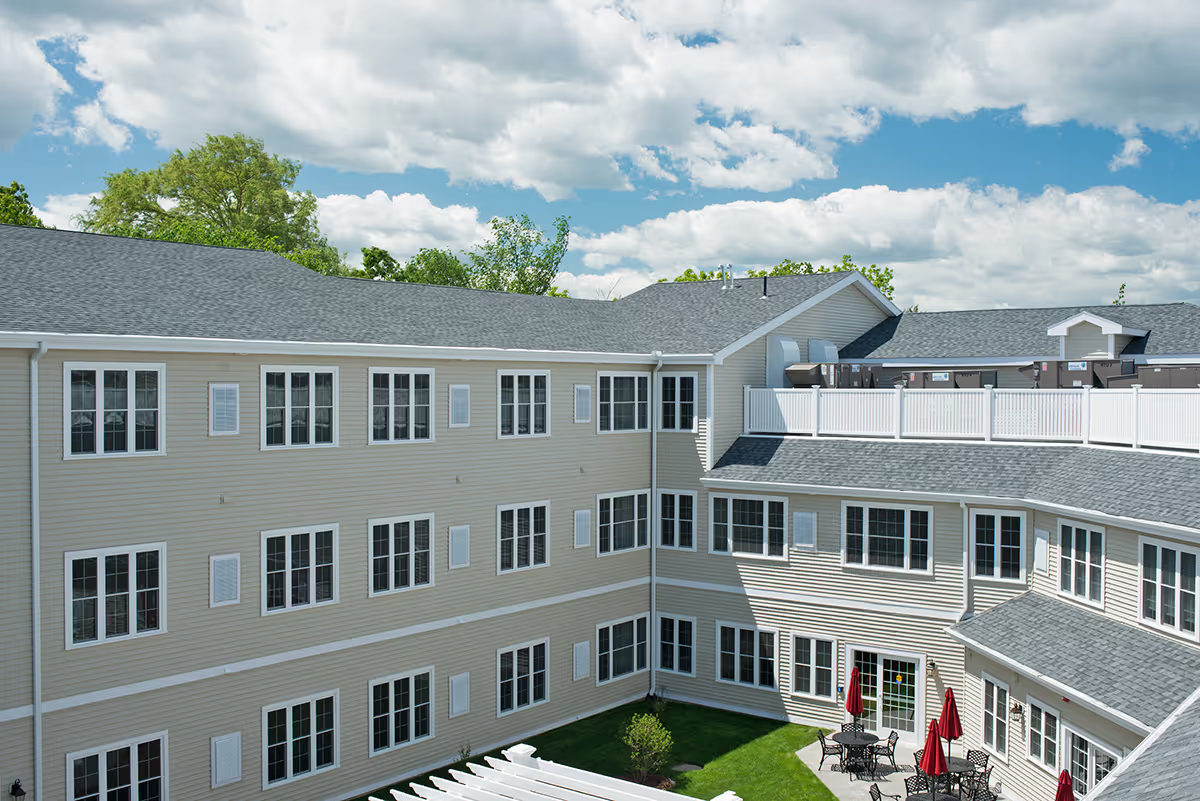
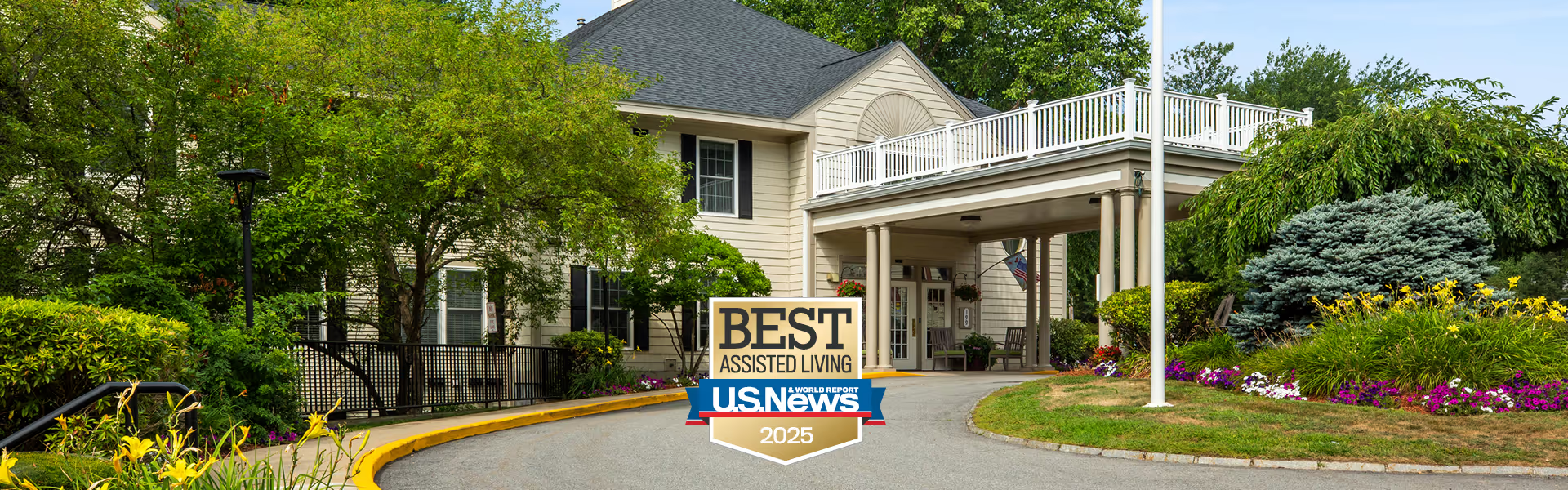
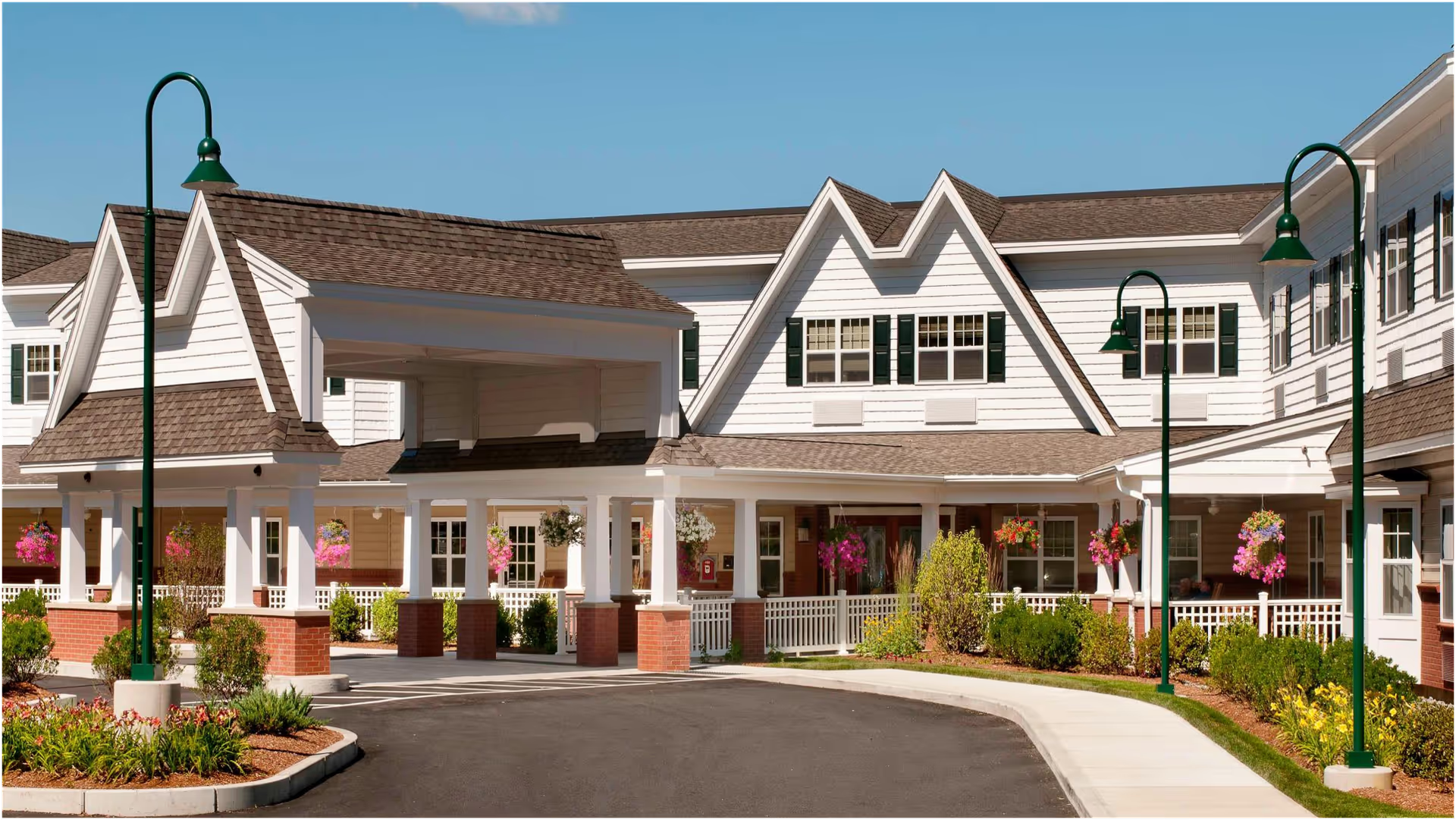
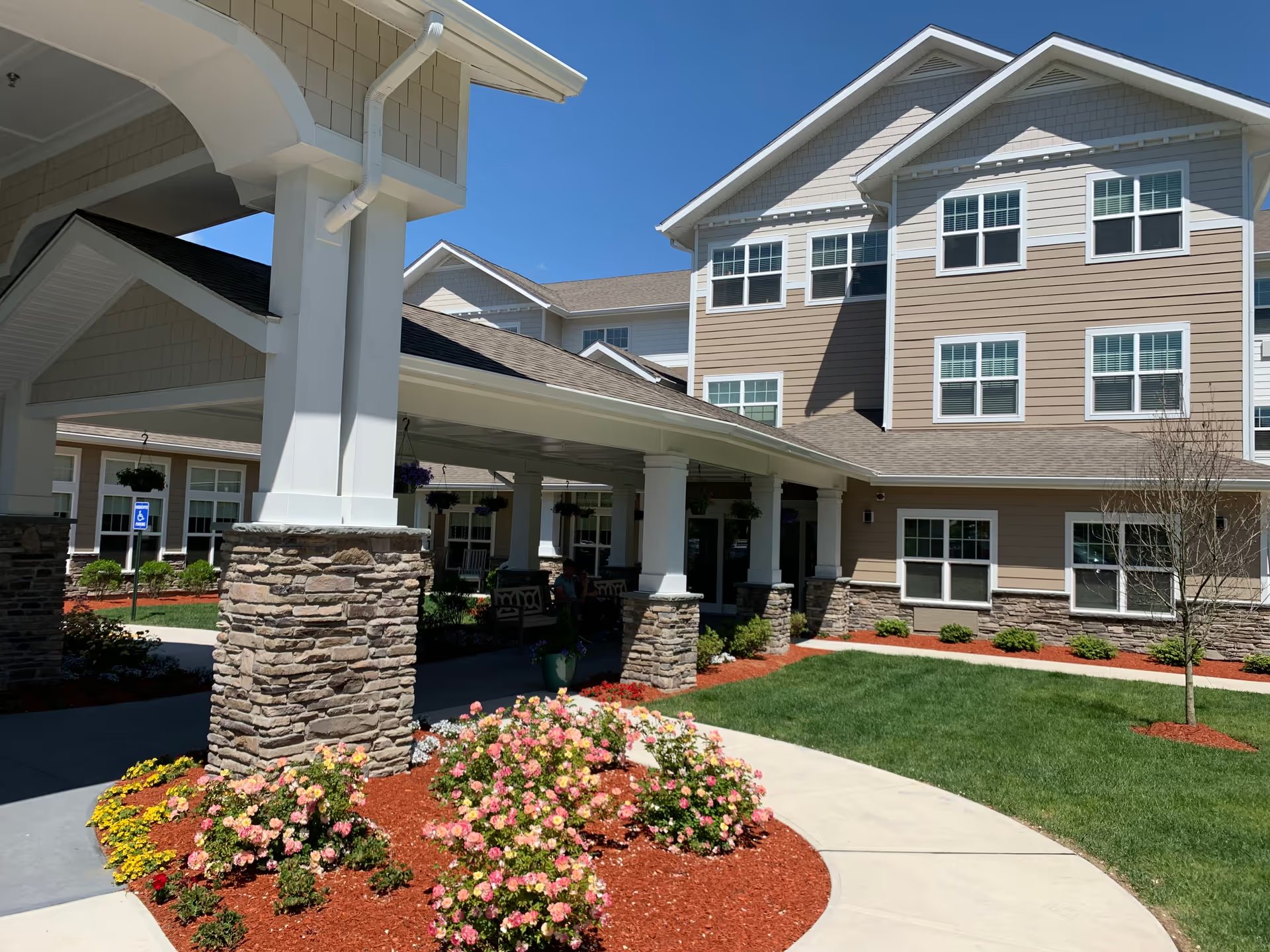
The reviews for Blaire House of Tewksbury present a mixed picture: a core of consistently praised clinical and administrative staff and a facility with several tangible strengths, alongside recurring operational weaknesses that families should evaluate during a visit. Many accounts highlight compassionate, knowledgeable nurses and aides who provide reassuring end-of-life care and day-to-day support. Administrative accessibility is another strength: the director and leadership are described as communicative and responsive, with examples of after-hours contact and involvement in family communication. The property itself is frequently described as smaller and home-like, with well-kept grounds, a carriage-house aesthetic, a VA-approved nursing unit for transitions, prescheduled transportation to appointments, and generally good meals and spacious rooms.
Care and staff quality is an area of contrast. Positive comments emphasize sensitive, engaged caregivers who make families feel at ease and who take on supportive roles during difficult transitions. However, other accounts describe variability in staff conduct and responsiveness, with concerns about delays in attending to resident needs and uneven interaction levels between staff and residents. Related operational themes include gaps in fall-prevention practices and timely assistance protocols; these are presented as systemic issues rather than isolated events and should be queried during a tour.
Dining and activities are generally viewed favorably when active. Meal quality receives good ratings, and the community runs social events such as monthly dinners and targeted engagement efforts that some residents find meaningful. That said, programming was disrupted for some residents during infection-control periods (COVID-related modifications), and some families noted limited ongoing activities or sensory issues in common areas (for example, loud television use) that can affect residents with sensory sensitivities.
Facility condition and amenities show both strengths and inconsistencies. The building and grounds are often described as clean and well maintained, contributing to a welcoming atmosphere. Conversely, reviewers identified sanitation and cleaning management problems in specific resident rooms and shared bathrooms. There are also operational limitations: restricted restroom access in some areas, uneven provision of in-room amenities (for example, inconsistent television availability), and portions of the building characterized as darker or dated in decor. These points reflect variability in maintenance and amenity distribution rather than a uniformly maintained standard.
Management and communication present a generally positive tone with notable exceptions. Families report clear Plan of Care practices, helpful administrative staff, and compassionate communication during end-of-life situations. At the same time, some reviewers cited insufficient transparency around infection-control mitigation and follow-up audits, limited information about corrective actions, and uneven internal communication during health events. Billing and administrative processes were described as satisfactory by several families.
Overall pattern: Blaire House appears to have a committed clinical core and several physical advantages (smaller, home-like setting, transportation, nursing unit for transitions), but experiences vary by unit and by staff shift. The most consistent operational concerns are inconsistent staffing responsiveness, sanitation/cleaning management, limited shared-bathroom access, and gaps in fall-prevention and infection-control transparency. Prospective residents and families would benefit from an in-person visit at different times of day, targeted questions about staffing levels and fall-prevention measures, clarification on bathroom and in-room amenity availability, and requests for documentation of infection-control and corrective-action policies to assess whether the community’s strengths align with their priorities.