Care quality at this facility shows a clear split between rehabilitation services and day-to-day nursing/assistive care. Physical, occupational, and respiratory therapy are frequently cited as strengths — many families described therapists who were knowledgeable, motivated, and able to produce measurable functional gains in short-stay scenarios. Several reviewers recommended the facility for targeted short-term rehab where therapy goals are the central focus.
At the same time, there is a recurrent pattern of inconsistent nursing and aide coverage. Reviewers described reliable, attentive nurses and aides on some shifts and markedly different performance on others; night and weekend coverage in particular was associated with delays in responding to call buttons and limited availability of staff. These staffing inconsistencies correlate with operational risks cited in reviews: prolonged call-response times, concerns during transfers, and examples of clinical equipment (notably oxygen devices) not being monitored or maintained as expected.
Medication management and clinical monitoring emerged as another area of concern. Families noted instances of missed or delayed medications, limited communication when residents became clinically unstable, and gaps in documentation and follow-up. These issues are often tied to broader communication failures — families described slow or absent notifications about clinical changes, room moves, or incidents that required escalation. Administrative processes also drew criticism for billing disputes, perceived overcharging, and difficulty reaching supervisors or resolving concerns.
Dining and daily-living support show mixed feedback. Some families praised chef-driven meals and days with appetizing options; others experienced inconsistent food quality and service, with particular risk for residents who require feeding assistance. Meal continuity for dependent residents was highlighted as an operational weakness. Hygiene and routine-care scheduling also varied: some residents received attentive personal care, while others experienced irregular bathing and toileting assistance. Sanitation and pest-control concerns were reported for portions of the facility, and odor concerns were occasionally mentioned.
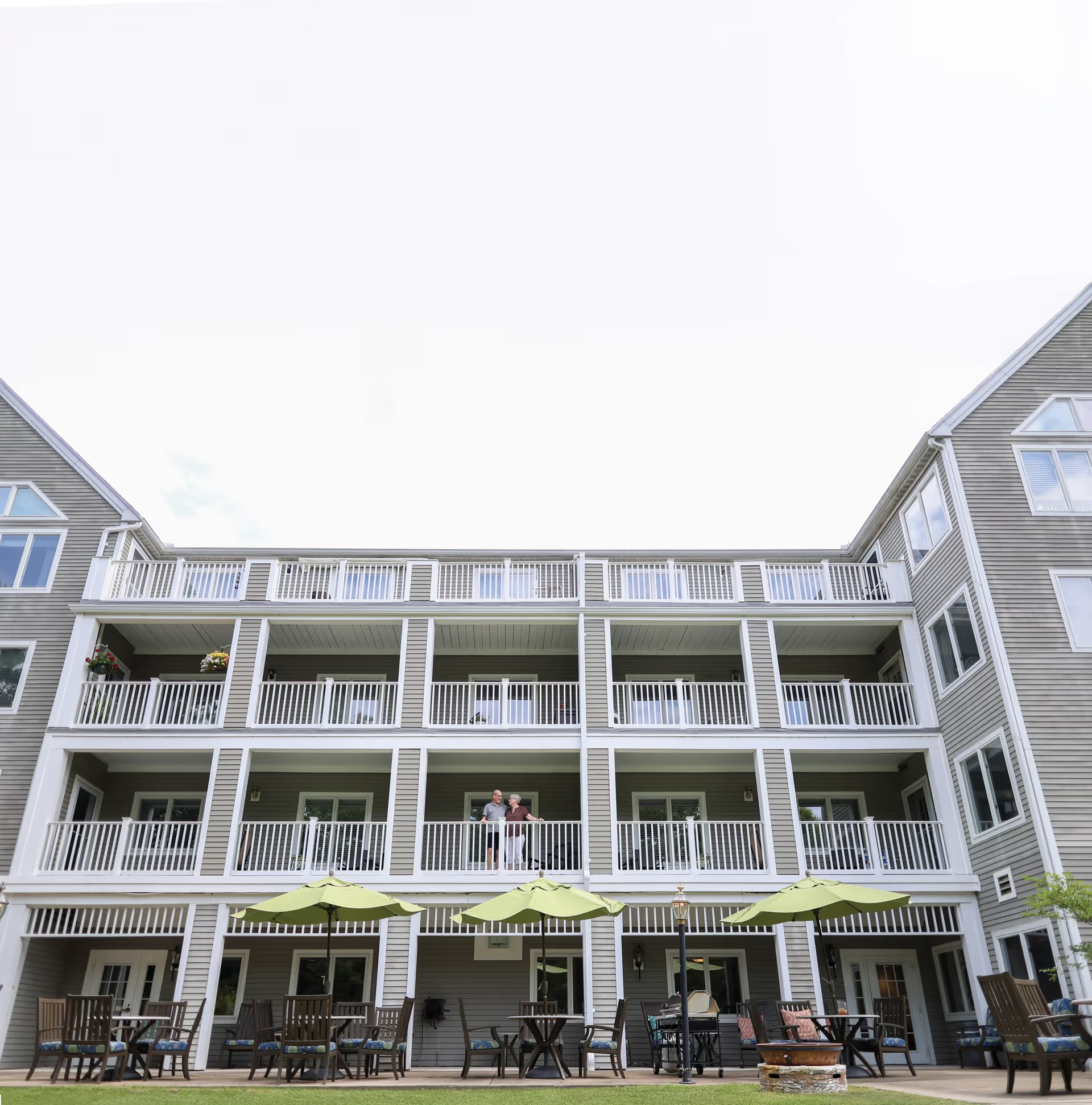
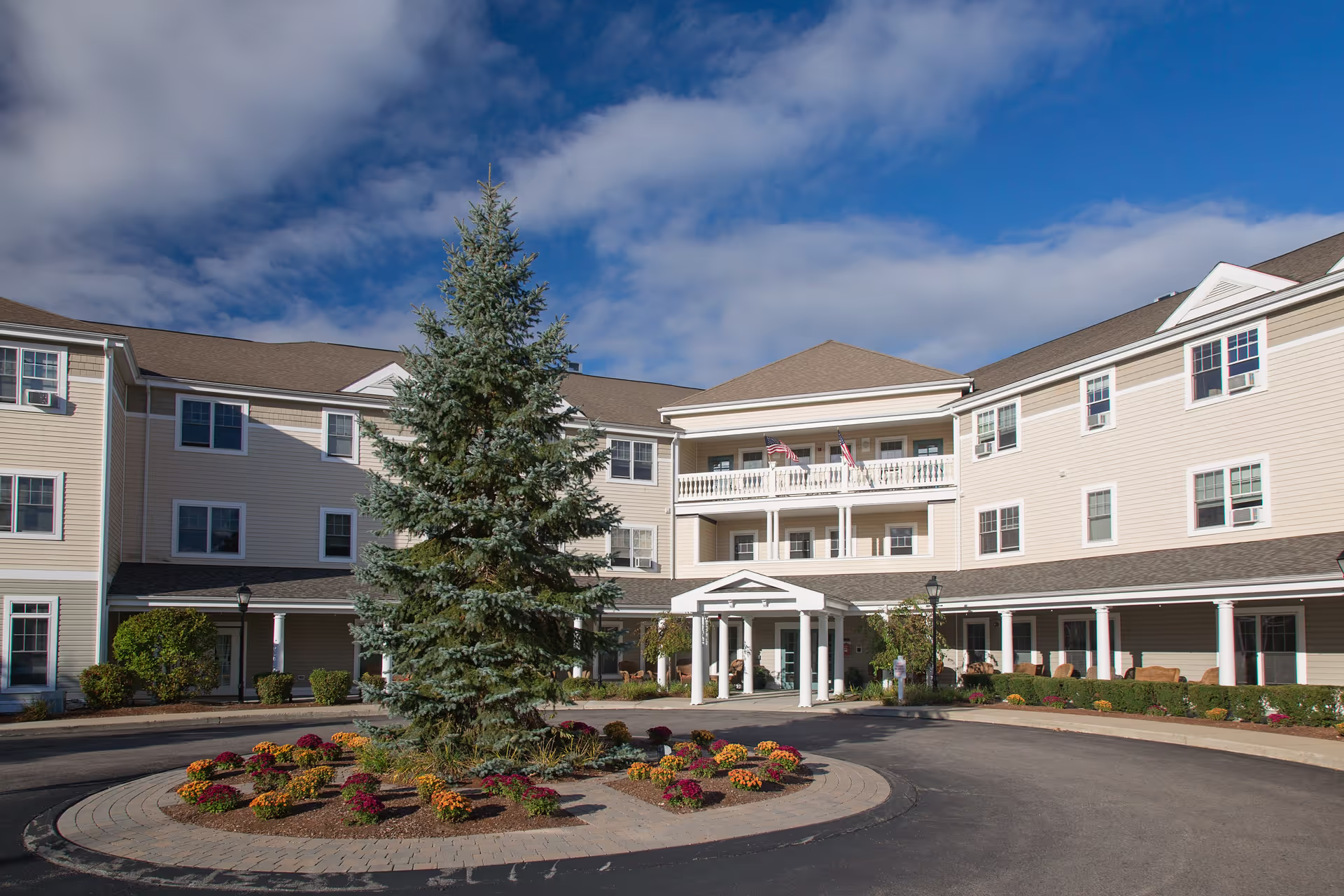
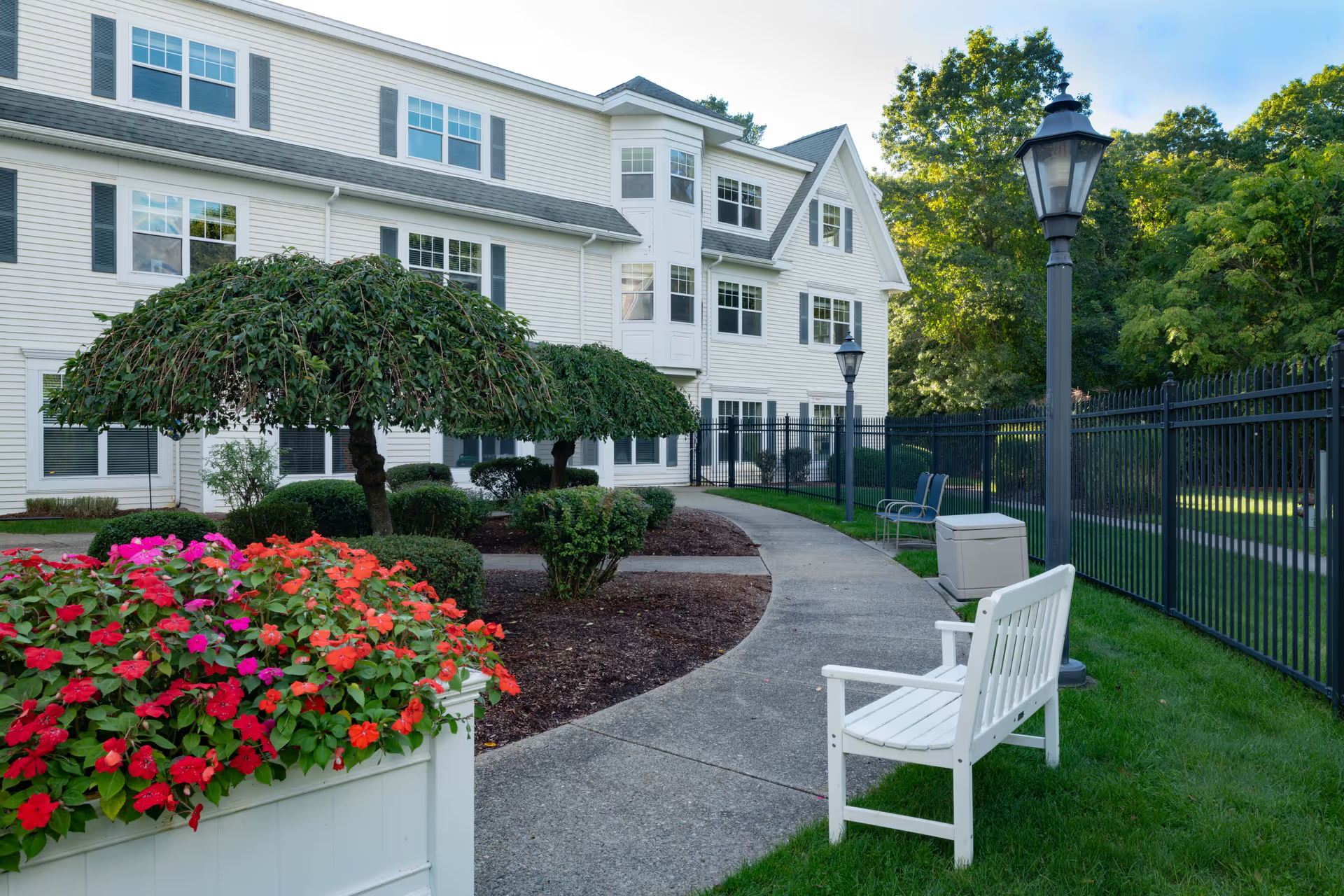
Facilities and amenities have positive elements alongside operational shortcomings. Rooms and common areas were described as clean and comfortable by some families, and amenities such as satellite TV and internet access were appreciated. Conversely, accessibility issues were noted for certain bathrooms and bedside rehab equipment, and property-security processes were questioned after reports of missing personal items.
Management and culture appear to be in transition for some reviewers. Several families described responsive, professional weekday staff and improvements under new leadership, while others experienced unhelpful or dismissive administrative interactions and variability in management follow-through. The overall pattern suggests the facility can deliver high-quality, therapy-focused rehabilitation when staffing and supervisory structures are functioning well, but there are recurrent operational gaps — staffing consistency, clinical monitoring, family communication, sanitation, and administrative responsiveness — that prospective residents and families should evaluate during tours and intake. Families considering placement may wish to inquire specifically about shift staffing levels, call-response metrics, oxygen and medication protocols, food-service arrangements for dependent eaters, and personal-item security before admission.