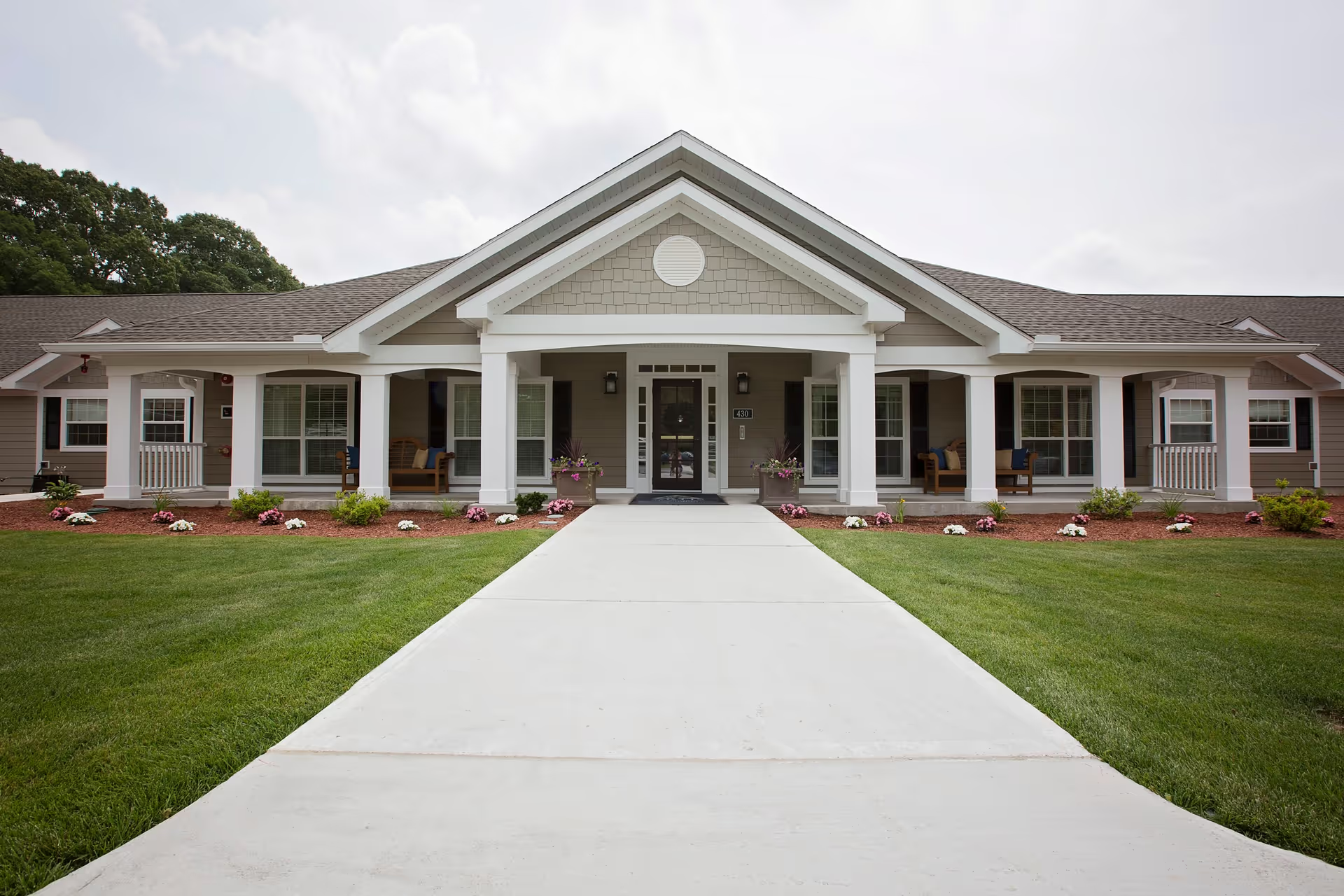
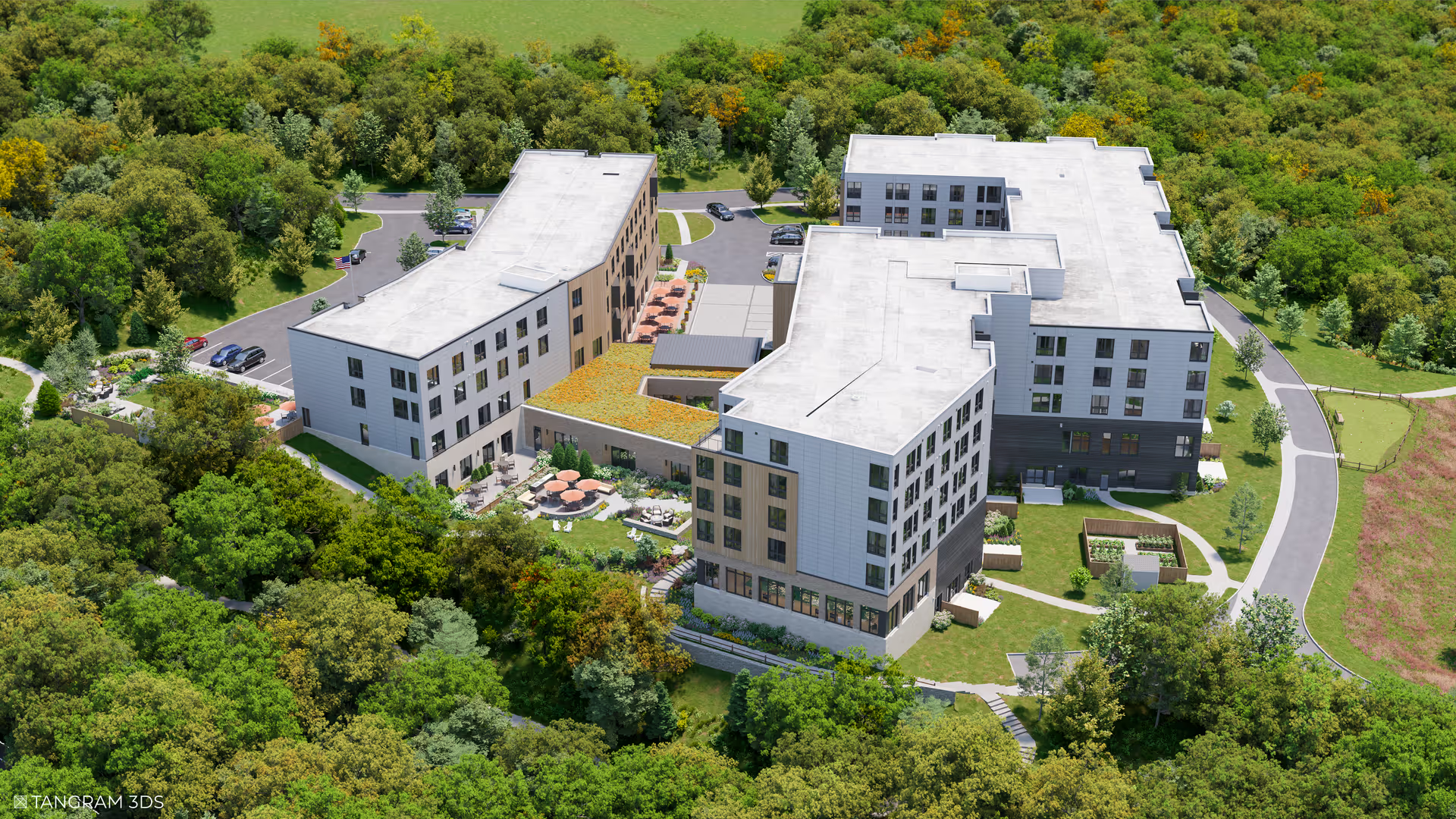
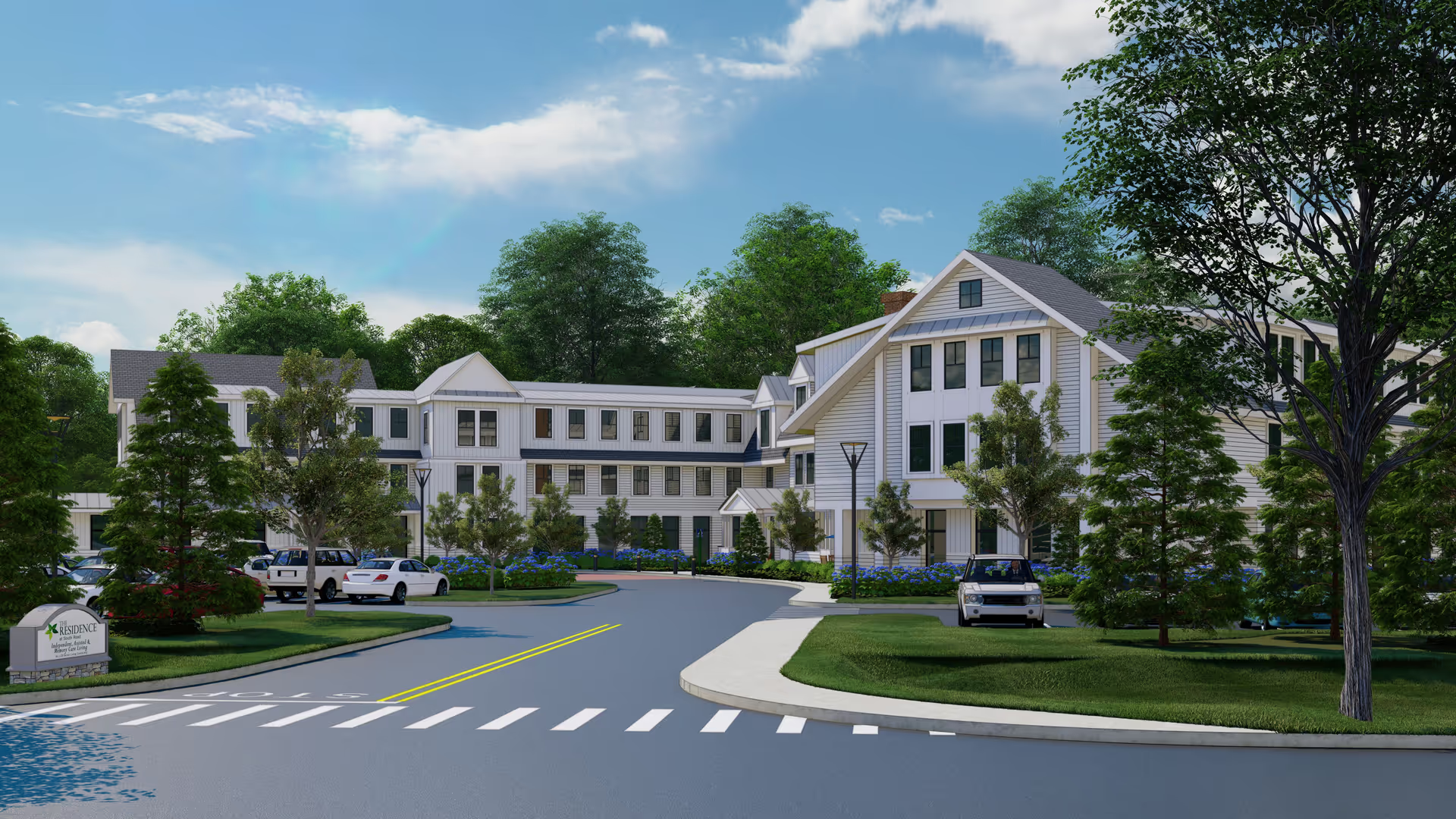
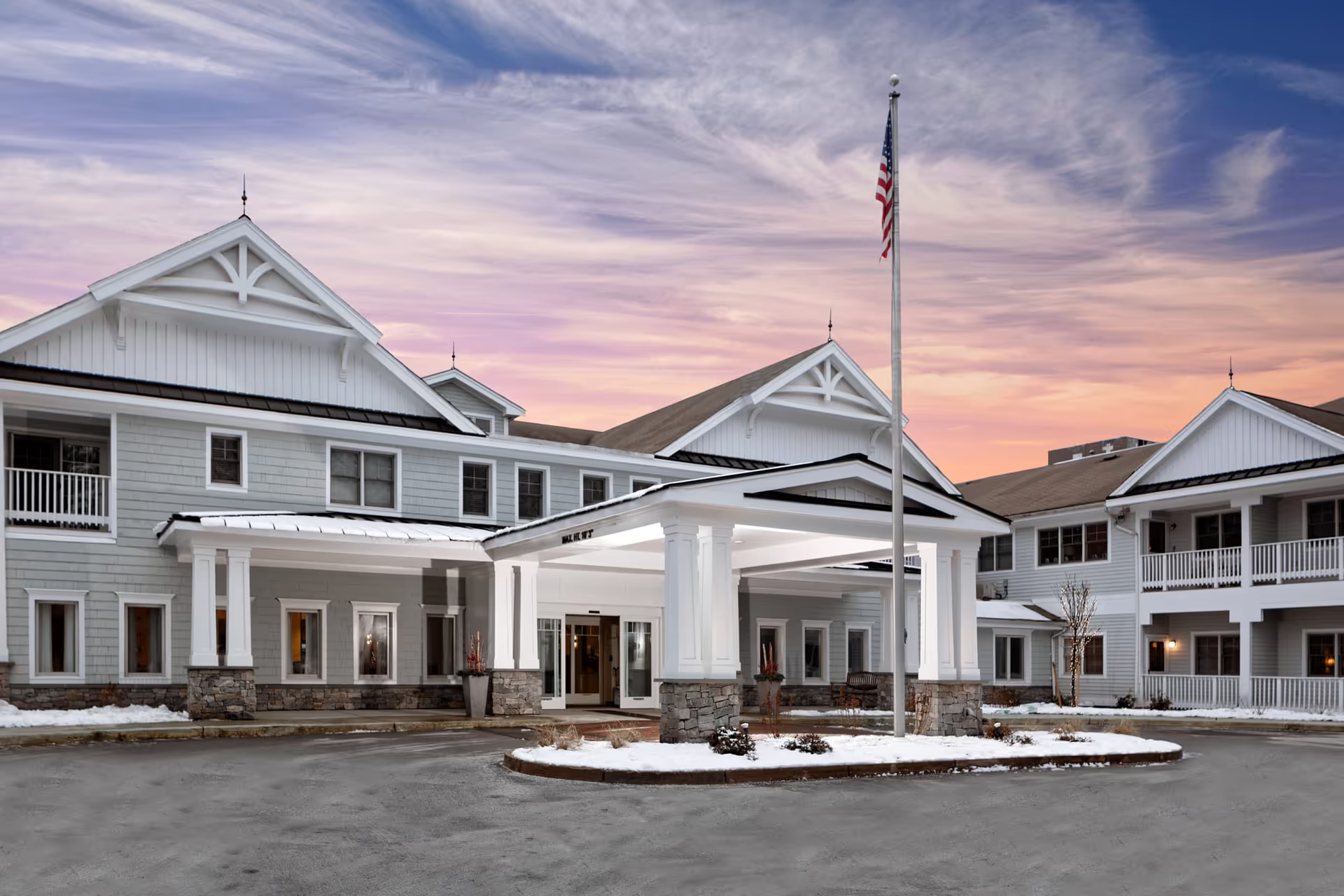
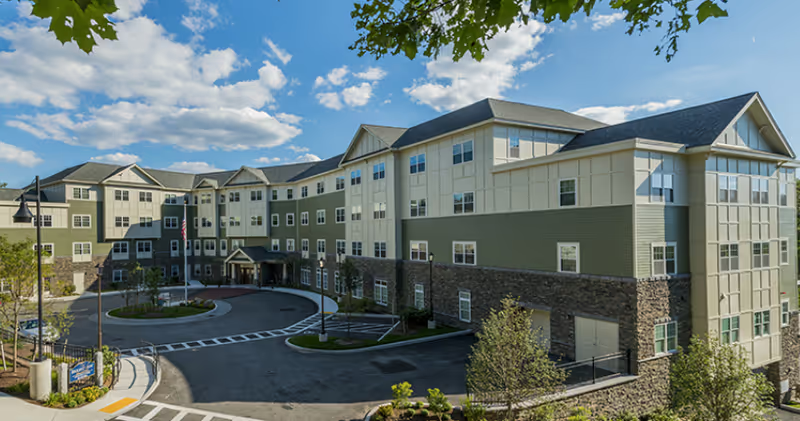
Benchmark Senior Living at Waltham Crossings elicits a broadly mixed but mostly positive set of impressions. Many reviewers praised the direct-care staff, CNAs, and nursing team for being compassionate, respectful, and attentive; families frequently cited strong personal interactions, proactive care coordination, and a generally warm, home-like atmosphere. The property itself is consistently described as modern, well-maintained, and attractively landscaped, with a bright dining room, an enclosed garden, and accessible circulation (handrails, well-lit hallways) that support resident mobility and comfort.
Care quality is a strong theme in the positive comments: reviewers note individualized attention, assistance with activities of daily living, coordination with rehab and hospice services, and helpful communication with families. At the same time, a number of reviewers describe operational staffing challenges—turnover among leadership and frontline staff and periods of understaffing—that can produce delays in assistance and variability in day-to-day service. Memory-care supervision and overnight coverage emerged as a particular area of concern for some families, who felt the secured memory unit could be better resourced and more vibrant.
Dining and nutrition receive mixed but generally favorable remarks. The dining room environment and portion sizes are frequently praised, and there is attention to dietary needs such as diabetes-friendly options. Others described inconsistency in food quality over time and menu repetition, suggesting menu variety and continuity are areas to monitor during a tour. Multiple reviewers also raised questions about cost; some find the pricing high for the space or services received, and billing transparency was repeatedly flagged as an operational weakness.
Programming and social life are strengths: the facility offers a broad slate of daily activities including movies, live music, bingo, arts and crafts, exercise, and outings. Engagement levels vary by resident group—some residents find the programming lively and appropriate, while others describe offerings as dated or insufficiently tailored to different age cohorts or cognitive levels. The memory-care unit was described by some as darker and less stimulating than the rest of the community, indicating uneven investment across levels of care.
Facility maintenance, safety, and amenities are generally seen as positive: clean rooms, private bathrooms in many units, an on-site salon, secure entrances, and a comfortable dining area. However, there are isolated sanitation and pest-control concerns described by reviewers, along with consistent comments about small room sizes and limited in-room amenities in certain unit types. These are facility-level features prospective residents should evaluate based on the specific apartment types available.
Management and financial practices show variability across reviews. Several families commended individual leaders and described strong, empathetic directors who improved staff morale and responsiveness. Conversely, others reported frequent managerial turnover, billing errors, and more serious allegations related to financial handling and charge resolution. Those patterns suggest that administrative transparency and current leadership stability are key items to verify during evaluation.
Recommendation for prospective families: arrange an extended tour that includes the memory-care neighborhood, a view of typical apartment types, a sample menu or meal, staffing-ratio information (including overnight coverage), and written billing/fee policies. Ask for recent staffing-tenure data, examples of how the community handles clinical incidents, and references from current families in the level of care you are considering. The facility offers many genuine strengths in staff warmth, amenities, and activities, but reviewers indicate variability in management, staffing continuity, and some operational areas that merit specific inquiry before placement.