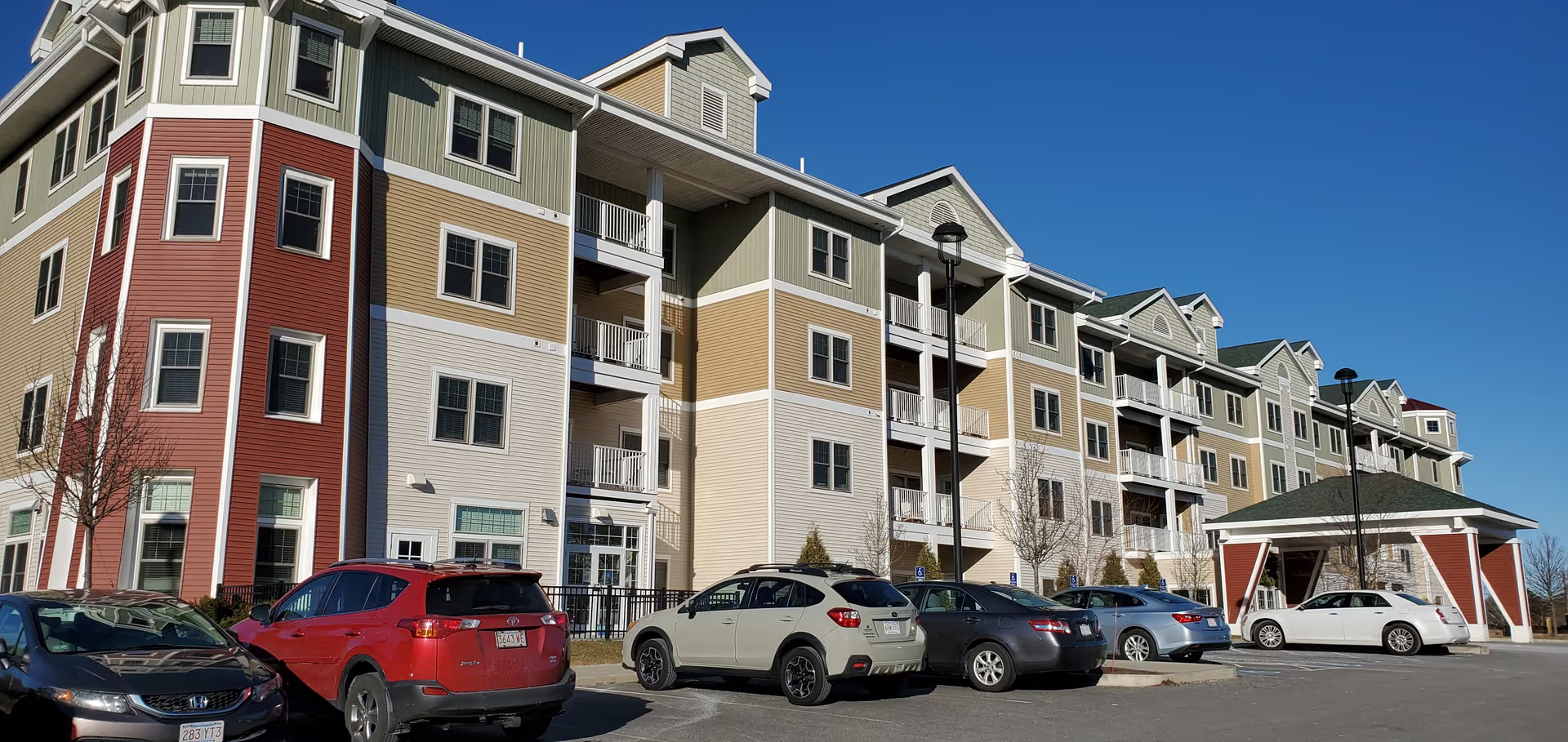
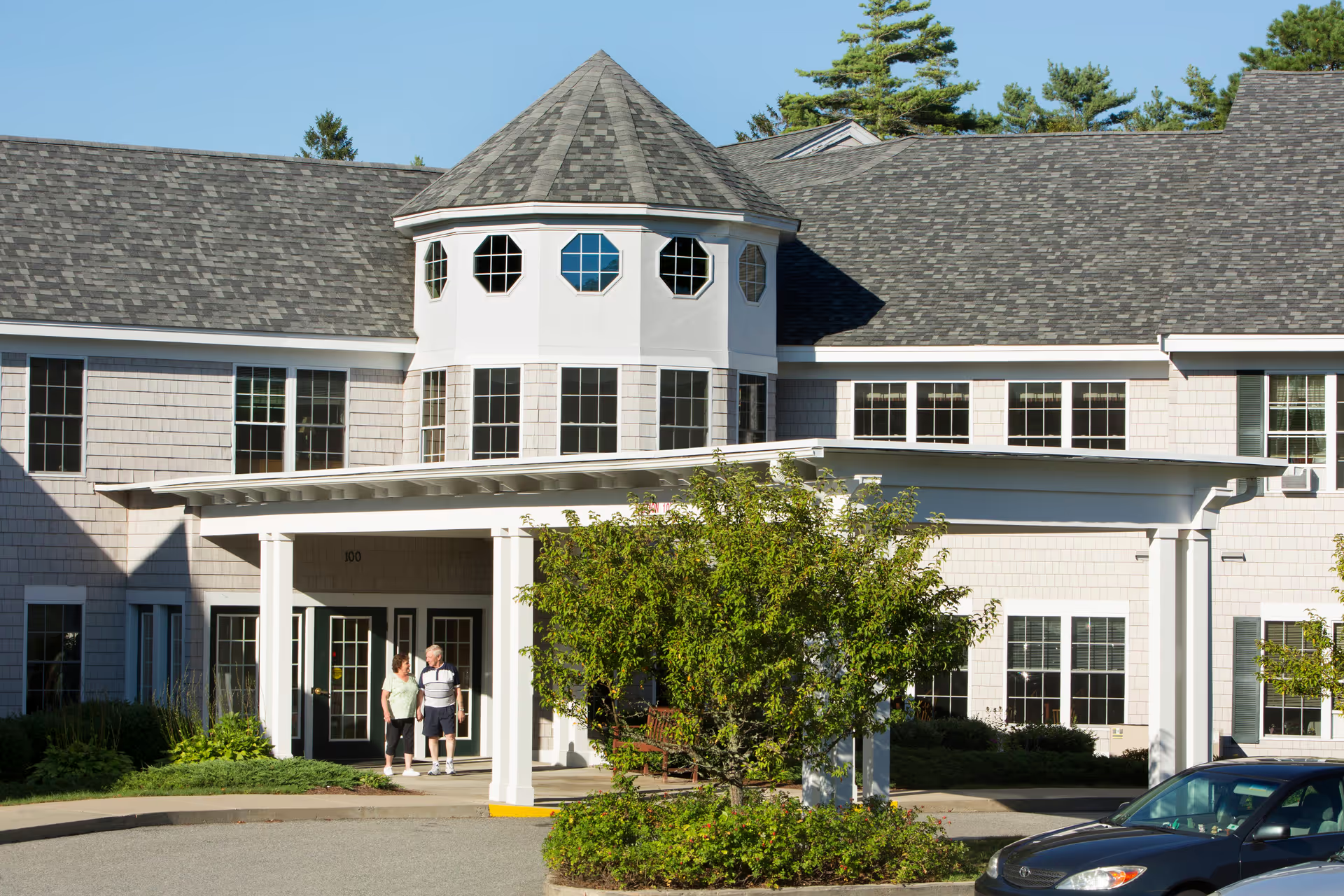
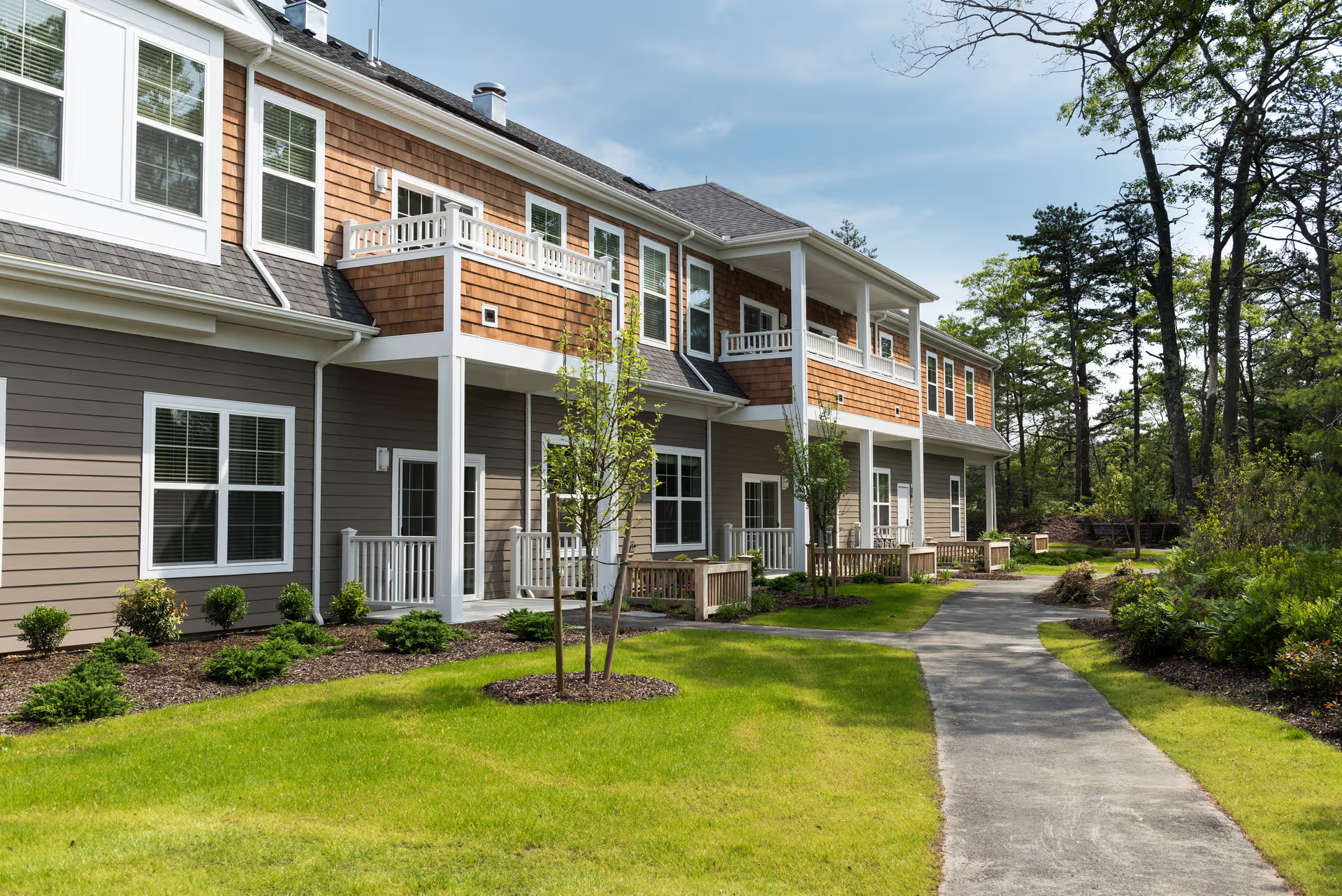
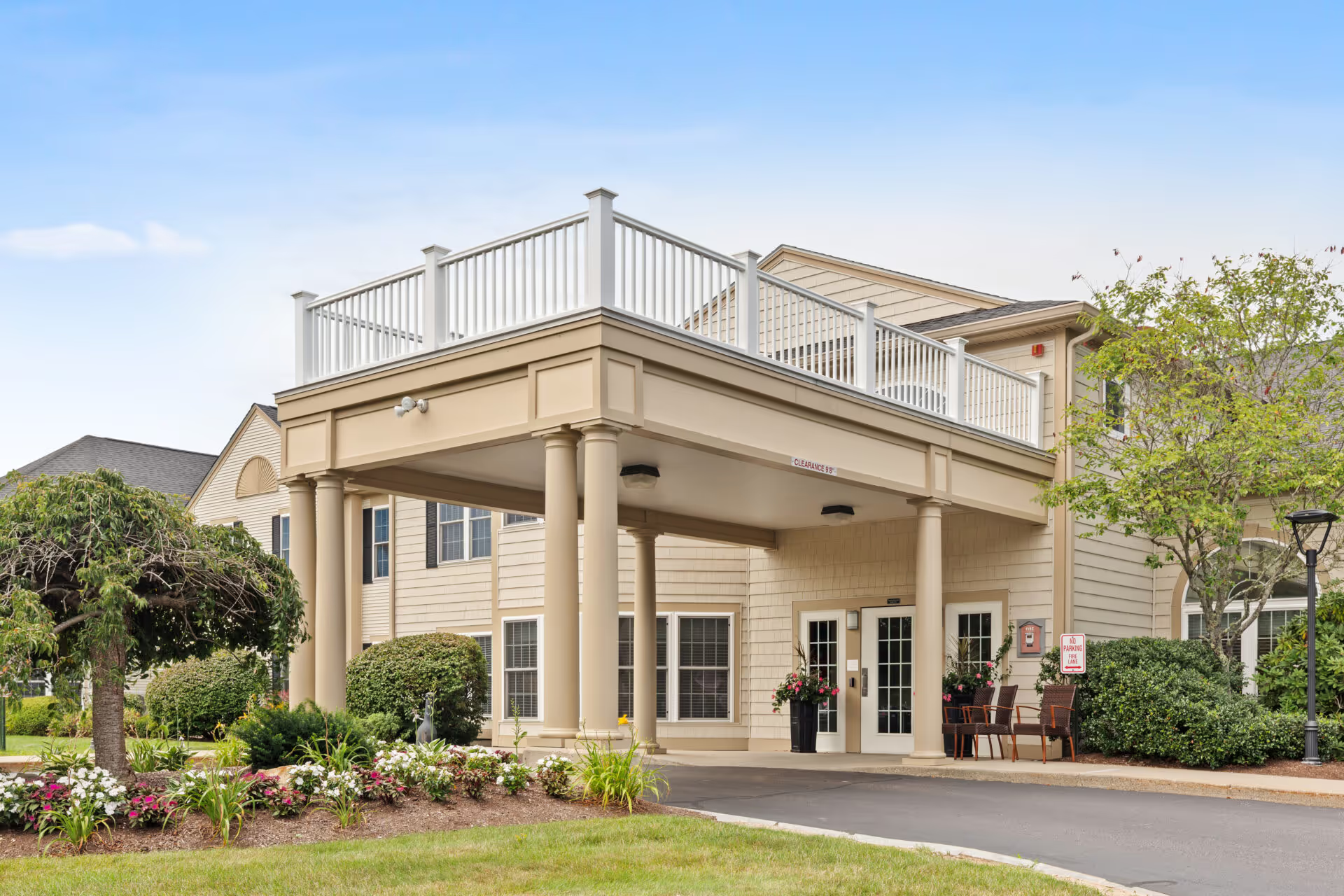
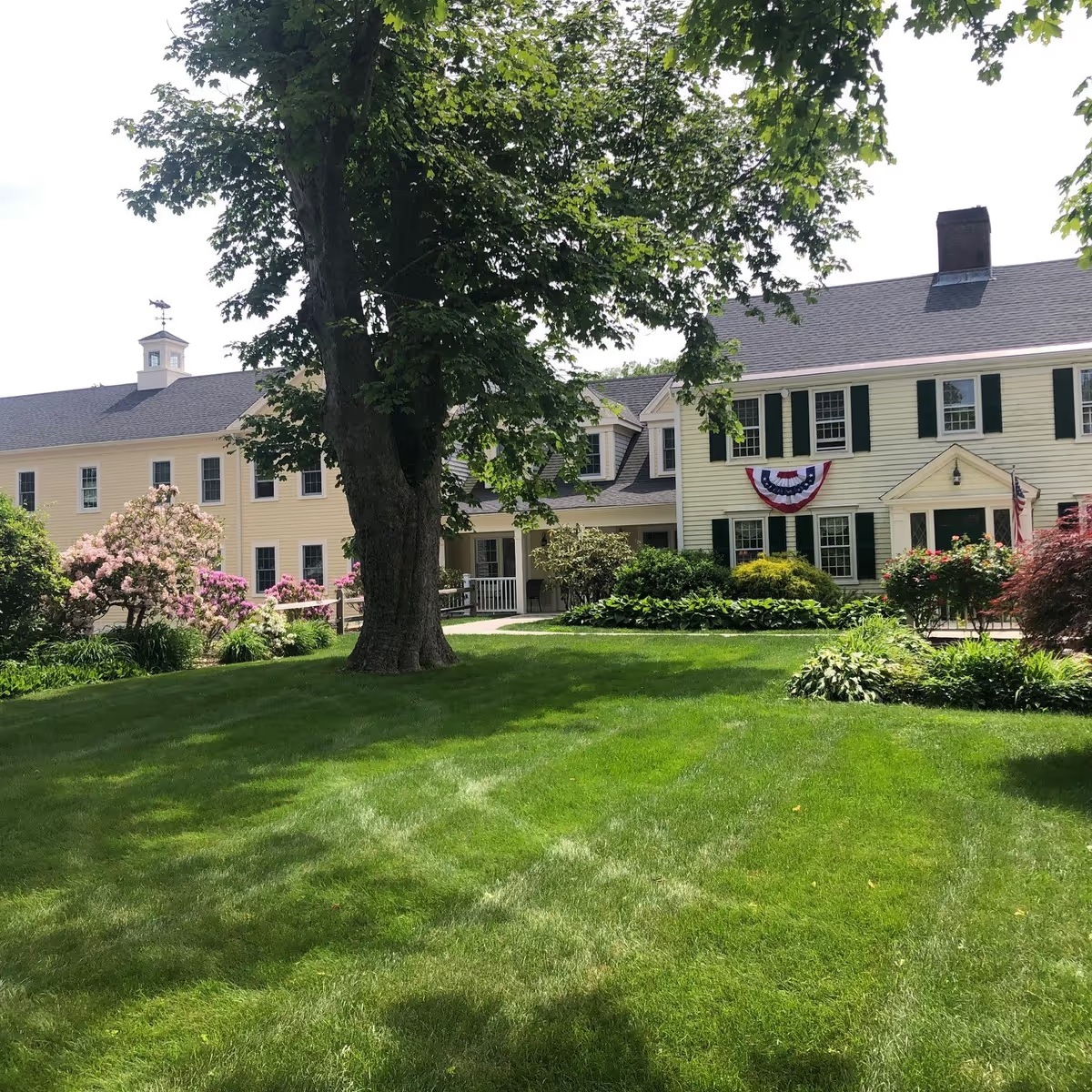
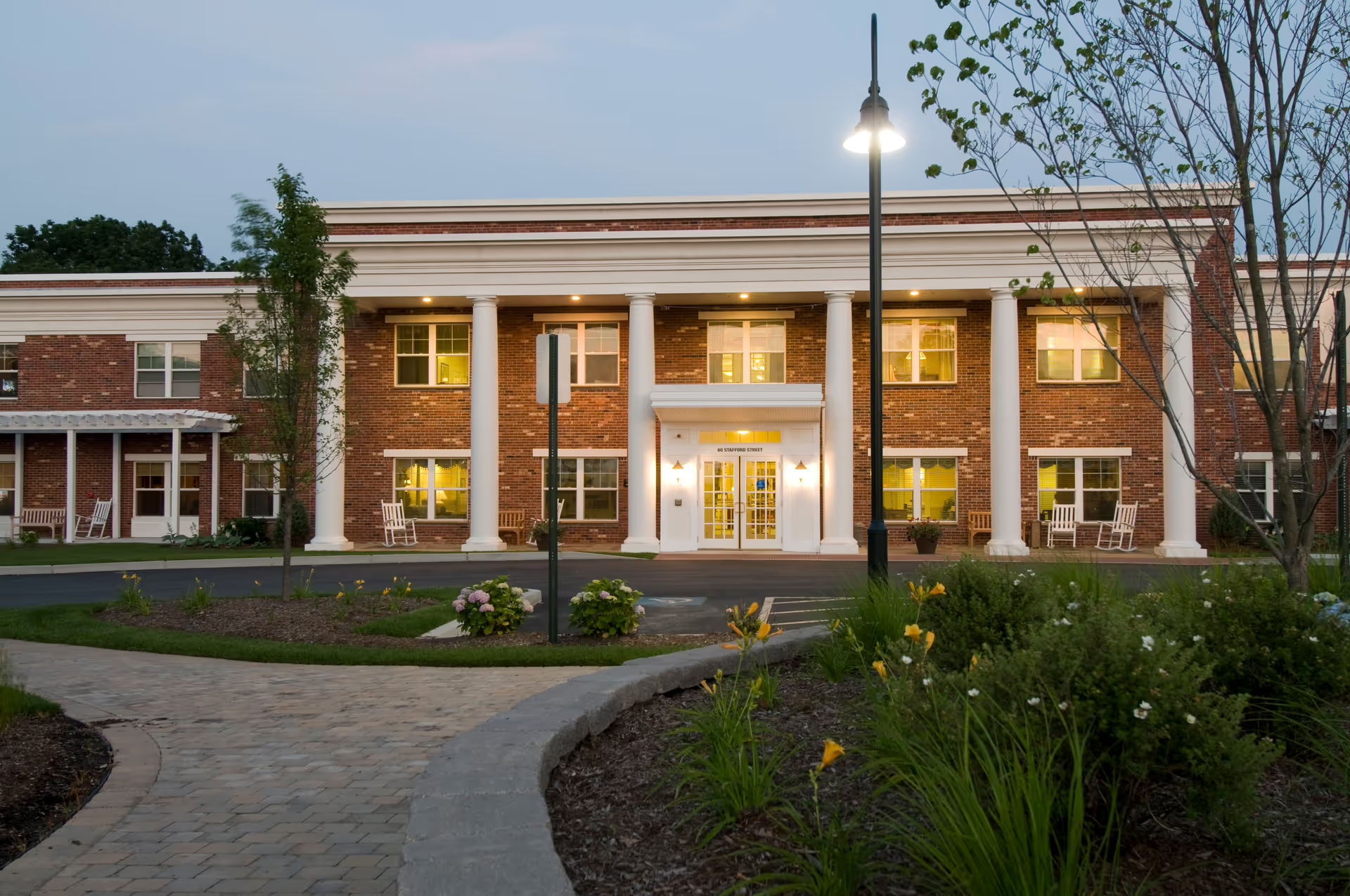
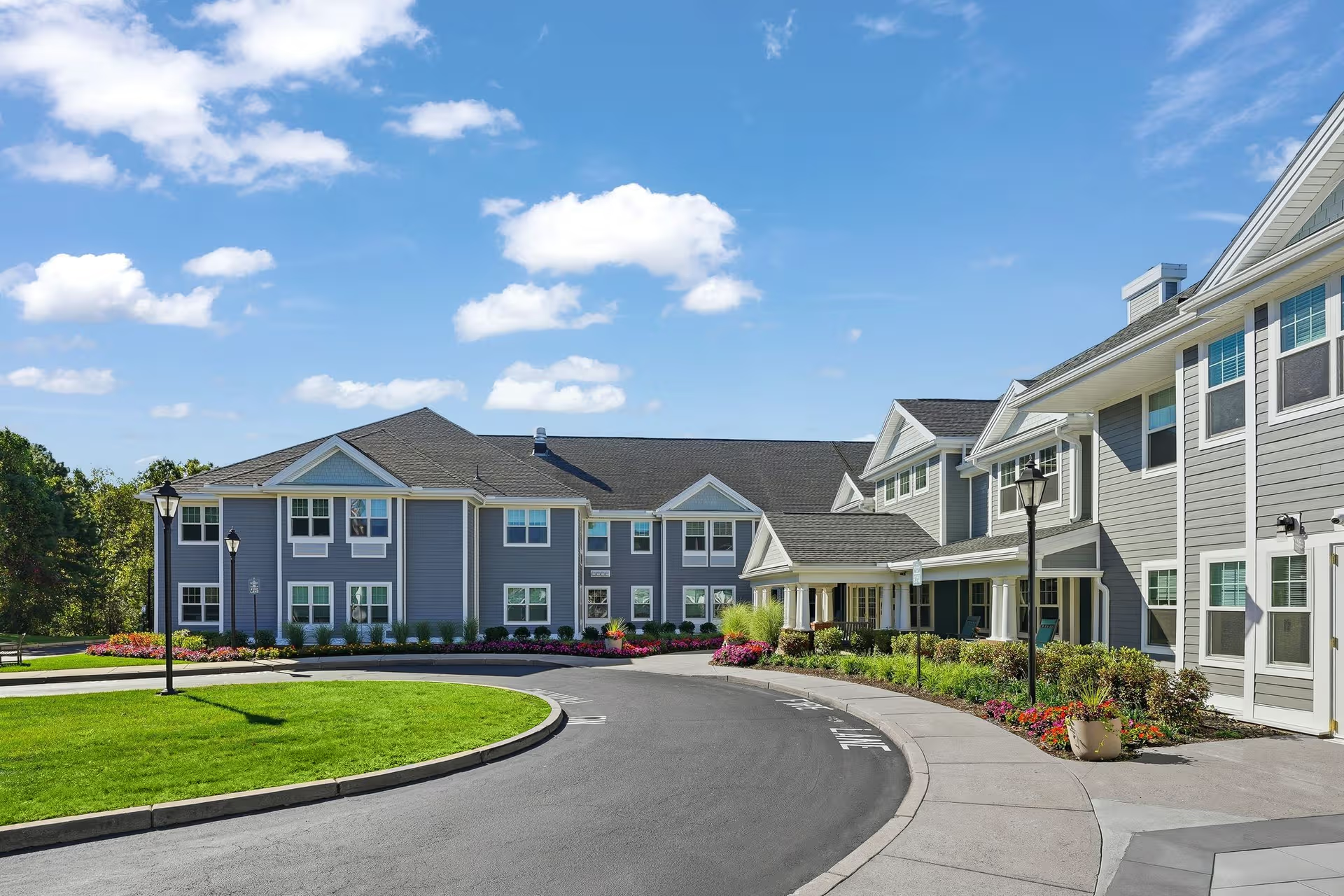
All American Assisted Living at Wareham presents as a recently opened, well-appointed community with a modern design and a setting overlooking cranberry bogs. Many families and visitors describe the physical plant as bright, clean, and thoughtfully laid out, with ample common-space amenities (library, media room, salon, exercise space, and secure outdoor courtyard). The facility offers on-site nursing and clinical coverage, a visible activities program, and a family-friendly orientation such as virtual tours and frequent updates.
Care quality and staffing are central strengths for a substantial portion of reviewers. Numerous comments highlight compassionate, personable caregivers and leadership that foster a family-like atmosphere; the memory-care team in particular receives repeated praise for creative programming and individualized transitions. At the same time, reviewers raise operational concerns tied to workforce stability: periodic staffing shortages, turnover, and uneven training—especially around challenging dementia-related behaviors—were described as contributing to variability in day-to-day care and responsiveness. A few families noted transfers to higher-acuity facilities when resident needs exceeded the community's in-house capacity.
Dining and nutrition are mixed themes. Many residents and families compliment the menu variety, transparent meal presentation, and pleasant dining environment; desserts and special events receive positive mention. However, there are recurring notes about inconsistent meal quality and limited availability of therapeutic or medically restricted diets (for example, sodium-restricted or specialized texture options). Kitchen leadership and consistency of meal service were flagged as areas for clarification during the admission process.
Activities are a clear strength in program design and variety: live entertainment, themed parties, crafts, exercise classes, games, and regular social events were frequently cited as contributors to resident engagement and improved quality of life. Practical limits were also noted—transportation capacity (wheelchair-van size) and the frequency of organized off-site trips may not meet every family's expectations, and some reviewers wished for more consistent scheduling of outings.
Facility maintenance and cleanliness receive largely positive comments about new finishes and attentive upkeep, but there are isolated sanitation concerns in shared spaces and occasional reports of visible staining or cleaning lapses. Unit configuration and availability are operational constraints for some families: one-bedroom or studio options may be limited, leading to shared rooms or two-bedroom arrangements that can generate privacy and billing concerns. Several reviewers also raised worries about the security of personal belongings and the facility’s inventory controls.
Management and administrative practices show both responsive examples and areas of friction. Many reviewers praised directors and staff who address concerns quickly and maintain active family communication. Conversely, some families perceived a sales-focused admission process, opaque fee structures (non-refundable fees and restrictive deposit/refund policies), and inconsistency in follow-up. There are isolated allegations of substandard property-management handling; these should prompt prospective residents to ask direct questions about policies, staffing ratios, training, and complaint procedures.
Overall, the community offers strong potential for families seeking a modern, activity-rich assisted living with an engaged caregiving team and on-site clinical coverage. Prospective residents and decision-makers should specifically evaluate unit availability (private vs. shared), written policies on admission fees and refunds, the community’s approach to specialized diets and high-dependency care, staffing ratios for memory care, and transportation/outing capabilities during a tour or meeting with leadership.