Overall impression: Reviews describe a polarized experience at Webster Manor Rehabilitation & Health Care Center, with strong praise for individual caregivers and therapy clinicians alongside repeated operational and clinical concerns. Families frequently note staff members who are caring, attentive, and able to establish rapport with residents; at the same time, persistent system-level problems — particularly around staffing, medication management, and rehabilitation intensity — contribute to variable outcomes.
Care quality and clinical issues: Clinical care appears inconsistent. Positive accounts cite dedicated nursing and therapy staff who facilitate progress, but other reports highlight delays in medication administration, poor coordination of meal and insulin timing, inadequate wound-care practices, and occurrences of skin breakdown. Fall incidents and limitations in monitoring or transfer safety point to weaknesses in fall-prevention protocols. Several reviews also describe gaps in discharge planning and therapy continuity, including early discharges without complete paperwork and limited follow-up therapy.
Staffing and staffing conduct: Many reviewers describe chronic understaffing, shift-to-shift variability, and high turnover that affect responsiveness and basic activities of daily living (ADLs). While some aides and therapists are singled out as exemplary and go beyond expectations, other accounts document inconsistent professionalism and conduct concerns. There are also serious allegations involving theft and interpersonal safety incidents between residents, which families identified as significant safety issues.
Dining and activities: Dining experiences are mixed. Some families praise flexible meal ordering and occasional high-quality meals, while others report cold or late trays, unappetizing selections, and concerns about nutritional adequacy for vulnerable residents. Activities programs receive some positive mentions (ice-cream socials and community outings), but reviewers also indicate that social engagement and therapy offerings can be limited, particularly when staffing is constrained or under infection-control restrictions.
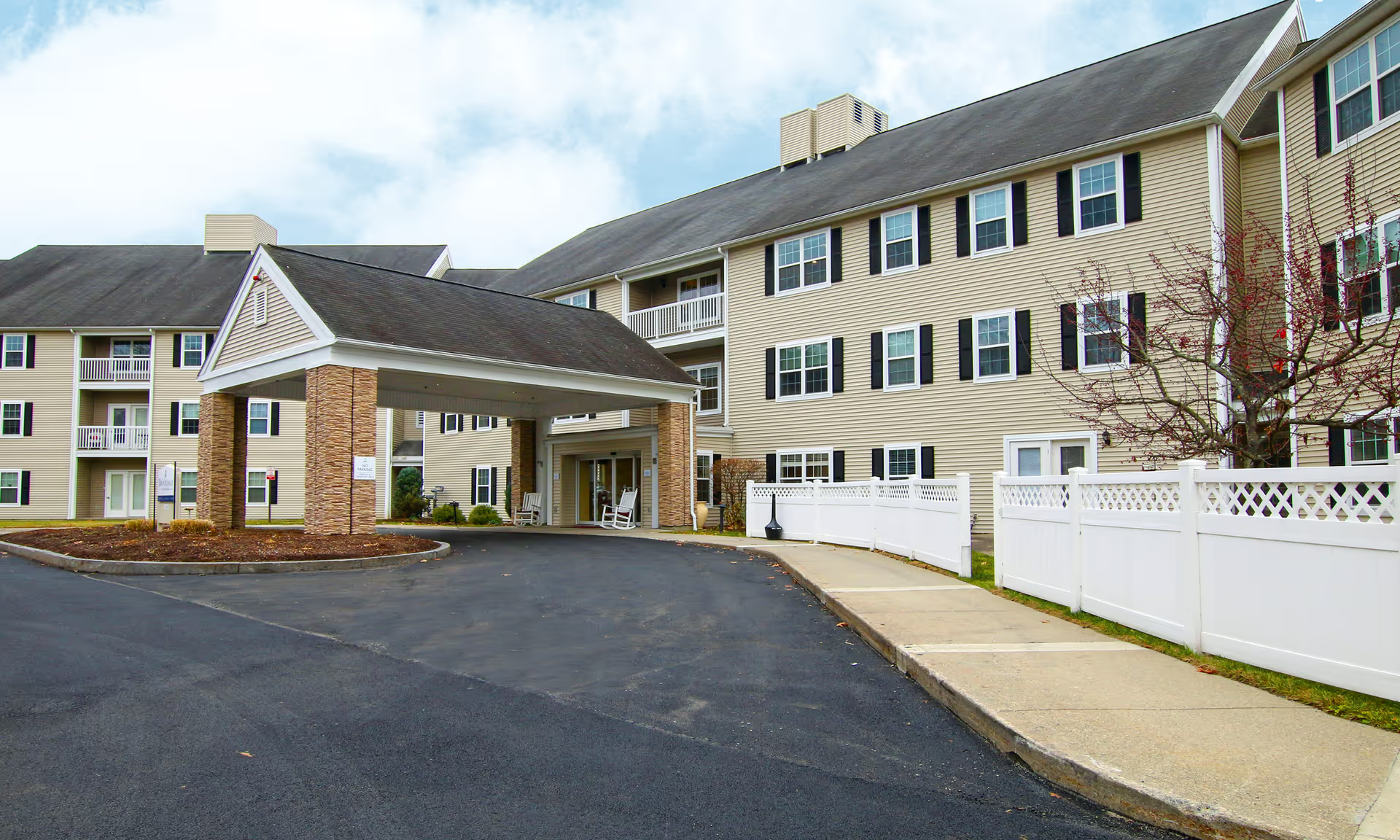
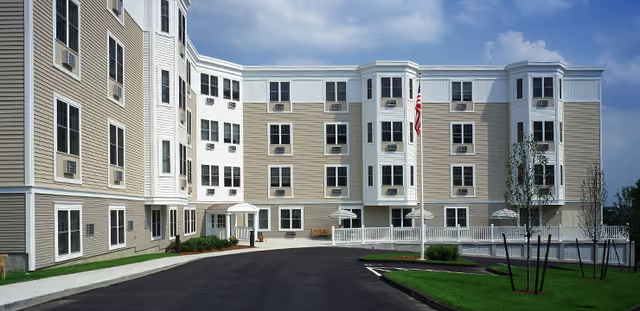
Facilities and operations: The building is described as serviceable but aging. Maintenance staff receive praise for addressing issues, yet reviewers also document recurring environmental problems including plumbing failures, intermittent hot-water outages, HVAC/air-conditioning issues, and roof concerns. Cleanliness and odor-management are inconsistent across units, and laundry and personal-property handling problems (lost or mislabeled items) are frequent operational complaints.
Management and communication: Communication and leadership are common areas of concern. Families report difficulty reaching staff, delayed or incomplete clinical updates, and an inexperienced or unresponsive administrative team. Documentation and logging practices are described as inadequate in some accounts, which compounds family frustration and complicates clinical oversight. A few reviewers point to an overall need for stronger leadership, clearer protocols, and improved family engagement.
Notable patterns and considerations: The strongest and most consistent positives relate to individual staff members (nurses, aides, and therapists) who provide attentive, person-centered care. The most significant systemic issues involve inconsistent staffing, medication and meal coordination, wound-care protocols, laundry/property management, and environmental reliability. Prospective residents and families should evaluate current staffing ratios, ask about medication and wound-care protocols, review discharge and therapy plans, and verify how the facility manages roommate placement and entry/security procedures. Visiting the facility in person and requesting recent quality metrics or a meeting with leadership may help assess whether the operational weaknesses described have been addressed.