The reviews describe a facility with a mixed performance profile: clear strengths in leadership transition, therapy, and certain day-to-day services coexist with persistent operational weaknesses. Several accounts emphasize recent leadership changes and a visible management presence that family members find reassuring; this leadership engagement appears to have coincided with targeted improvements in safety practices, family outreach, and administrative responsiveness. Specific staff members and departments — including front-desk personnel, social workers, therapy teams, and some long-tenured caregivers — receive repeated praise for compassionate interactions, assistance with insurance/VA navigation, coordinated transportation, and effective rehabilitative outcomes.
Clinical care quality is variable across shifts and units. Positive experiences include timely RN medication administration, effective therapy sessions, and cases where discharge and rehab produced measurable gains. However, many accounts point to operational gaps: inconsistent medication delivery, missed or delayed clinical interventions, uneven wound and post-operative follow-up, and occasions when clinical escalation was slow. These problems have sometimes resulted in rehospitalization or the need for higher-level care. The pattern suggests that established clinical protocols are not uniformly applied and that outcomes depend heavily on which staff are on duty.
Staffing and conduct are recurring themes. Reviewers note helpful, compassionate individuals alongside descriptions of inattentive or unprofessional behavior, inconsistent training, and periods of apparent understaffing. Common operational consequences reported include long wait times for assistance, poor responsiveness to call lights, and variability in personal-care routines (including concerns about incontinence-care timeliness and hygiene management). Communication style and tone from some staff have also been described as dismissive by families, while other families experienced respectful, accommodating interactions.
Dining and activities present another mixed picture. Activity staff and special events (holiday programming, parties, decorations) are frequently praised for engagement and resident enjoyment. Dining receives both positive and negative notes: some families appreciate tailored meals and attentive dietary accommodation, while others cite limited same-day choices, inconsistent meal quality, and delivery issues. Housekeeping and facility cleanliness are reported as adequate in many common areas, though isolated sanitation and odor concerns are noted and appear tied to staffing or process lapses rather than systemic facilities neglect.
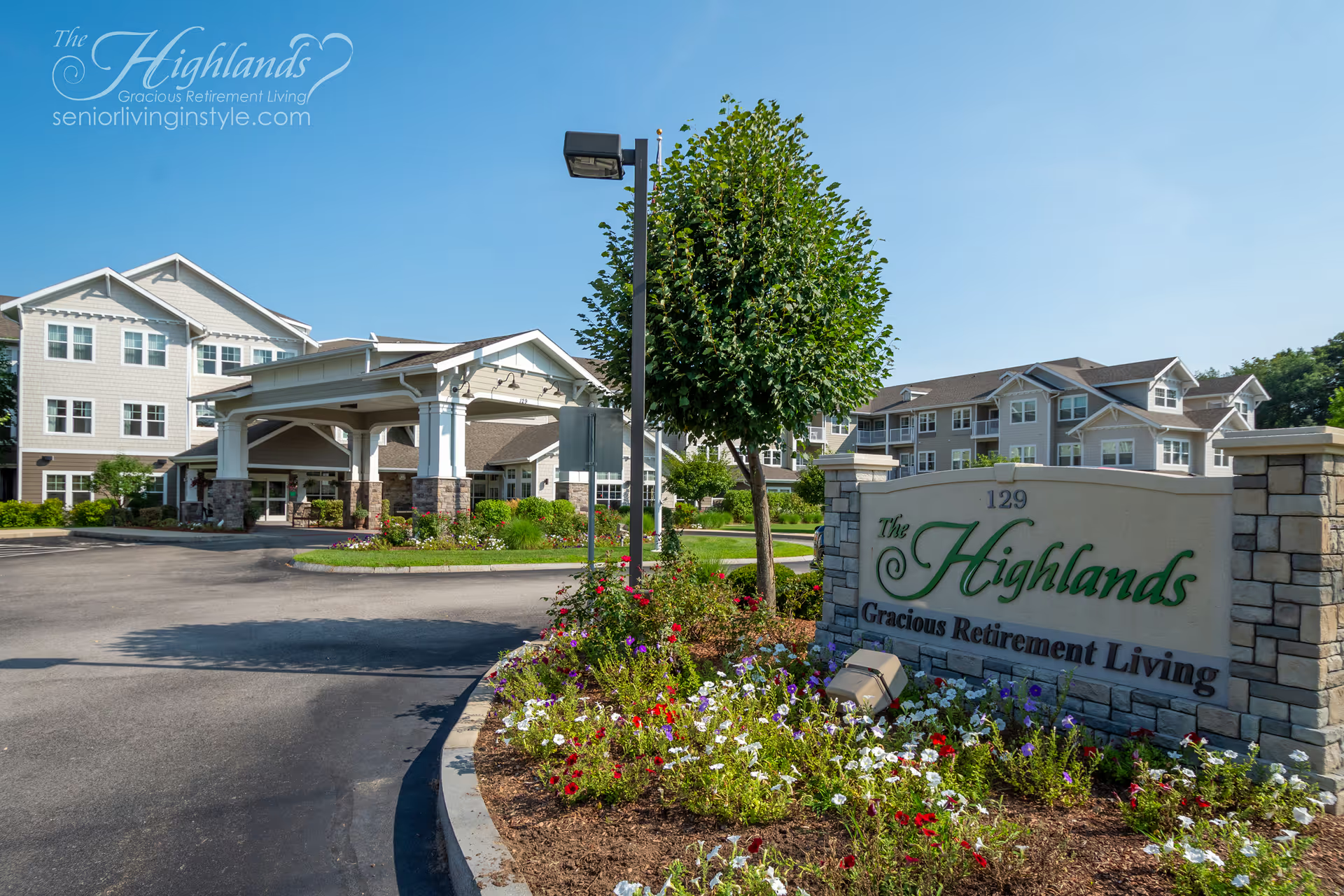
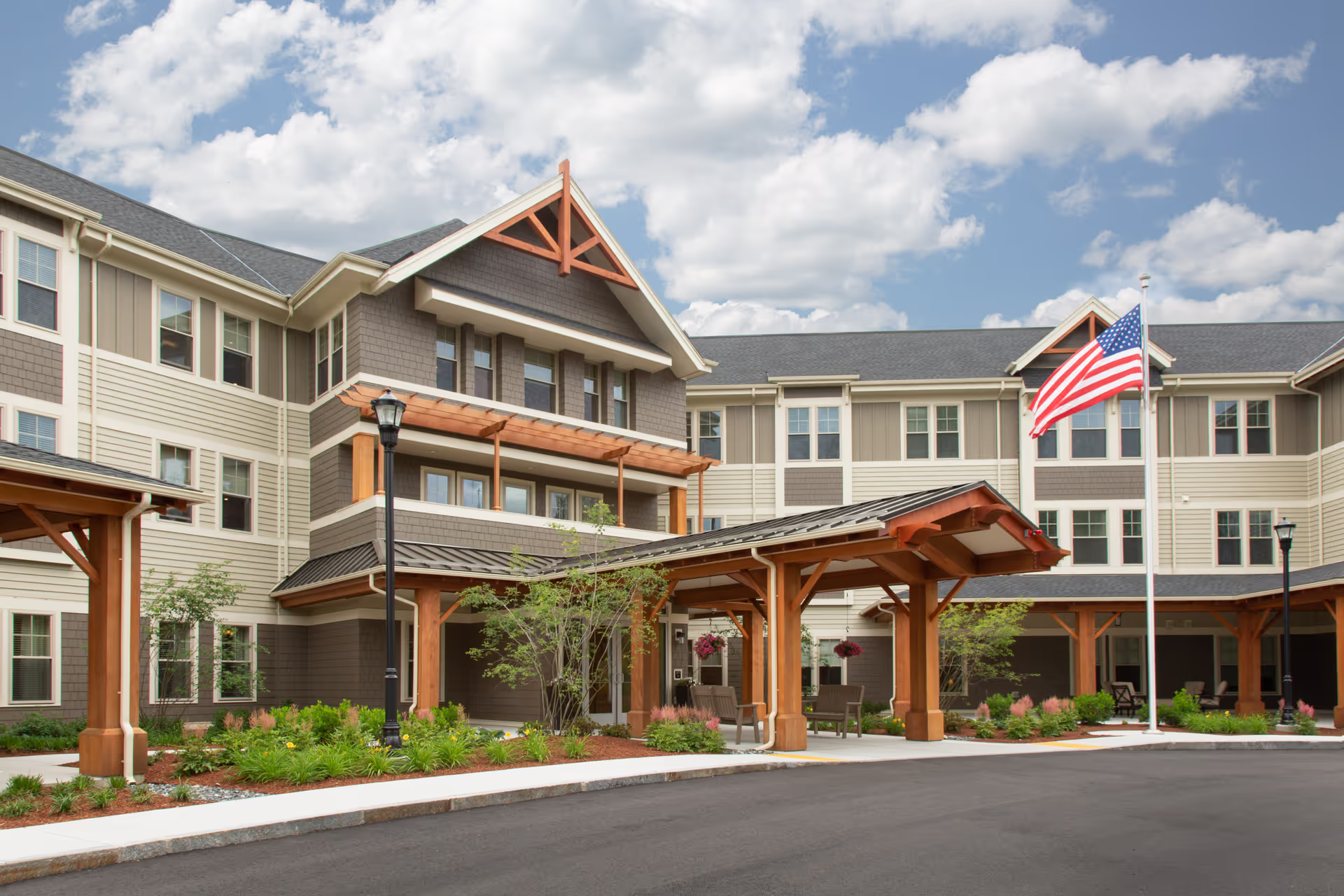
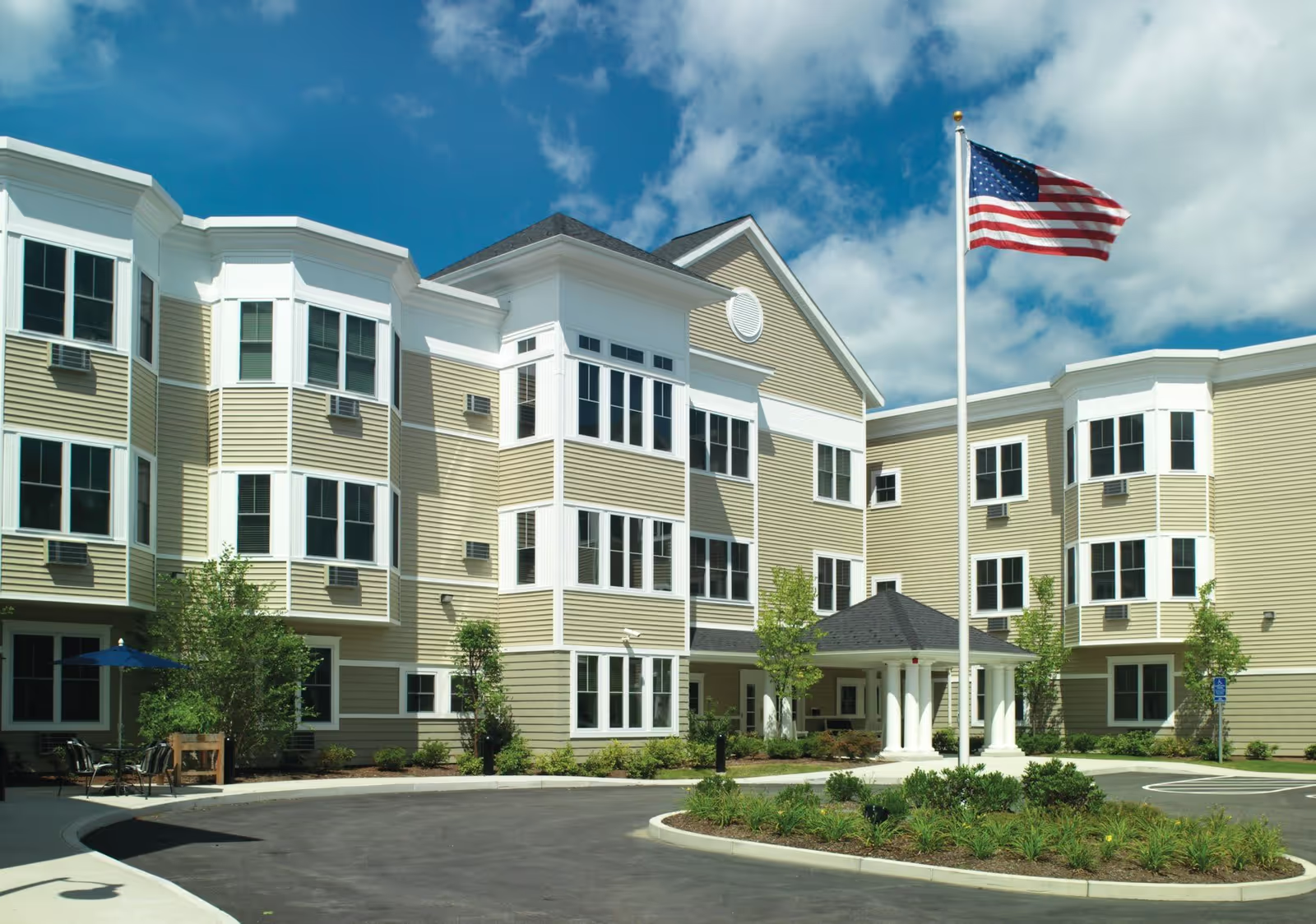
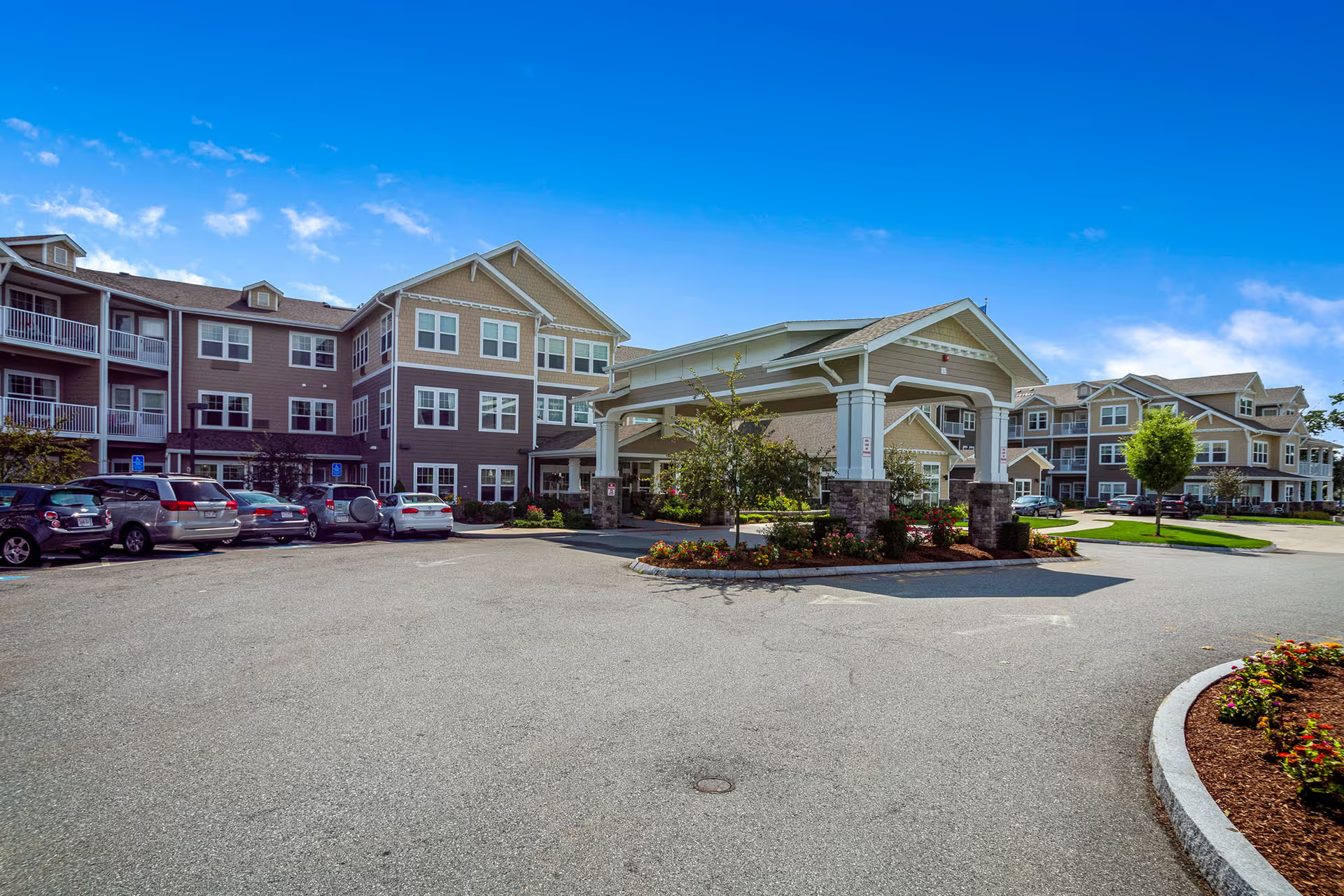
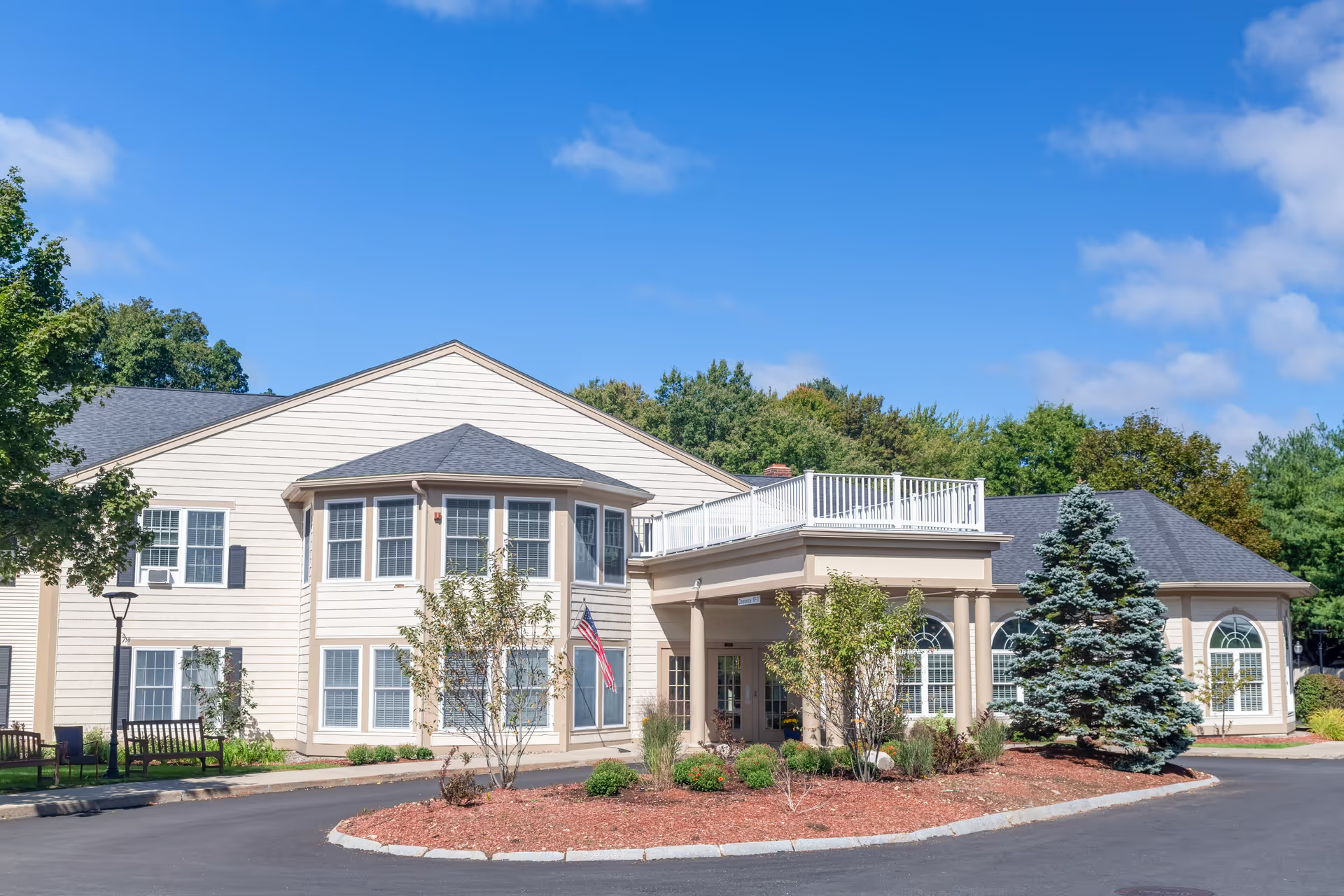
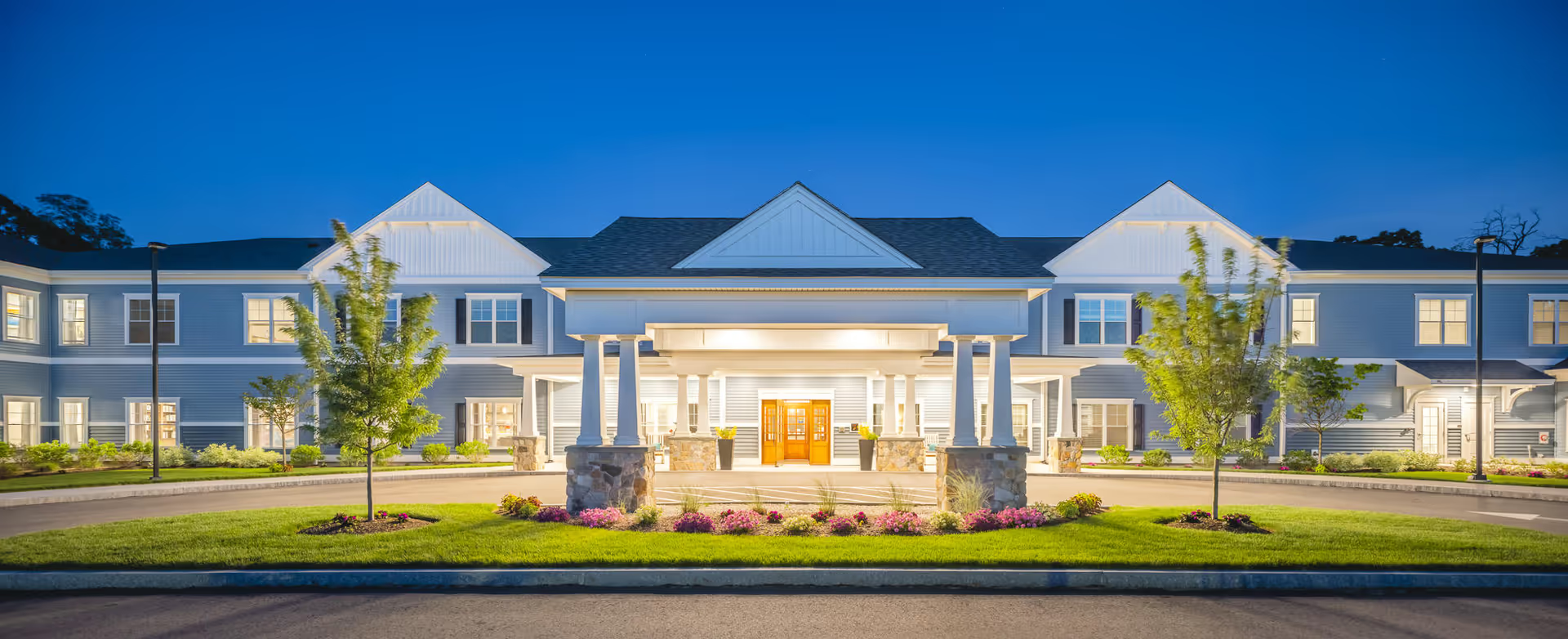
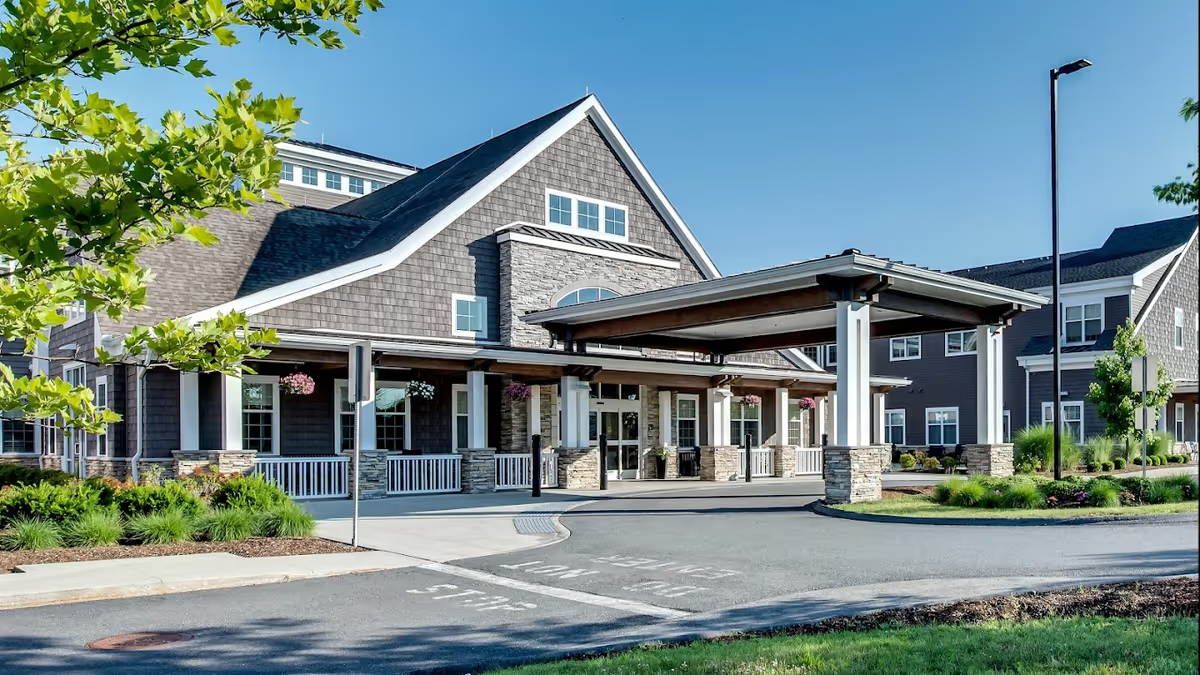
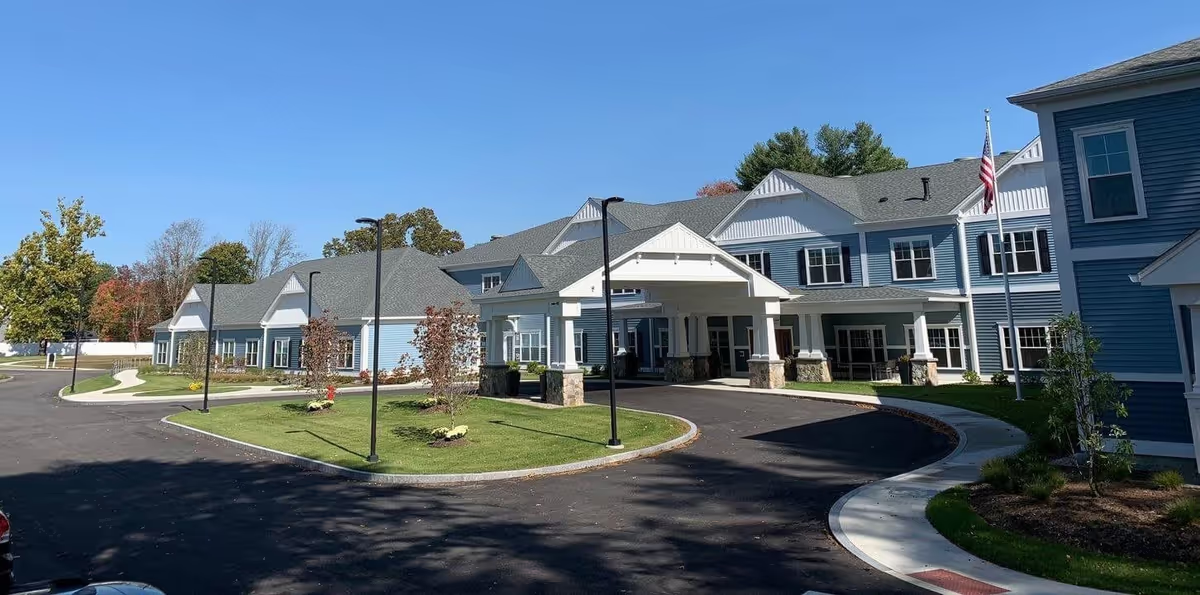
Facility environment and capacity issues emerged in several reviews. Some families describe crowding and constrained room configurations in parts of the building, which can affect privacy and perceived comfort. Conversely, other reviewers found the facility clean and well-maintained. Financial concerns and billing transparency were raised by a few families, suggesting prospective residents should review charges and contracts carefully.
Overall, the pattern is one of variability: there are clear examples of high-quality, compassionate care and effective administration, particularly where new leadership and engaged staff are present, but persistent operational weaknesses — staffing inconsistency, gaps in medication and clinical processes, episodic responsiveness problems, and uneven meal service — create risk for families seeking consistently reliable long-term care. Prospective residents and families would benefit from an in-person visit across multiple shifts, focused questions about staffing ratios, medication-administration protocols, call-response times, wound and post-op care pathways, dining menus and delivery procedures, and documentation of administrative charges to better assess whether the facility’s current improvements align with their expectations.