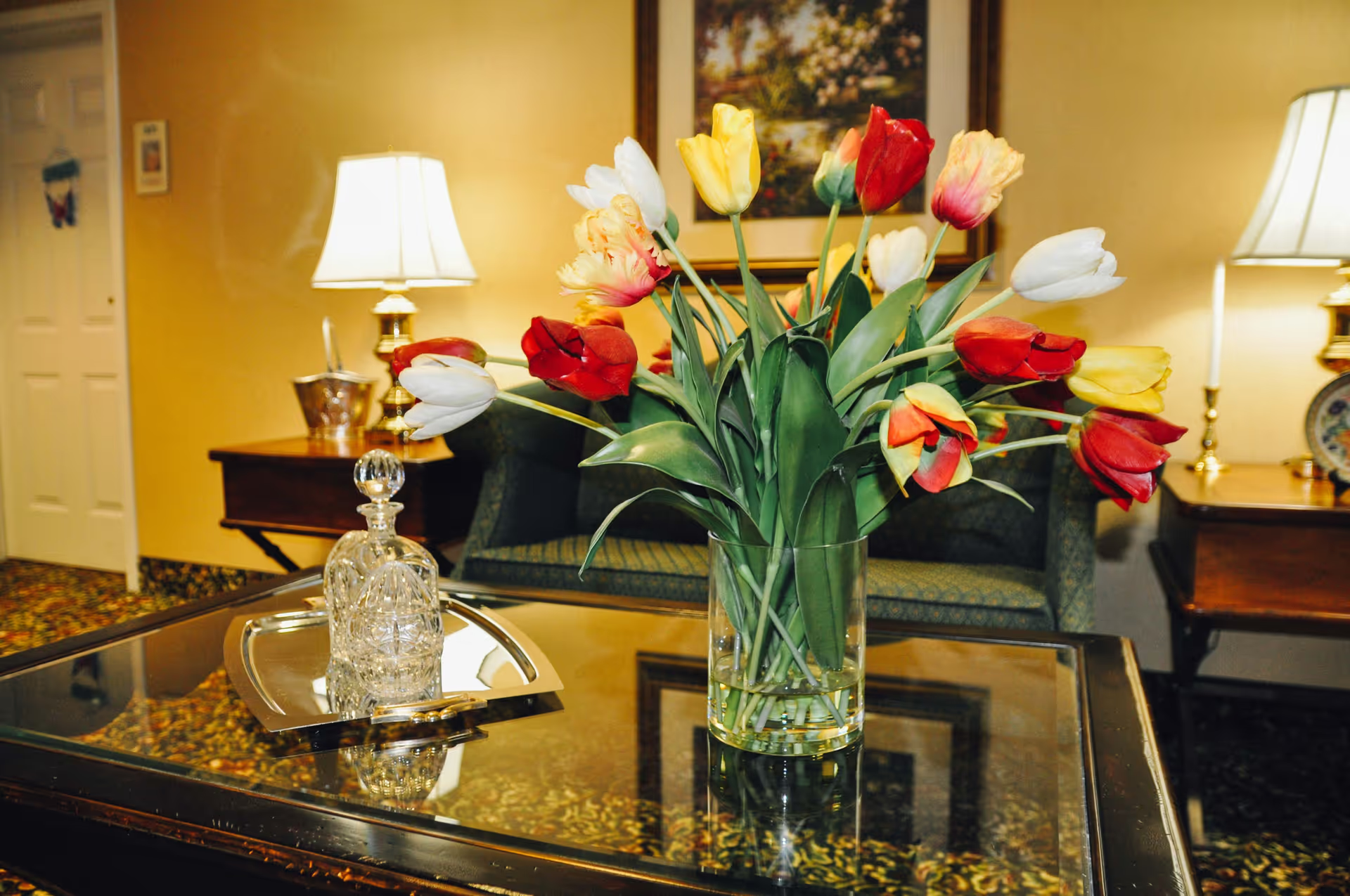
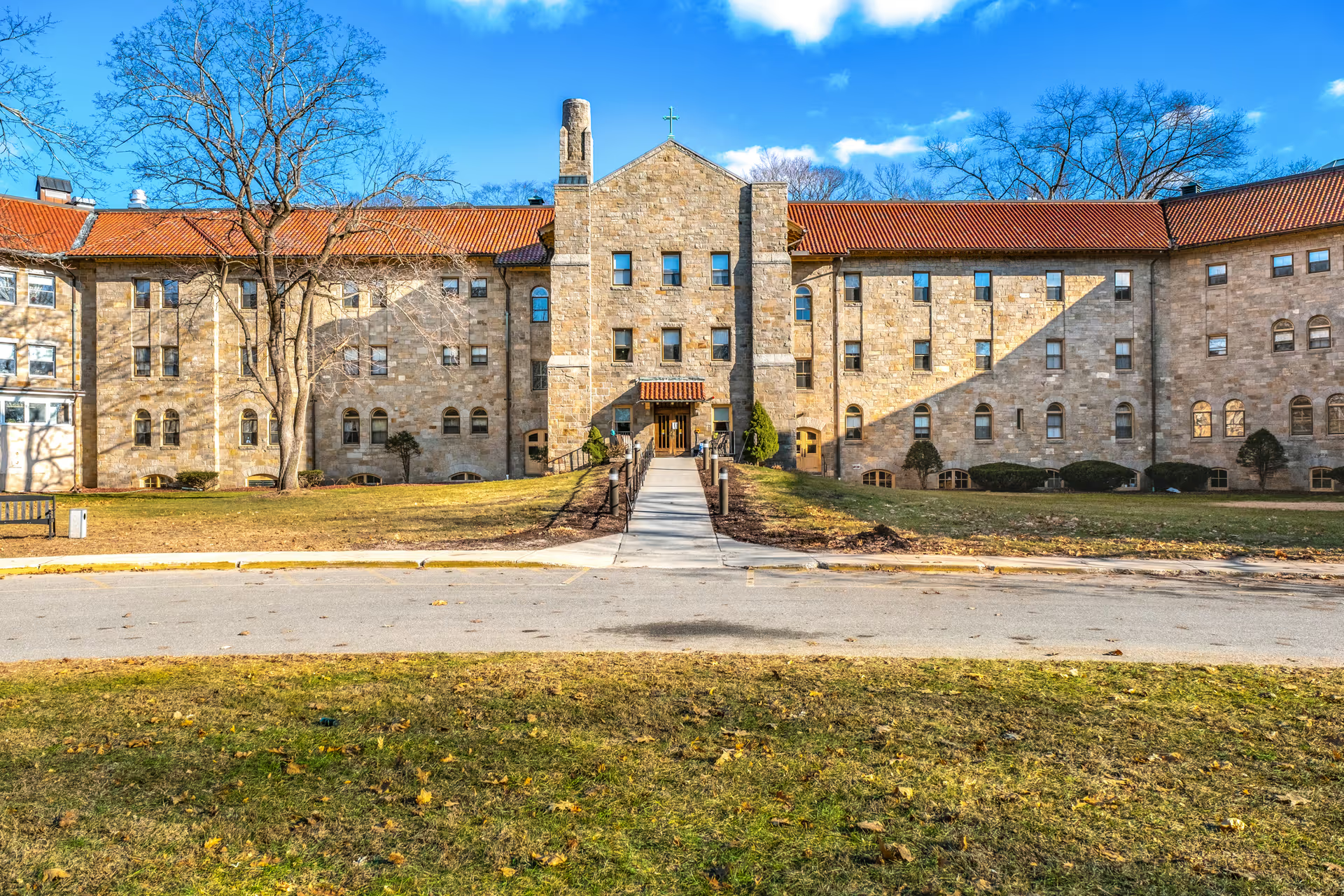
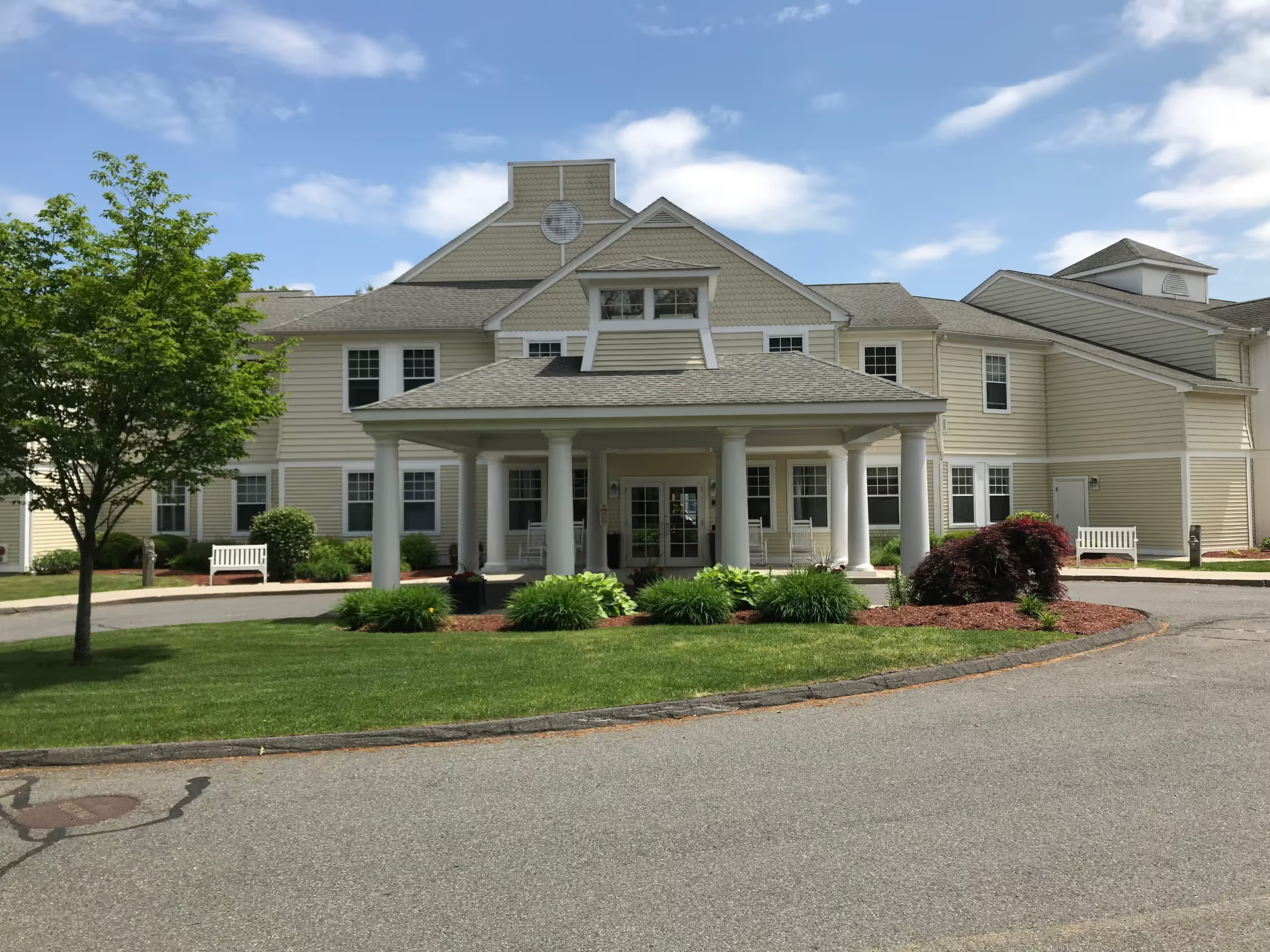
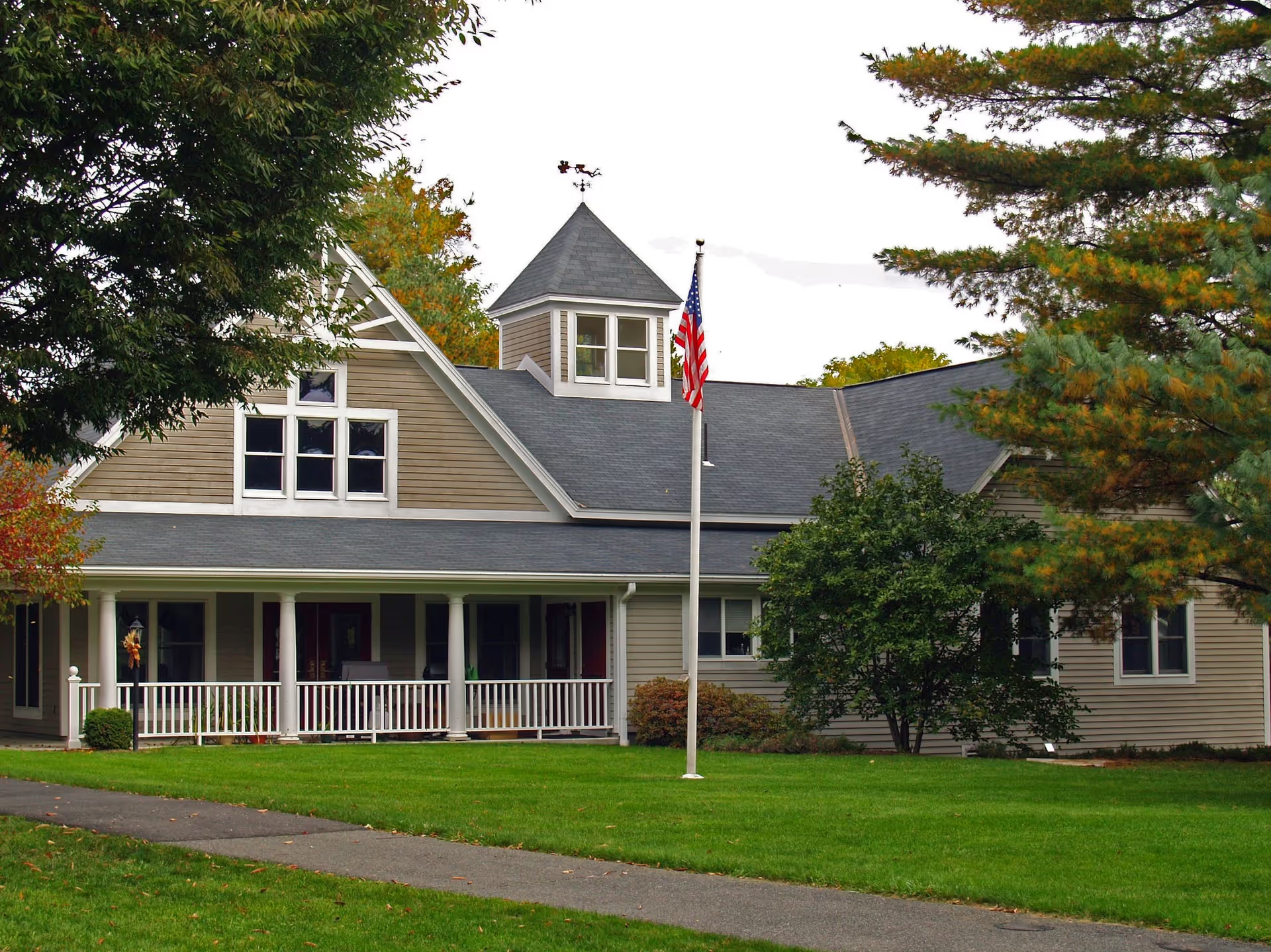
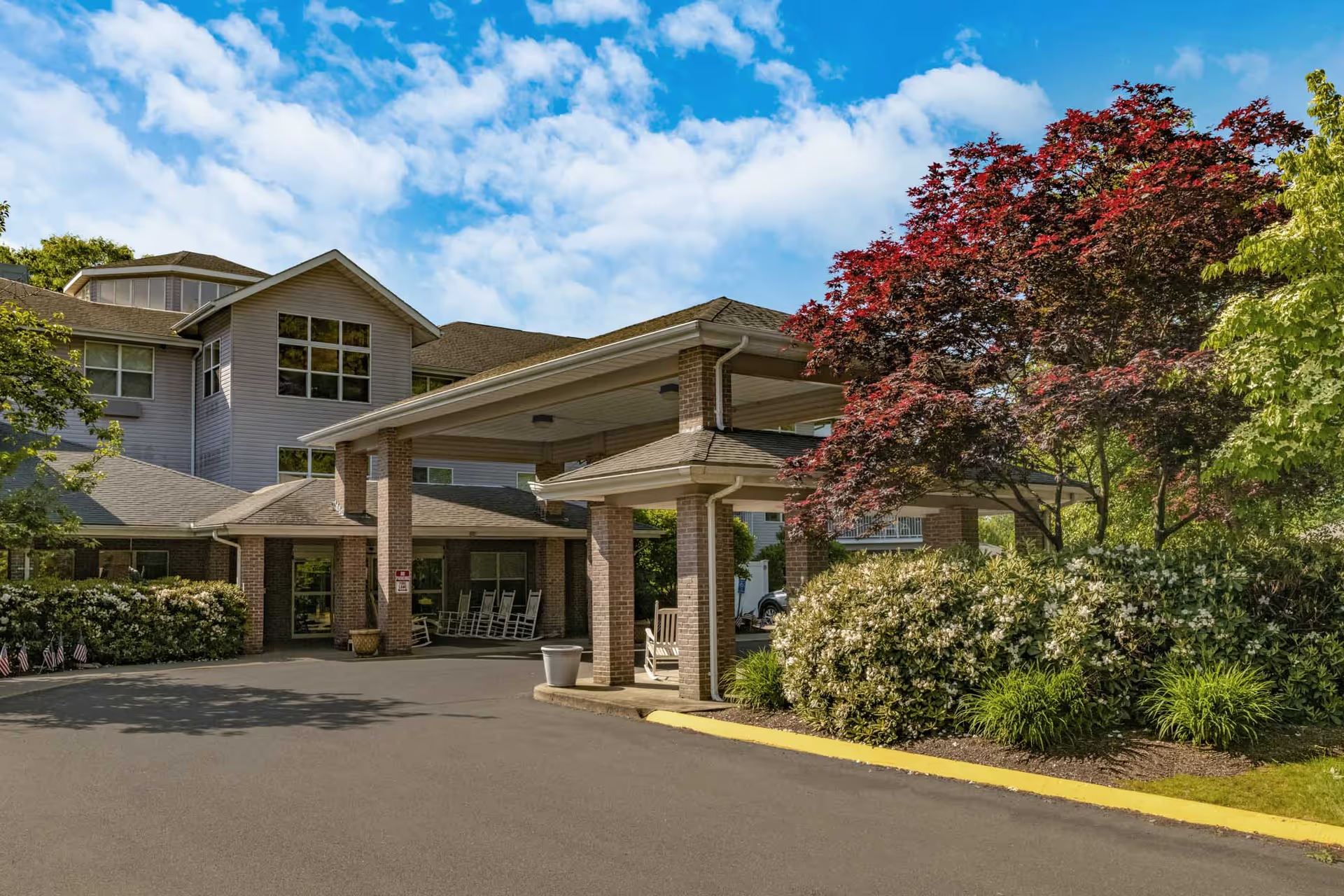
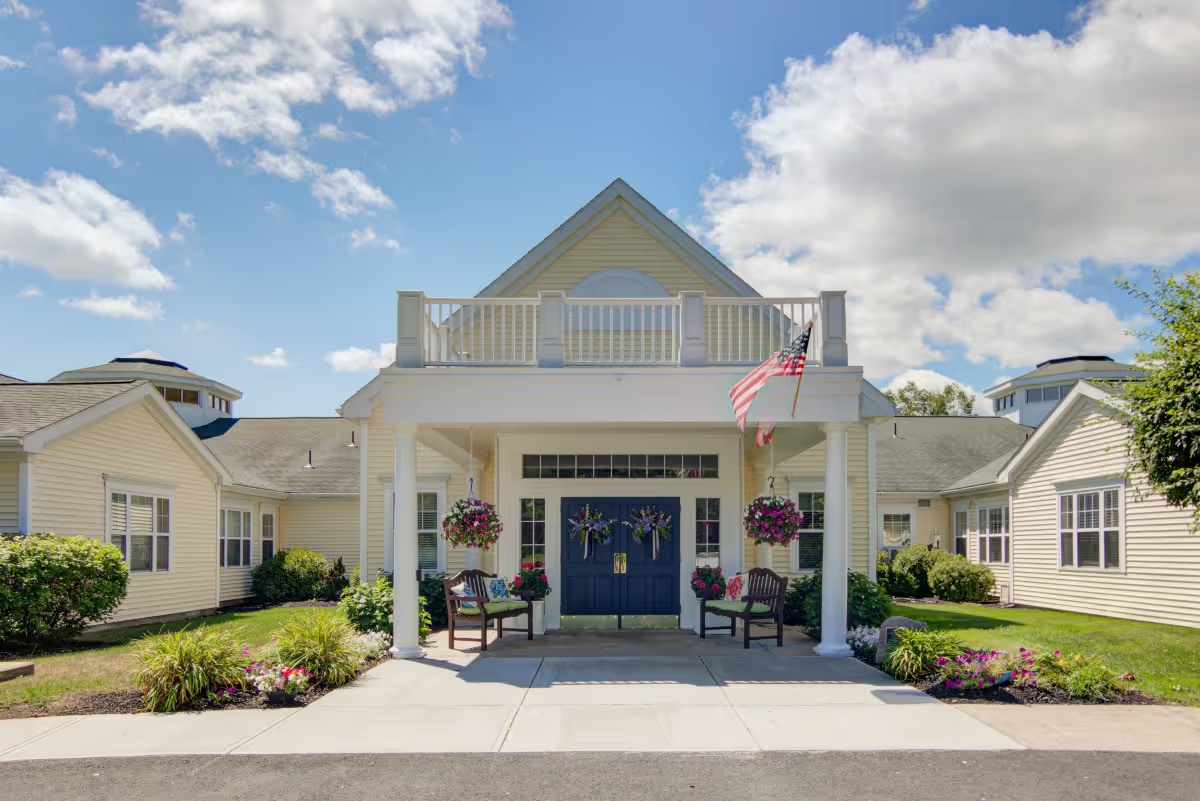
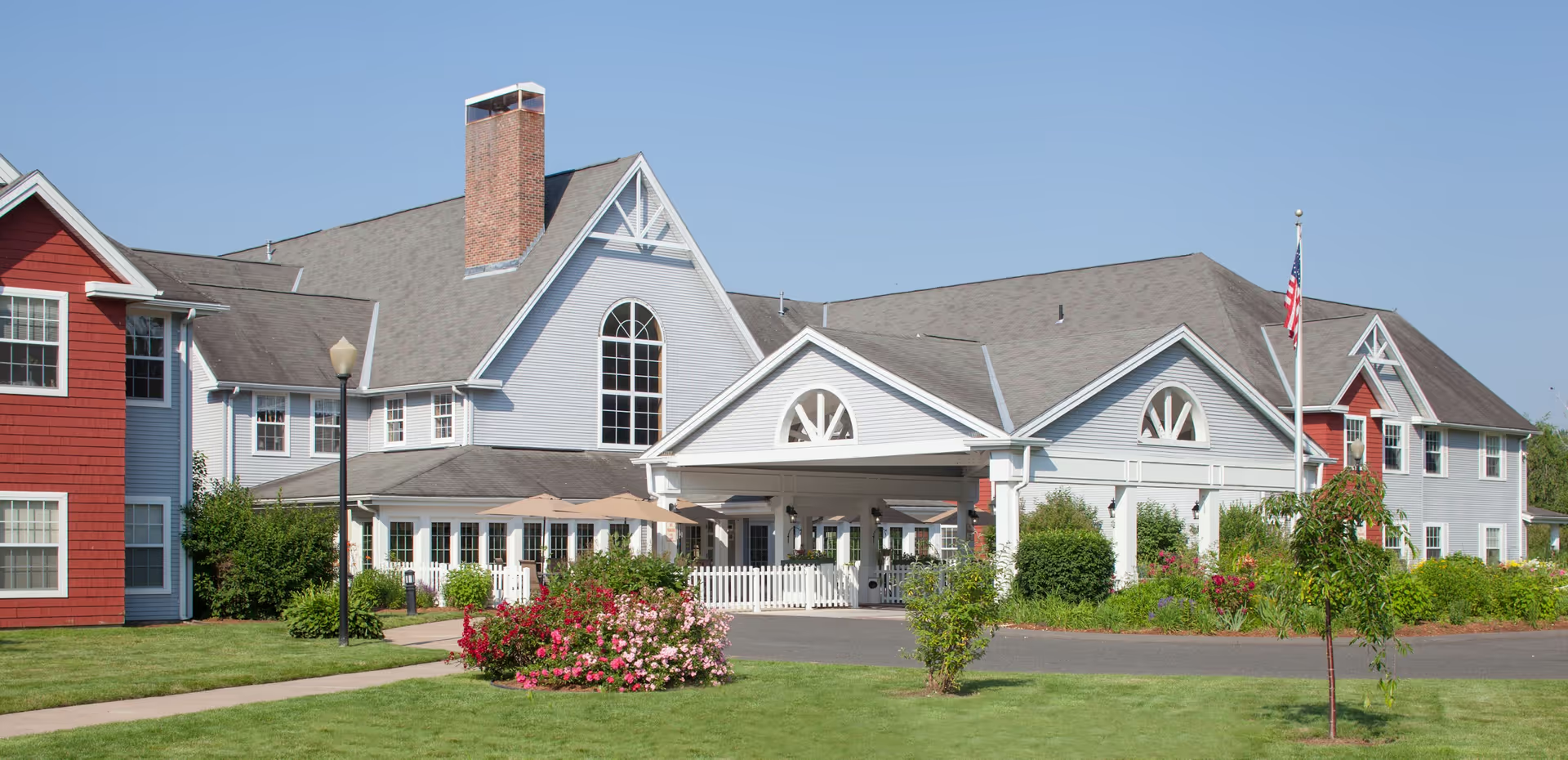
Armbrook Village presents as a new, well-kept senior community with a consistent emphasis on respectful, person-centered care. Families and residents repeatedly describe staff as compassionate, attentive, and willing to provide personalized assistance; several comments highlight staff members who went beyond expectations and clinicians who make in-apartment visits. The community emphasizes dignity-preserving approaches across independent and memory-support levels, and its affiliation with an academic Alzheimer’s center is a notable program-level strength for families seeking memory-care expertise.
Dining and activities are recurring strengths. Reviewers commonly describe meals as high quality and nutrition-conscious, with positive remarks about presentation, menu planning, and assistance in dining rooms. Programming is described as robust and purposeful: there are structured activities that support engagement, positive self-perception, and social connection, as well as outdoor amenities such as a putting green, bocce, and raised gardening beds. The facility’s layout and apartment sizes (studios and one-bedrooms) are generally viewed as comfortable, and housekeeping/cleanliness receives frequent praise.
Operationally, the community appears to be in a maturation phase. Multiple comments point to growing pains in staffing patterns and operational workflows: staffing ratios are still being adjusted, some staff float between units, and reliance on per-diem employees has contributed to variable frontline knowledge and responsiveness. This ties to a stronger theme of communication gaps—families described unclear clinical communication, an unclear chain of command for nursing decisions, and occasional difficulties getting timely answers from on-shift staff. These are facility-level process issues rather than single incidents, and they may be symptomatic of early operational scaling.
Cost and access are important considerations. The community’s pricing is higher than some alternatives and respite stays were called out as particularly costly; the facility accepts PACE but does not accept Medicaid/MassHealth, and PACE program income limits were noted as a constraint for some prospective residents. Other practical considerations mentioned include limited in-apartment storage, a location that is not centrally walkable to town, and a few notes about odor concerns or crowding in parts of the memory-support unit and rooms located near kitchen areas.
Overall, Armbrook Village is portrayed as a clean, well-appointed community with strong programming, compassionate staff, and high-quality dining. Prospective residents and families should weigh those strengths against operational items that may affect day-to-day experience: clarify the clinical communication pathways and chain of command during a tour, ask about current staffing ratios and contingency plans for per-diem coverage, review detailed cost and respite policies, and inspect memory-support areas and apartment storage. For families prioritizing activity engagement, dignified memory care, and a new facility environment, Armbrook Village is a compelling option, with expected areas for improvement as the community continues to settle operationally.