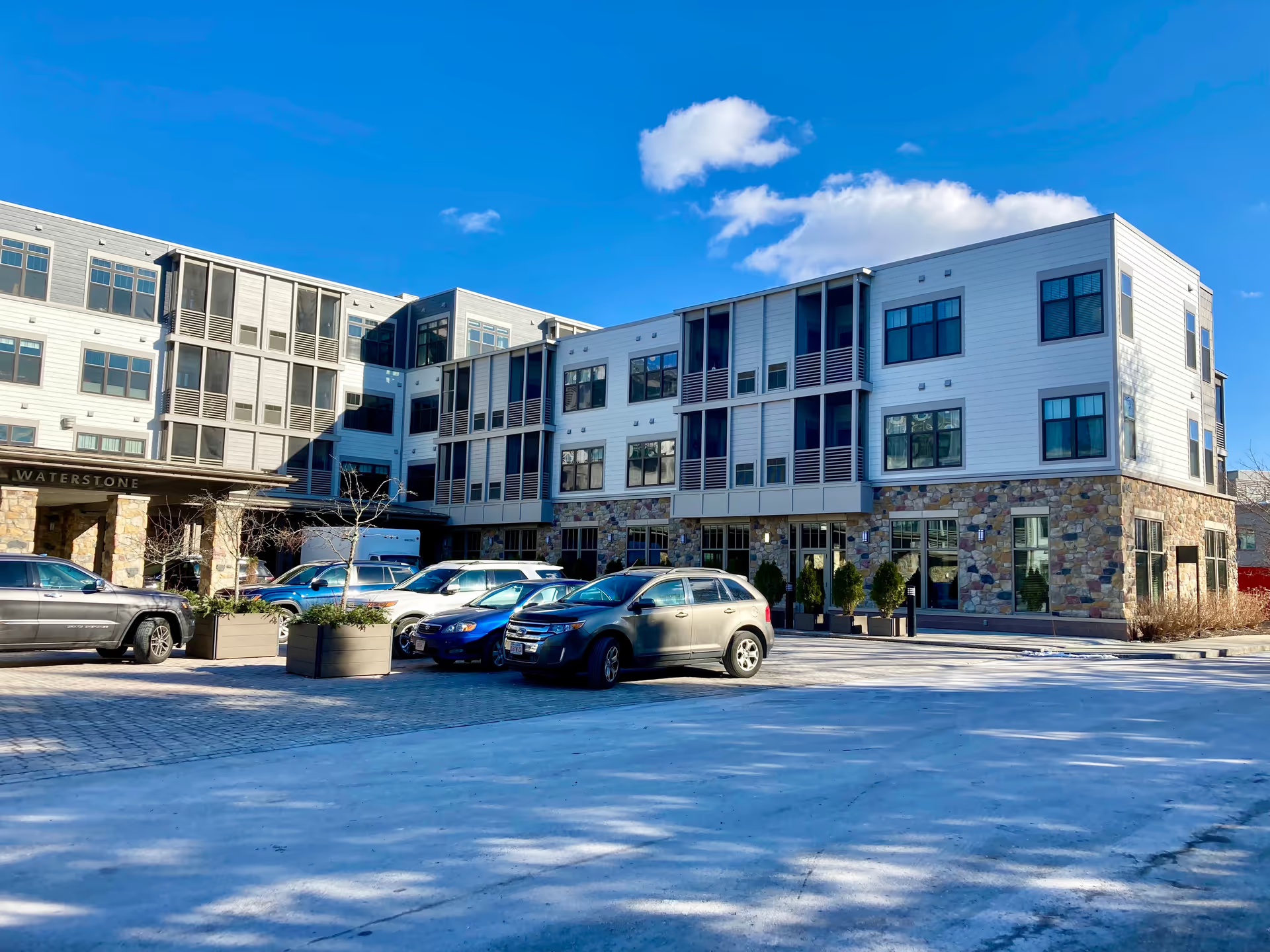
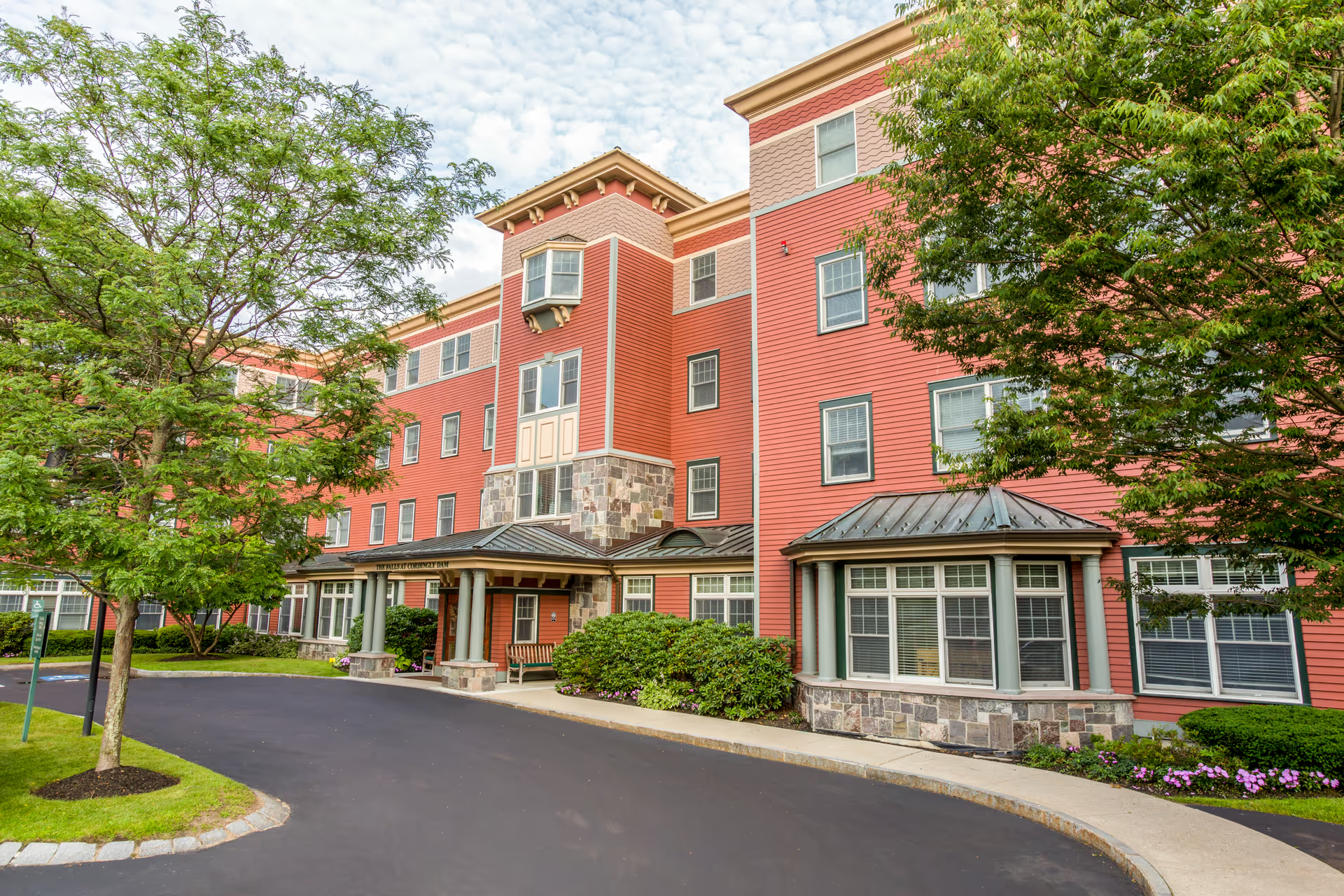
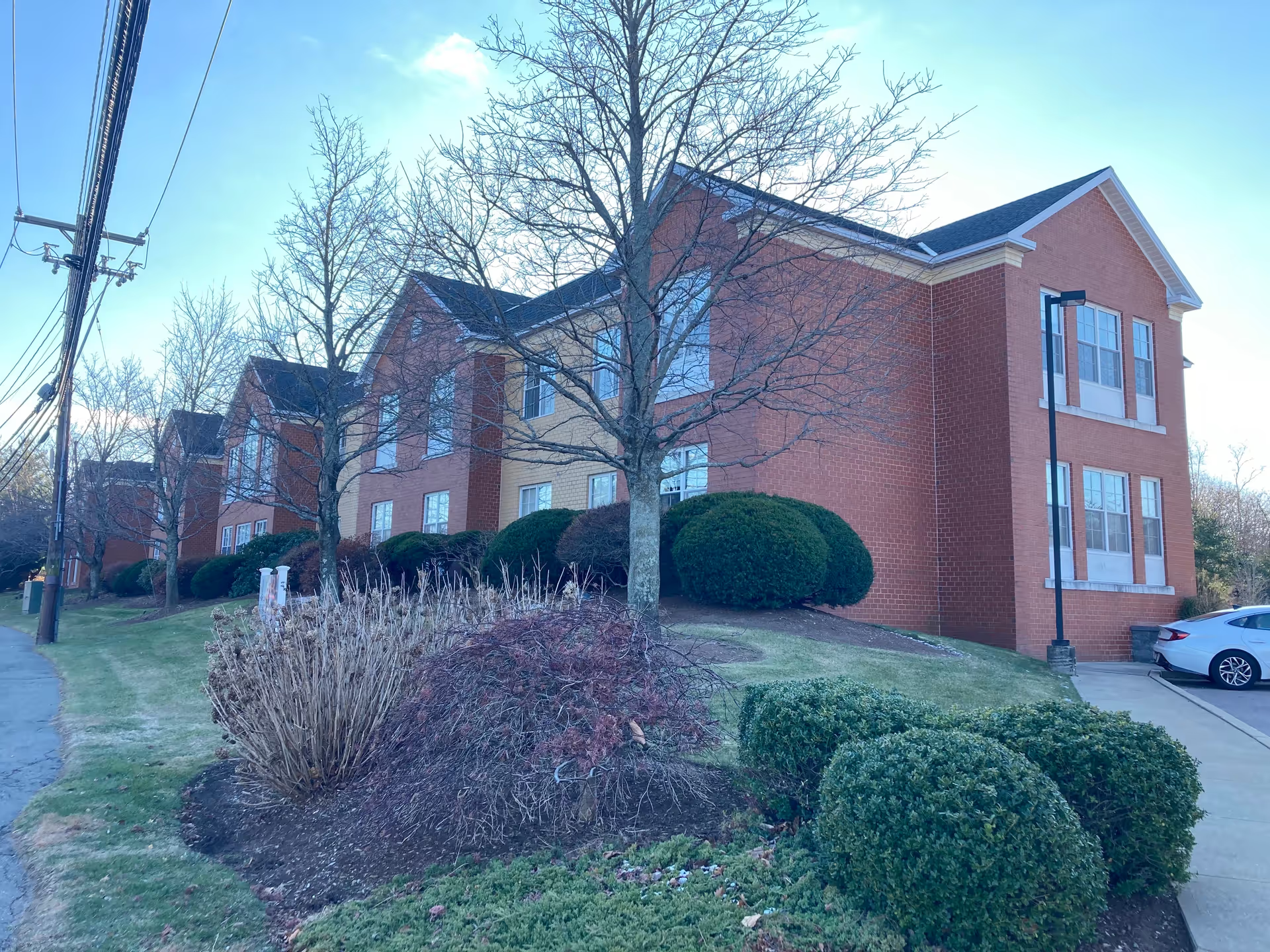
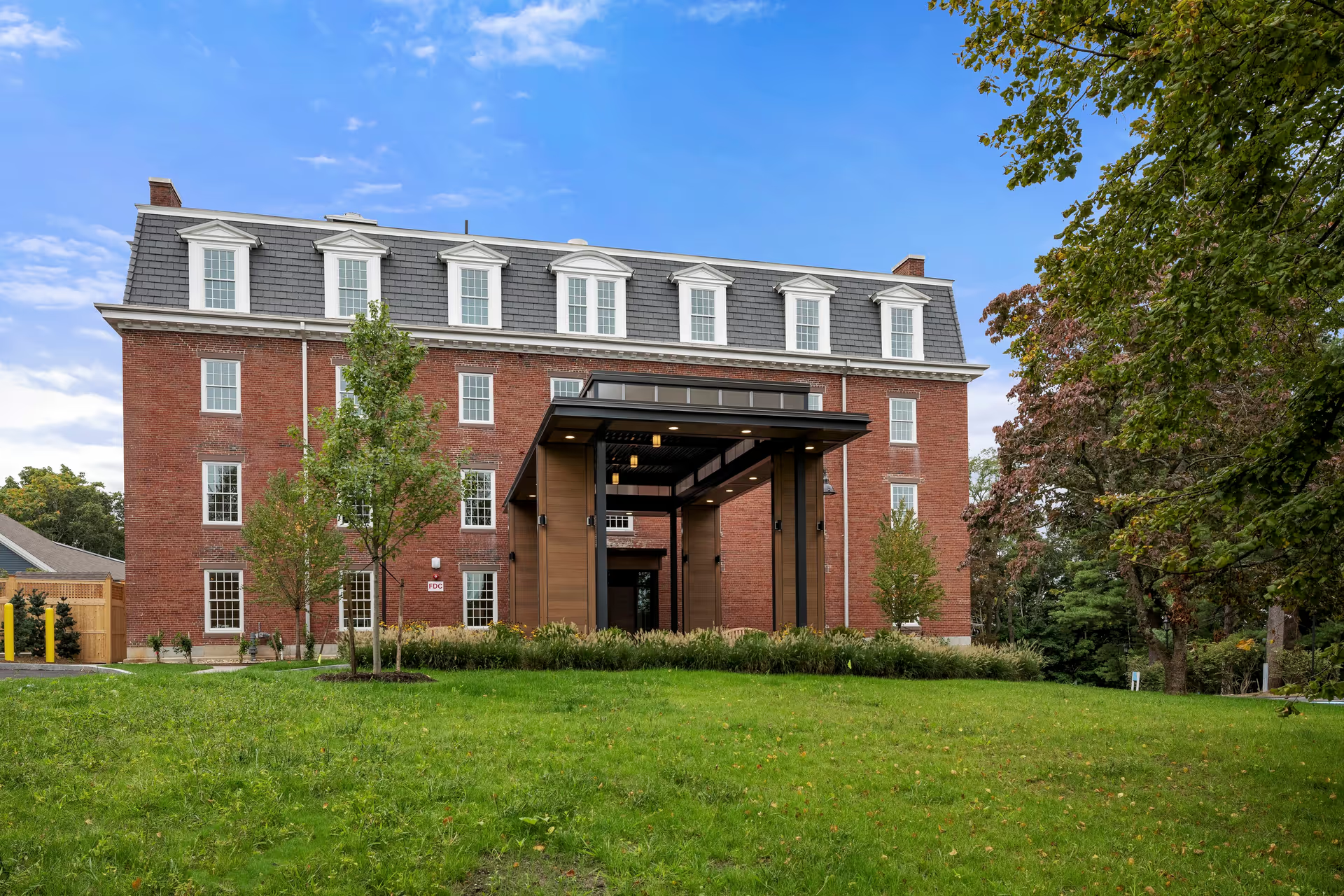
Maplewood at Weston presents as an upscale, well-appointed senior living community with consistently praised front-line caregiving, robust wellness programming, and substantial physical amenities. Many families and residents describe compassionate, professional nursing and caregiving staff, a concierge-like dining and communal atmosphere, and a broad range of on-site services including memory care, assisted living, and therapy services. The physical environment is repeatedly described as renovated and attractive: spacious apartments (often with full kitchens and private outdoor space), hotel-quality common areas, underground parking, an indoor heated pool, and an active program calendar.
Care quality and staffing show a mixed but clear pattern. Reviewers frequently commend attentive, accessible caregivers and 24/7 nursing availability, and several note effective rehabilitation and therapeutic programs that supported regained independence. At the same time, the community appears to experience notable staff turnover and variable consistency in delivering higher-dependency services. That pattern manifests operationally as uneven assisted-care responsiveness for residents with substantial needs, occasional front-desk coverage gaps, and at least a few isolated serious clinical incidents cited by families. These observations suggest strong day-to-day compassion combined with operational vulnerabilities when care needs escalate or during staffing transitions.
Dining, activities, and wellness are definite strengths for many residents. Dining is often described as restaurant-quality with varied menus and flexible options (in-house dining, pickup, and delivery), and many reviewers singled out desserts and specific dishes as very good. However, there are consistent comments about service speed, occasional temperature/quality inconsistency, and variability across dining shifts. The activities program and fitness offerings receive frequent praise — a dedicated Fitness Director, regular exercise classes, water programs, weekly concerts, lectures, and cultural outings are commonly cited as contributing to social and intellectual engagement.
Facility maintenance and amenities are widely appreciated, though not uniformly flawless. The campus and interiors are generally characterized as clean, well-maintained, and tastefully renovated; maintenance staff are praised for responsiveness. At the same time, reviewers note ongoing renovation disruptions, some older building-system issues in areas not yet updated, and practical limitations such as a lack of continuous sidewalks or dedicated outdoor walking paths. Parking logistics and garage operations are mentioned as an occasional inconvenience.
Management and operations elicit divergent impressions. Several families praise visible leadership, open communication during COVID-19, and proactive executive involvement. Specific leaders are named positively for their accessibility and communication. Conversely, other reviewers describe administrative turnover, inconsistent follow-through, billing problems, and operational gaps in point-of-contact coverage. These operational and billing concerns are important to discuss explicitly with the community during a tour because they reflect process-level weaknesses rather than the quality of direct caregiving.
Overall, Maplewood at Weston offers many features attractive to independent and assisted residents seeking an active, upscale community with strong programming and a high-touch dining and hospitality model. Prospective residents and families should weigh that profile against the facility-level concerns: ask targeted questions about current staffing levels and turnover, medication-administration policies and incident-response protocols, billing and charge reconciliation processes, overnight care options for higher-dependency needs, and plans for completing renovations and improving outdoor walking infrastructure. An in-person visit that includes meetings with clinical leadership and a review of recent staffing and incident-response metrics will help determine whether the operational pattern aligns with an individual resident’s care needs and expectations.