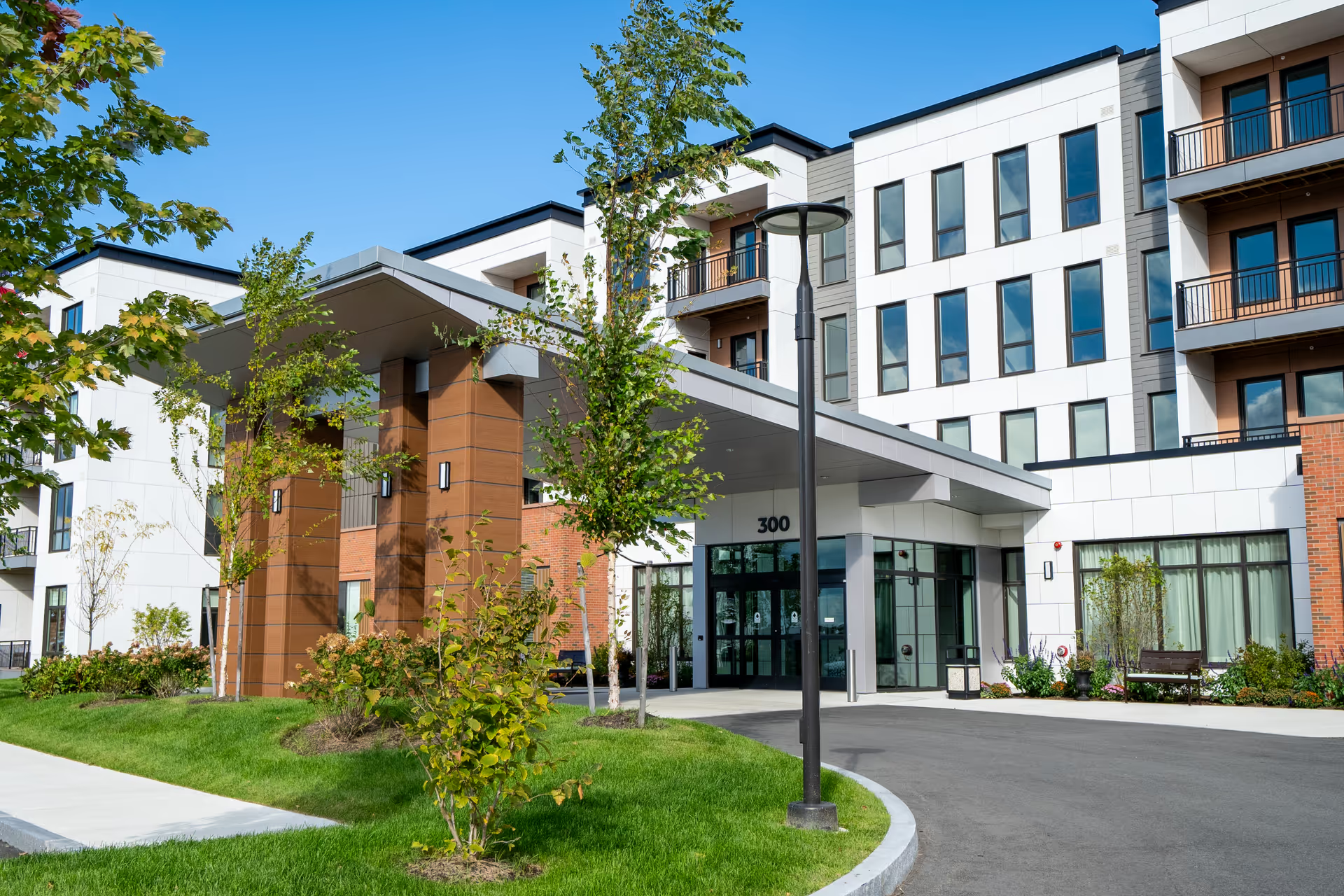
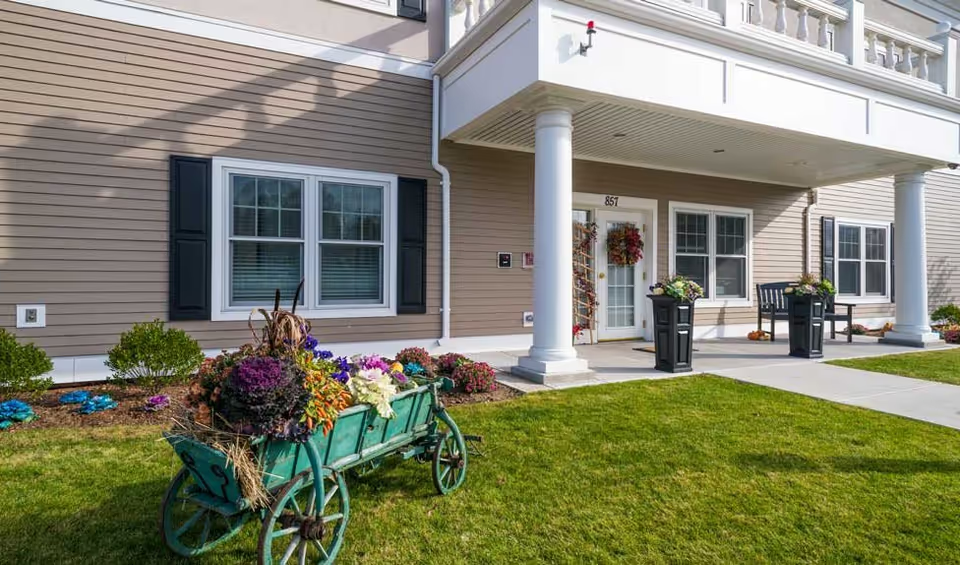
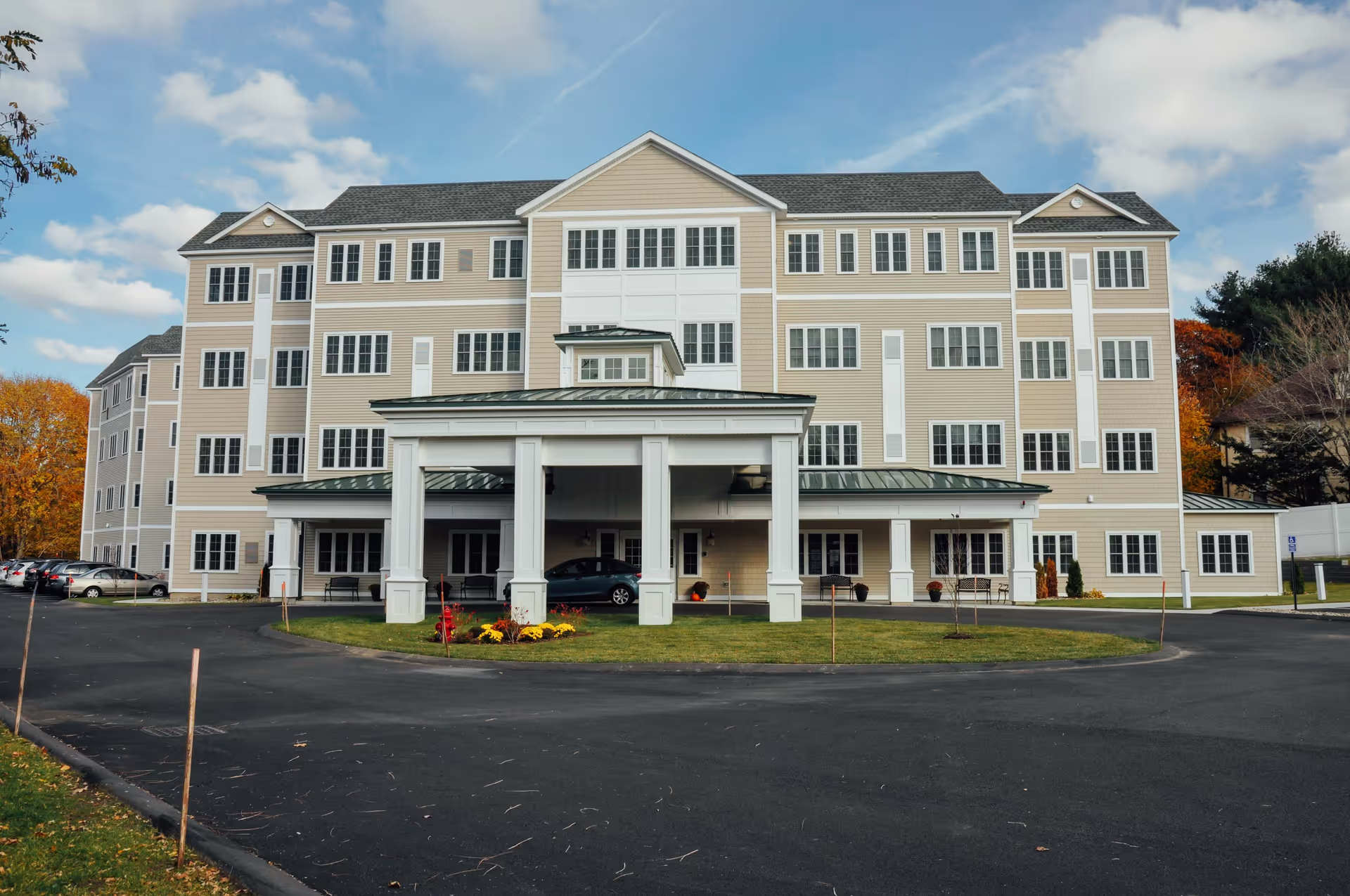
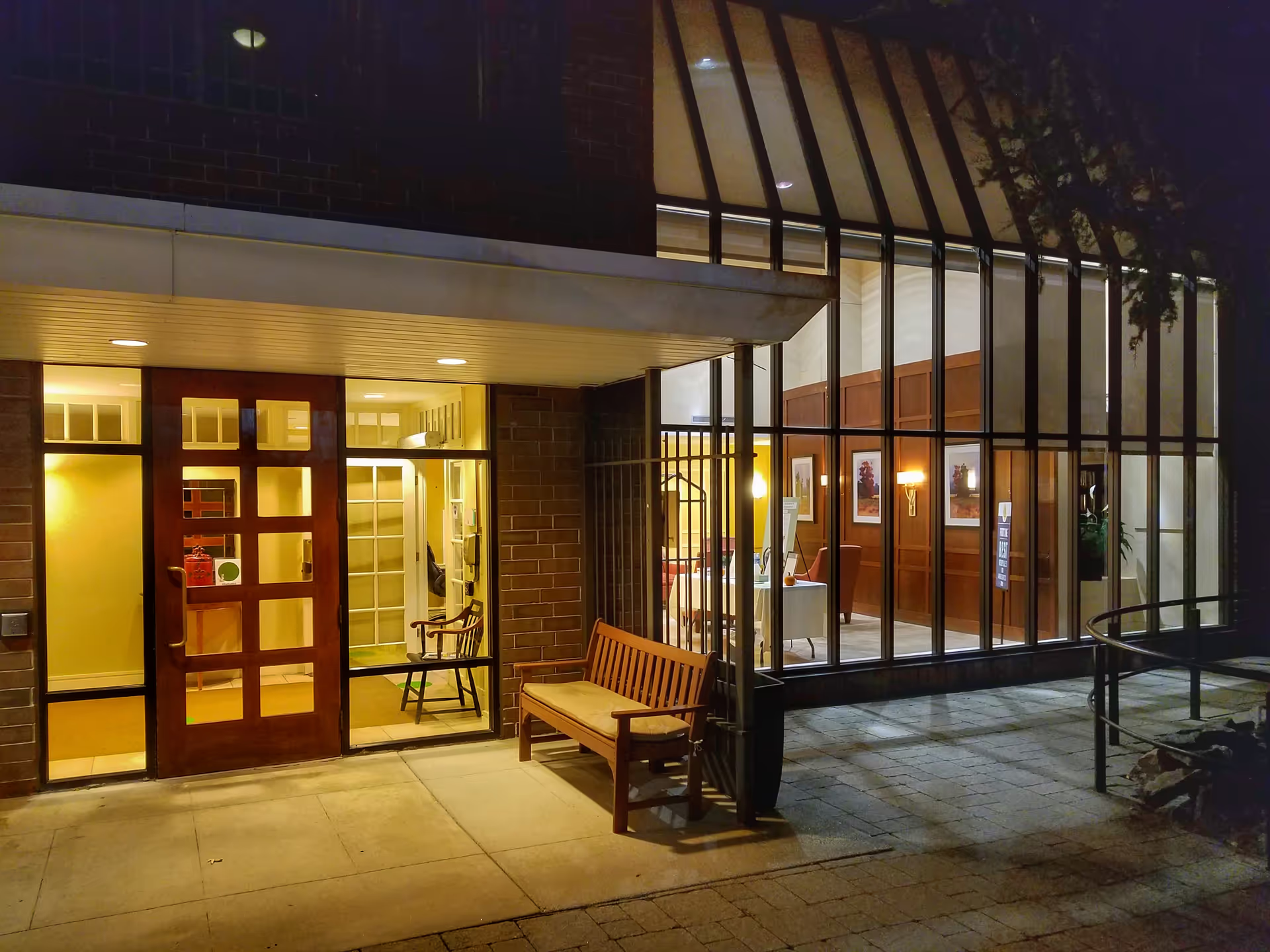
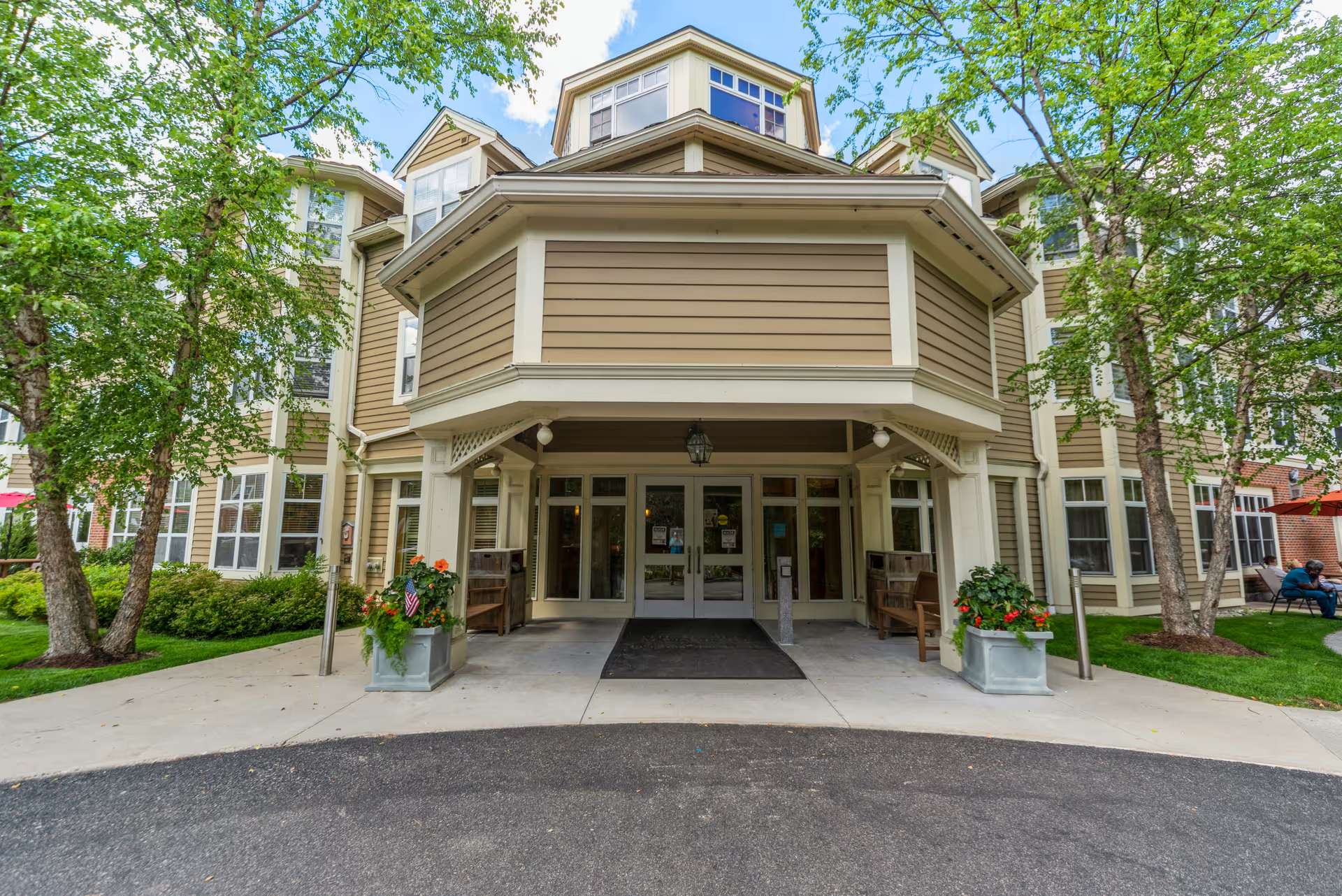
Benchmark Senior Living at Woburn presents as a modern, well-appointed senior living community with many design and programmatic strengths. The building, common areas, and apartments are frequently described as new, bright, clean, and accessible, with hotel-like finishes, multiple communal amenities (pub, movie room, salon, gym), and attractive outdoor spaces. Residents and families consistently cite the facility’s active social calendar, including live music, daily happy hour, outings, intellectually focused talks, and a broad range of arts and fitness programming.
Direct-care staff and admissions personnel receive repeated praise for warmth, helpfulness, and individualized attention. Several families highlighted specific team members who facilitated smooth move-ins and ongoing coordination. Nursing and memory-care teams are described positively in many accounts, and the community has implemented memory-supportive features and tools intended to enhance safety and engagement. For many families these elements translate into improved mood and measurable peace of mind.
At the same time, recurring operational weaknesses are evident across reviews. Staffing levels and turnover are a common concern and are linked to delays in responding to resident needs, slower weekend service, and uneven attentiveness from aides. These staffing dynamics also appear to affect dining service and housekeeping at times; while the culinary program is often praised for chef-driven, restaurant-quality meals, other accounts cite variability in food quality, limited menu variety, and occasional meal-service interruptions or cold service.
Care-quality patterns are mixed. Although many reviewers describe compassionate caregiving and a strong activity program, others describe inconsistencies in personal-care routines, grooming, and incontinence-related assistance. There are also recurring concerns about medication-management practices and inconsistent oversight. Memory-care experiences vary: some families value the unit and staff, while others perceive gaps in dementia-specific care consistency.
Management and communication present a mixed picture. Admissions and floor-level staff are frequently commended, but some families identify gaps in executive-level communication, inconsistent follow-through on concerns, and the need for active family advocacy to ensure continuity and resolution. Cost is another theme: pricing is described as high by multiple families, and a portion of reviewers question value relative to those costs.
In summary, Benchmark Woburn offers many of the amenities and programmatic elements families seek in a contemporary assisted- and memory-care community: attractive physical plant, a robust activities roster, and numerous staff who are described as caring and engaged. Prospective residents and families should balance those strengths against documented operational patterns — notably staffing variability, communication gaps, and uneven consistency in some clinical and dining services — and ask targeted questions about staffing ratios, weekend coverage, medication protocols, memory-care staffing models, and any additional costs before making a placement decision.