Dodge Park Rest Home is commonly described by families as a dementia-capable, small-community environment with many strengths in daily living support, activities, and infection-control practices. Reviewers consistently highlight compassionate, personalized caregiving delivered in a family-like culture; many note the owners’ hands-on involvement, frequent communication with families, and a strong emphasis on dementia-sensitive approaches. Clinical supports such as on-site primary care and psychiatry, team-based medication monitoring, computerized care systems, and round‑the‑clock supervision contribute to a perception of safety and clinical oversight.
Dining and programming receive repeated positive mention. The facility offers restaurant-style meals with varied menus, diabetic-friendly and culturally specific options, and an attentive kitchen staff. Activities are extensive and diverse: live music, arts and crafts, pet visits, exercise classes, Day Club programming, holiday events, and small-group social opportunities. These programs are described as consistent drivers of resident engagement and improved mood for many residents. Housekeeping and interior maintenance are frequently praised; many families describe rooms and common areas as immaculate and odor-free, with air-quality measures such as room air purifiers noted as a plus.
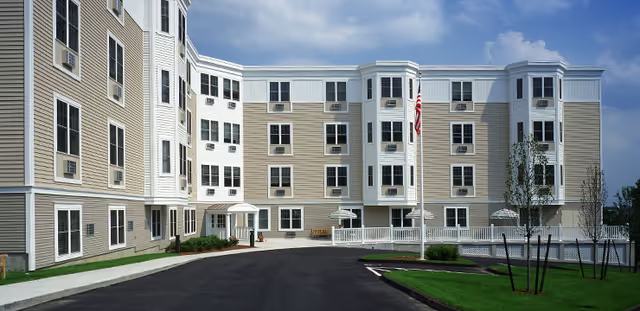
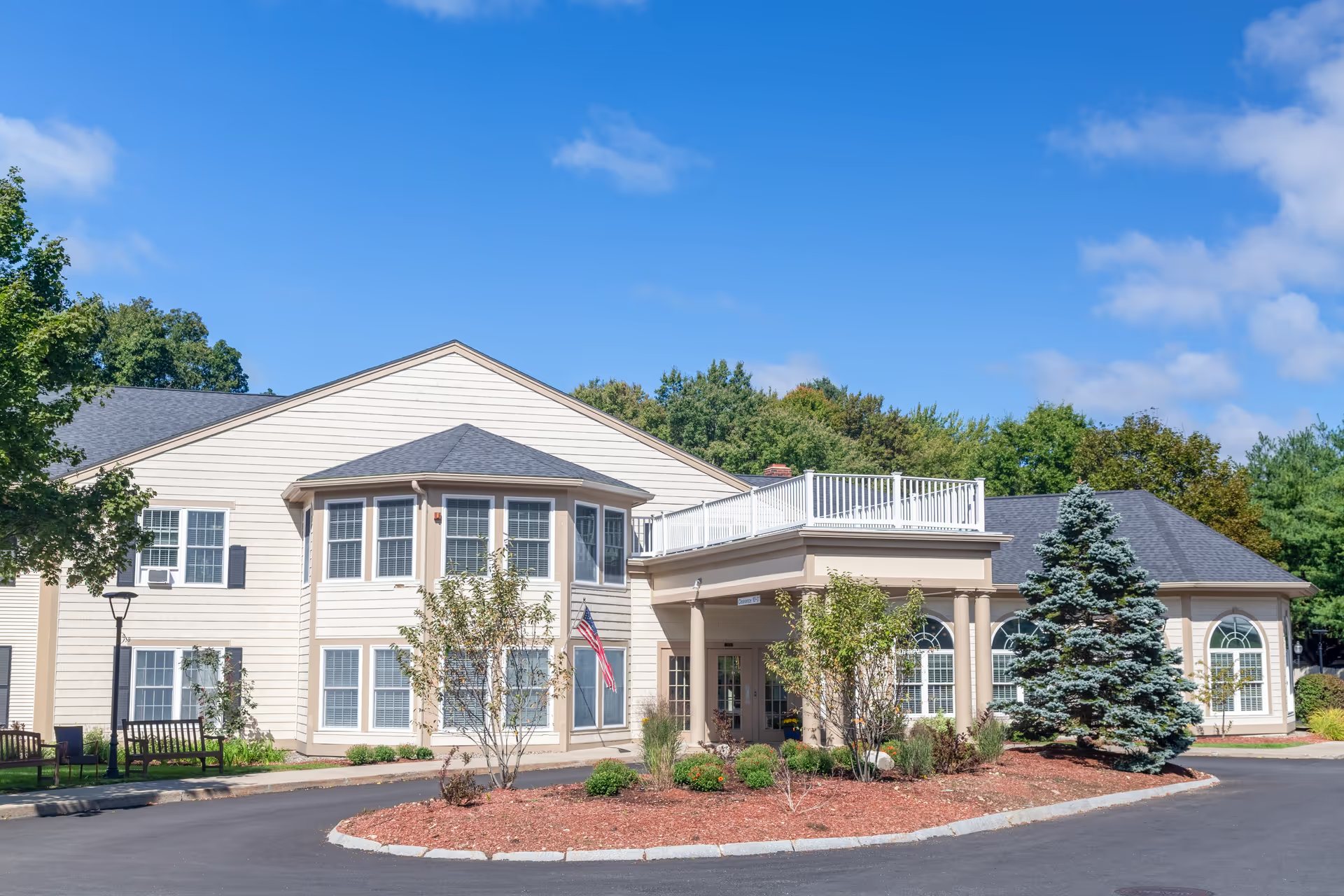
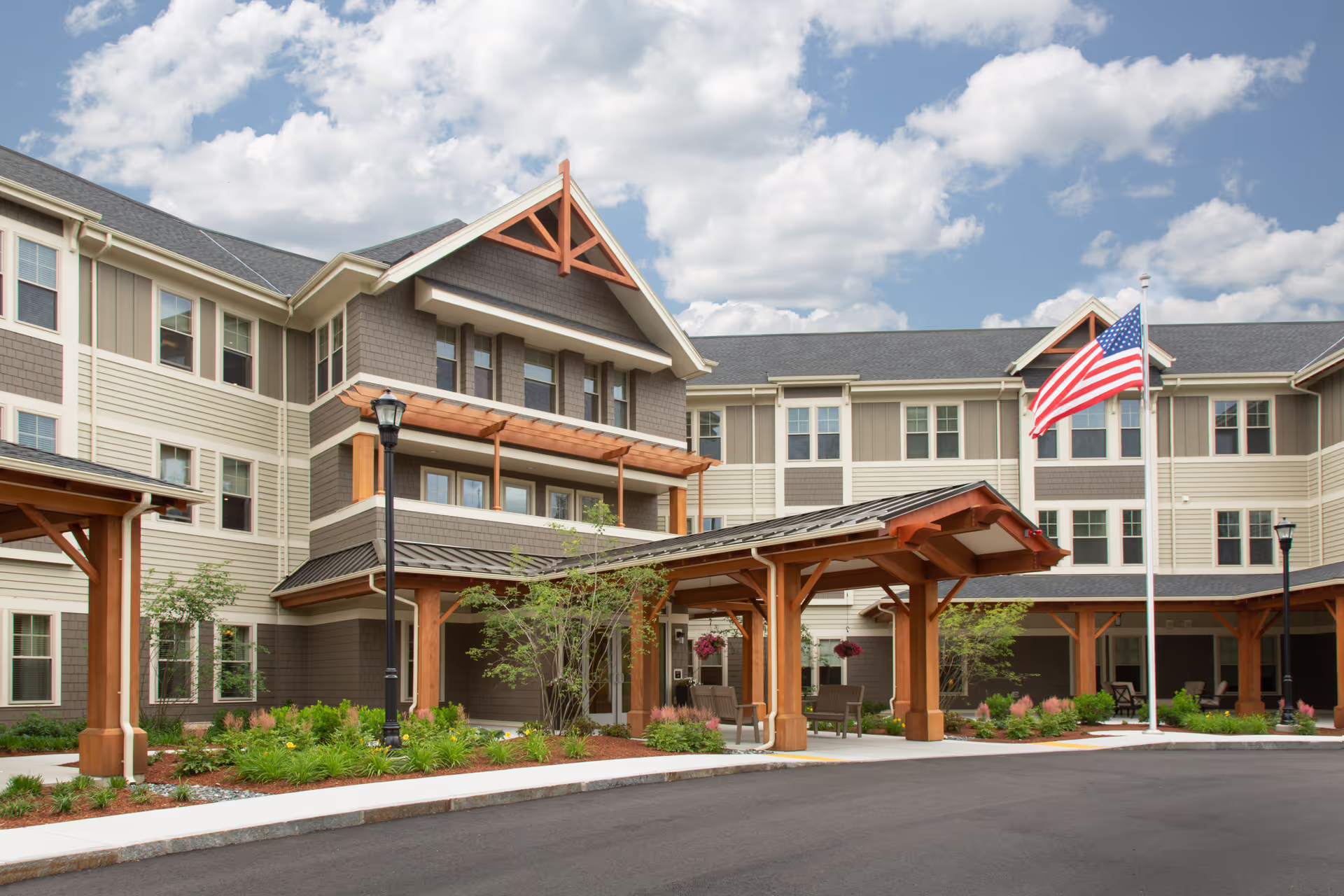
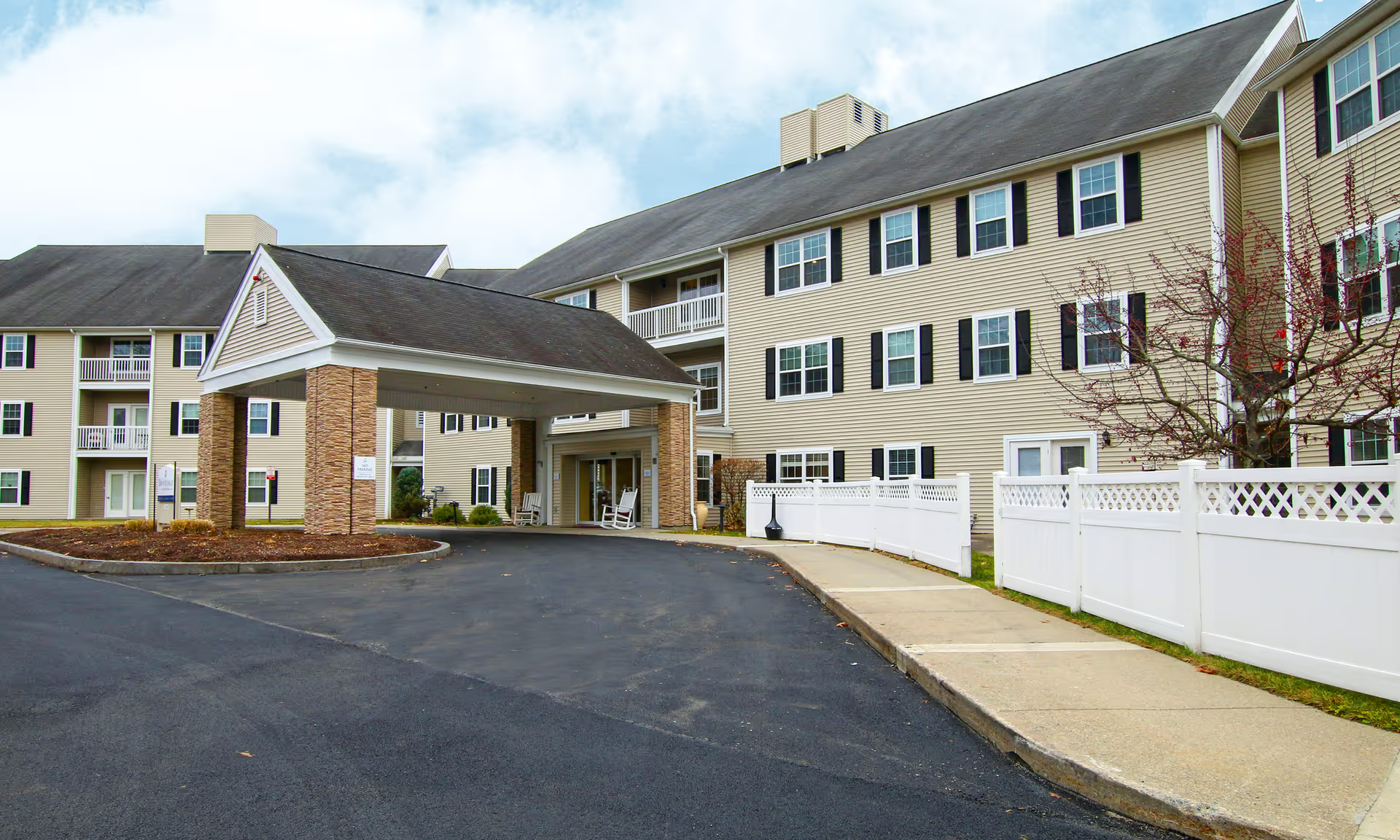
Facility characteristics are mixed. The older, home-like building is often described as well maintained and attractive, with library, classrooms, outdoor seating and multiple living spaces; there is also a newer building noted for modern finishes. Reviewers mention some equipment and clinical-supply limitations associated with the older unit, occasional constraints on outdoor access (pre‑pandemic or limited to specific wings), and uneven amenities between buildings. Technology for family connection (Skype) and proactive family updates are strengths that support ongoing engagement.
Notable patterns of concern center on staffing and operational consistency. Several comments point to variable care quality between staff members, perceived understaffing or staff who appear overworked, and gaps in training that produce inconsistent outcomes. Operational traits inferred from reviews include laundry and personal-item return unreliability, intermittent incontinence-care delays, and uneven fall-prevention consistency. Some families also described management–family interactions that could be strained, and there are broader HR and morale issues that reviewers felt influenced day-to-day service. A small number of more serious claims surfaced around admissions interactions and screening practices; these are framed here as allegations and as indicators that prospective families may wish to ask specific questions about admissions, non-discrimination policies, and staff vetting.
In sum, Dodge Park Rest Home is portrayed as a clean, activity-rich memory-care provider with strong family engagement, robust clinical supports, and a compassionate staff culture. Prospective residents and family members should weigh those strengths against operational variability in staffing, training, and certain logistics (laundry, incontinence-care, equipment in older units). For families considering placement, recommended due diligence includes direct discussion about staffing ratios and training, fall‑prevention protocols, laundry and personal‑item processes, unit-to-unit differences in amenities, admissions policies, and the facility’s approach to resident autonomy and outdoor access.