Reviews for Allendale Nursing and Rehabilitation Community are strongly polarized: many families describe a high-quality, modern facility with excellent therapy services and compassionate staff, while other accounts raise significant operational concerns that prospective families should evaluate carefully.
Care quality and clinical operations: The facility receives consistent praise for rehabilitation outcomes—physical and occupational therapy teams are frequently described as skilled, communicative, and effective in meeting functional goals. However, there are repeated operational concerns around direct-care staffing and clinical reliability. Reviewers describe prolonged call-light response times, inconsistent night and weekend coverage, gaps in medication administration knowledge or timing, and insufficient availability of basic mobility and safety equipment. Several accounts indicate failures in pressure-area prevention and inconsistent personal-care routines; these point to systemic gaps in routine nursing and aide workflows rather than isolated cosmetic issues.
Staff and communication: Staff are characterized both positively and negatively. Many reviewers highlight attentive, kind, and professional caregivers who build rapport with residents; others describe staff who appear stretched thin, demonstrate inconsistent conduct or communication tone, and occasionally fail to respond in a timely manner. Communication with families is similarly variable: some families praise proactive notifications and leadership engagement, while others report poor follow-up, delayed information about clinical changes, and frustration over administrative responsiveness.
Dining and dietary management: The facility's dining spaces and bistro-style common areas are noted as attractive, but meal quality and dietary accommodation are inconsistent. Several reviewers expressed concerns about portion sizes, food presentation, and the facility's ability to consistently follow therapeutic diet textures and restrictions. These issues may have clinical implications for residents with swallowing or nutritional needs and warrant direct inquiry during a tour.
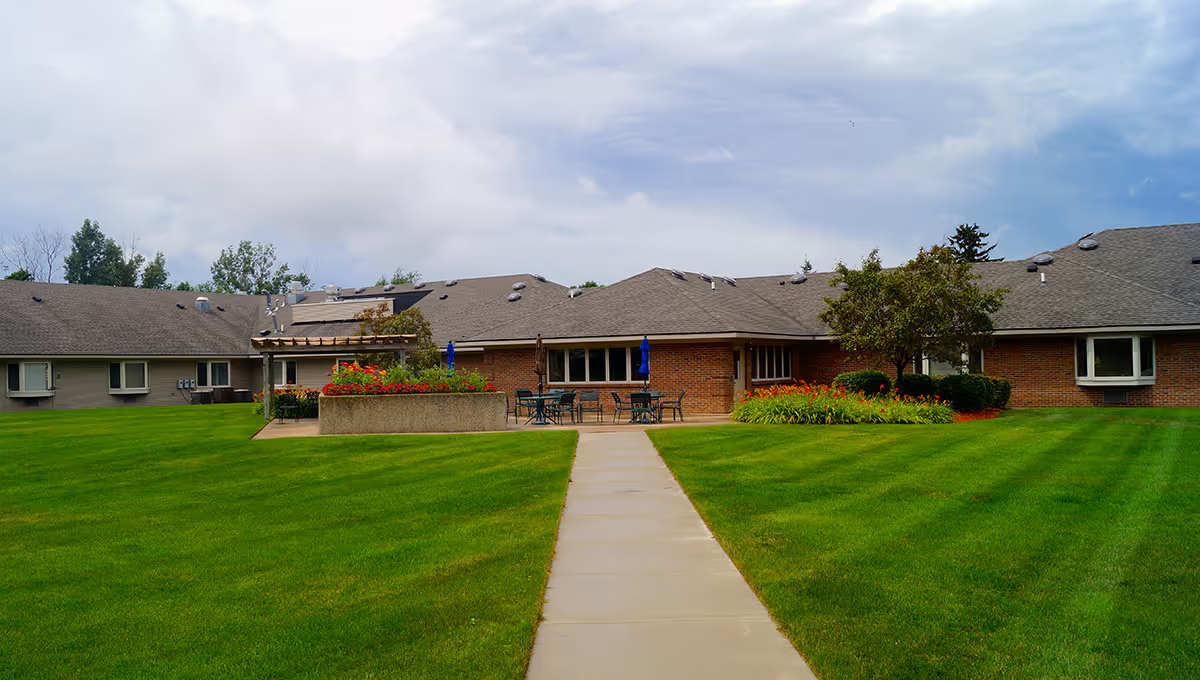
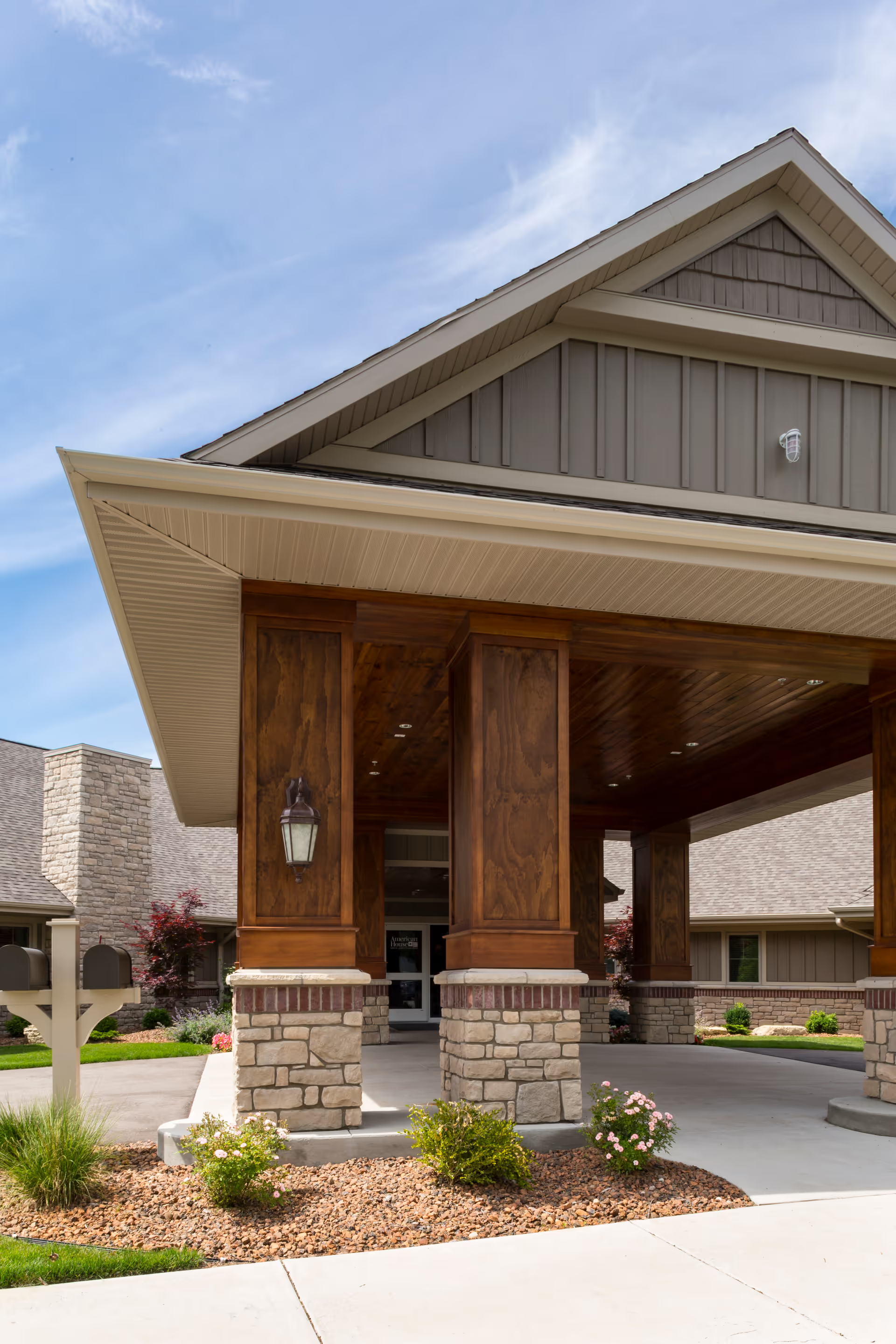
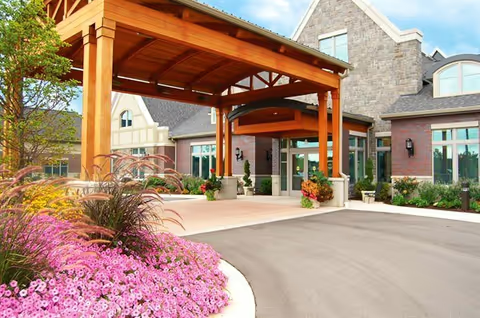
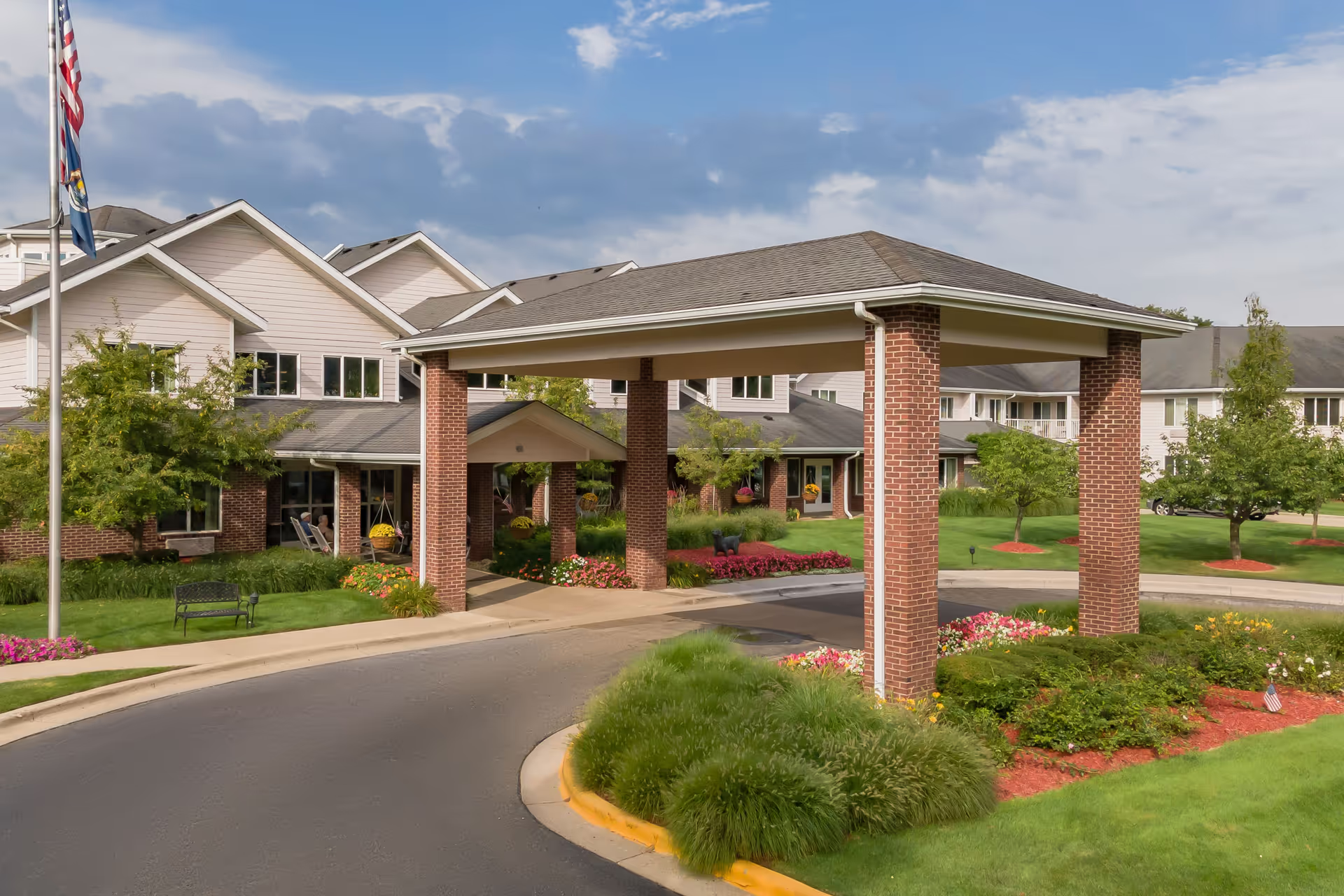
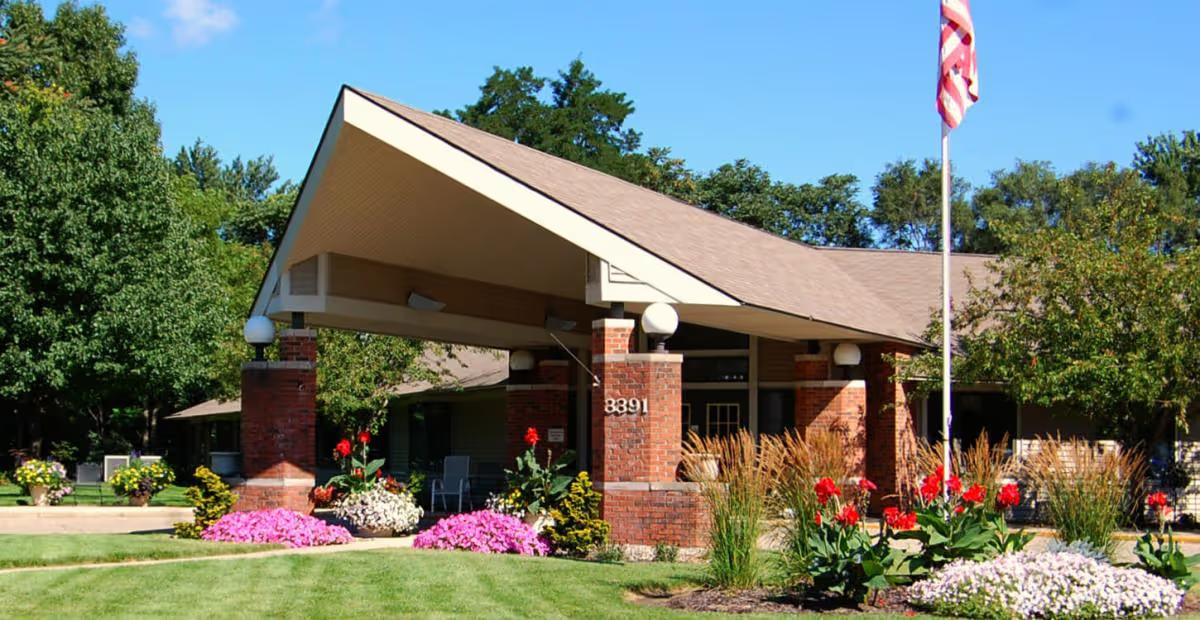
Facilities, activities, and environment: Allendale's physical plant is a strong asset—recent renovations, wide hallways, accessible bathrooms, private therapy rooms, outdoor spaces, and event areas are frequently praised. The environment is generally described as clean and welcoming by many reviewers, with organized therapy spaces and pleasant communal areas. At the same time, there are intermittent reports of localized sanitation or odor concerns in specific units; prospective families should verify housekeeping and infection-control practices on site.
Management and notable patterns: Reviews reflect inconsistent management practices day to day. Positive accounts cite engaged leadership, transparent tours, and good state-survey outcomes; negative accounts raise concerns about oversight, staffing allocation, laundry/property management, and the integrity of online ratings. There are also references to regulatory attention in some reviews; families should confirm the facility's current survey history and any corrective actions directly through state survey resources and Medicare.gov.
Recommendation for families: Given the divergence in experiences, a careful, targeted assessment is advised. During a visit, ask about current staffing ratios (including night/weekend coverage), protocols for pressure-area prevention and turning schedules, medication-administration policies and timing, dietary-consistency procedures for dysphagia or texture-modified diets, laundry and personal-property safeguards, and recent state survey results. Observe staff–resident interactions across shifts and confirm the availability of necessary mobility and toileting aids. The facility's strong therapy program and attractive environment may be substantial benefits if the operational concerns noted above are addressed to your satisfaction.