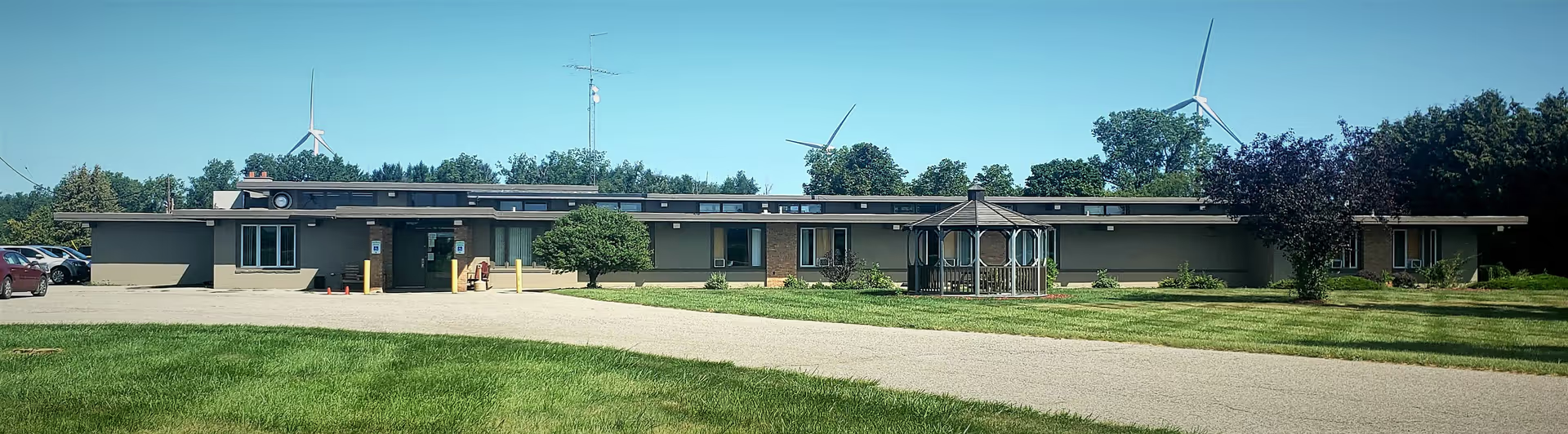
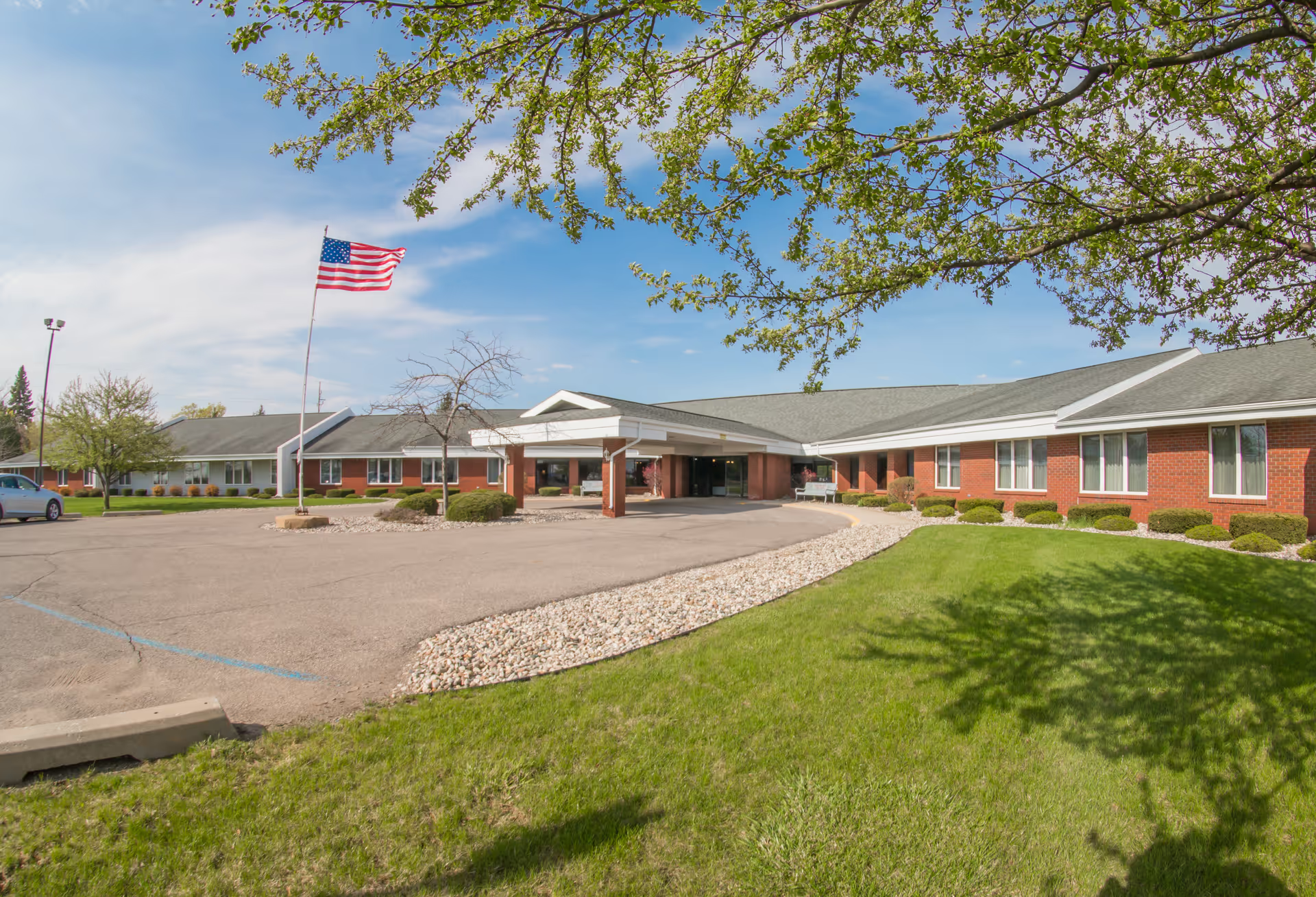
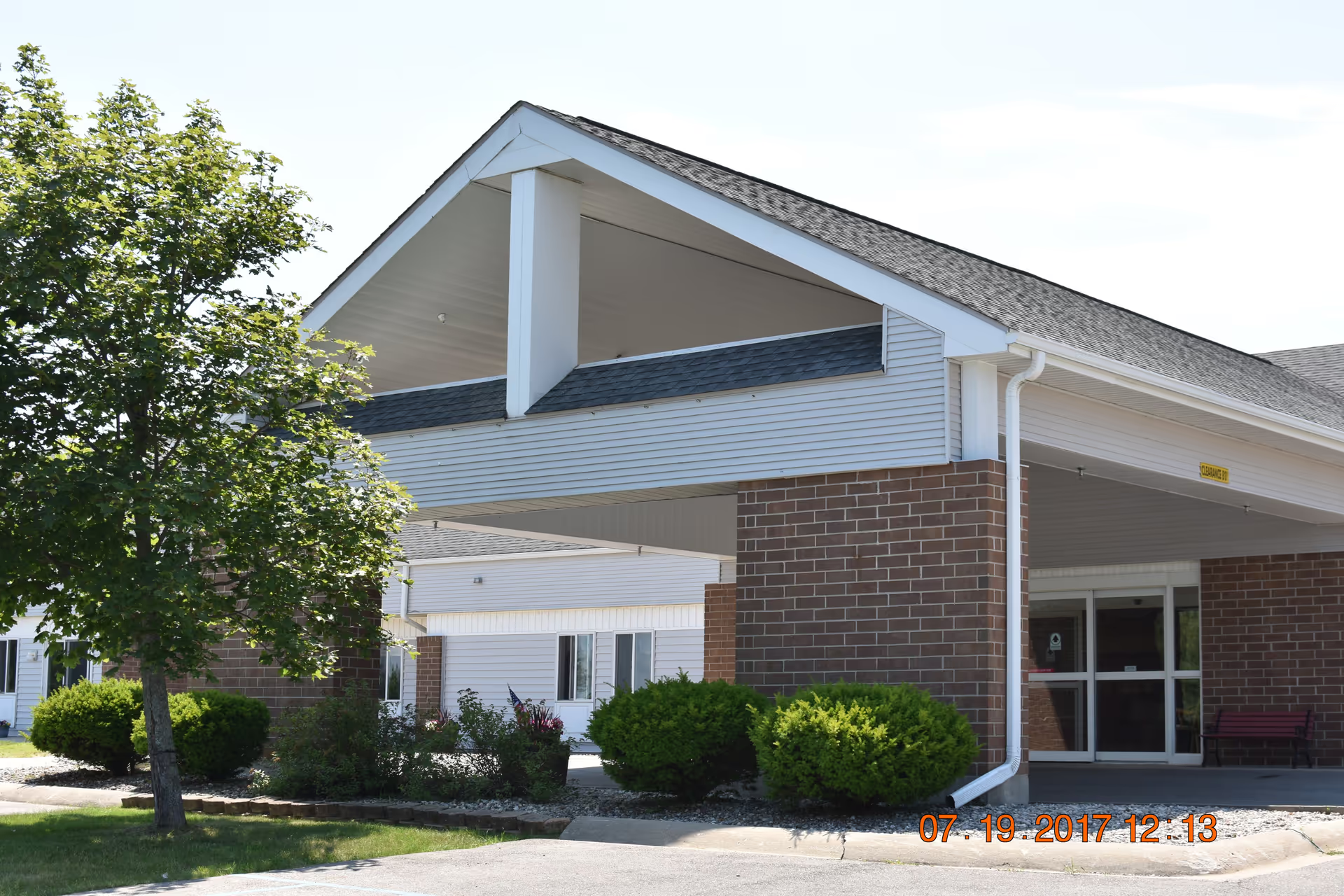
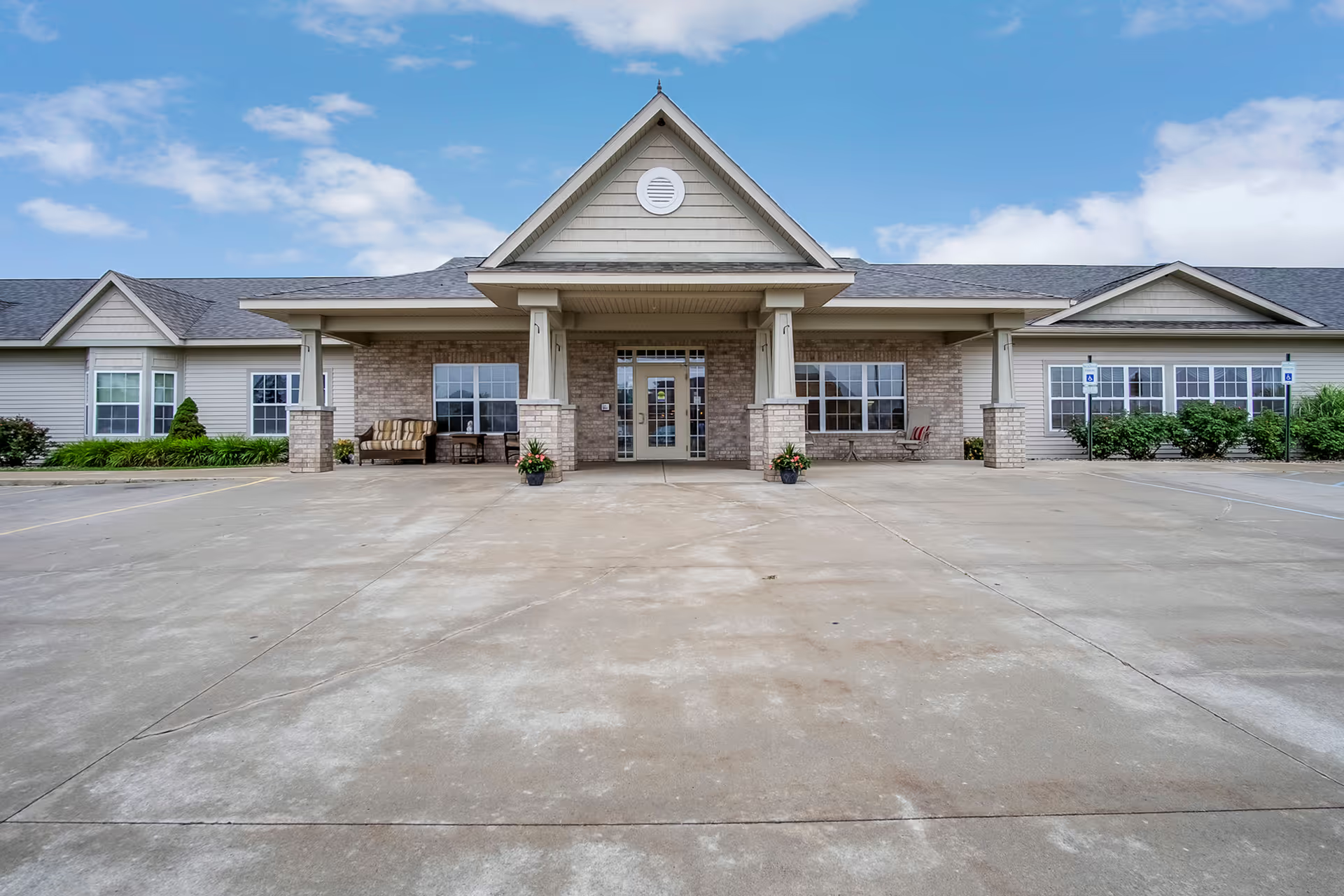
Courtney Manor Nursing & Rehabilitation is consistently described as a facility with a strong, family-oriented caregiving culture and a particularly well-regarded rehabilitation program. Reviewers frequently praise attentive CNAs and nurses, hands-on physical and occupational therapists, and staff who provide regular updates and personalized attention. Multiple accounts emphasize successful post-operative recovery and return-home outcomes, and specific departments (admissions, dietary, housekeeping, PT/OT) receive repeated positive mentions.
Clinical care and staffing are clear strengths: reviewers highlight compassionate interactions, timely assistance from nursing aides, and skilled therapy staff who drive rehabilitation progress. Staff members are also credited with good communication and coordination of on-site services such as x-rays and skilled nursing. At the same time, there are operational concerns related to continuity of care after discharge and occasional breakdowns in follow-up communication; prospective families should confirm the facility’s discharge-planning and aftercare protocols before placement. There is at least one allegation regarding management empathy and staff conduct following a resident death; families may wish to ask facility leadership about staffing oversight and complaint-resolution procedures.
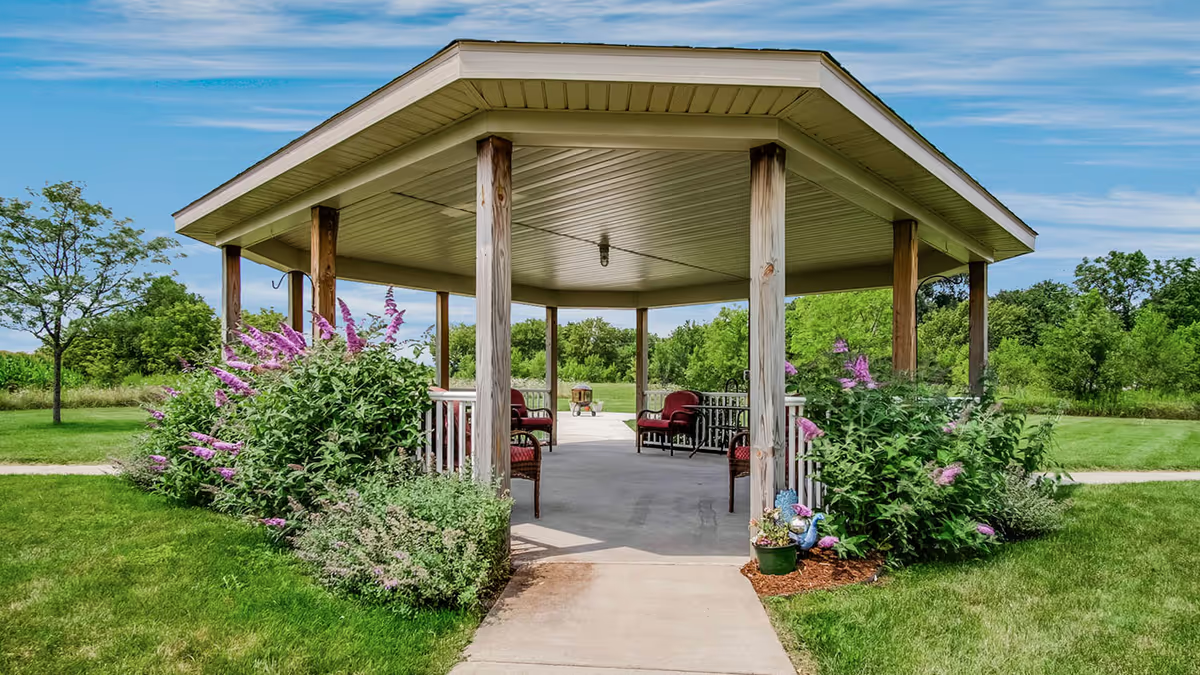
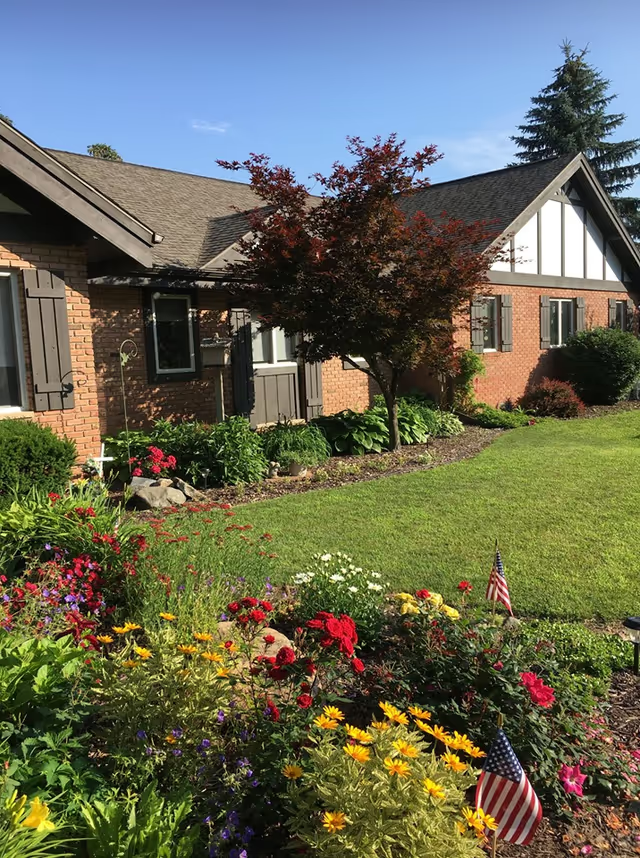
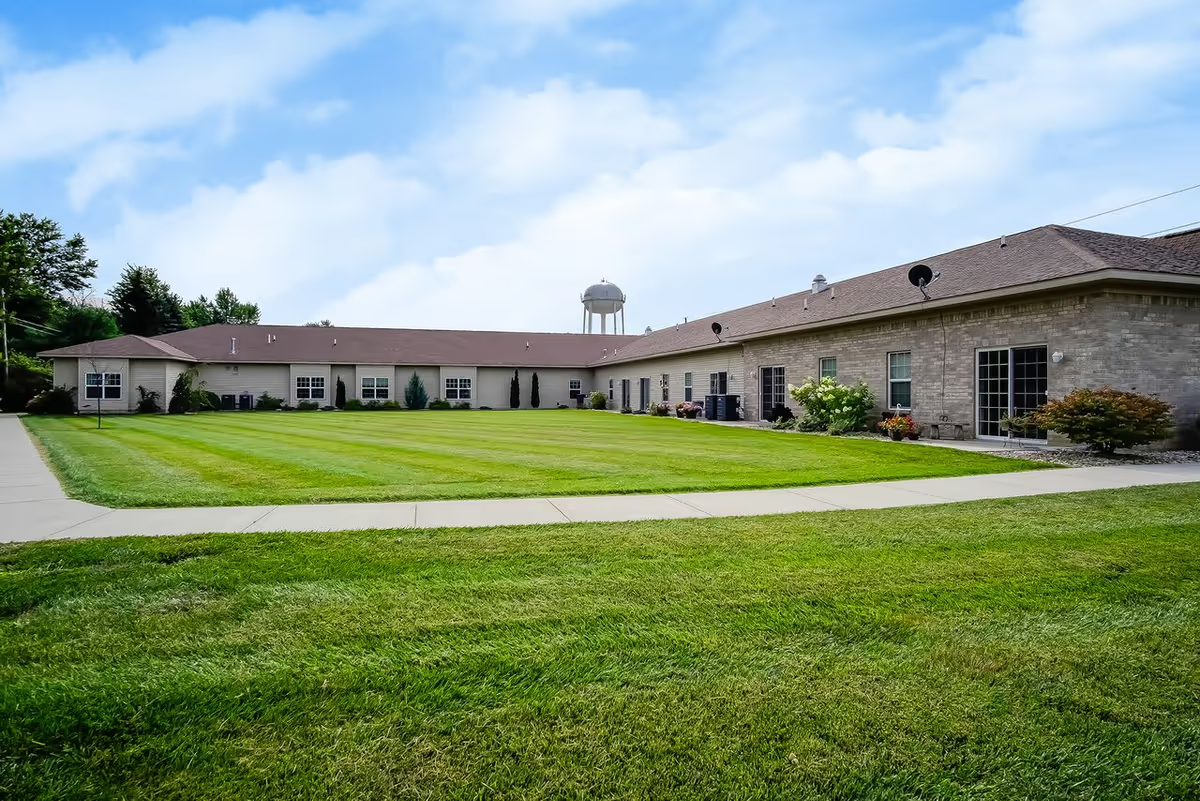
Dining, housekeeping, and amenities are commonly described positively. Meals are characterized as varied and accommodating (including diabetic meal options), rooms are kept clean, and the facility offers added services such as hair and nail care that contribute to a spa-like atmosphere. Housekeeping and maintenance are cited as contributing to a pleasant environment, and many reviewers mention scenic views and a homelike feel.
Activity programming and resident engagement are noted as generally energetic and meaningful, with daily programs and cognitive activities available. Reviewers also note that some activities were curtailed during infection-control periods; this appears to reflect temporary operational restrictions rather than a lack of programming intent. Families should ask about current activity schedules and infection-control policies to understand resident daily life at the time of placement.
Facility infrastructure and administrative controls present the clearest operational risks mentioned. A safety inspection identified deficiencies in sprinkler and smoke-alarm installation and noted the absence of a documented backup emergency plan; these are facility-level issues that bear direct inquiry and verification of remediation. Separately, there are recurring remarks about occasional lapses in responsiveness (missed callbacks) and instances of persistent unsolicited outreach or contact-data errors, suggesting opportunities to tighten communication workflows and data-handling practices.
In summary, Courtney Manor appears to deliver strong rehabilitative care, attentive front-line staff, and a clean, comfortable environment that many families describe as family-like. However, prospective residents and their families should verify current status on fire-safety and emergency-preparedness corrections, ask about discharge and aftercare coordination, and review the facility’s communication and privacy practices before placement. These targeted questions will help align expectations and address the primary operational concerns reflected in the reviews.