Overall sentiment from the collected reviews of Brookdale Battle Creek is mixed but centers on a clear pattern: strong interpersonal, social, and environmental positives are frequently praised, while operational, staffing, clinical and administrative inconsistencies are recurring sources of concern.
Care quality and staff: The dominant positive theme is the compassion and attentiveness of many caregiving staff. Numerous reviewers describe staff as warm, genuine, and family-like; several accounts highlight individualized attention, strong nursing communication in certain cases, and examples of staff going above and beyond. Positive experiences include supportive hospice involvement, ongoing updates to families, and staff who build relationships and encourage resident participation. However, staffing shortages and turnover are repeatedly noted and appear to directly affect care consistency. Specific clinical concerns include reports of medication administration problems (untrained medication staff, inability to identify meds, on-call LPN-only coverage), delays in care, and at least a few alarming incidents described as medical neglect or transfers to hospital without family notification. Memory-care capability is uneven: while some families find the unit appropriate for lower-need residents, others report staff not being equipped to de-escalate challenging behaviors and activities that are not accessible for dementia residents.
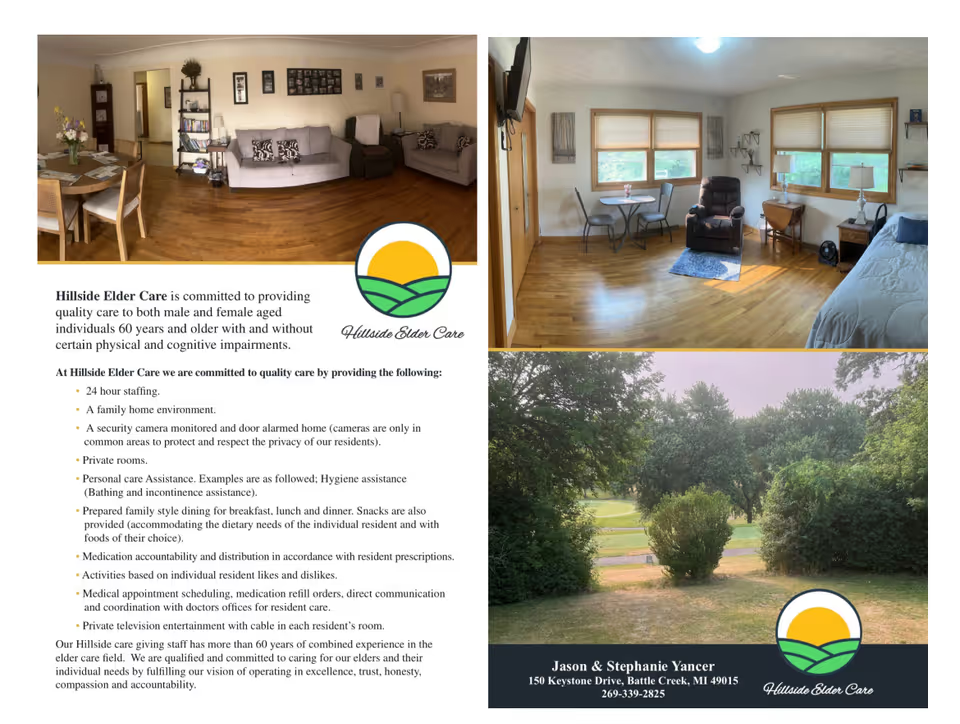
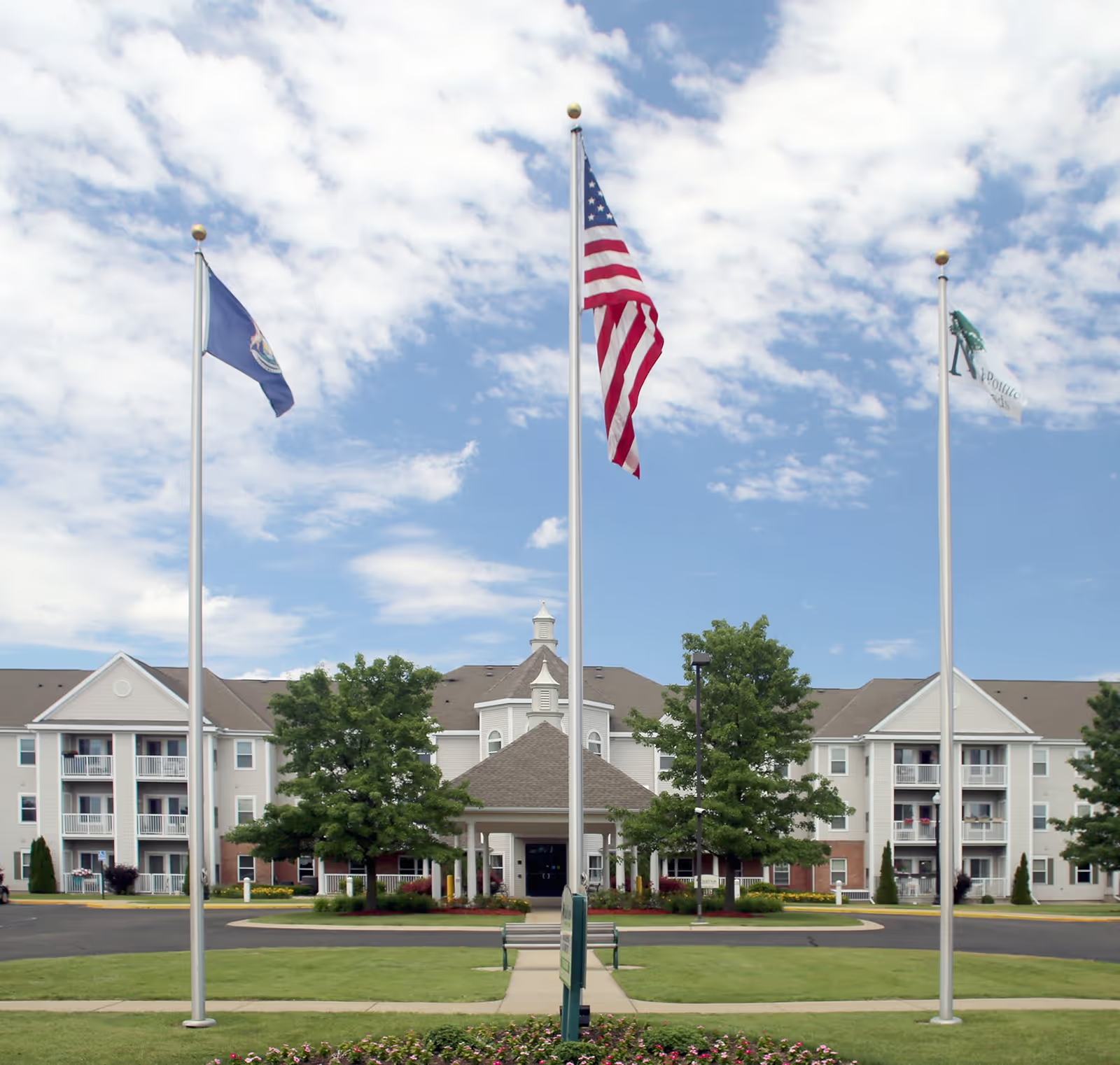
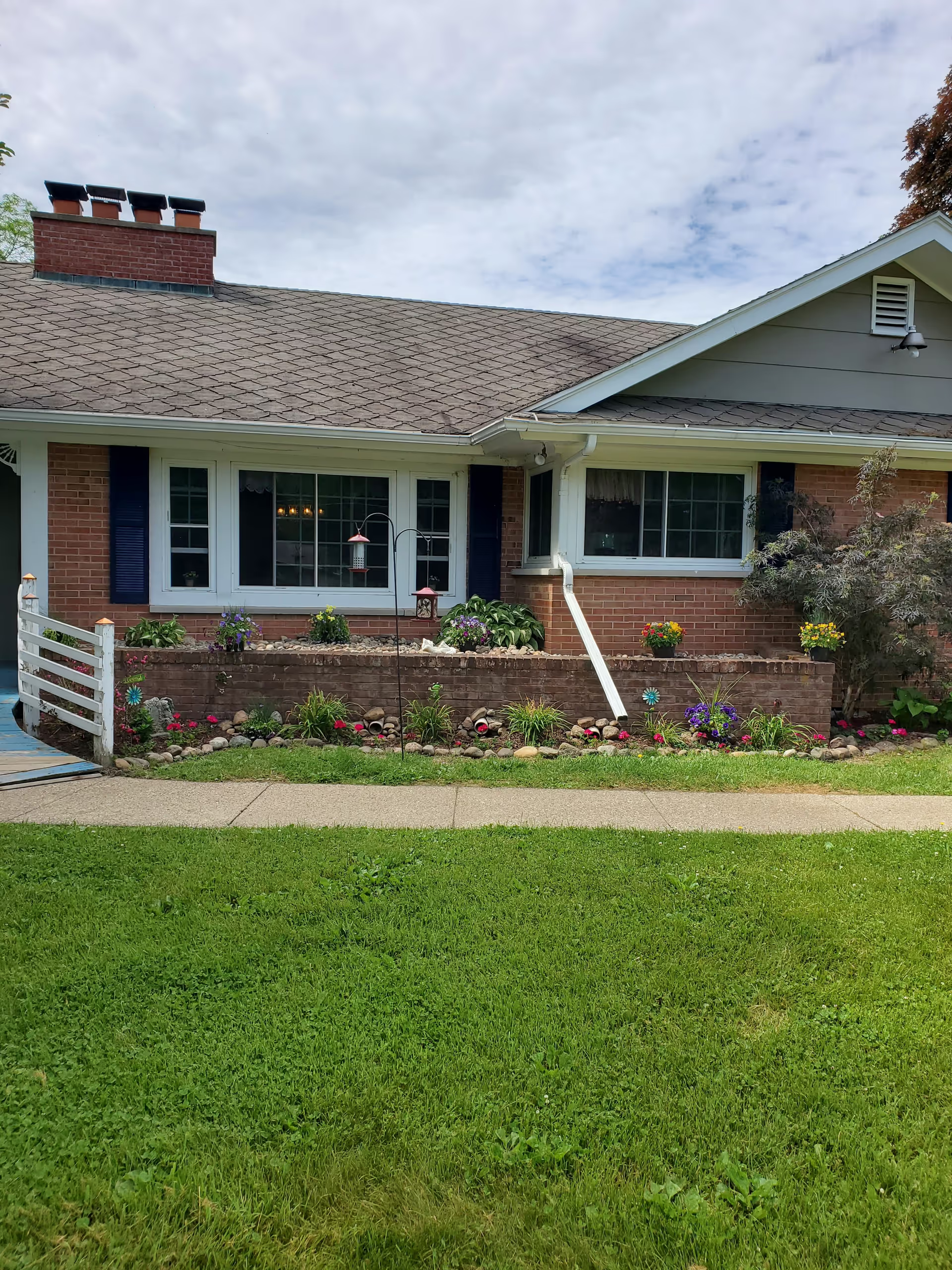
Facilities and layout: Many reviewers praise the physical environment — well-maintained exterior landscaping, private and well-lit rooms, hotel-like accommodations with private bathrooms, garden courtyards, fenced yards, and accessible single-level layouts in parts of the campus. The smaller, home-like scale is a frequent positive that families appreciate for social atmosphere and individualized attention. At the same time, facility condition appears variable across reviews: some describe very clean, new-feeling spaces while others report older or poorly maintained areas, odors, hot/sauna-like rooms due to centralized heat, infestations (ants, and a few reports of bedbugs), or ongoing remodeling. Room size and light also vary — reviewers report everything from spacious, airy rooms to small, dark units. Salon services and some amenities are sometimes not staffed or available.
Dining and nutrition: Dining gets mixed but detailed attention. Many reviewers praise the meals — seasoned, varied, and non-institutional — and note healthy snacks or food available all day. Several accounts even credit the Culinary Arts Institute-trained kitchen staff or a long-tenured chef. Conversely, a consistent negative thread reports occasions where meals were off-site and reheated, described as tasteless or mushy, limited selection (grilled cheese/PB&J/canned entrees), cold or poor breakfast items, and inconsistent food service quality. These mixed reports suggest that dining quality may depend on staffing, kitchen leadership, or which unit/shift is serving.
Activities and social life: Activity programming is generally reported as a strength: bingo, crafts, memory classes, exercise classes, happy hours, outings, church visits, and garden clubs are commonly mentioned and appreciated by residents and families. The facility’s smaller scale and engaged staff often support a busy social calendar and frequent opportunities for outings. Some reviews, particularly in memory care, note activities are too general or not accessible for residents with higher needs, indicating uneven activity suitability across resident populations.
Management, communication and finances: Administrative themes are a major area of concern. Multiple reviews cite billing issues, unclear or changing contract terms, extra or disputed charges (including a cited $500/month drug administration policy and mandatory facility pharmacy), and lack of written clarity around financial matters. Some families report poor responsiveness from administration (hung-up calls, unreturned messages), leadership turnover after acquisition, and inconsistent enforcement of promises made during tours or sales meetings. Positive counterexamples exist where staff helped with financing/VA benefits and provided clear, frequent updates — indicating variability in front-office performance.
Patterns and final assessment: The aggregate picture is of a community that can provide a warm, social, and comfortable home for many residents, especially those needing independent or low-level assisted living, with notable strengths in staff-resident relationships, activities, outdoor space and, often, food. However, the consistency of clinical care (especially medication administration and memory-care de-escalation), reliability of housekeeping and maintenance, and transparency and stability in administration are uneven. These operational weaknesses — staffing shortages, turnover, billing disputes, and occasional cleanliness or pest issues — materially affect some families’ experiences. Prospective residents and families should balance the facility’s evident social and environmental strengths against the operational risks reported: verify nurse coverage and medication protocols, request written and detailed financial/contract terms, ask about staff turnover and use of agency staff, inspect specific rooms and recent housekeeping records, and speak directly with current families in the particular unit of interest (memory care versus assisted/independent) to understand current performance and fit.