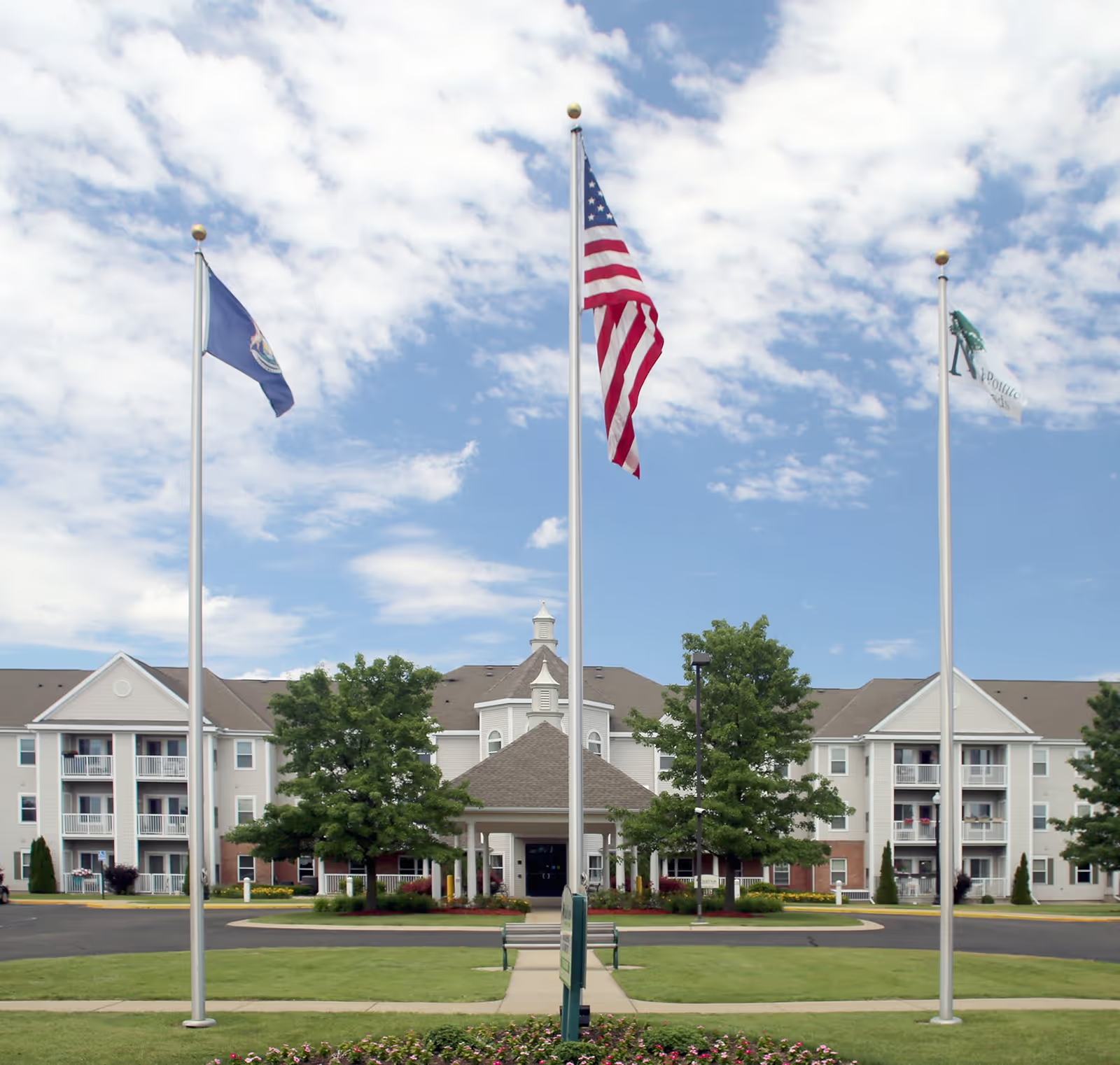
Marshall Comfort Care Assisted Living and Memory Care elicits a mixture of strong positive impressions and substantive operational concerns. Physically, the facility is frequently described as recently renovated, clean, and well maintained, with attractive public spaces and private one-bedroom apartments that include in-unit microwaves and small refrigerators. The memory-care neighborhood is characterized as small and home-like, and many families cite a welcoming atmosphere, chef-driven meals, social dining, and diverse programming such as bridge, art workshops, and cultural events. Several reviewers praise attentive, compassionate caregivers who know residents by name, individualized care plans, assistance with daily living, and on-site daytime nursing support.
At the same time, a consistent theme across feedback is variability in operational execution. Staffing levels and coverage emerge as a primary concern: families describe periods of chronic understaffing, high turnover, and limited night-shift supervision. Those staffing gaps are linked to inconsistent medication administration, intermittent meal-service continuity, and occasional sanitation or incontinence-care issues in some units. Reviewers also raise concerns about staff training and role clarity, noting instances where caregiving staff are pulled into housekeeping, maintenance, or administrative duties, which can reduce time available for direct resident care.
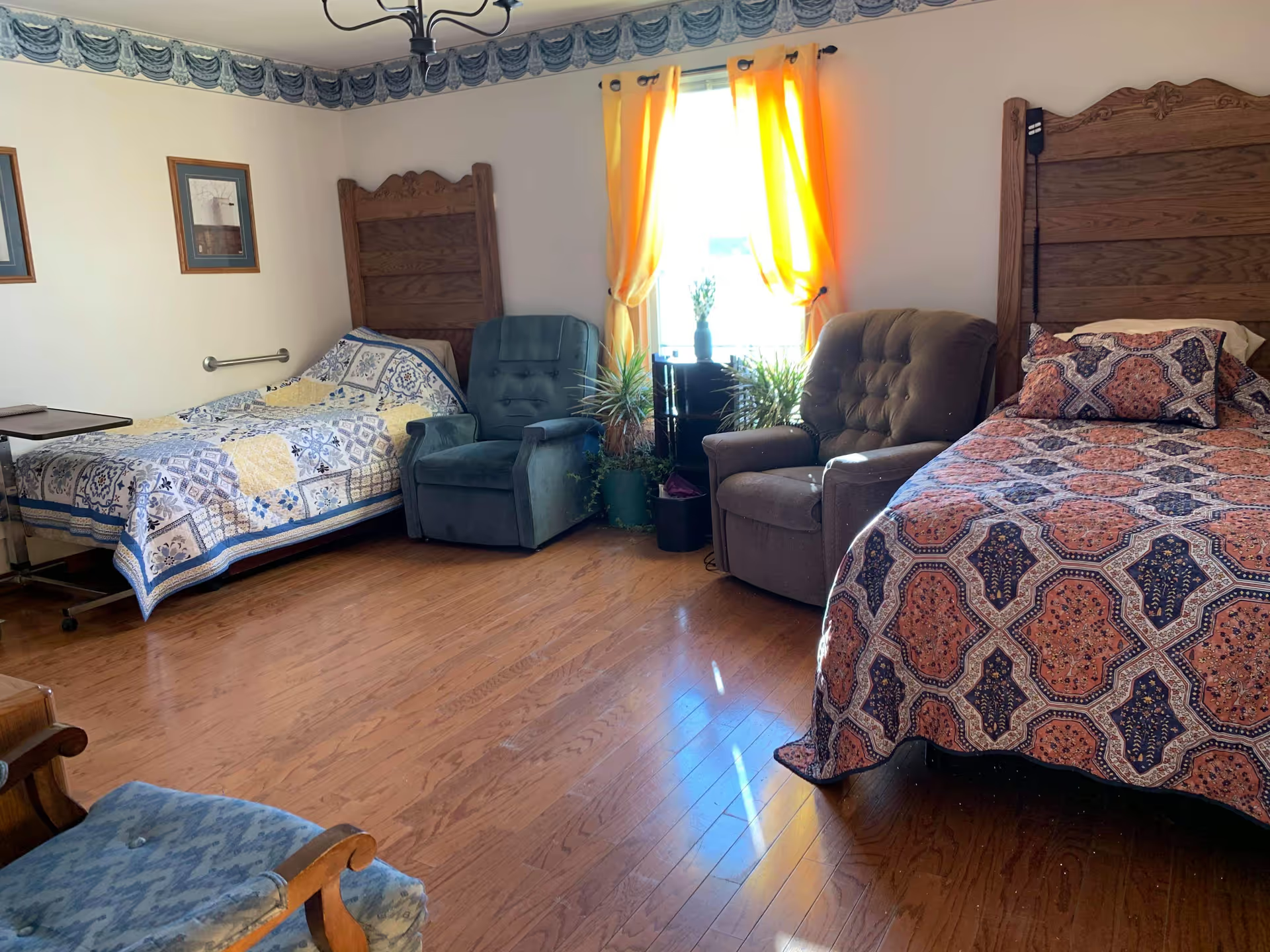
Dining and activities receive mixed evaluations. Many residents enjoy the chef-driven menus and the social aspects of meal times, and program offerings in the general community are described as varied and engaging. However, some families report inconsistent food delivery, variations in meal quality, and limited or overcrowded activity options — particularly in parts of the memory-care neighborhood where room size and dining capacity can be constrained. Several commenters also note limited weekend programming or less structured activity opportunities for higher-acuity memory residents.
Management and communication show signs of recent improvement but remain uneven. New leadership is credited with increased responsiveness, visible renovations, and positive tour experiences; conversely, other accounts describe lapses in administrative follow-through, difficulty obtaining callbacks, and problems with billing or deposit communication. There are isolated but serious concerns about emergency-response reliability and staff conduct standards, which warrant direct inquiry during any assessment.
For prospective residents and families, the overall pattern suggests that the facility offers many desirable physical features, a strong community atmosphere, and capable caregiving when staffing is adequate. At the same time, the persistence of operational gaps — notably staffing levels, medication-management consistency, emergency-response reliability, and activity capacity in some memory-care areas — means that experiences can vary substantially. Families considering Marshall Comfort Care should prioritize questions about current staffing ratios (including night coverage), medication administration protocols and error-tracking, cleaning and incontinence-care procedures, activity schedules for memory care, turnover rates, and recent management changes to establish whether the facility’s strengths align with the prospective resident’s clinical and social needs.