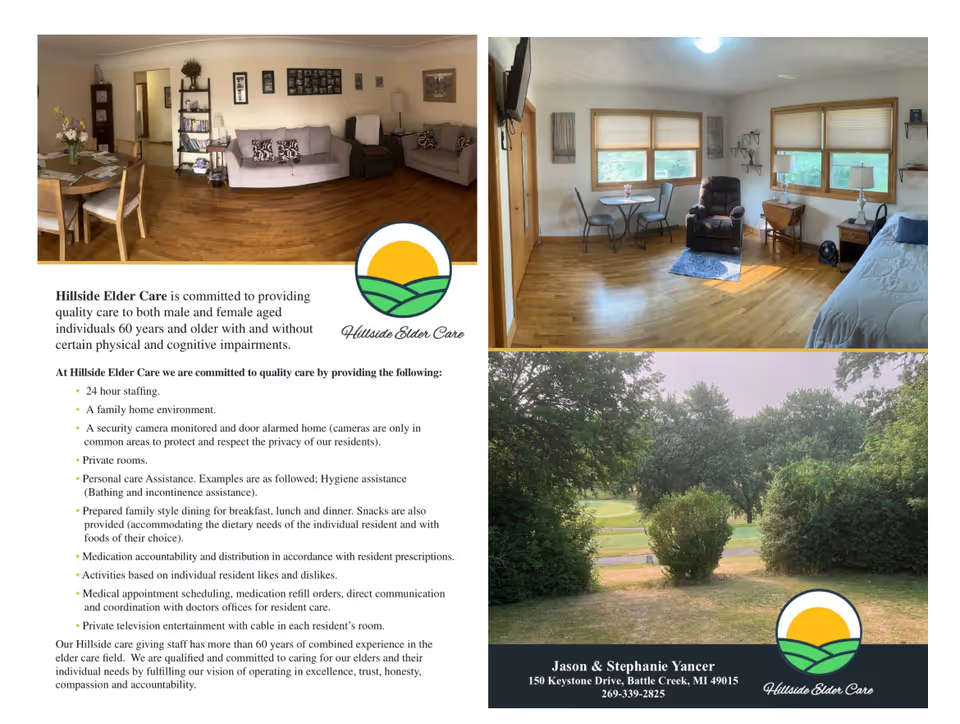
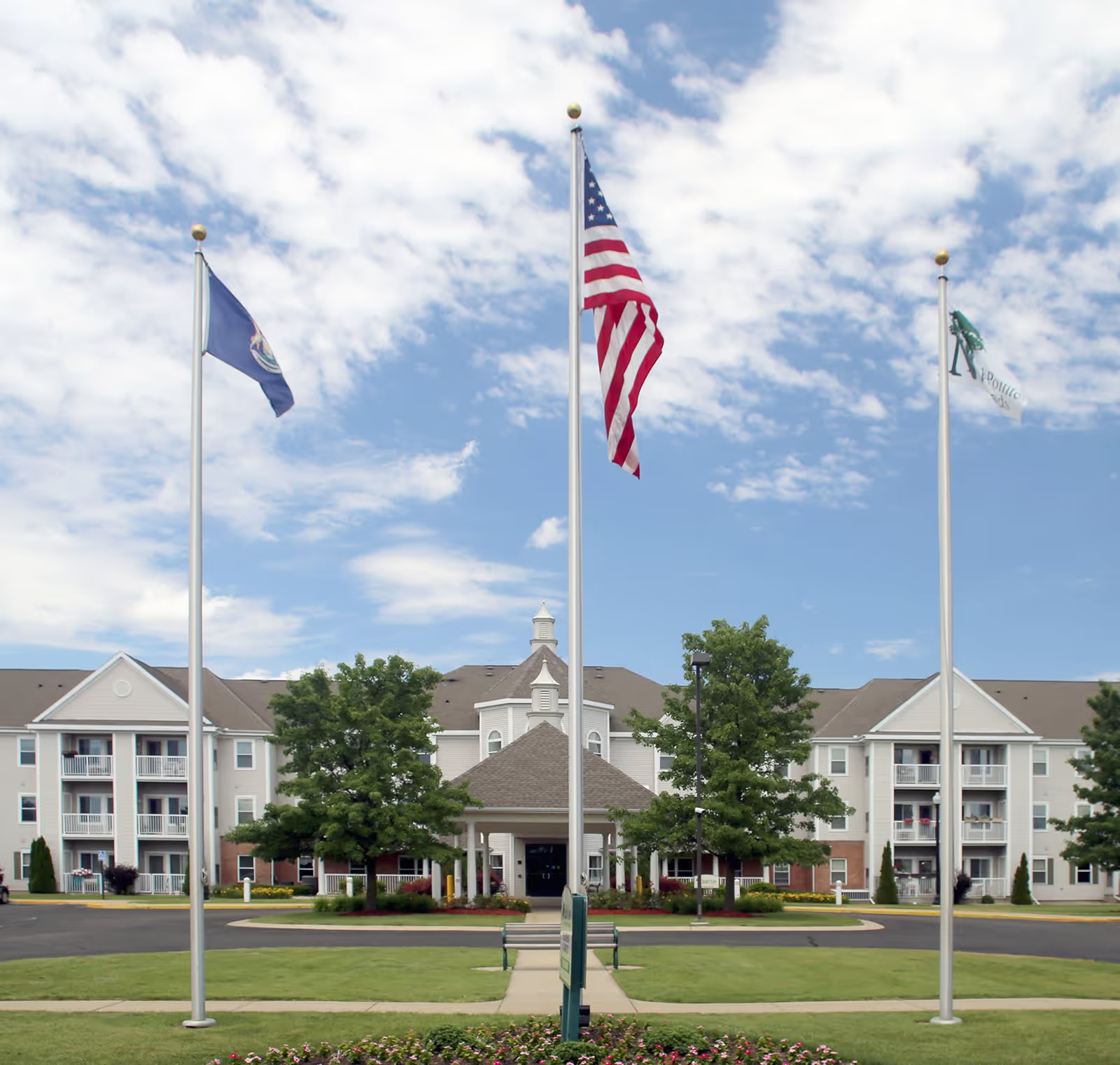
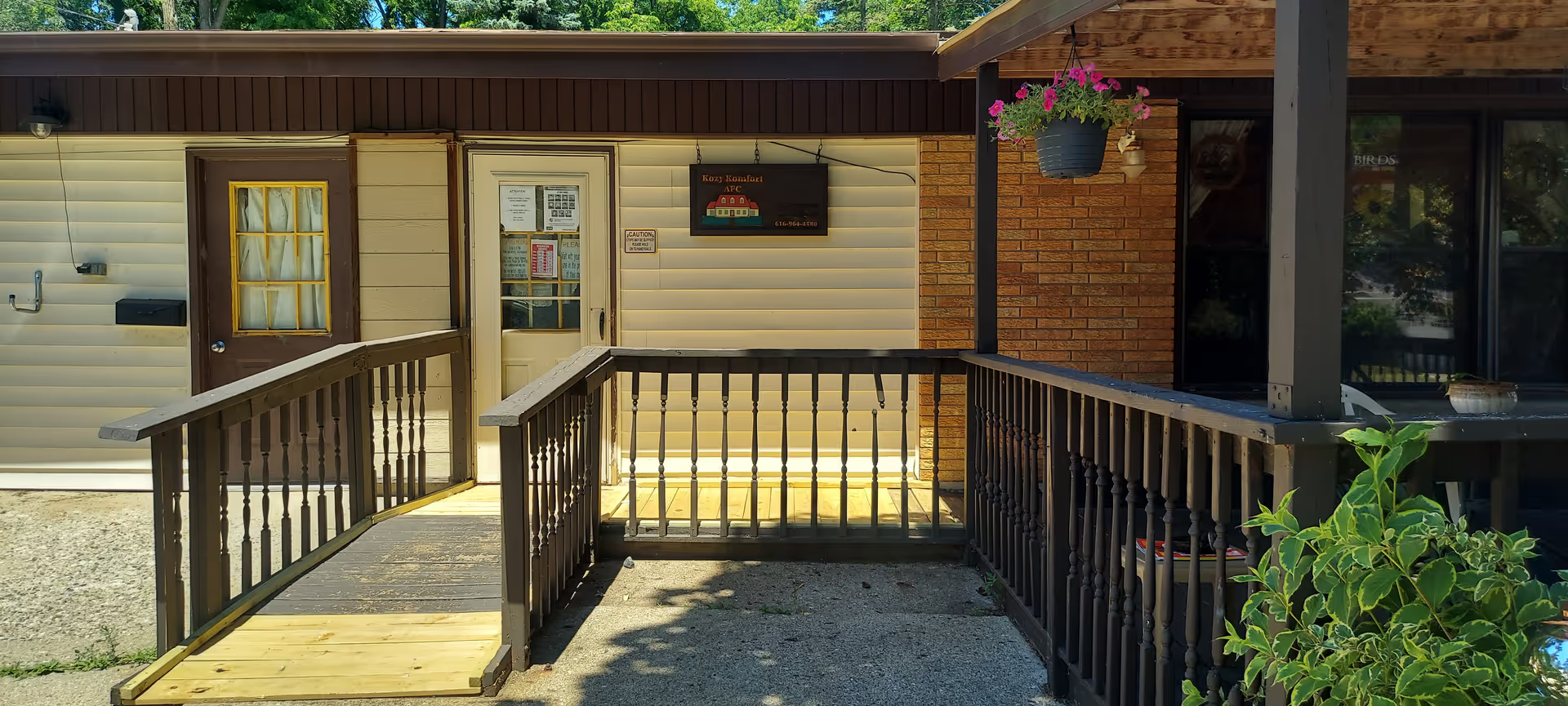
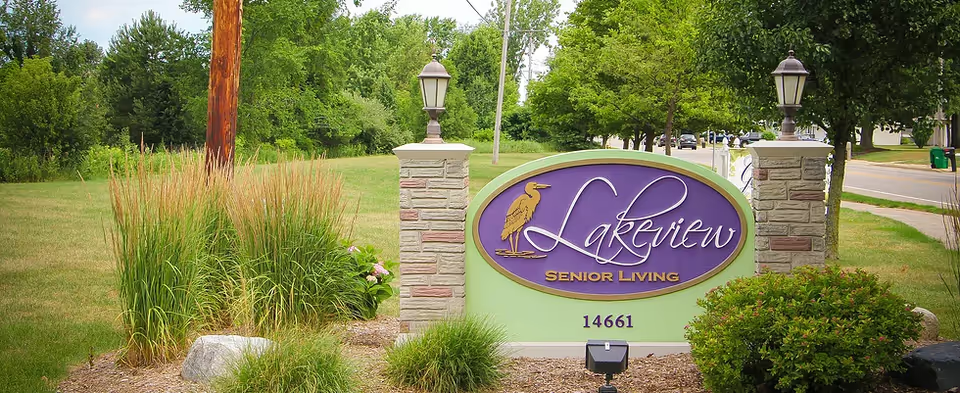
The reviews present a mixed but coherent picture: many comments emphasize a warm, home-like culture with attentive staff and owners who are perceived as caring, while other remarks raise operational concerns that could affect day-to-day care. Prospective residents and families will likely find that the facility projects a welcoming atmosphere and that basic daily needs are generally met; however, there are repeated indications of systemic issues tied to staffing, capacity, and administrative practices.
Care quality and staff: Reviewers commonly described staff as hardworking and attentive, and noted respectful, friendly interactions that contribute to a home-like environment. At the same time, reviewers flagged staffing shortfalls and inconsistent responsiveness; these comments suggest variability in how quickly and consistently staff can attend to resident needs. The combination of praised individual caregivers and concerns about workforce levels points to competent direct-care staff working under constrained conditions rather than uniformly poor caregiving.
Dining and activities: Direct detail about dining and programming is limited in the summaries provided. The statement that "daily needs fulfilled" implies that meals and routine personal-care tasks are being supplied, but there is insufficient information to evaluate meal quality, menu variety, or the breadth and regularity of recreational programming. The described friendly atmosphere and home-like setting are suggestive of opportunities for social interaction, but reviewers do not provide specific accounts of organized activities or enrichment schedules.
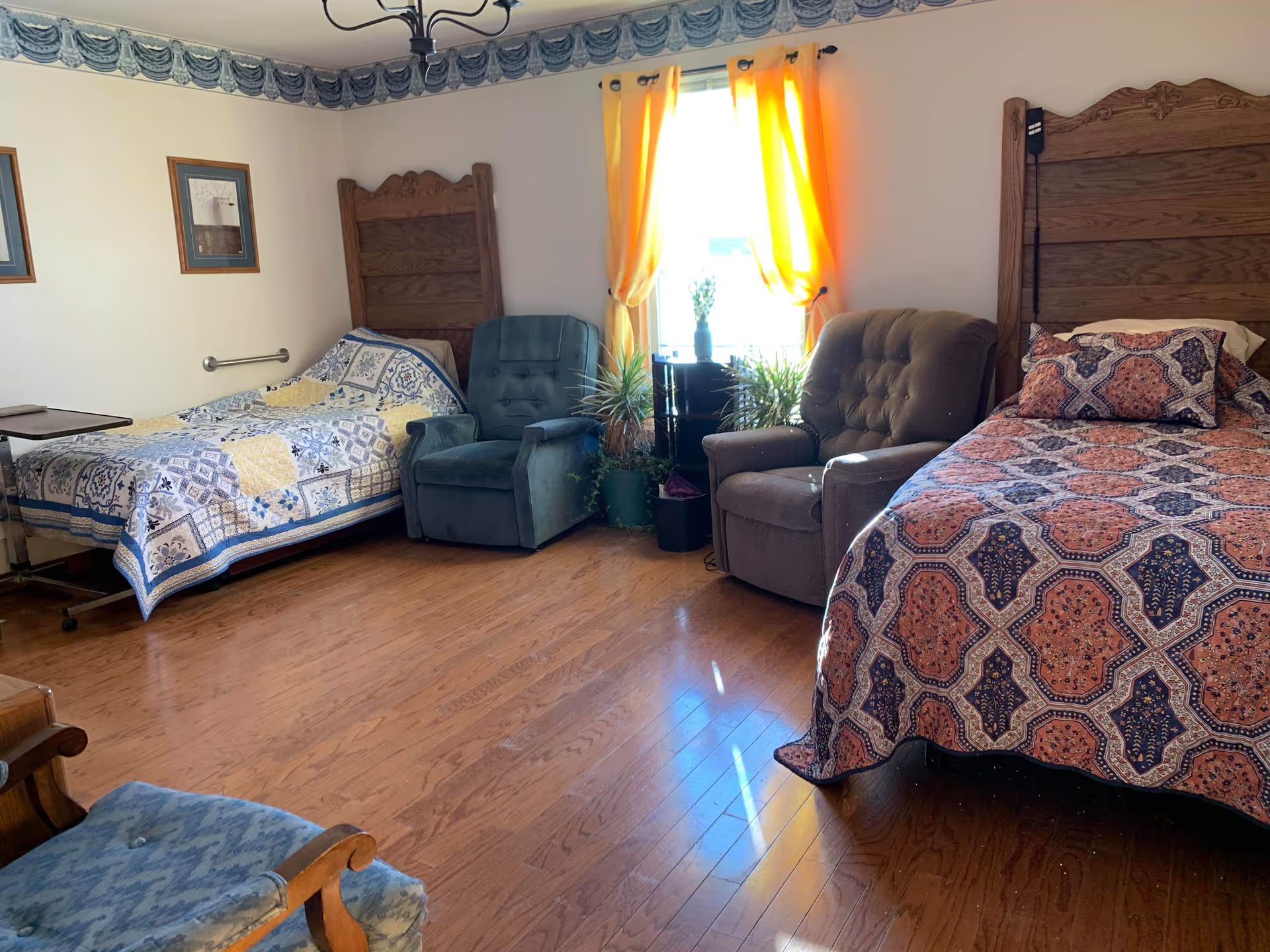
Facilities and management: The physical environment is described as comfortable and welcoming in several comments, yet there are also references to overcrowding and maintenance or sanitation inconsistencies. Overcapacity concerns may contribute to both the perceived crowding and the variability in maintenance and cleanliness. Management is viewed positively in personal terms by some—comments about the Martins indicate engaged ownership—but administrative issues appear as well. Notably, reviewers mentioned irregular compensation or off-the-books pay practices, which raises potential HR, labor-law, and staff-retention risks that could indirectly affect continuity of care.
Notable patterns and considerations: The dominant pattern is a contrast between a supportive, home-like culture and operational stresses tied to staffing, capacity, and administrative practices. This combination can produce strong one-on-one relationships between staff and residents while also producing variability in responsiveness and facility upkeep. For families considering this provider, recommended due diligence includes asking about current staff-to-resident ratios and turnover, observing routines for meals and activities, reviewing staffing schedules for peak times, and requesting clarification of payroll and employment practices. A tour that includes time in common areas during an active period will help assess crowding, maintenance, and the consistency of care interactions.