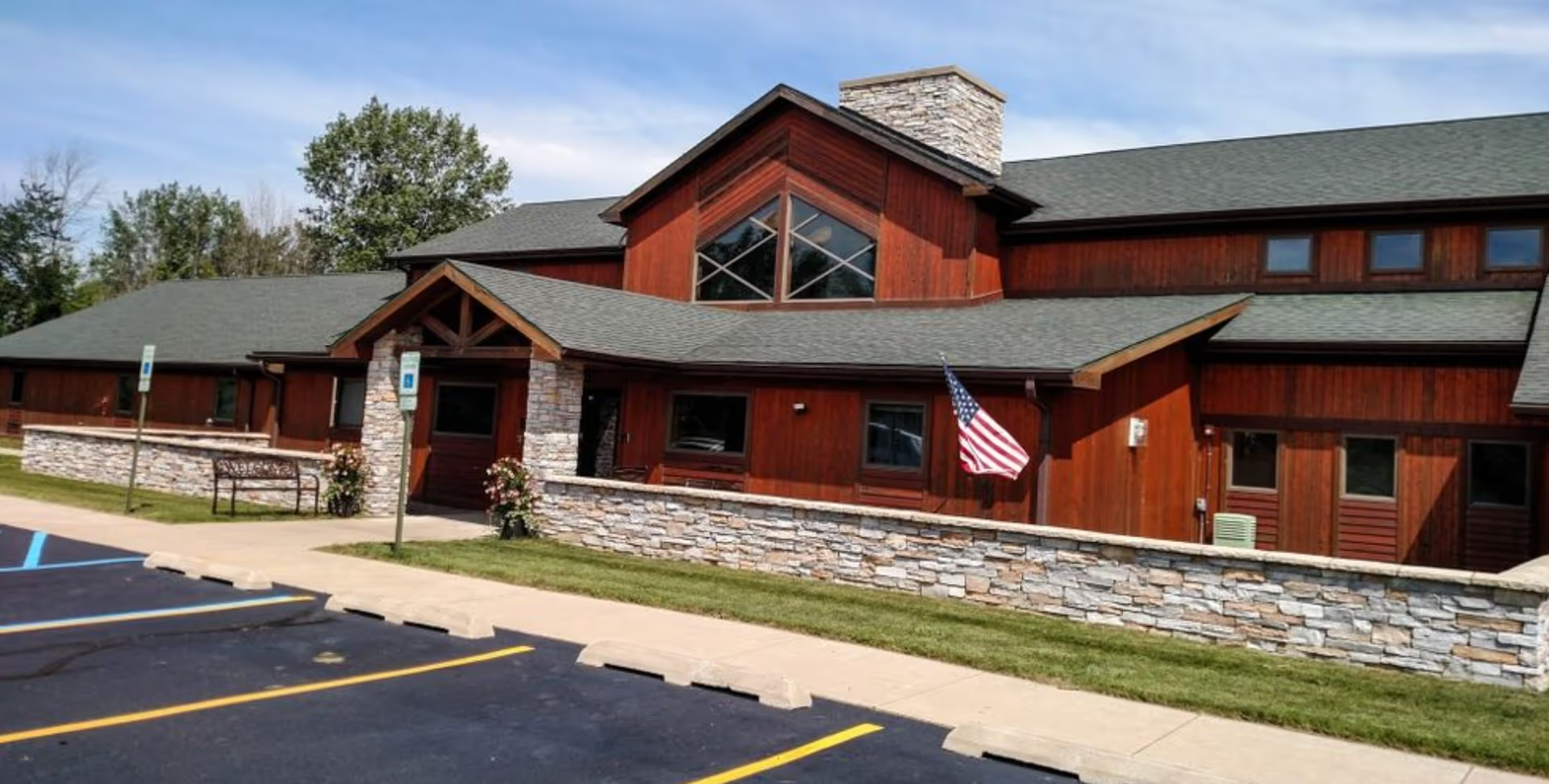
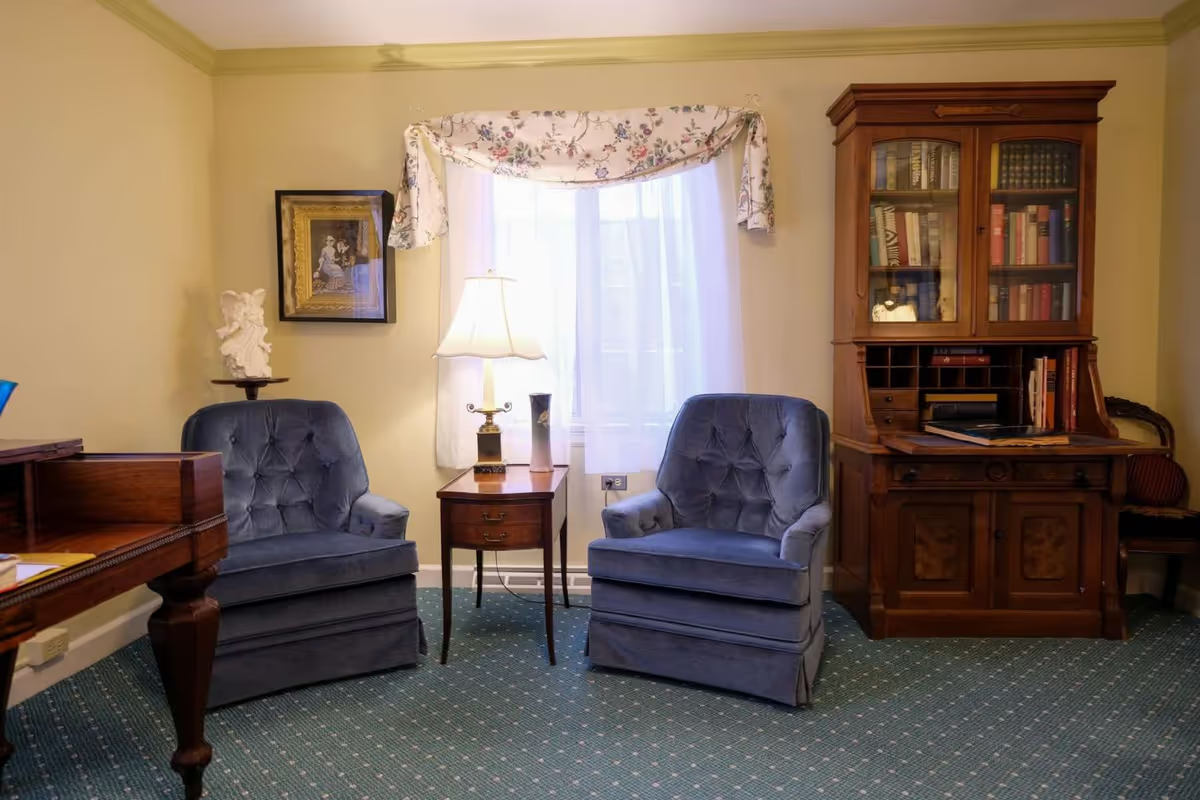
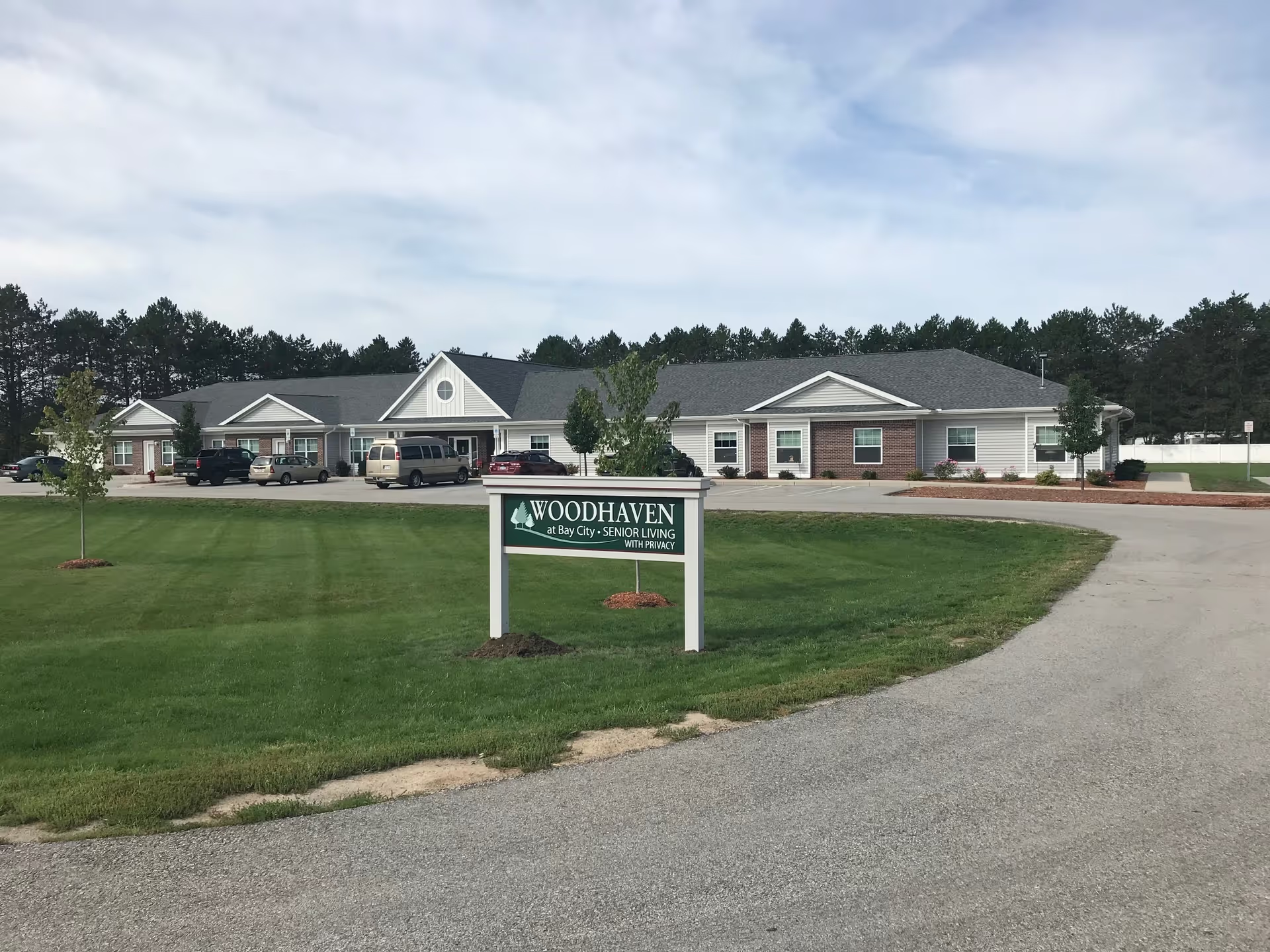
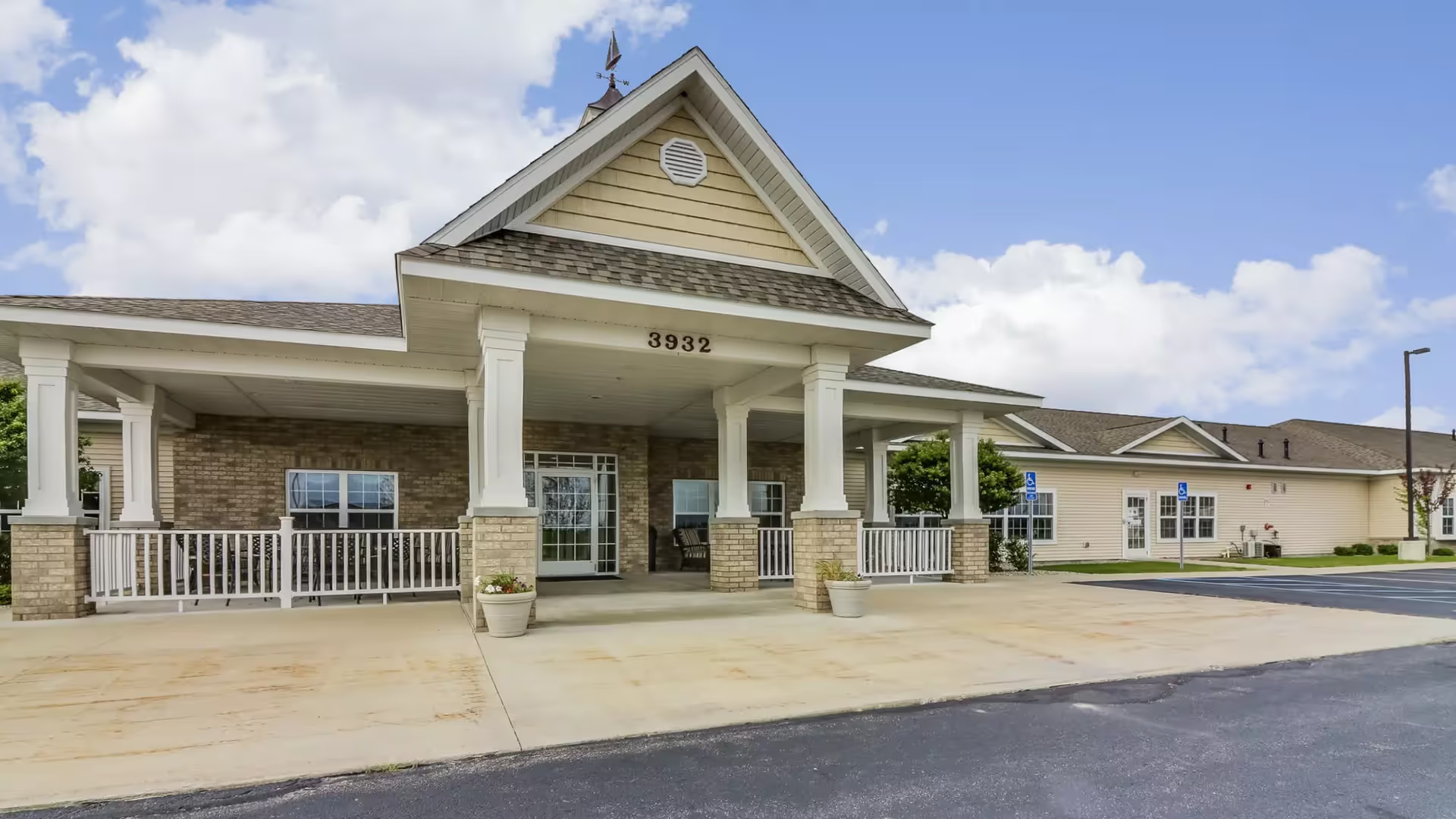
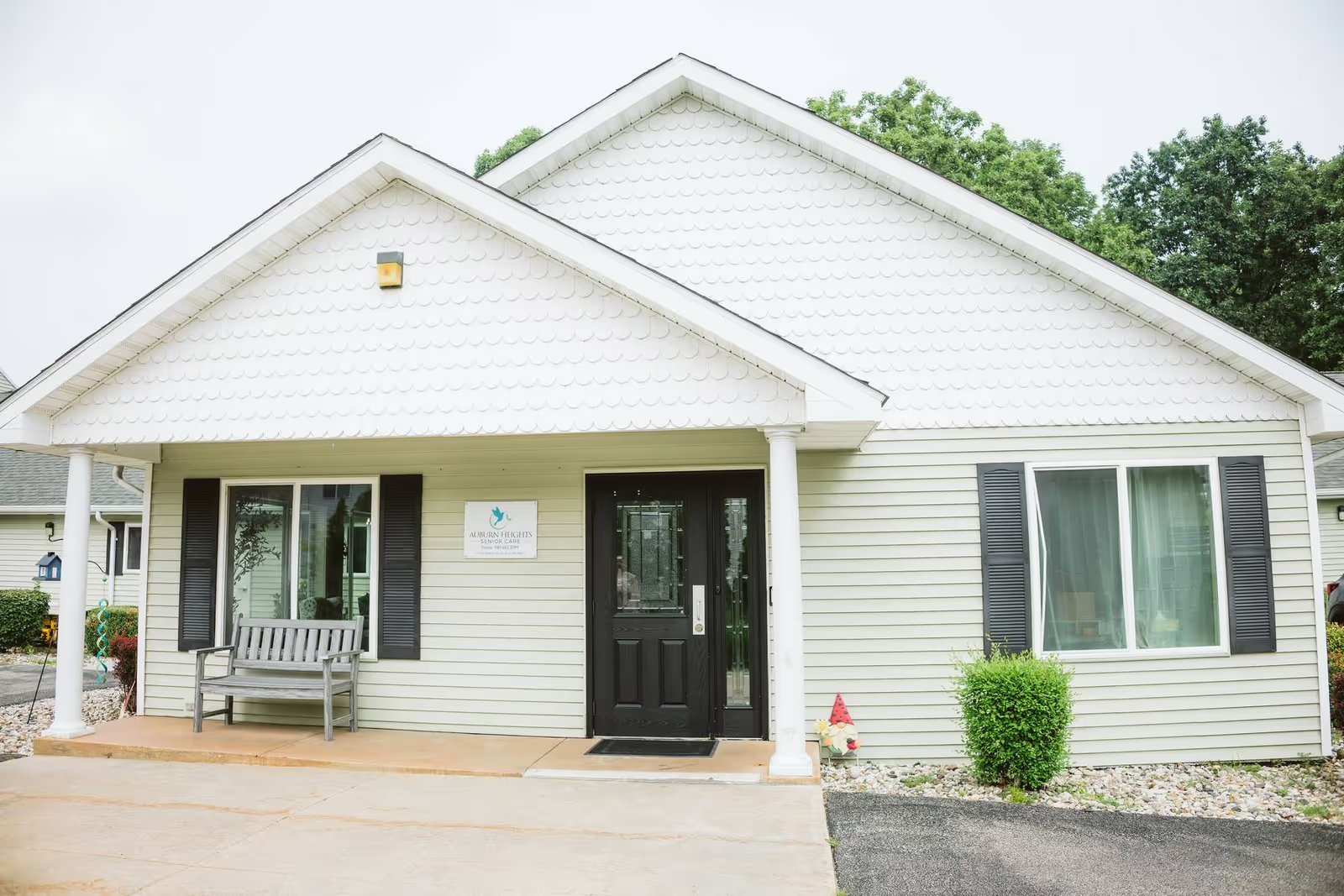
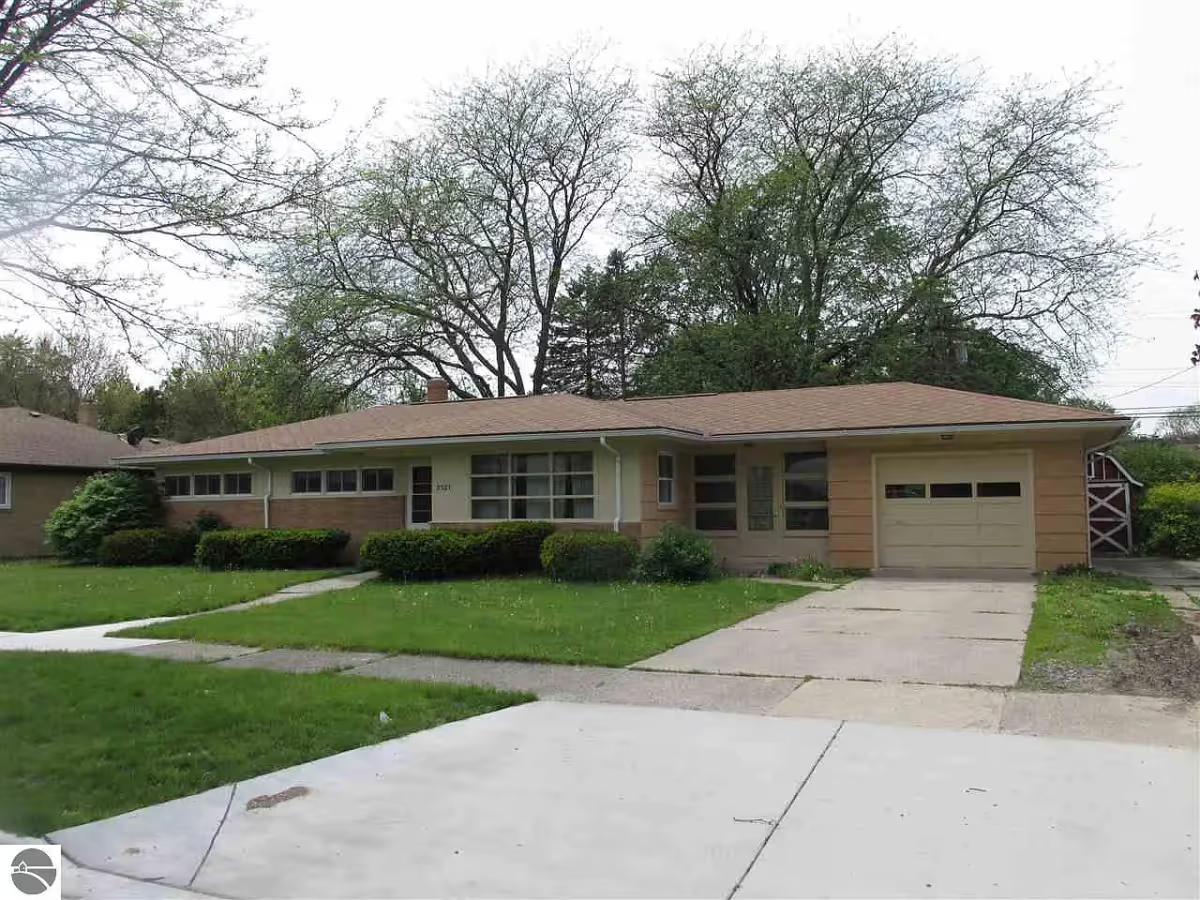
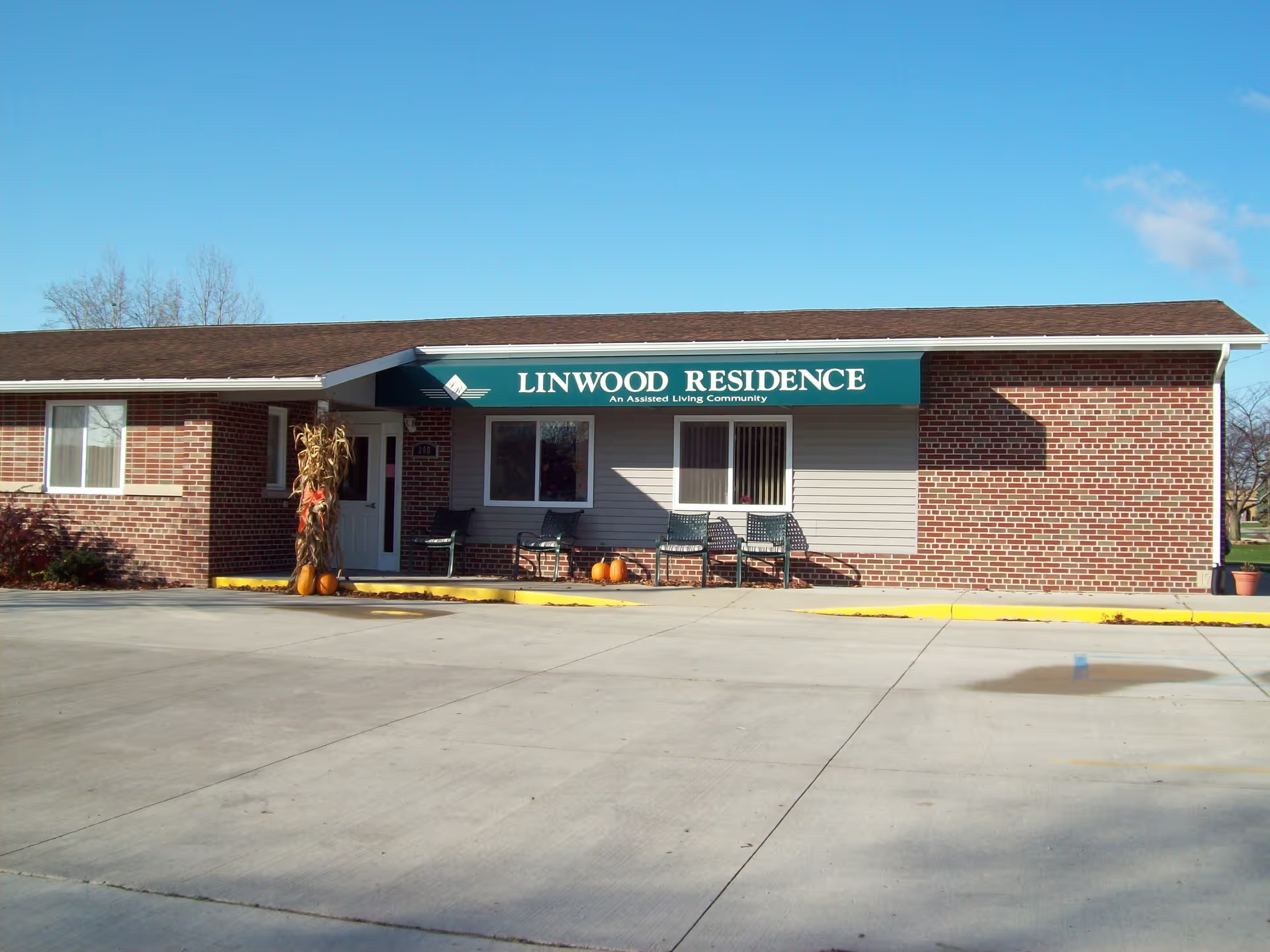
Willow of Bay City/ Brookdale Bay City is consistently described as a small, home-like assisted living with a well-kept physical environment and a staff culture that many families find compassionate and responsive. Reviewers frequently highlight individual caregivers and nursing staff for timely help, medication coordination, and strong family communication; several named staff were cited as exemplars of that responsiveness. The community’s small size (often cited as around 20 residents) supports personalized attention, apartment-style rooms with private baths and kitchenettes, and direct access to outdoor spaces such as a garden and front porch.
Dining and activities are regular focal points. Many reviewers praise the on-site chef, daily meals, and available snacks, and social offerings include memory-focused programming, crafts, bingo, woodworking, music/karaoke, salon services, and community outings. At the same time, there is a consistent thread of variability: some families describe bland or inconsistent meal experiences, and others note limited activity schedules, a small activity room, or differences between advertised and delivered programming. Prospective residents should confirm current activity calendars and meal menus to ensure they match expectations.
Operationally, the facility receives repeated commendation for cleanliness and an orderly appearance, although a number of reviews raise sanitation and odor concerns in specific bathing or bathroom areas. Staffing is frequently praised for compassion and going “above and beyond,” yet several reviewers also describe limited staffing resources that can constrain one-on-one care, overnight/medication coverage, or the breadth of programming. There are mixed impressions of clinical and administrative consistency: while some families report excellent medication management and proactive communication, others describe administrative gaps such as unclear policies, uneven documentation, or concerns around care-placement decisions.
Financially and access-wise, Willow of Bay City operates on a private-pay, a la carte model; pricing transparency is noted positively, but the community is also described as costly and does not accept Medicaid, which limits affordability for some families. Management and leadership receive both high praise for hands-on engagement and compassionate oversight and criticism where reviewers experienced communication lapses or perceived misleading information. Overall, the facility may be a good fit for families seeking a small, attentive community with strong individualized staff relationships and well-maintained facilities, but prospective residents should perform focused due diligence on current staffing levels, cleaning and bathing protocols, activity offerings, and payment/placement policies before committing.