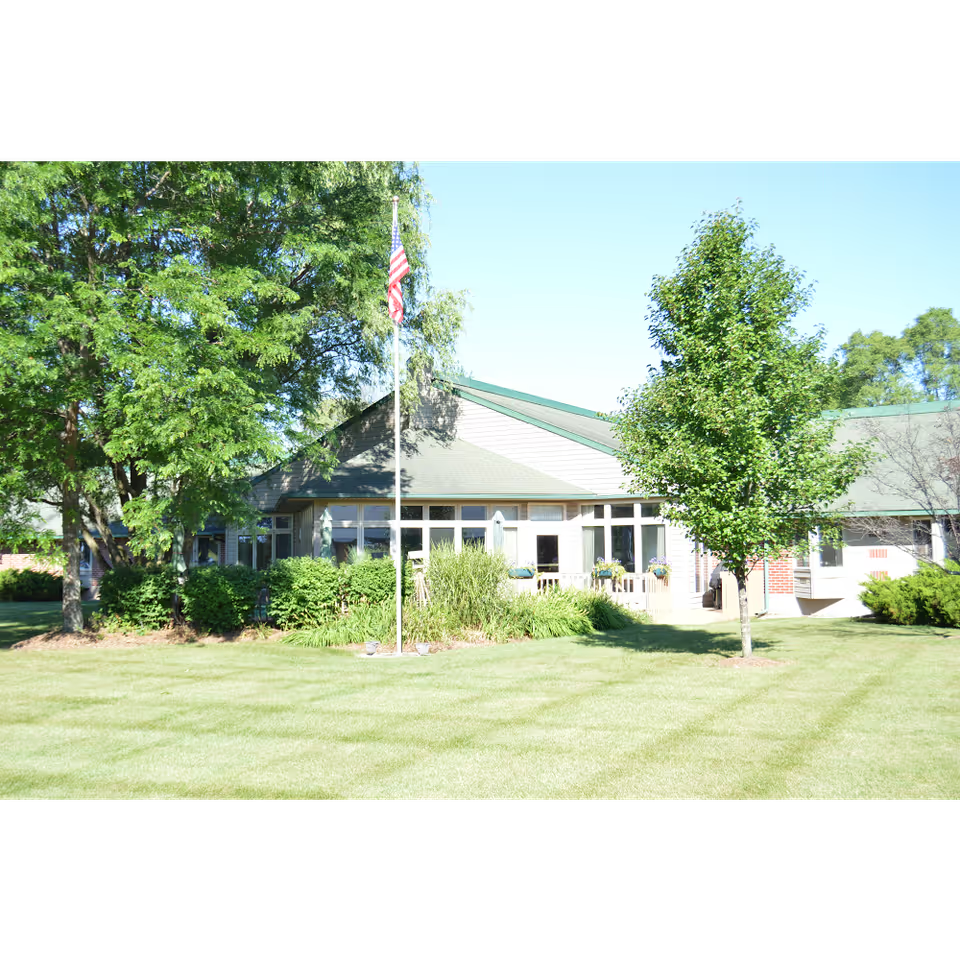
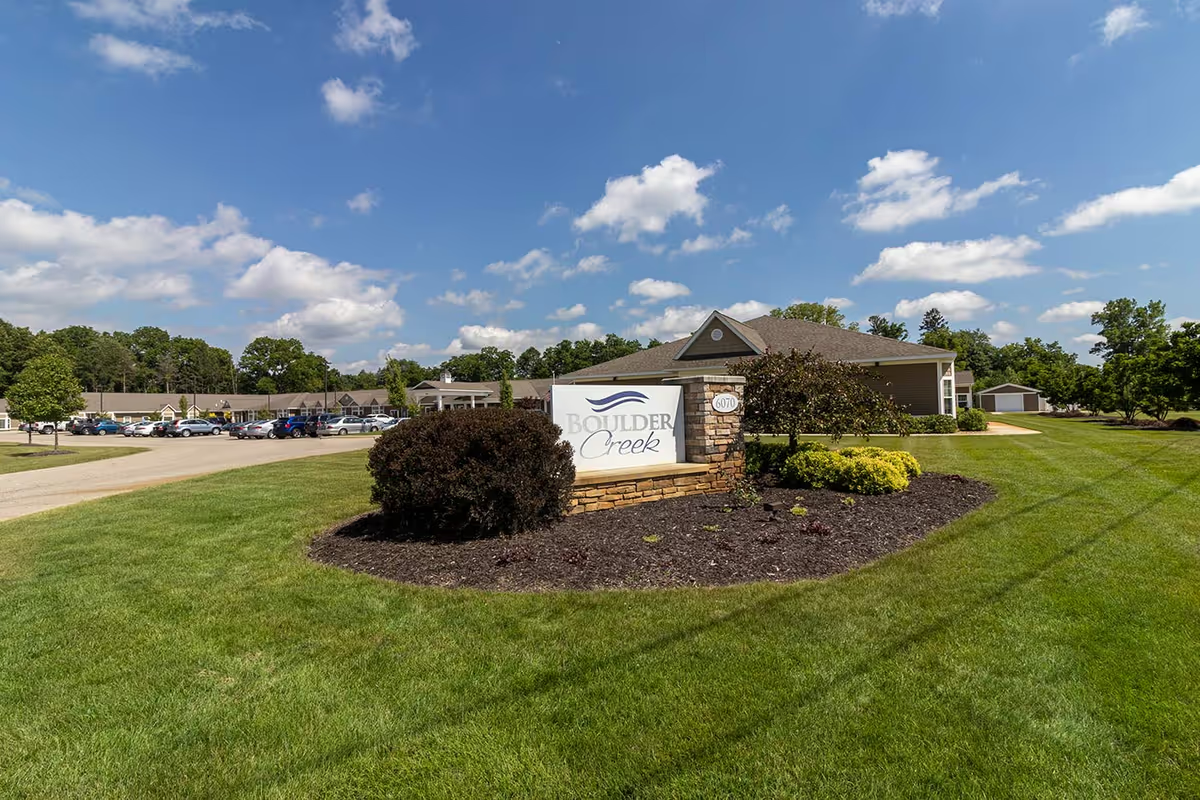
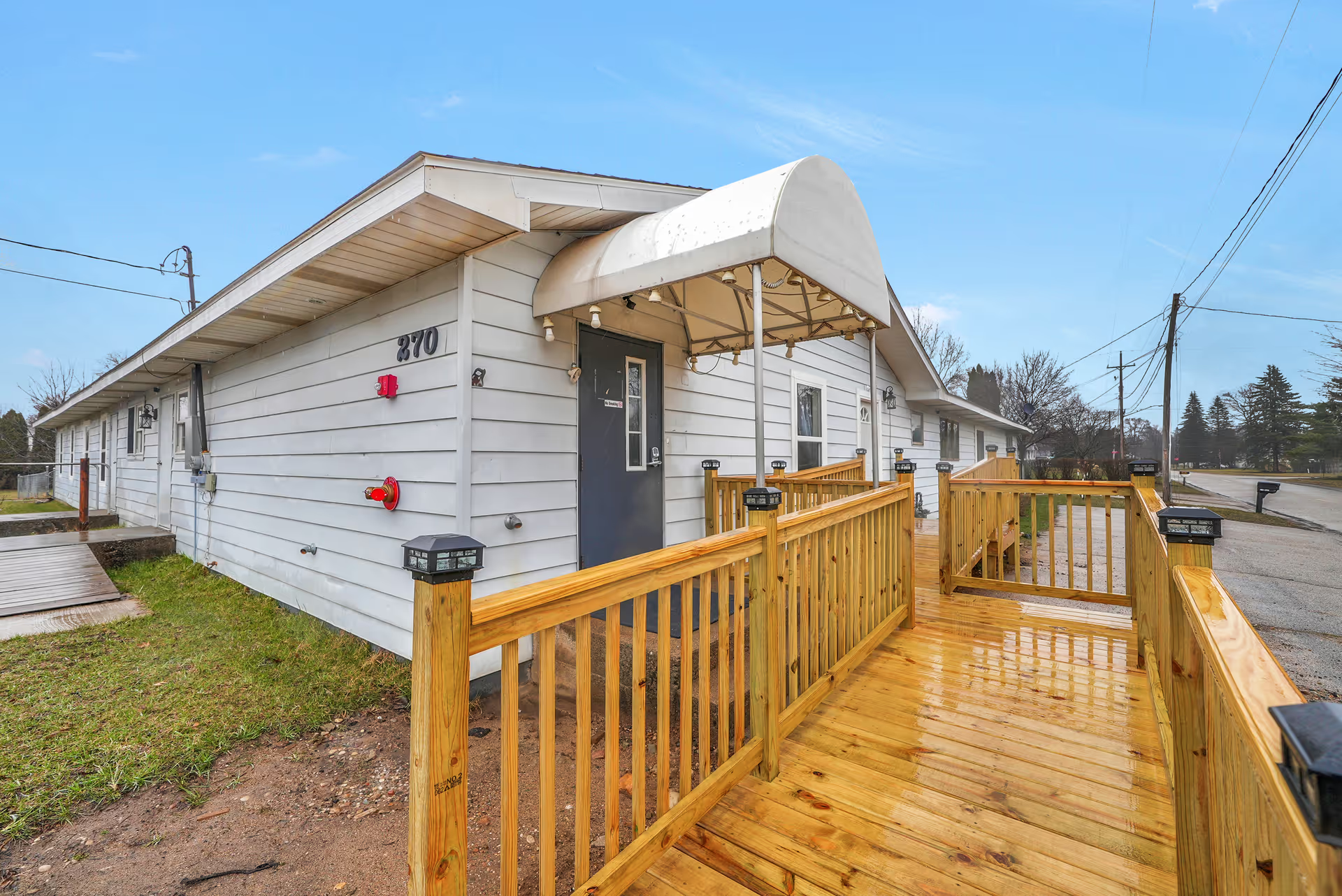
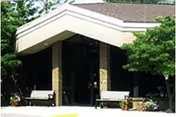
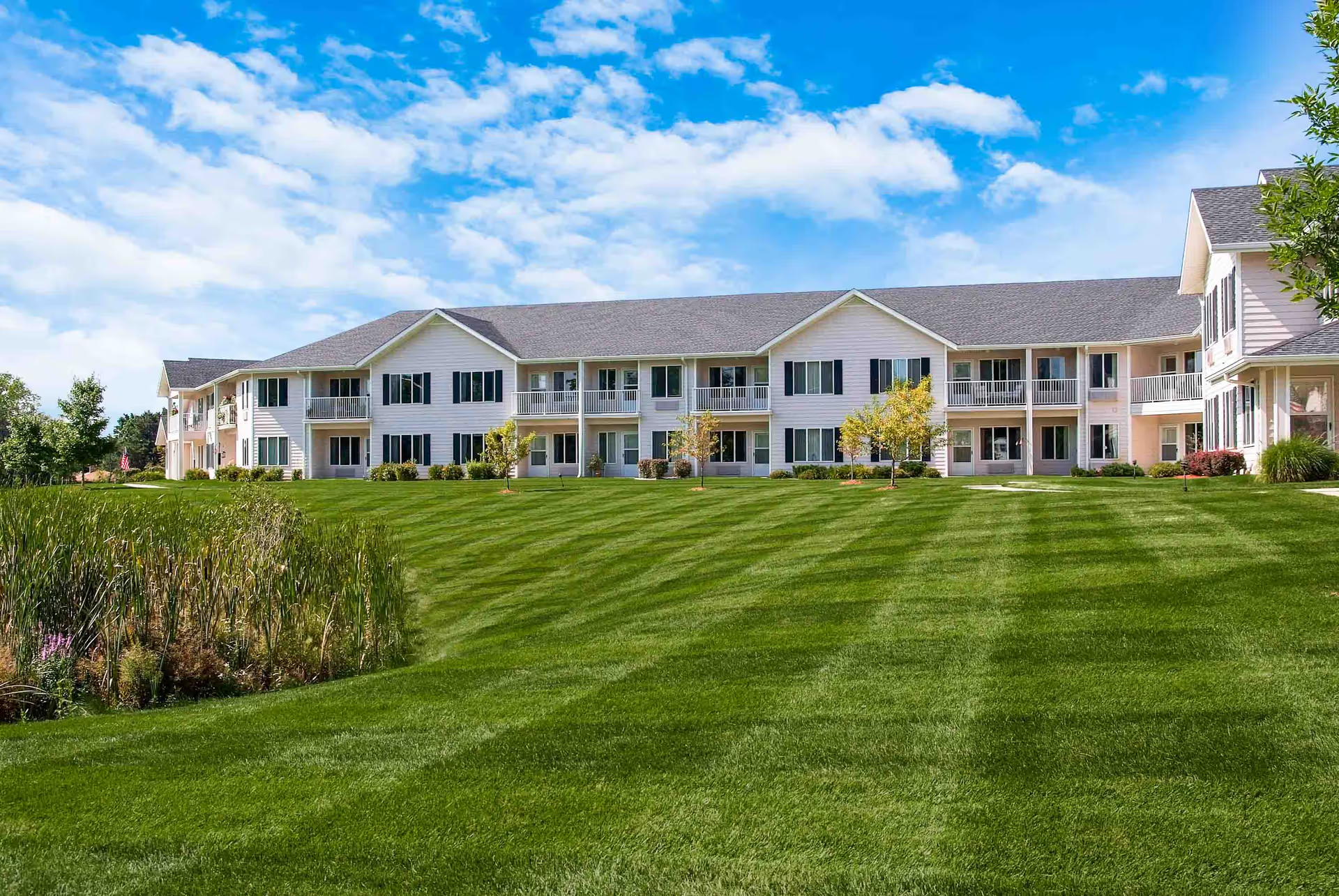
Care Cardinal Belmont elicits a mixed but clearly patterned set of impressions. Across reviews there is consistent praise for individual caregivers and certain leaders: staff are often described as compassionate, patient, and willing to go beyond routine duties, and specific administrators receive positive mention for communication and family engagement. The building and grounds are repeatedly described as attractive, new, and well maintained; private rooms and large accessible bathrooms, a cozy interior, and a family-style dining/home atmosphere are frequently cited as strong features. Several families reported measurable improvement in loved ones’ condition under the facility’s care, and the small size of the setting is frequently linked to a more personal environment that can suit residents with dementia.
At the operational level, however, reviewers identify recurrent weaknesses that affect care consistency. Chronic understaffing and a reliance on fill-in scheduling are the most commonly mentioned operational traits; reviewers describe situations in which staffing levels do not match resident needs, and where one staff member may be responsible for many dependent residents. This ties into inconsistent shift-to-shift communication and variable management follow-through, which reviewers associate with missed tasks, uneven supervision, and a sense that performance can depend on which leaders are present.
Dining and housekeeping present mixed signals. Some families appreciate on-site meal preparation and a family-style dining approach, while others describe menus as nutritionally inadequate or inconsistent with dietary standards. Housekeeping and laundry are similarly inconsistent across accounts, with cleanliness and sanitation concerns noted alongside praise for otherwise fresh, well-kept rooms. Reviewers also flagged gaps in medication-management practices and questioned whether dementia-specific clinical supports are consistently available, suggesting the facility may be better suited to residents needing social and custodial support than to those requiring complex clinical dementia care without verified protocols.
Activity programming and resident engagement show variability as well. While some accounts describe meaningful, staff-led engagement and activities brought into rooms, other accounts note a lack of outings, limited group programming, and minimal exercise opportunities. Administrative and corporate-level support is another recurring theme: reviewers indicate engaged onsite administrators but also describe limited backing from ownership or corporate leadership, and some express difficulty with insurance or Medicaid paperwork handling.
For prospective families: the facility’s physical environment and many front-line caregivers are strengths, especially for those seeking a smaller, home-like residence. However, important operational questions should be clarified before placement—current staffing ratios and plans for coverage, medication-management protocols, dementia-care programming and clinical oversight, housekeeping and laundry schedules, menu planning and dietary accommodations, and how the facility handles insurance/Medicaid paperwork. Asking for recent staffing metrics, sample activity calendars, and written care-plan examples will help determine whether the facility’s strengths align with a given resident’s needs.