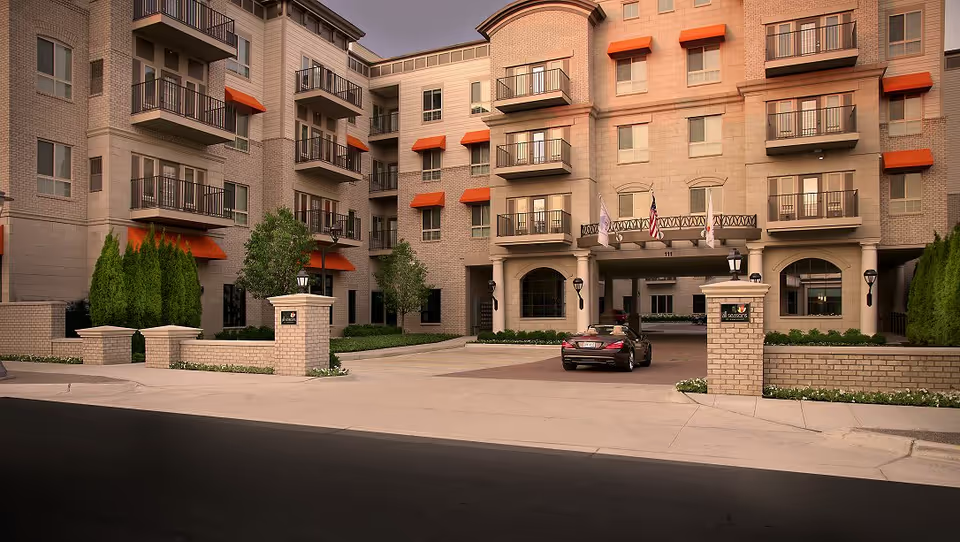
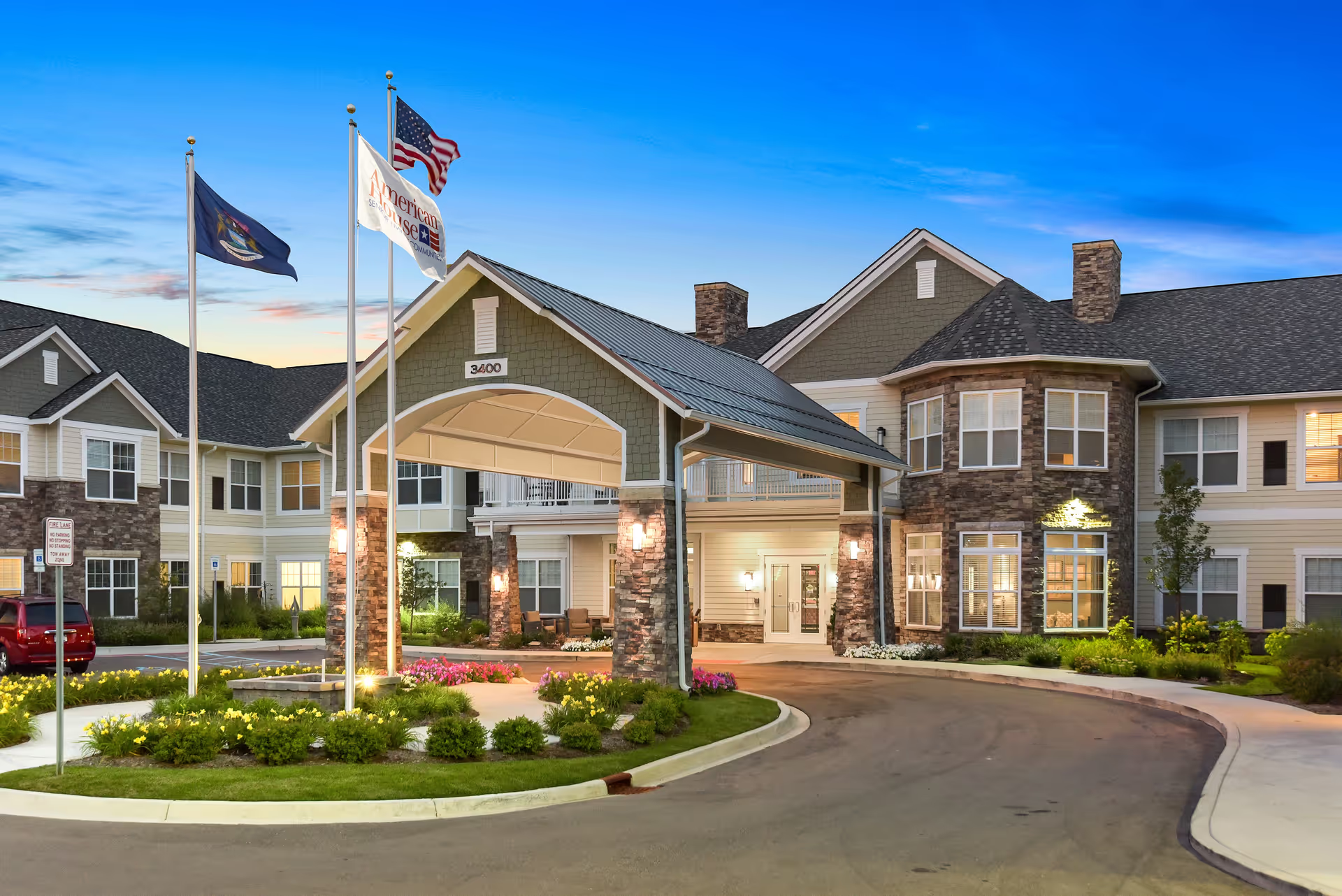
The reviews present a mixed but consistent pattern: StoryPoint Birmingham is widely praised for its physical environment, dining and activity programming, and many front-line staff members who demonstrate compassion and individualized attention. The building, common areas and outdoor spaces are frequently described as attractive, hotel-like and well maintained; families often highlight engaging Life Enrichment offerings, frequent entertainment and meaningful social opportunities. Several reviews single out kitchen and dining staff, physical-therapy services, and particular caregiving and maintenance employees for exemplary service.
At the same time, a substantial set of operational concerns recurs across reviews. Staffing levels and turnover are the most commonly cited issues: families describe periods when aides and clinical staff were stretched thin, which reviewers link to delays in assistance, rushed care interactions, and variability in how well staff understand residents' mobility or dementia-related needs. Multiple reviewers raised concerns about medication administration accuracy and clinical oversight, and some reported unreliable response to call-button alerts or other emergency-notification systems. These items suggest systemic gaps in clinical processes and emergency readiness rather than isolated incidents.
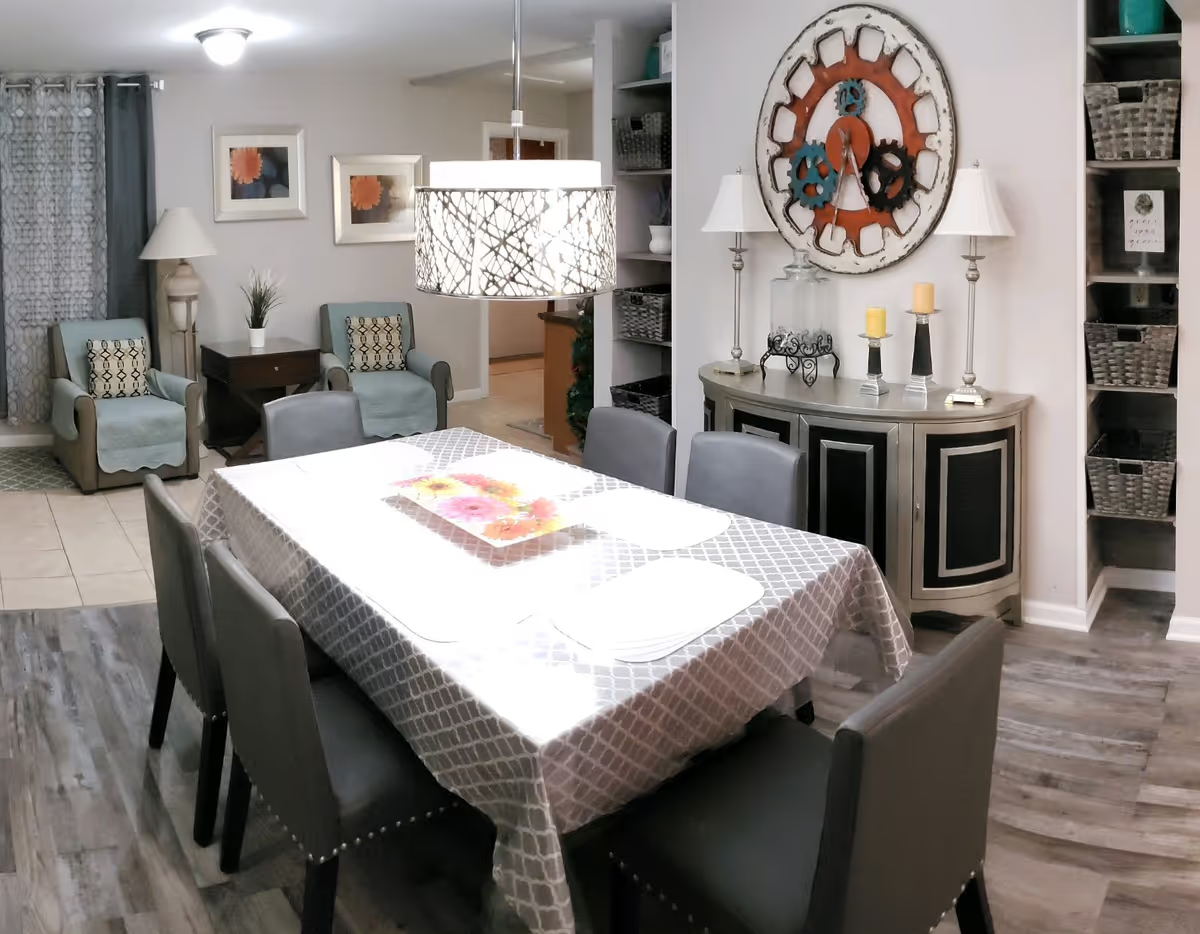
Dining and housekeeping present a mixed picture. Many reviewers praise the chef, restaurant-style service and creative menus; others report inconsistent meal quality, broken dietary accommodations (for example, gluten-free requests not consistently honored), and occasional hygiene or linen-management lapses. Activities and Life Enrichment are generally a strong point: the program schedule, outings, live performance offerings and social events are frequently described as robust and well executed, contributing positively to resident quality of life.
Memory-care and specialized supports are another area of divided experience. Some families commend the memory-care director and staff engagement in dementia programming, while others identify shortcomings in dementia-specific protocols, a lack of monitoring technology (fall-detection and similar systems), and limited on‑unit infrastructure (for example, laundry dedicated to memory care). These contrasts point to variability between units or shifts and to an operational need for clearer dementia-care standards and technology investments.
Management and leadership stability are recurrent themes. Reviewers describe periods of administrative change and mixed responsiveness to family concerns: some praise recent improvements and receptive managers, whereas others cite inconsistent communication, slow corporate follow-through, and perceived emphasis on marketing and programs over the fundamentals of daily care. HVAC/temperature-control problems and layout challenges were also noted enough times to flag building-systems and design as areas to verify in person.
What emerges overall is a community with strong amenities and many committed front-line staff, coupled with operational fragility in staffing, training, clinical oversight and consistent service delivery. Prospective residents and families should weigh the facility’s attractive environment and active programming against the pattern of variability in care and management. Practical next steps before decision-making include: confirming current staffing ratios and turnover trends, asking about dementia-care protocols and monitoring technology, verifying call-button and emergency-response processes, reviewing dietary-accommodation procedures (including documentation), and requesting recent examples of quality-improvement actions from leadership. Visiting at different times and speaking directly with nursing and activities staff can help assess whether the positive elements are consistently present and whether operational gaps have been addressed.