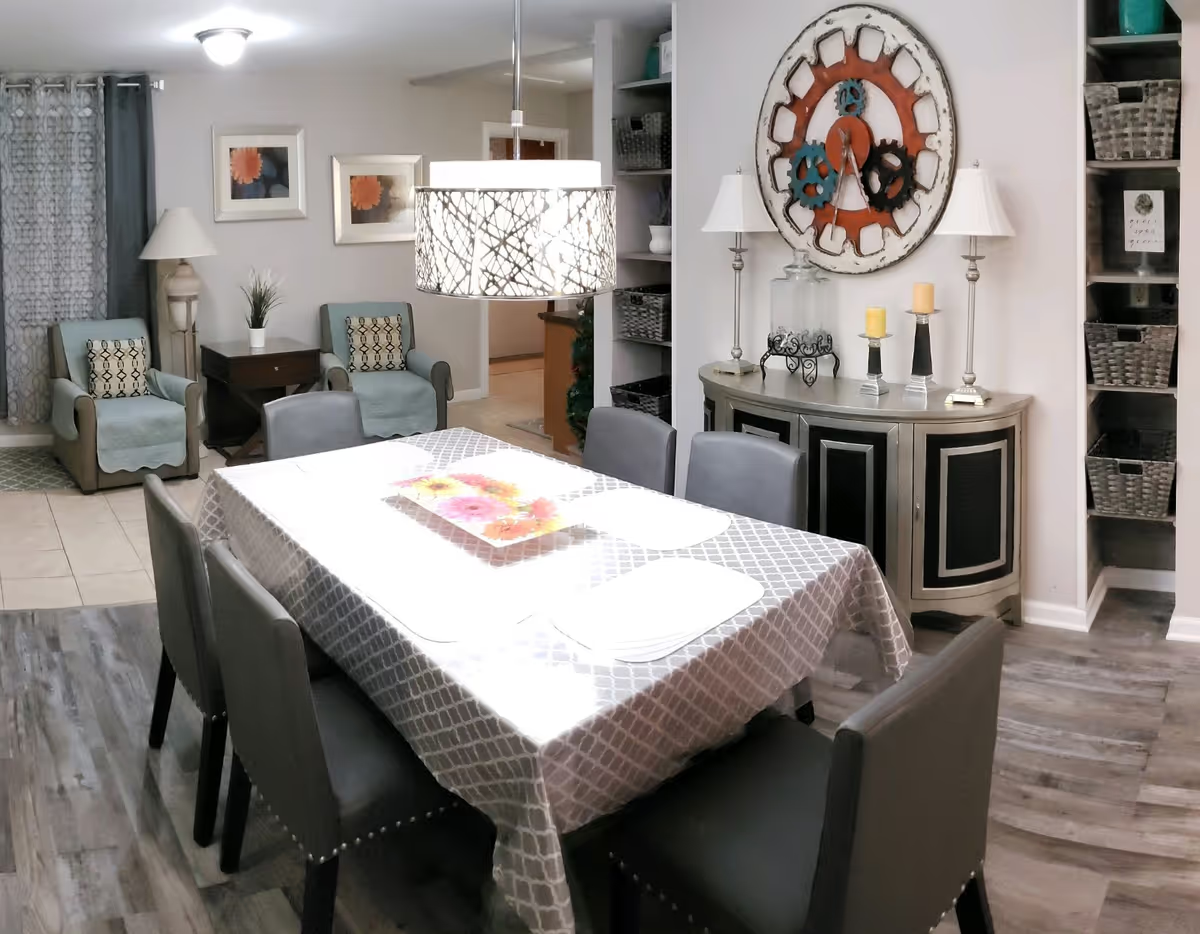
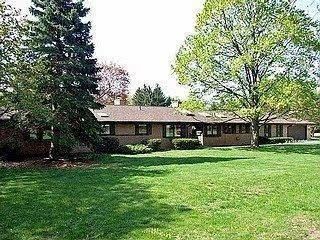
Overall impression: Chester Street Residence is characterized by a strong, family-style approach to assisted living and memory care. The facility is consistently described as small, home‑like, and recently updated, with private rooms and private baths, easy circulation for residents, and attractive outdoor spaces. The most prominent strengths across feedback are the caregiving team and hands-on management: staff are repeatedly described as compassionate, attentive, and relationship-oriented, and ownership/management presence is frequent and accessible.
Care and clinical services: Families frequently highlight personalized, dignity-focused care and on-site clinical resources. The facility provides a range of therapeutic and clinical services (physical, occupational, speech therapy, regular physician and nursing involvement) that support rehabilitation, chronic-condition management, and end-of-life care. Reviewers emphasize prompt medical attention and active coordination with outside providers; ownership involvement is often cited as accelerating clinical escalation when needed. However, there are isolated accounts that suggest substantive concerns about clinical oversight and medication administration. Prospective families should assess medication-administration controls and ask for specifics about clinical staffing ratios and oversight protocols.
Staff and management: A consistent theme is stable staffing and low turnover, with long-tenured aides and a management team that maintains close relationships with residents and families. This results in individualized care plans, familiarity with resident preferences, and frequent family communication. At the same time, a portion of feedback cites variable staffing levels or episodic understaffing; these accounts indicate that staffing consistency can vary and should be clarified during the tour and admission discussions.
Dining and housekeeping: Dining is a major strength for many residents—home-cooked, flavorful meals (some reviewers specifically praise an Italian-trained cook), attractive presentation, and social dining are regularly noted. Contrastingly, some families reported small portions, limited meal choices, or periods of poorer food quality. Housekeeping and laundry are generally praised, but there are also mentions of occasional lapses in laundry handling and room servicing. Prospective families may want to review meal menus, portioning practices, and laundry/housekeeping schedules during their visit.
Activities and social life: The program offers a range of social and recreational activities (arts and crafts, music, movies, bingo, holiday events, outings) and reviewers often credit those programs with improved resident engagement. There are, however, comments that activity frequency and variety can be limited for some residents—particularly those with advanced dementia—so it is advisable to review the activity calendar and how programming is individualized for different care levels.
Facilities and logistics: The building layout, private apartments, remodeled interiors, and outdoor patio areas are frequently mentioned as positives. Security measures such as key-card access and a small, easily navigated footprint contribute to resident safety and comfort. On the logistical side, some families encountered constrained front‑desk coverage and limited transparency during tours (e.g., rooms not shown). Parking and location are generally favorable.
Policies and financial considerations: Ownership involvement, transparent family communication, and available fixed-fee pricing that can include higher levels of care are attractive to many families. Offsetting these strengths are recurring concerns about billing practices, refund policies, and premium monthly rates relative to some alternatives. Review and clarify contract terms, refund and deposit policies, and the facility’s hospice and outside-provider arrangements before committing.
Bottom line: Chester Street Residence presents a strong option for families seeking a small, relationship-driven assisted living or memory-care setting with on-site therapies, home-style dining, and engaged management. The chief considerations for prospective residents are financial terms and policies, clarity about medication and clinical oversight, and confirmation of staffing levels and activity programming appropriate to the resident’s needs. A targeted tour that reviews medication protocols, staffing patterns, billing terms, and activity schedules will help families determine fit.