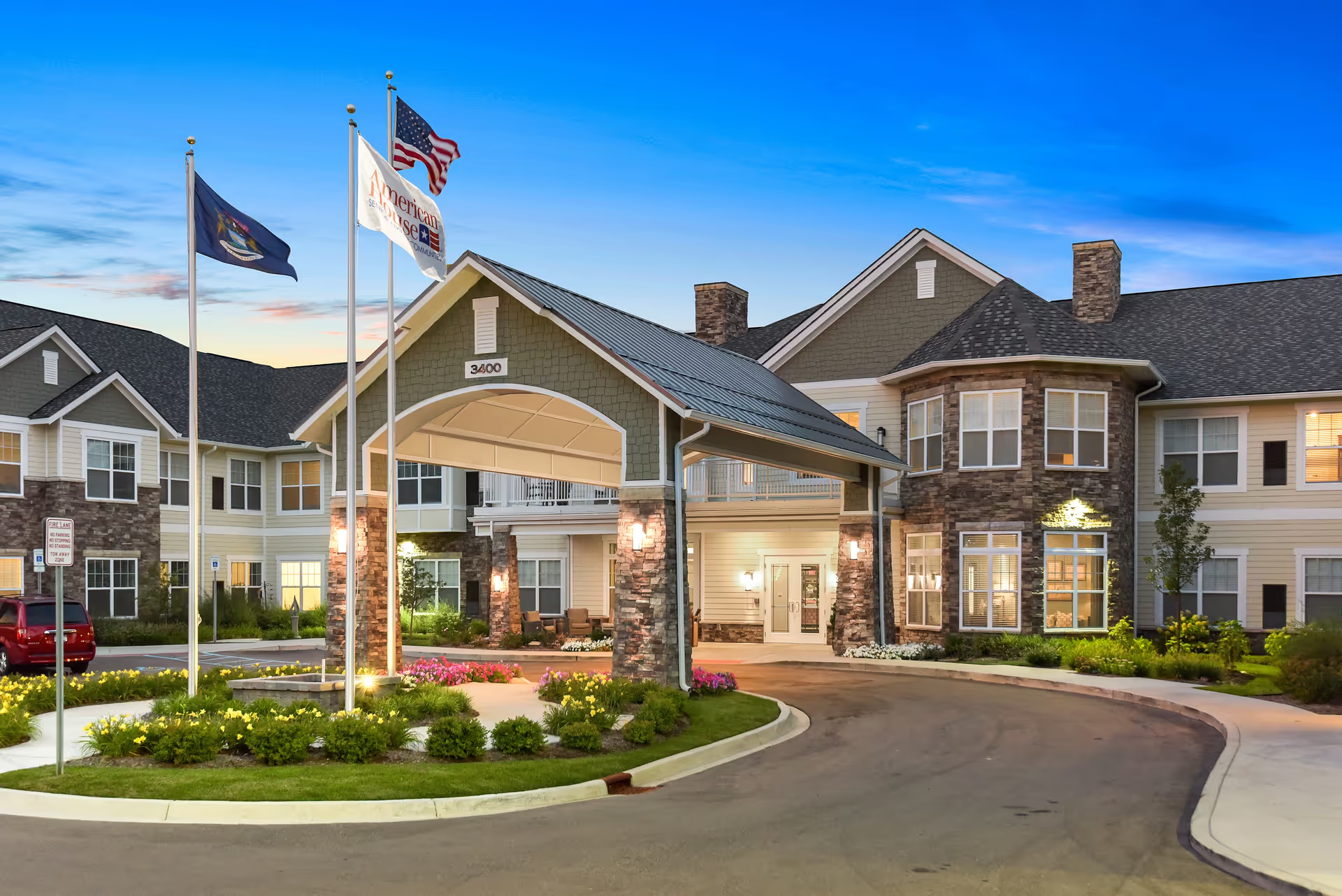
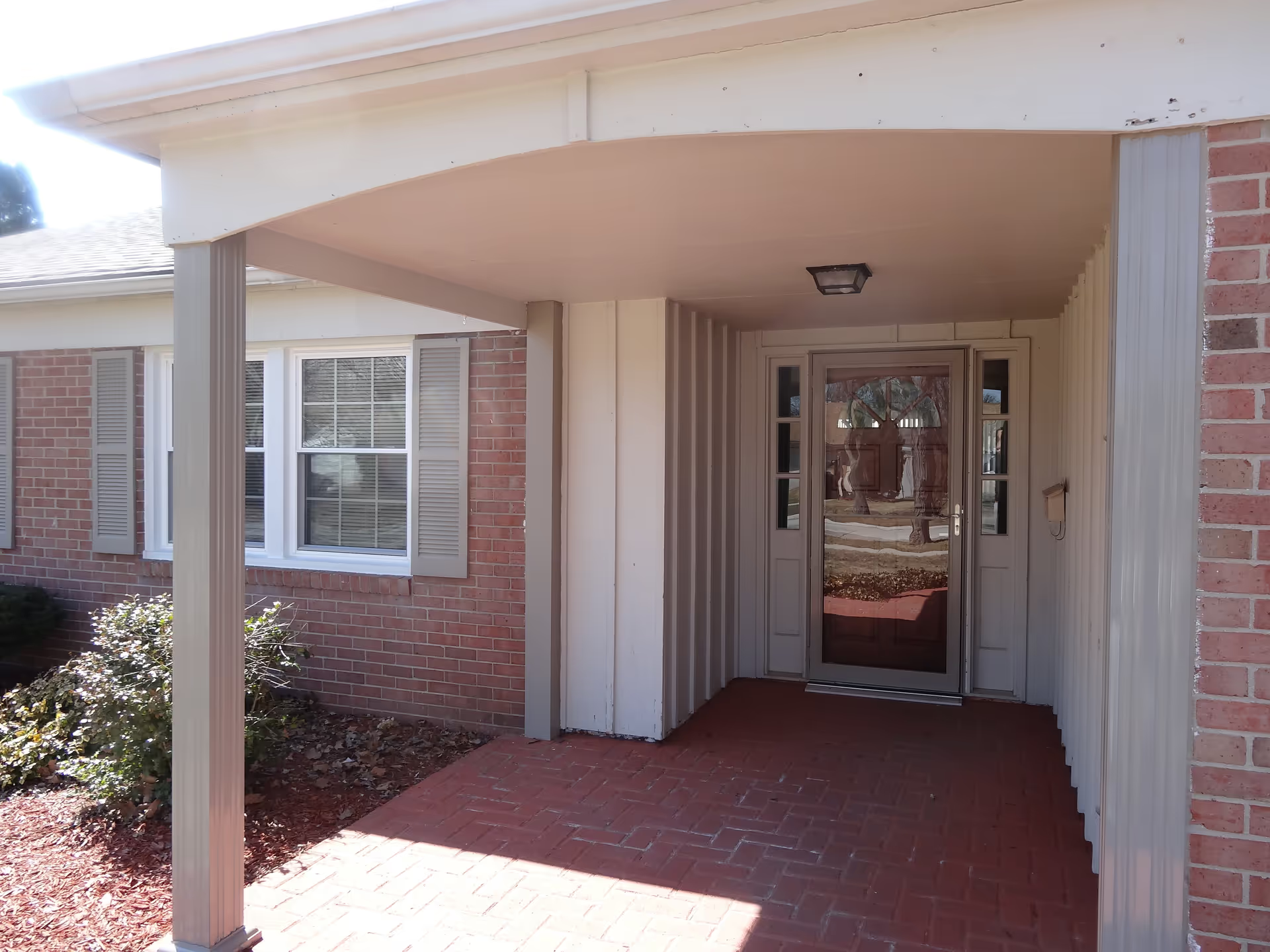
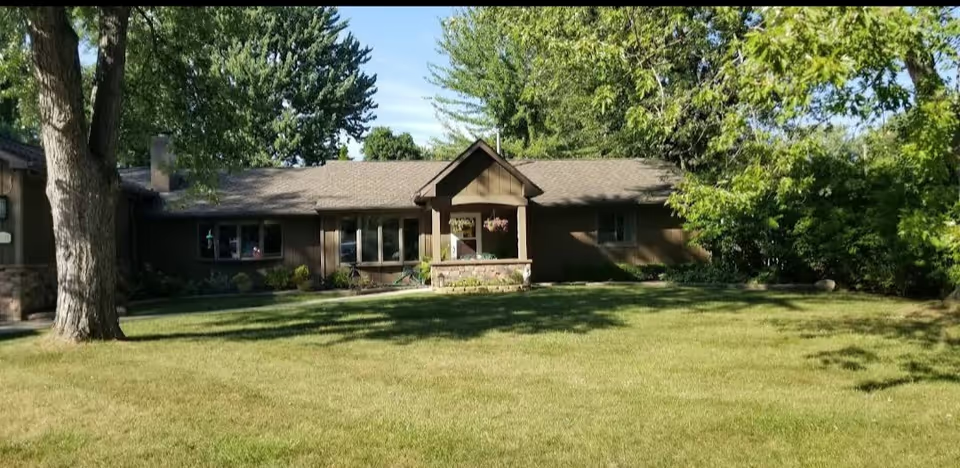
American House Troy appears to offer many of the amenities and social supports families look for in a senior living community. Reviewers commonly praise the facility’s friendly and compassionate staff, the presence of an on-site medical team and rehabilitation services, a broad activities calendar (including outings, games, clubs, and faith-based groups), and clean, well-maintained common areas and grounds. Many apartments include private balconies or patios, and select units have full kitchens; additional conveniences often cited are housekeeping, weekly laundry, a beauty salon, boutique, fitness area, and scheduled transportation to local shopping and appointments.
Care and staff performance generate mixed but distinct patterns. Numerous families describe knowledgeable nurses and an attentive medical team, smooth transitions at move-in, and strong daily assistance for independent and assisted needs. At the same time, other reviews describe operational inconsistencies in clinical care—including delayed responses, missed medications or medication-administration concerns, and variability in how effectively the clinical team coordinates with community staff. Staffing pressure in both clinical and dining services is a recurring theme; where staff levels are adequate the service is described as compassionate and proactive, but staffing shortages correlate with slower responses, meal delivery to rooms, and occasional lapses in communication.
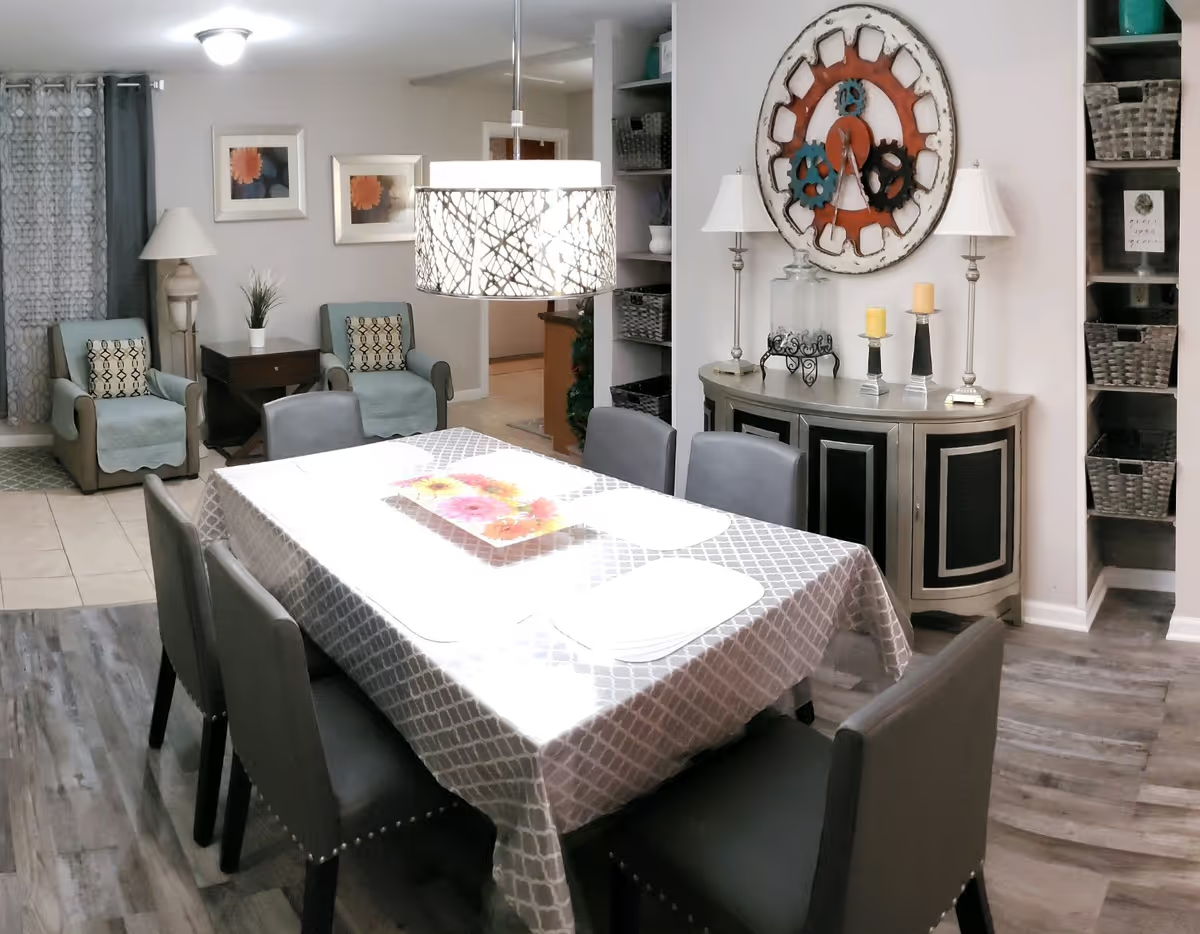
Dining and nutrition are another area of divided experience. Many residents and families find the cooked meals appealing, nutritionally focused, and served in a dining-room environment that encourages independence. Conversely, there are repeated comments about limited menu variety for specific dietary needs (including diabetic or lower-starch options), occasional overcooked or heavy preparations, and disruptions in kitchen staffing that have caused substitutions or meal-delivery formats that some found unsatisfactory. These dining interruptions are frequently linked to staffing shortages and coordination challenges between food service and clinical staff.
Activities and social life are widely cited as strengths: the community offers a wide array of programming, organized trips, and frequent group events, which contribute to socialization and family peace of mind. A portion of reviewers did note variability over time or that particular activities did not suit every individual’s preferences, indicating program consistency and personalization can be uneven.
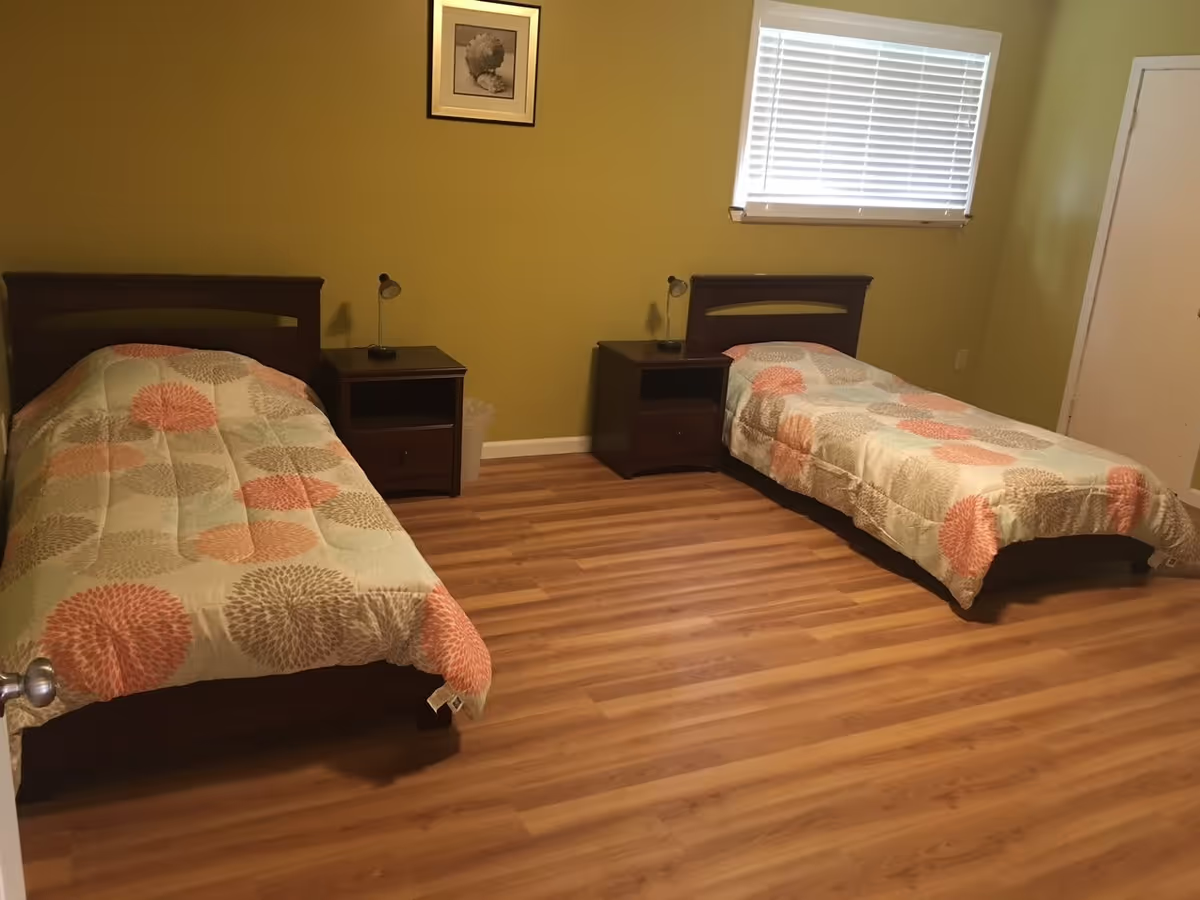
Facility quality and accessibility are generally viewed positively: the property is often described as clean, attractive, and well-kept, with private outdoor areas and multiple amenities. However, unit size and layout vary: some apartments are spacious with walk-in closets and full kitchens, while others are smaller with narrow hallways and doorways that can limit accessibility for residents using mobility devices. Reviewers also raised concerns about inconsistent maintenance follow-through in a minority of cases, which can affect equipment repair and resident confidence.
Management and communication receive generally favorable remarks for move-in assistance, maintenance responsiveness, and individual staff members who facilitate transitions. At the same time, there are recurrent operational concerns: coordination gaps between administrative, clinical, and food-service teams; variability in emergency response and monitoring practices; occasional front-desk or phone responsiveness issues; and perceptions of rising costs or confusing fee structures tied to additional services. Prospective residents and families should weigh the community’s strong social amenities, on-site clinical resources, and active programming against the potential for variability in clinical consistency, dining reliability, staffing levels, accessibility of some units, and overall cost. A tour that includes a review of clinical staffing levels, sample menus for specific dietary needs, emergency procedures, and an inspection of the chosen apartment’s accessibility and maintenance responsiveness is recommended to validate fit for an individual’s needs.