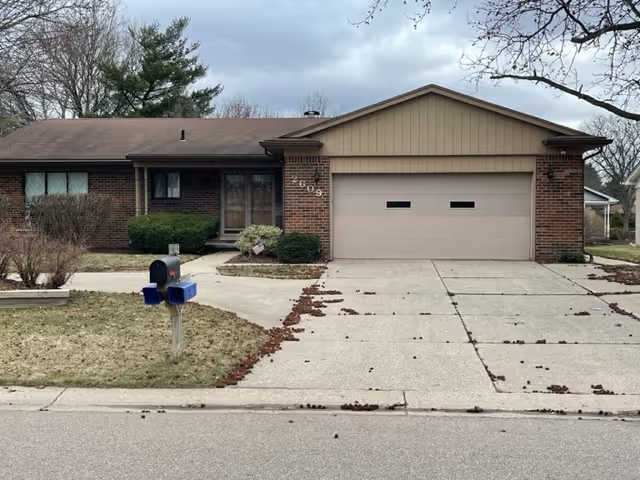
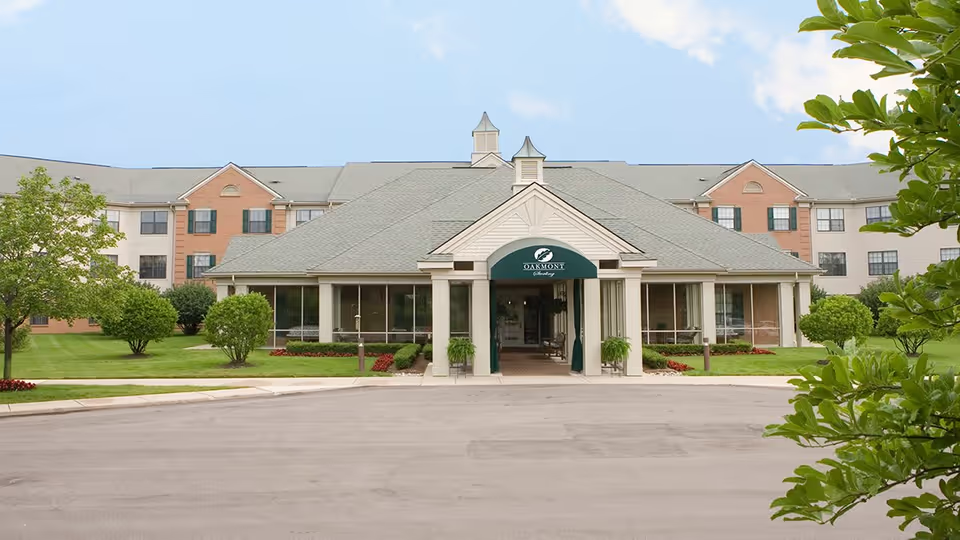
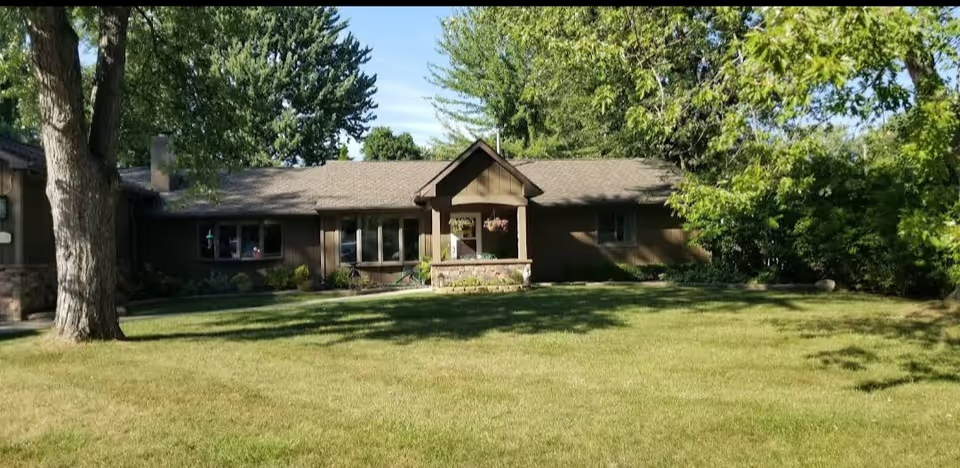
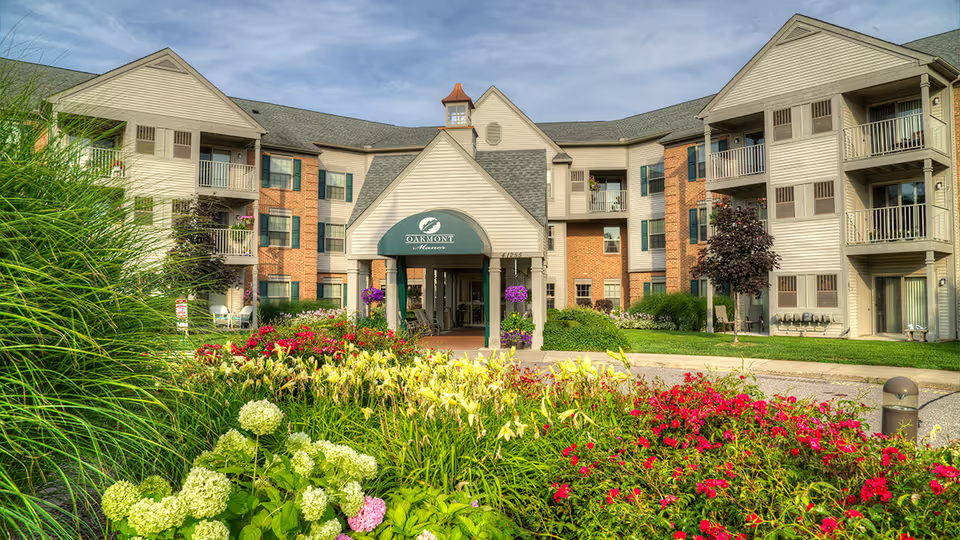
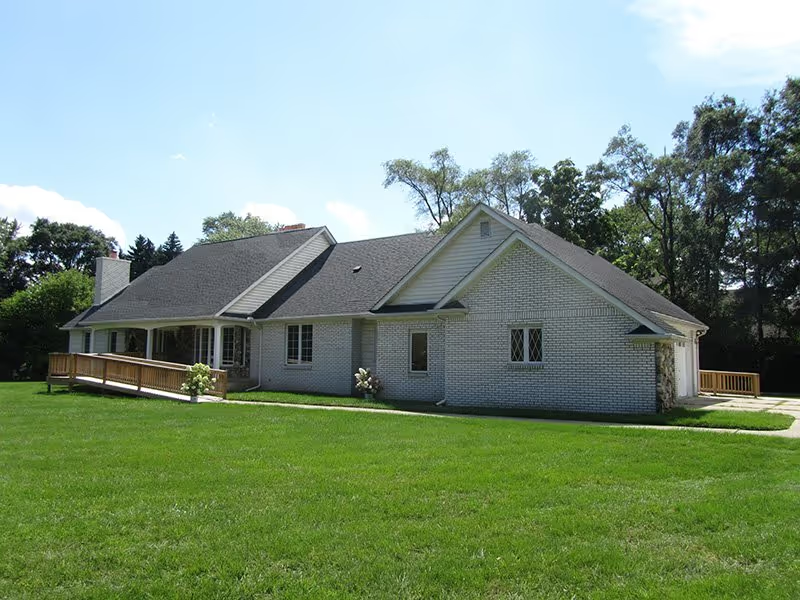
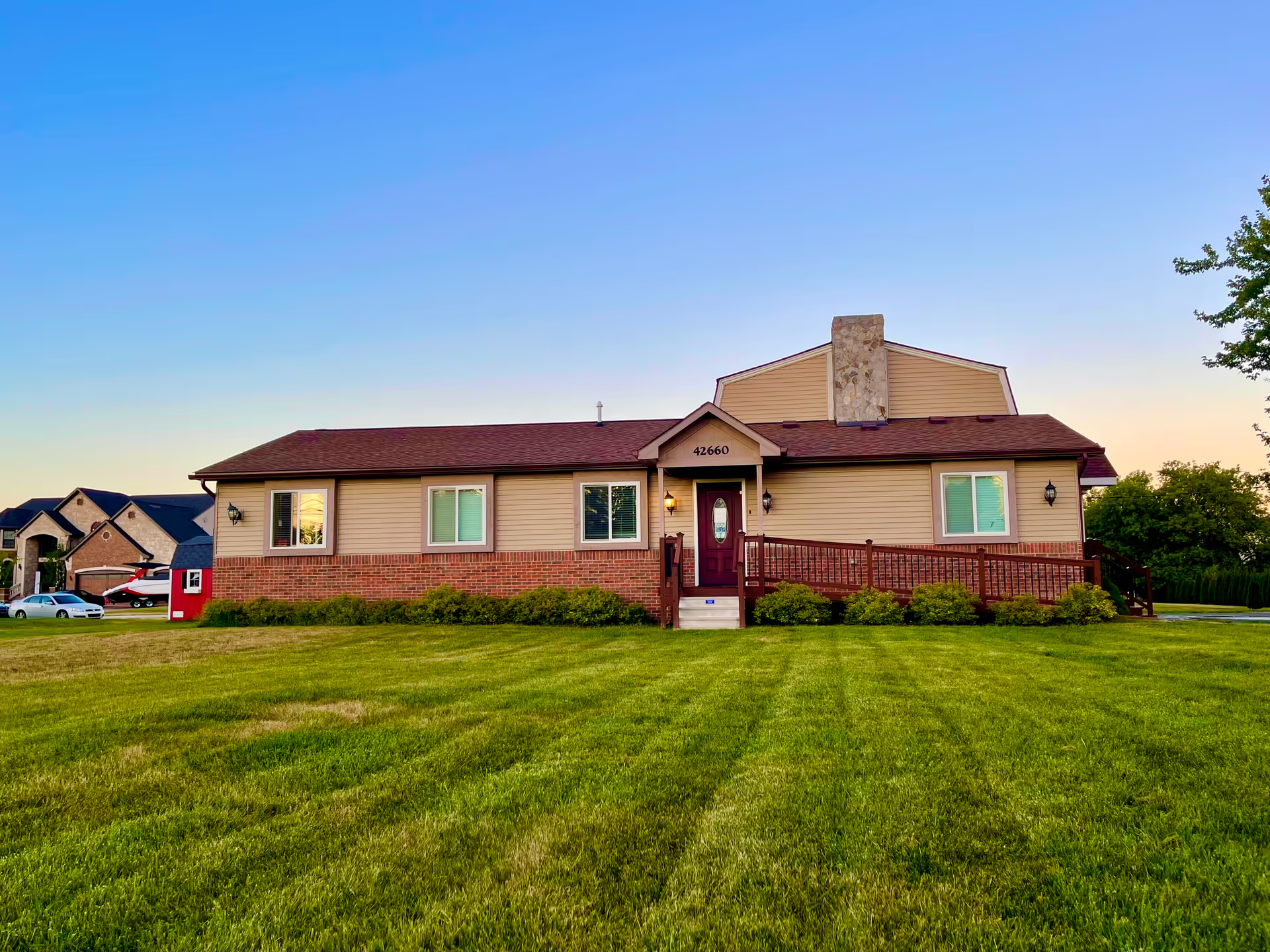
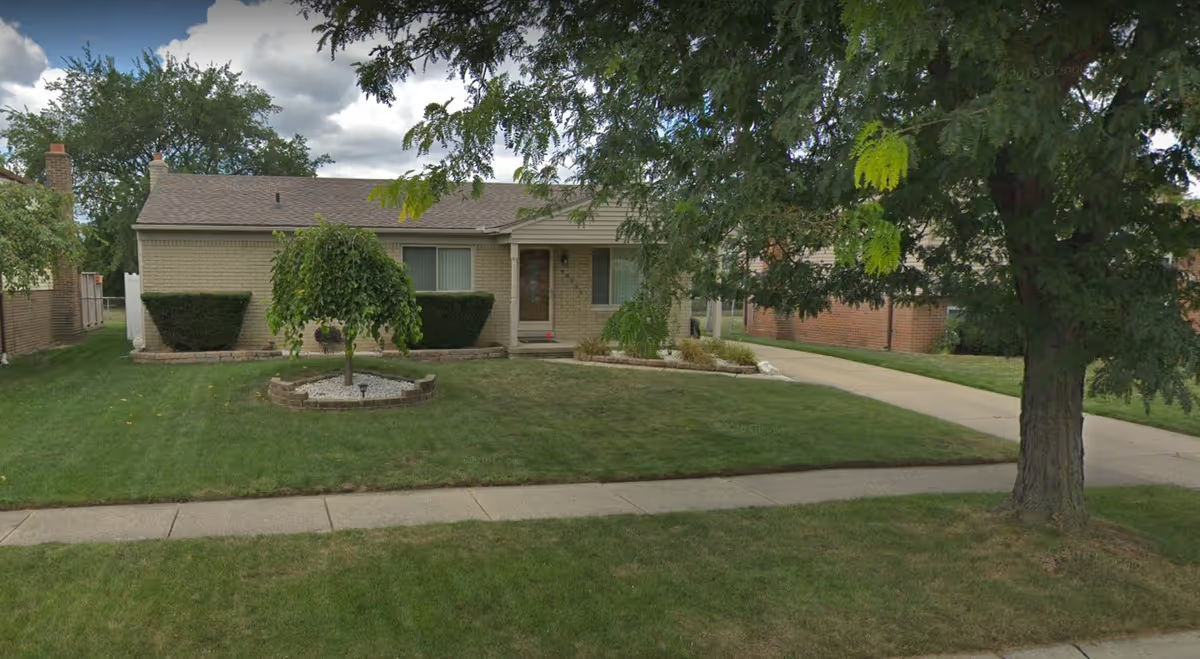
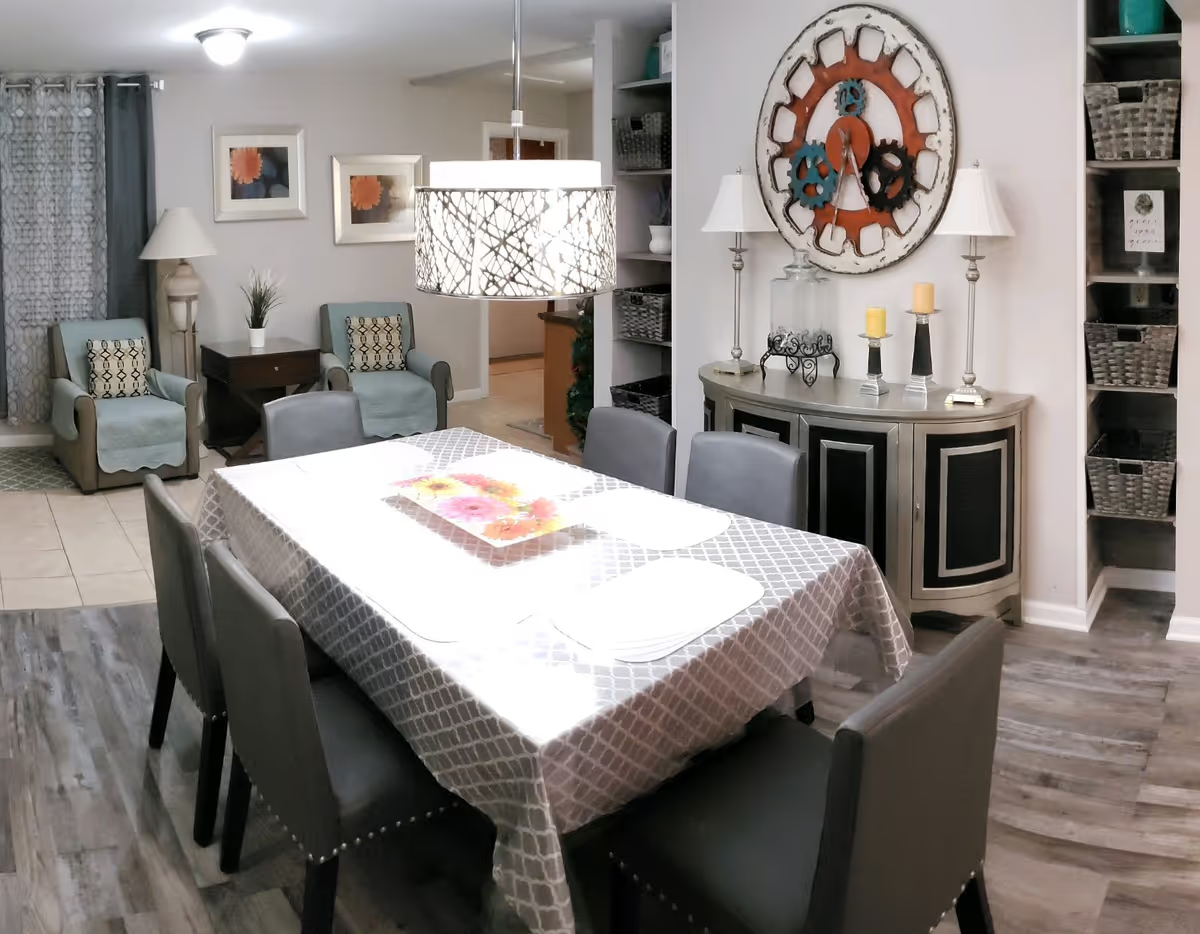
This facility operates as a small, six-resident home with a strong emphasis on individualized, family-style care. Families and visitors commonly describe a warm, home-like atmosphere supported by an owner who is engaged and caregivers who are attentive, compassionate, and courteous. Communication practices such as photo updates are a noted strength, and many accounts highlight staff familiarity with residents and prompt responsiveness.
Clinical care and day-to-day support are presented as strengths: caregivers are described as attentive and knowledgeable, with routine assistance (including delivered breakfasts) and consistent supervision. Dining is characterized by home-cooked, fresh meals; several families noted improved appetite or weight gain after arrival. Activity programming includes music, singing, exercise, and crafts, which contribute to a structured daily routine and social engagement for residents who participate.
Facility-related observations are mixed. The common areas are described as open and spacious, and communal spaces appear clean and maintained. However, bedroom accommodations raise recurring operational concerns: shared rooms reduce privacy, bedroom finishes and lighting are described as dated or dim, and carpeted sleeping areas have been associated with odor concerns. These points suggest opportunities for updating flooring and improving bedroom lighting/appearance.
There are also operational patterns families should assess before choosing this community. Communication practices appear variable—while some families receive regular photo updates and close contact, others describe more limited communication—so clarifying expected family update routines in advance is advisable. Activity offerings, while structured and appreciated by many residents, may be less suitable for higher-functioning individuals who need more cognitively or physically stimulating options. Finally, the facility’s location near a busy street was mentioned as a potential safety and noise issue.
Overall, this community is best-suited to residents who prefer a small, intimate environment with hands-on, compassionate caregiving and home-style dining. Prospective families should weigh the advantages of individualized attention against limitations in private sleeping accommodations, bedroom condition, and the match between activity programming and a prospective resident’s functional level. Asking about rooming options, planned facility updates (flooring/lighting), daily communication routines, and activity adaptations will help determine fit.