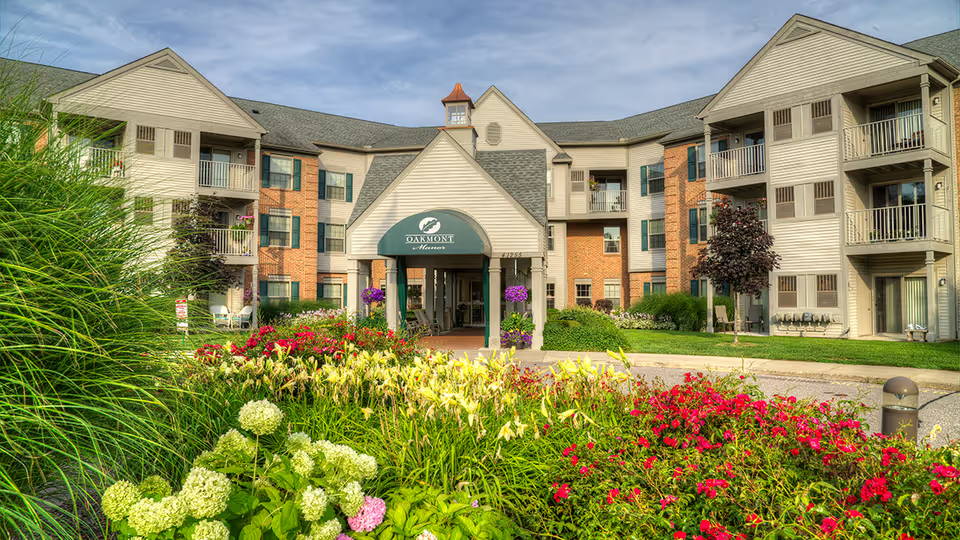
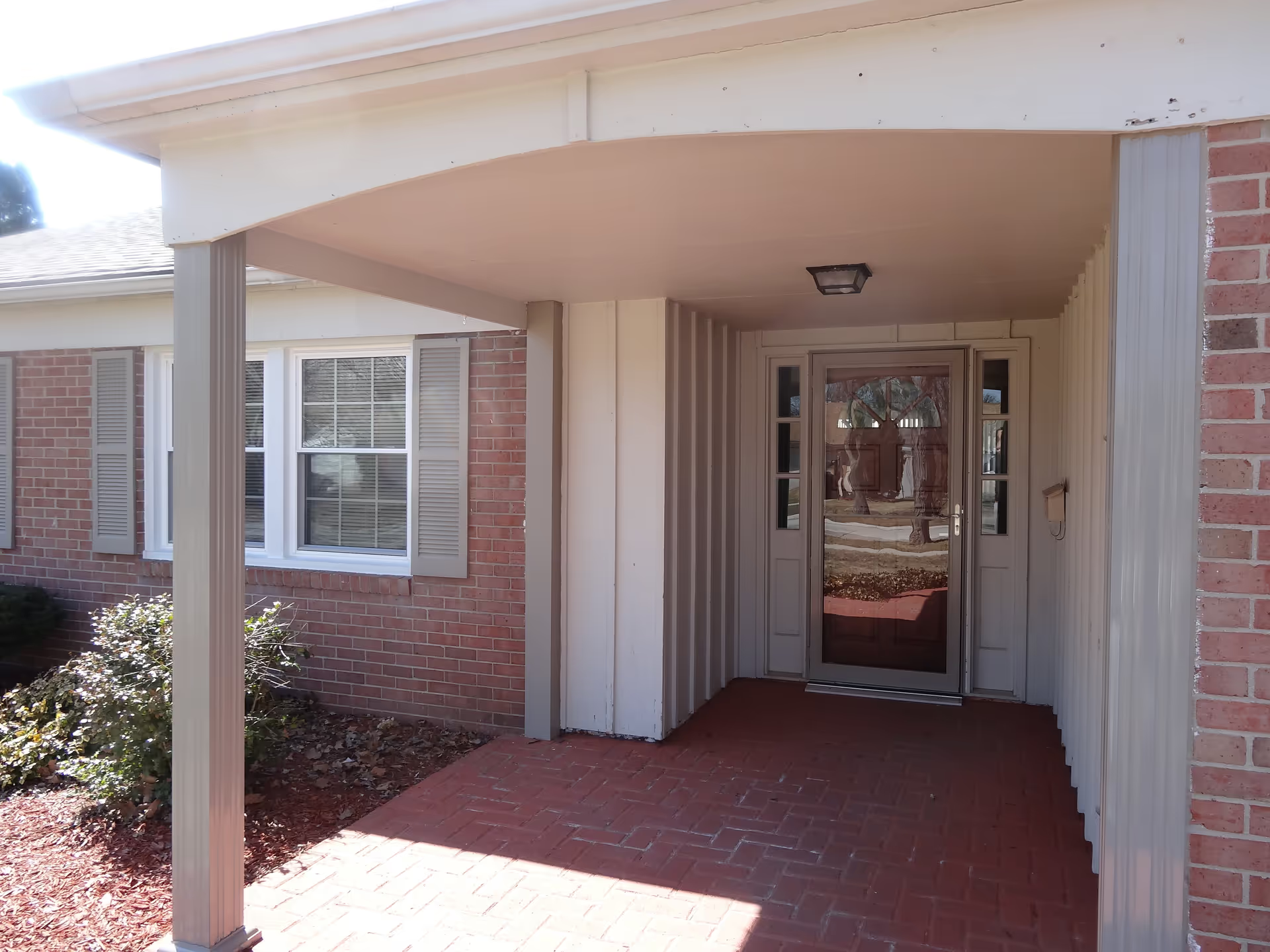
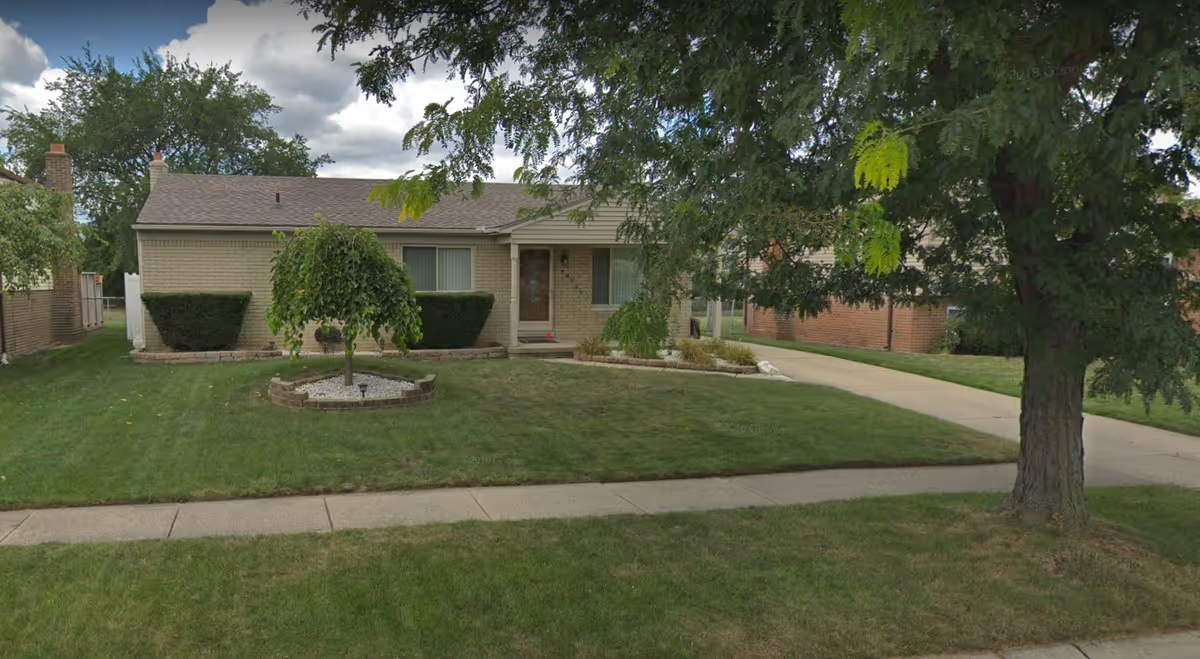
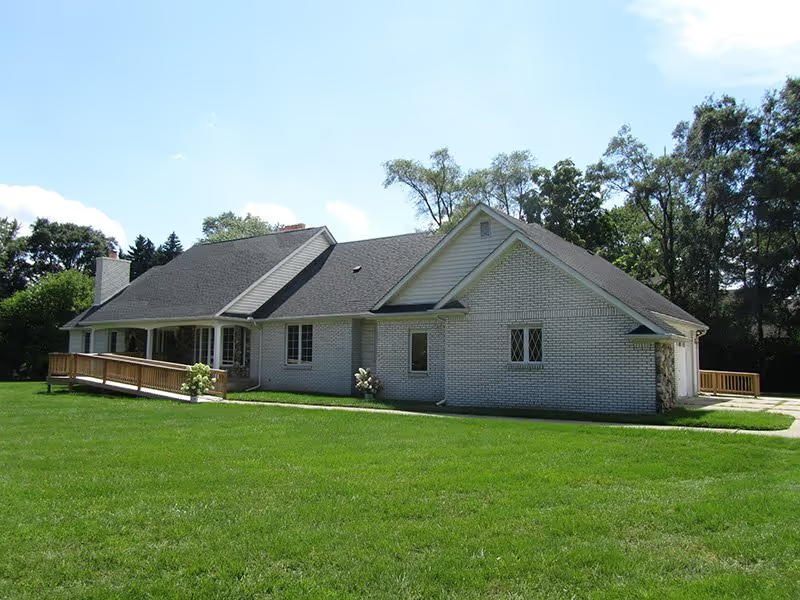
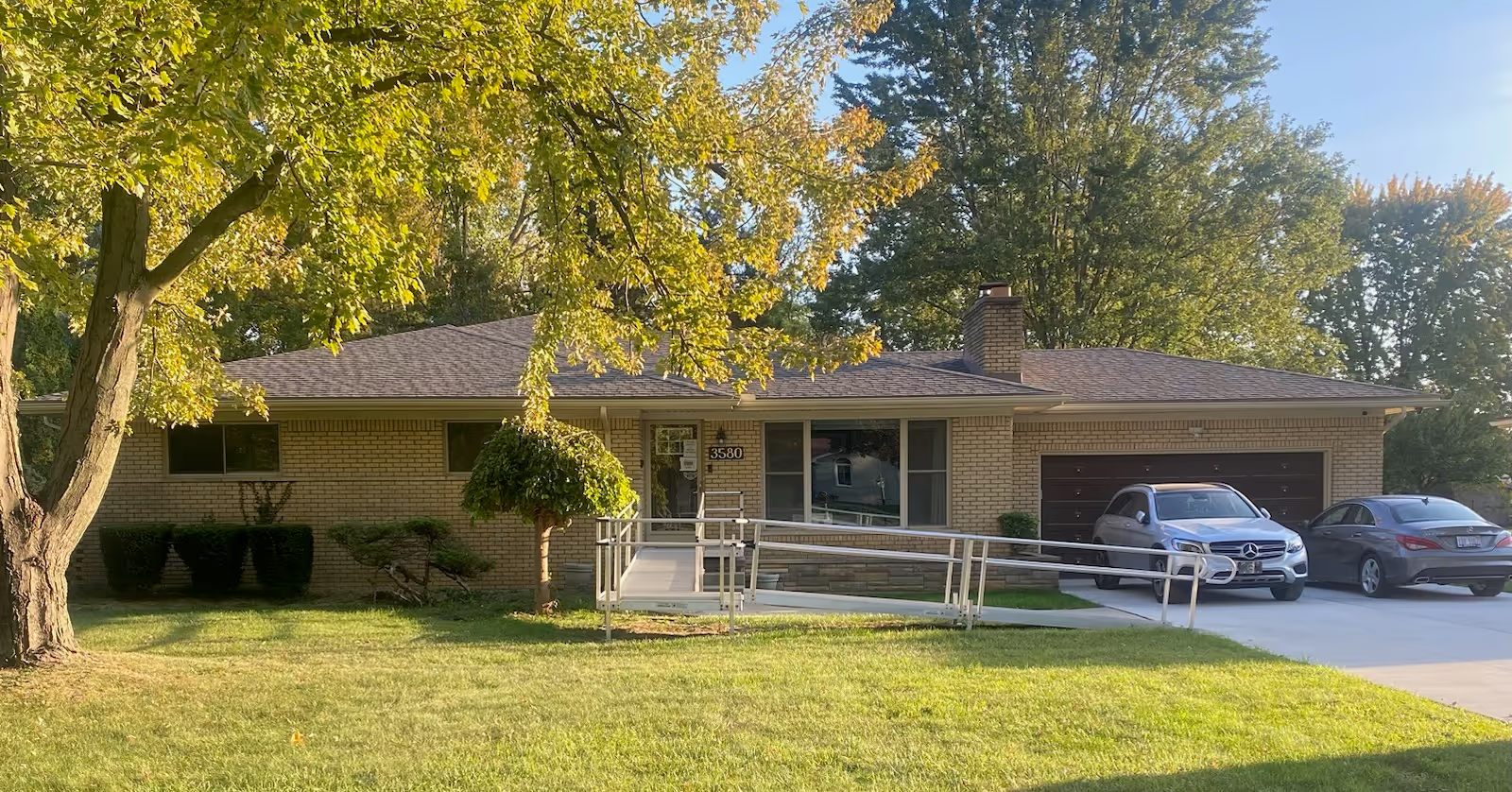
Oakmont Sterling presents as a well-appointed, amenity-rich senior community with consistently strong marks for cleanliness, physical upkeep, and onsite programming. Reviewers commonly highlight a campus that feels modern and well maintained, with apartment-style units (studio through two-bedroom), regular housekeeping and laundry, and a broad set of facilities—salon, chapel, library, movie theater, exercise and puzzle rooms, gardens and common gathering spaces. The location is convenient for medical care and shopping, and transportation to appointments and community outings is a repeatedly mentioned convenience.
Staff and caregiving are frequently described as a central strength. Numerous accounts emphasize friendly, attentive caregivers, visible engagement from leadership, and staff who build positive relationships with residents and families. Housekeeping, dining servers, activity staff, and therapy teams receive repeated praise. The community offers on-site therapy and home-health options, respite stays, dementia-friendly programming, and a wide roster of activities (exercise programs, music, clubs, games, seasonal events) that support social engagement and quality of life.
Dining is a strong feature for many families: restaurant-style meals, menu selection, hot meals served in a pleasant dining room, and daily soups were commonly cited as positives. That said, reviewers describe variability: while some praise an exceptional dining experience, others report repetitive or lower-quality options at times and occasional order errors or frozen items. Medication-administration practices and meal consistency are areas of concern in a subset of accounts; there are also isolated allegations that medication was mixed with food or drinks, which families found troubling and which suggests the need for clear medication protocols and oversight.
Clinical and operational patterns deserve careful consideration. Several reviews point to inconsistent nursing coverage, high caregiver turnover, and instances where staffing levels or scheduling practices (including long shifts) contributed to delays or errors in care tasks. Families also describe difficulty coordinating with outside primary-care providers and occasional delays in medication delivery or clinical response. Some reviewers indicated that residents whose needs advanced beyond the facility’s typical scope required transfer to higher-acuity care; this highlights a limitation in managing progressive or complex clinical needs on site. There are additional comments about outsourced care arrangements that appear to produce uneven service continuity.
Management and communication present mixed signals in the feedback. Many families commend proactive, visible leadership and staff who engage with residents and relatives; others describe defensive responses to concerns, inconsistent family communication during transitions, and limited settling-in supports for new residents. Infection-control lockdowns earlier in the pandemic were experienced as restrictive by some families, affecting access to amenities and visitation. In summary, Oakmont Sterling offers a well-maintained, activity-rich environment with many strengths in hospitality and amenities; prospective residents and families should balance those positives against variability in clinical staffing, medication coordination, and care-continuity for higher-acuity needs when assessing fit.