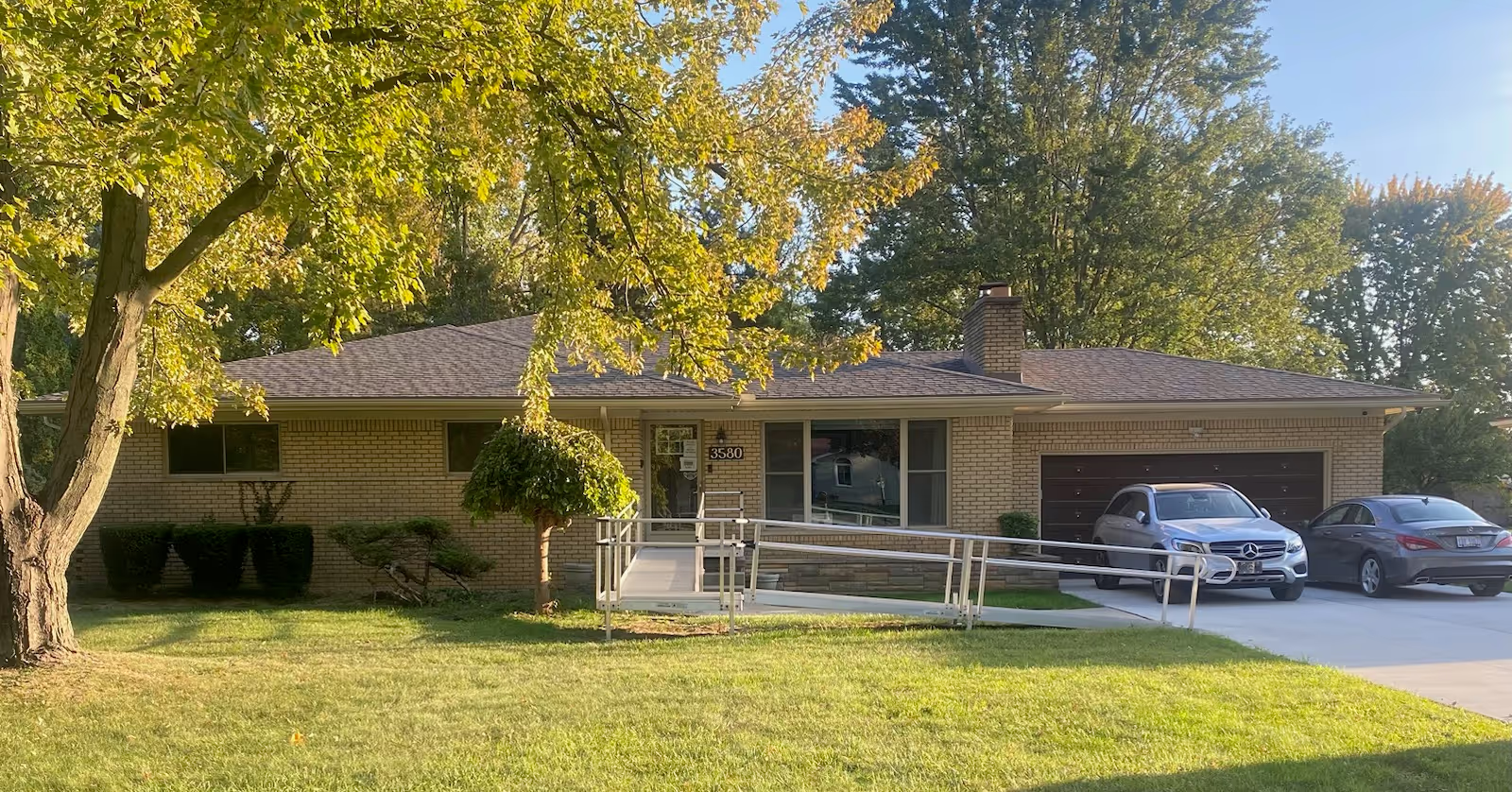
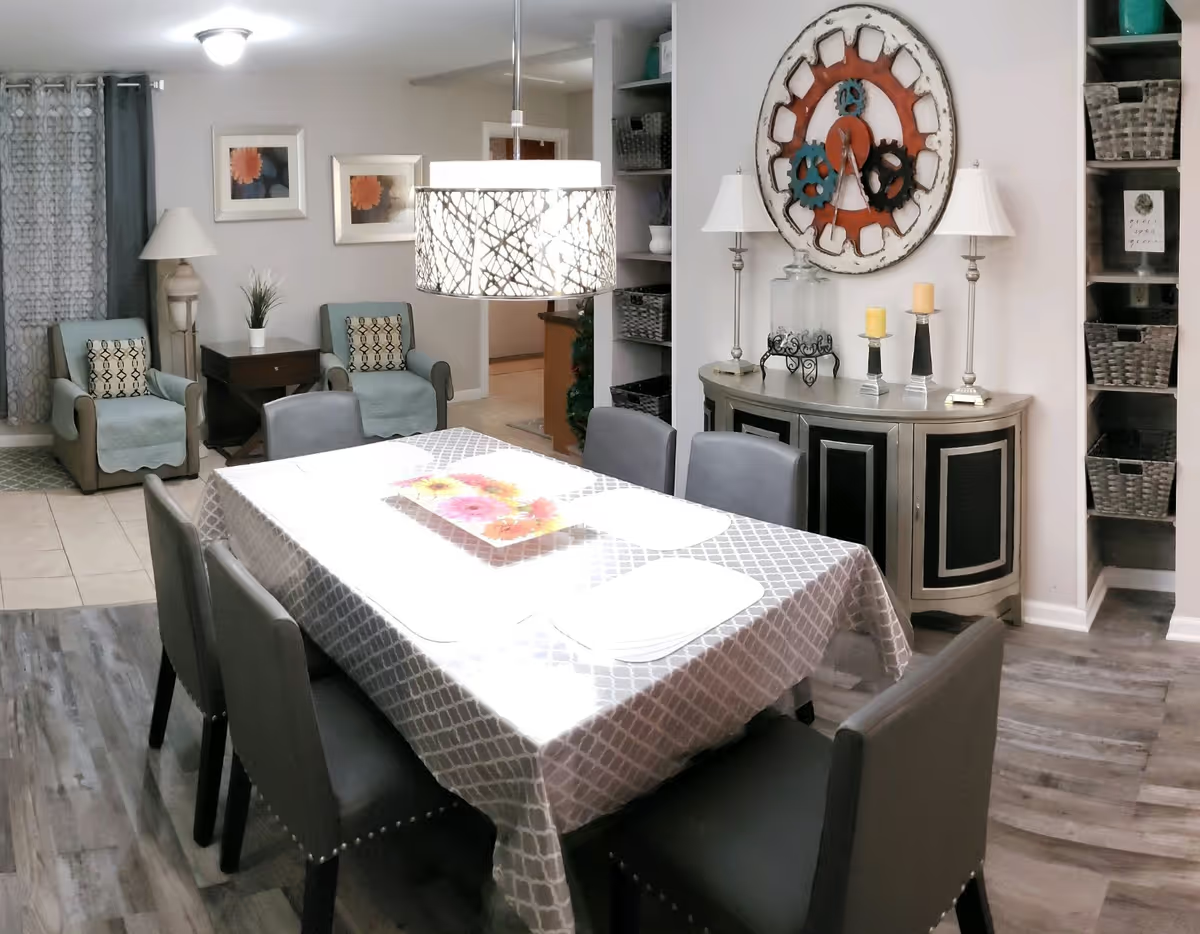
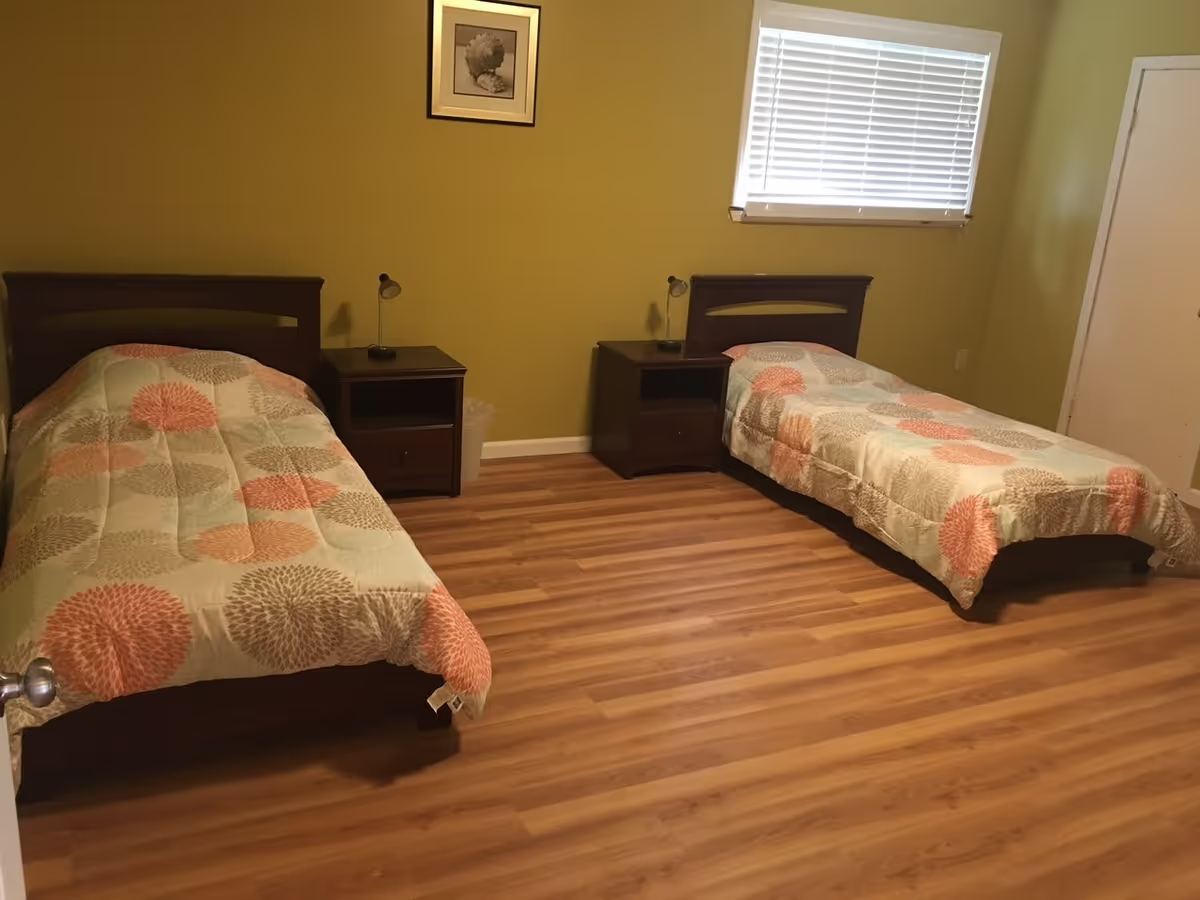
Overall impression Stratford House presents as a small, home-style residential care setting that consistently emphasizes personalized attention, cleanliness, and family-style living. Reviews emphasize an environment that aims to combine clinical oversight with household routines: private furnished rooms, modern common spaces, daily homemade meals, and structured social interaction. The facility’s scale and staffing model appear designed to deliver close supervision and individualized service rather than large-scale institutional amenities.
Care quality and clinical oversight Families describe continuous clinical oversight, including 24-hour assistance, medication administration, bathing support, and nurse practitioner involvement. Reviewers frequently credit the staff and management with close monitoring of medical needs, prompt communication about changes, and the ability to manage chronic conditions such as diabetes. The program also includes dementia-capable approaches (redirection and engagement) and hospice/end-of-life support; reviewers reported improvements in resident condition and absence of pressure-injury concerns, reflecting attention to basic clinical prevention and comfort measures.
Staff, management, and communication A dominant theme is consistent, compassionate caregiving supported by visible owner and managerial involvement. Caregivers are described as personable, willing to learn therapeutic approaches, and persistent in maintaining resident dignity and social connection. Families highlight reliable, frequent updates and an accessible owner/manager who participates in the care team. This combination of hands-on leadership and steady staffing contributes to reports of peace of mind among family members.
Dining and activities Dining is emphasized as a meaningful feature: nutritious, home-cooked meals and varied menus are regularly noted, along with special dishes and social meals out. Activity programming appears robust and individualized, including daily meaningful activities, gardening adapted for mobility limitations, outdoor gatherings under a pergola, holiday and birthday celebrations, barbecues, and supervised community outings. These offerings support socialization, engagement, and an active lifestyle within the constraints of a small residential setting.
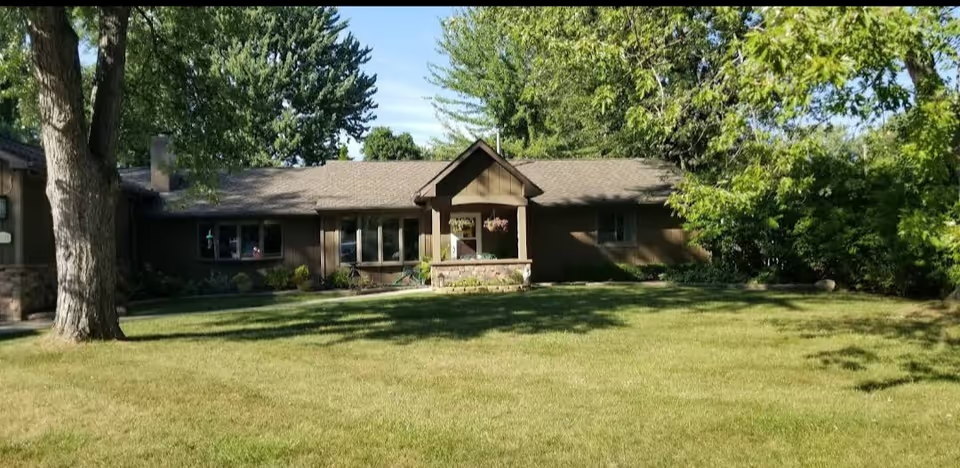
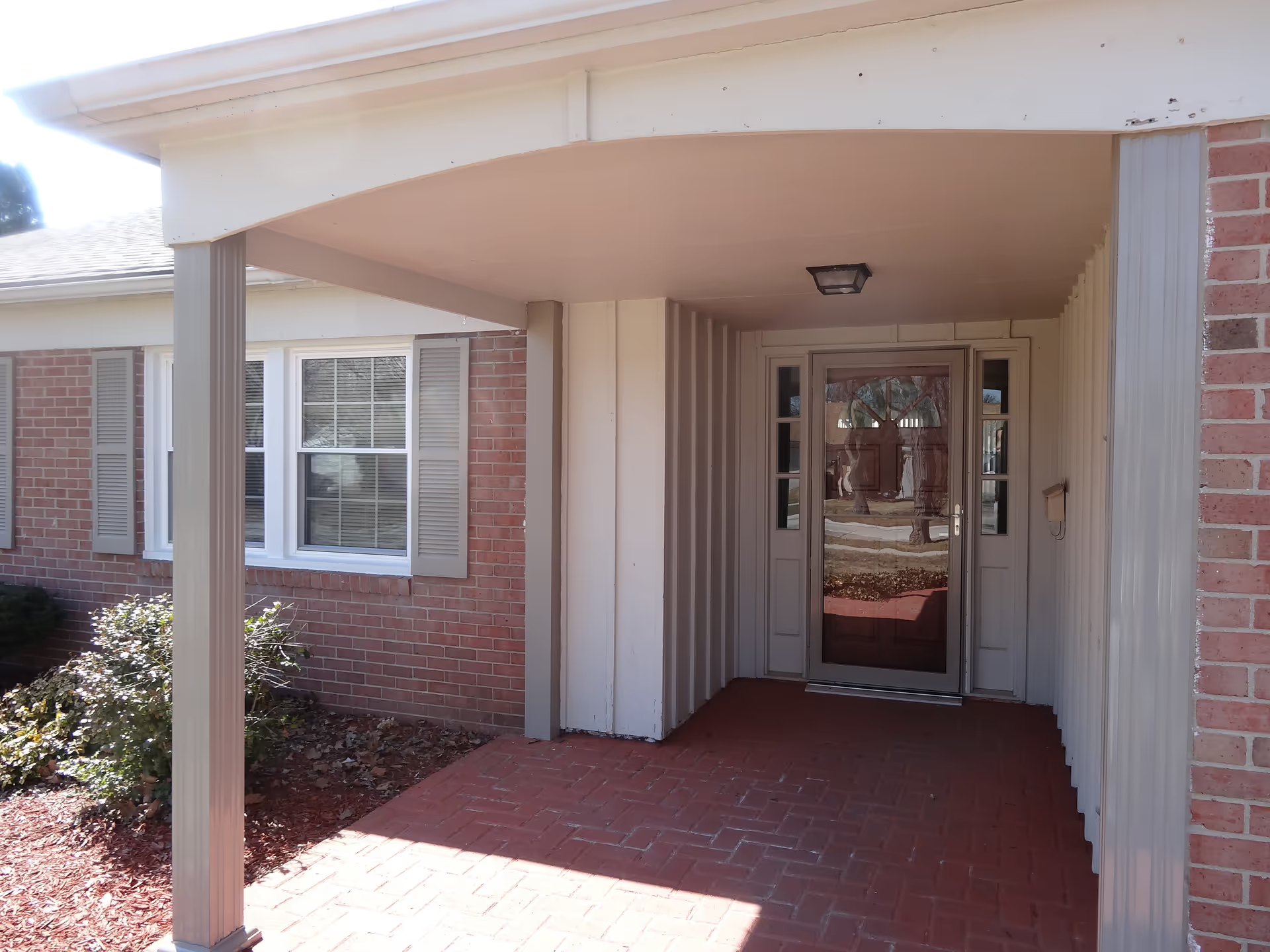
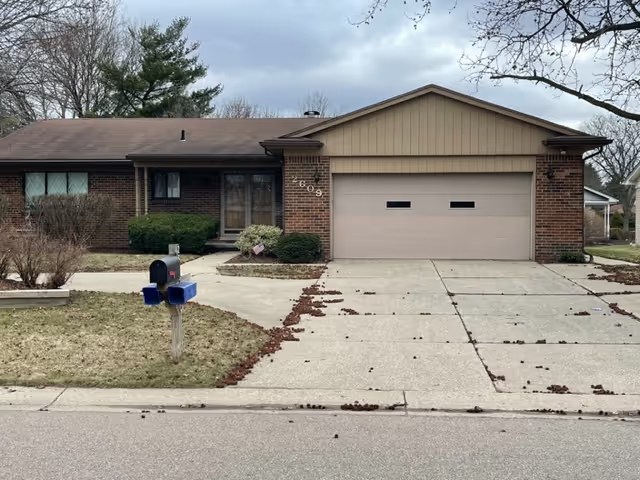
Facilities, logistics, and notable patterns Facilities are consistently described as clean, modern, and well-maintained, situated in a residential neighborhood. The small, family-like model is repeatedly framed as a strength for personalized care and companionship. Pricing is reported as all-inclusive and reasonably structured, which families found helpful for budgeting and avoiding unexpected fees.
Areas for consideration A recurring operational concern involves visitation policy rigidity during infection-control events: several families reported extended limitations on visits that created emotional strain. Environmental control is another area to monitor—there are isolated notes about smoke or odor management near the property that may affect indoor air comfort for sensitive individuals. Finally, the small residential model that produces many of Stratford House’s strengths also implies limited capacity and fewer large-scale amenities; prospective residents and families should assess whether the setting meets their expectations for space and service breadth.
Bottom line Stratford House is characterized by warm, individualized care, strong owner and nurse oversight, nutritious home-style dining, and active social programming. It is particularly well suited to families seeking a small, consistent caregiving team, dementia-capable programming, and hospice support delivered within a domestic setting. Prospective residents should weigh the benefits of the intimate care model against potential limitations in capacity and review the facility’s infection-control visitation policies and local environmental conditions during their assessment.