The review set is highly polarized: many accounts describe effective short-term rehabilitation, strong therapy teams, and individual staff members or unit leaders who deliver attentive, compassionate care; other accounts describe persistent operational weaknesses that materially affect resident experience. Prospective residents can expect strong therapy offerings (PT/OT/speech) and an active social program that includes music therapy, outings, and standard activities such as bingo and games. Admissions and concierge staff are frequently highlighted as helpful, and several reviewers described clear clinical leadership at the unit level and favorable rehabilitation outcomes, including regained independence over typical stays.
Clinical quality and safety are the areas with the most mixed feedback. Positive reviews cite knowledgeable nurses, timely therapy, and good medication coordination during successful rehab stays. Contrasting accounts identify inconsistent medication administration, delays in responding to call bells and pain needs, gaps in admission and ongoing assessments, and limited physician availability. A subset of families described situations that required escalation, and a state regulatory inspection was cited as identifying multiple violations, indicating that clinical-process deficiencies have been recognized at the regulatory level.
Staffing and staff conduct show a split pattern. Many reviewers praise individual caregivers, therapists, and certain nurse leaders for professionalism and compassion; named staff were repeatedly credited for going above expectations. At the same time, persistent understaffing, evening-shift coverage challenges, and high staff turnover were common themes. These operational pressures are associated with delays in basic care tasks, inconsistent housekeeping, missed or late medications for some residents, and variability in how staff interact with families and residents.
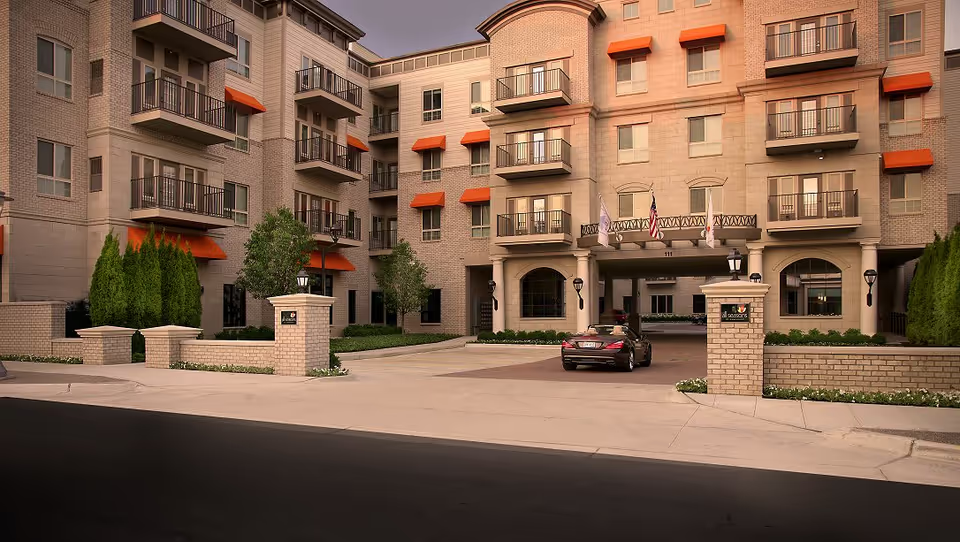
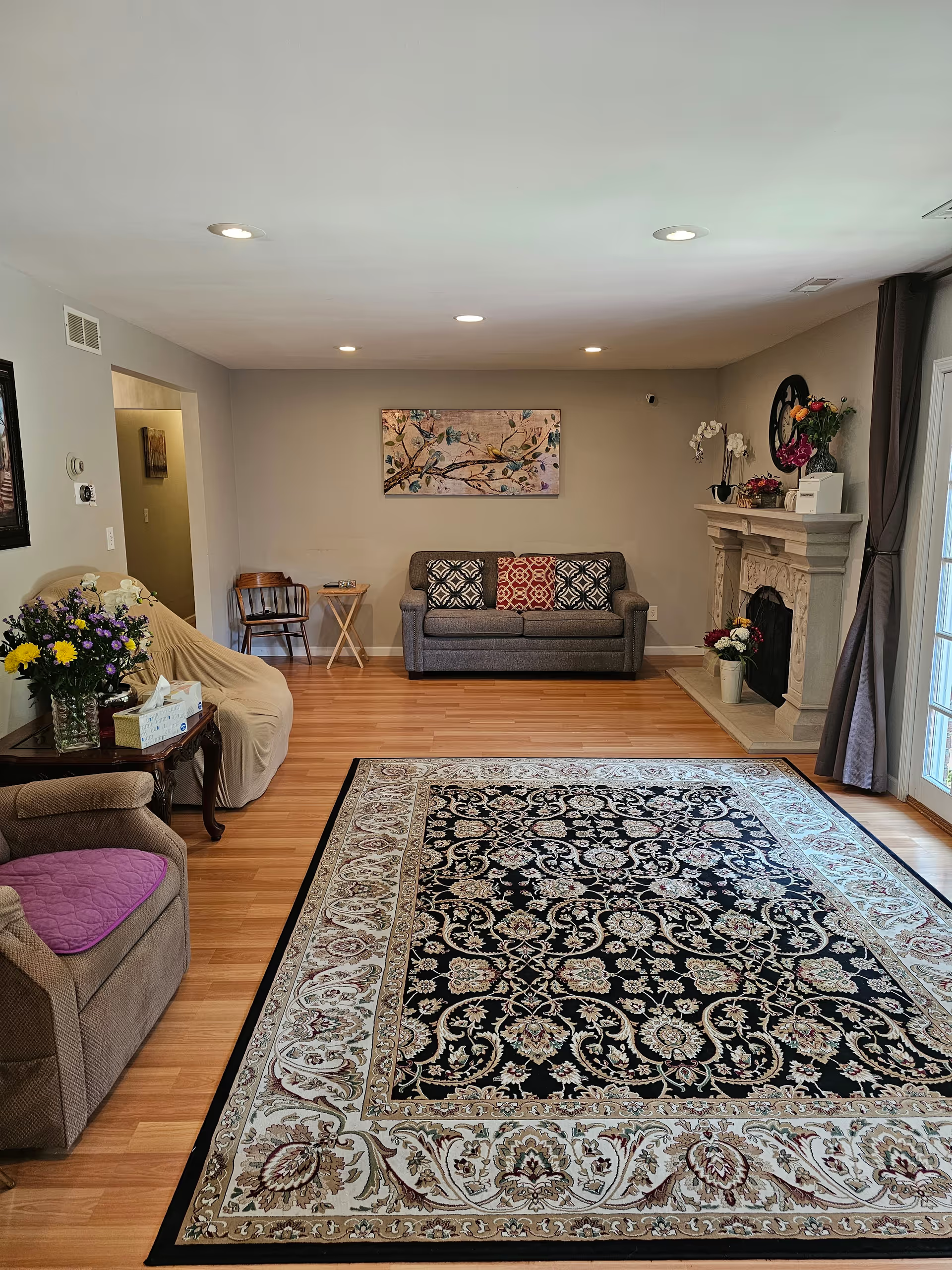
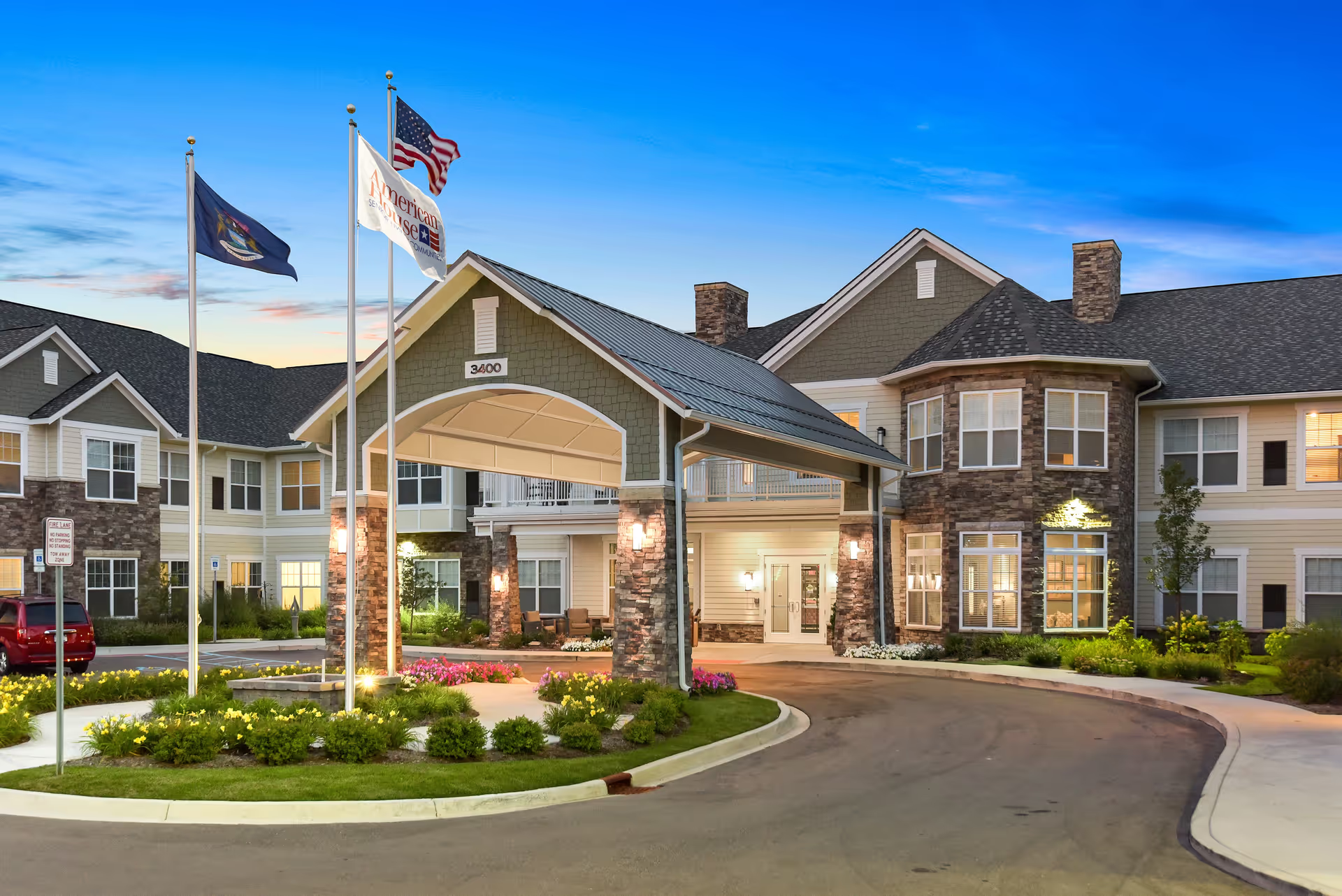
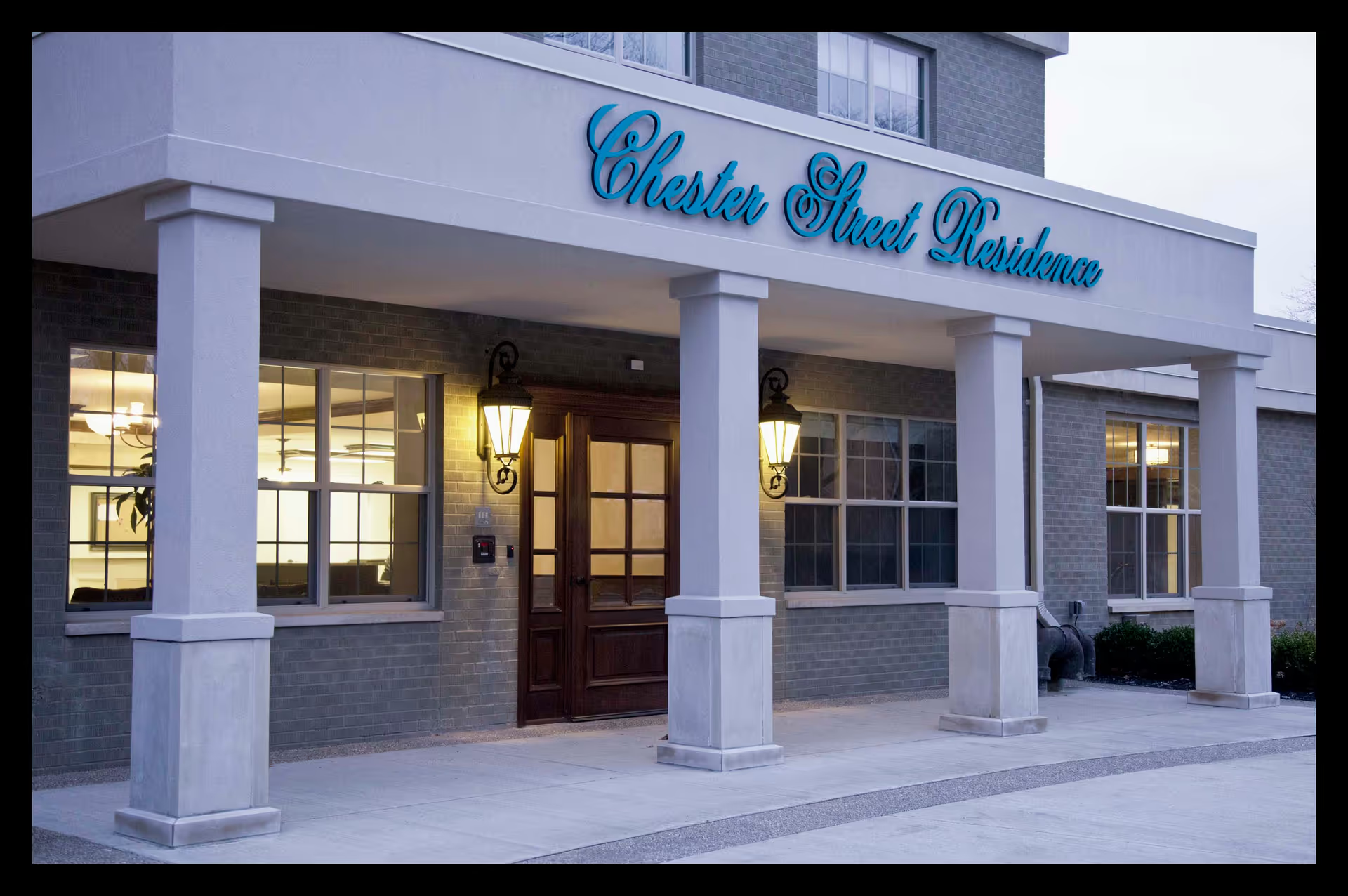
Facility amenities and dining receive generally positive comments for communal areas, a modern entrance, inviting rehab gyms, and dietary accommodations. Several reviewers found meals acceptable and compliant with dietary needs; others reported missed meals, late meal delivery, or mistakes with allergy-sensitive trays. Activity offerings and transportation services are described as meaningful for many residents, although long-term residents sometimes experienced limited engagement or cancellations.
Sanitation, possessions, and property controls emerged as recurring concerns. Some families reported cleanliness and housekeeping inconsistencies in resident rooms and bathrooms, and there are allegations of mishandled personal belongings and associated financial/property risk. Pest-control concerns and intermittent odor concerns were mentioned by a subset of reviewers; these items point to inconsistent environmental services rather than a uniform condition across the facility.
Communication and care coordination are variable. Admissions and social-work interactions are often described as smooth and supportive, while discharge planning and post-discharge follow-up have been uneven for some families. Several reviewers recommended verifying physician coverage, medication-administration practices, staffing levels for the unit, and the facility's handling of personal effects before committing to long-term placement.
Bottom line: SKLD Bloomfield Hills offers strong rehabilitation services, engaged therapy teams, and individualized support from several noted staff and leaders, making it well suited for short-term rehab for many patients. However, prospective residents and their families should actively evaluate current staffing levels, medication administration protocols, environmental services, physician availability, and recent regulatory findings to ensure the facility’s operational performance aligns with their clinical and safety expectations.