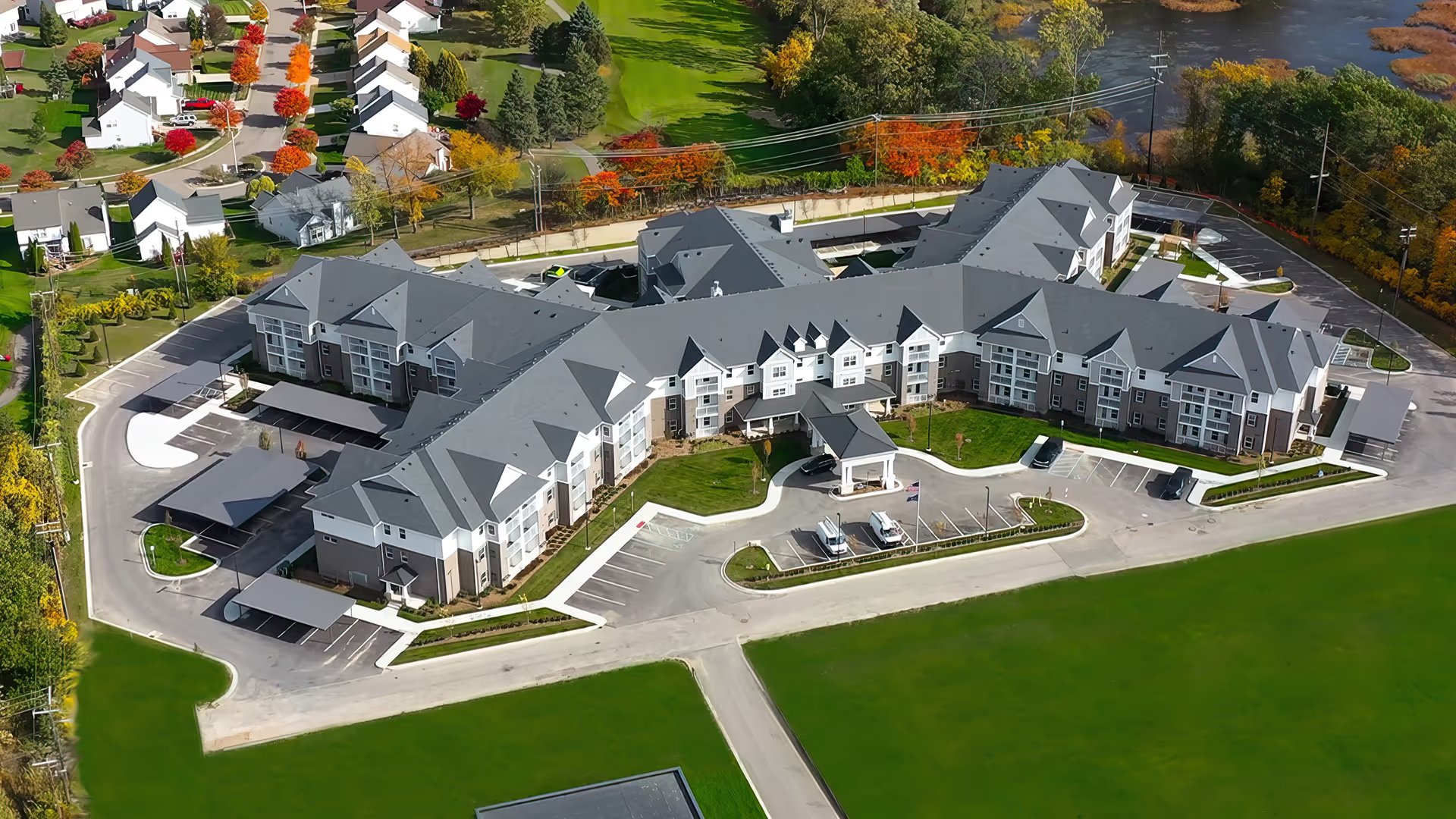
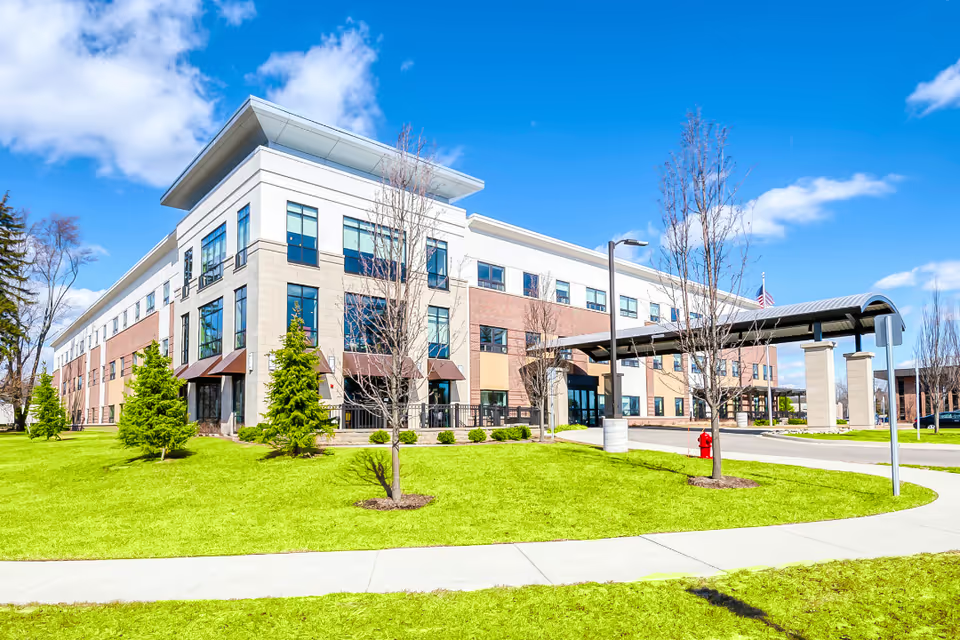
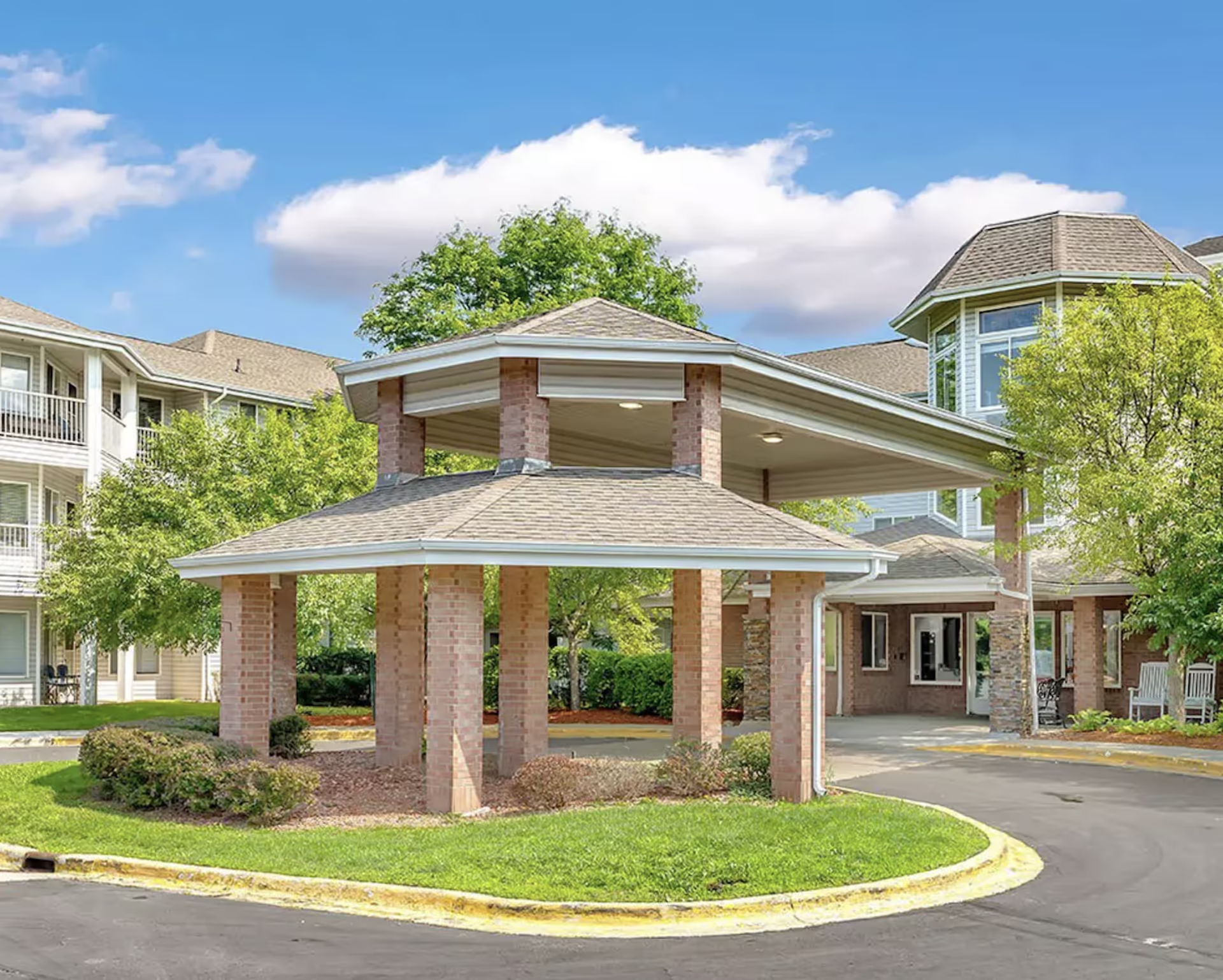
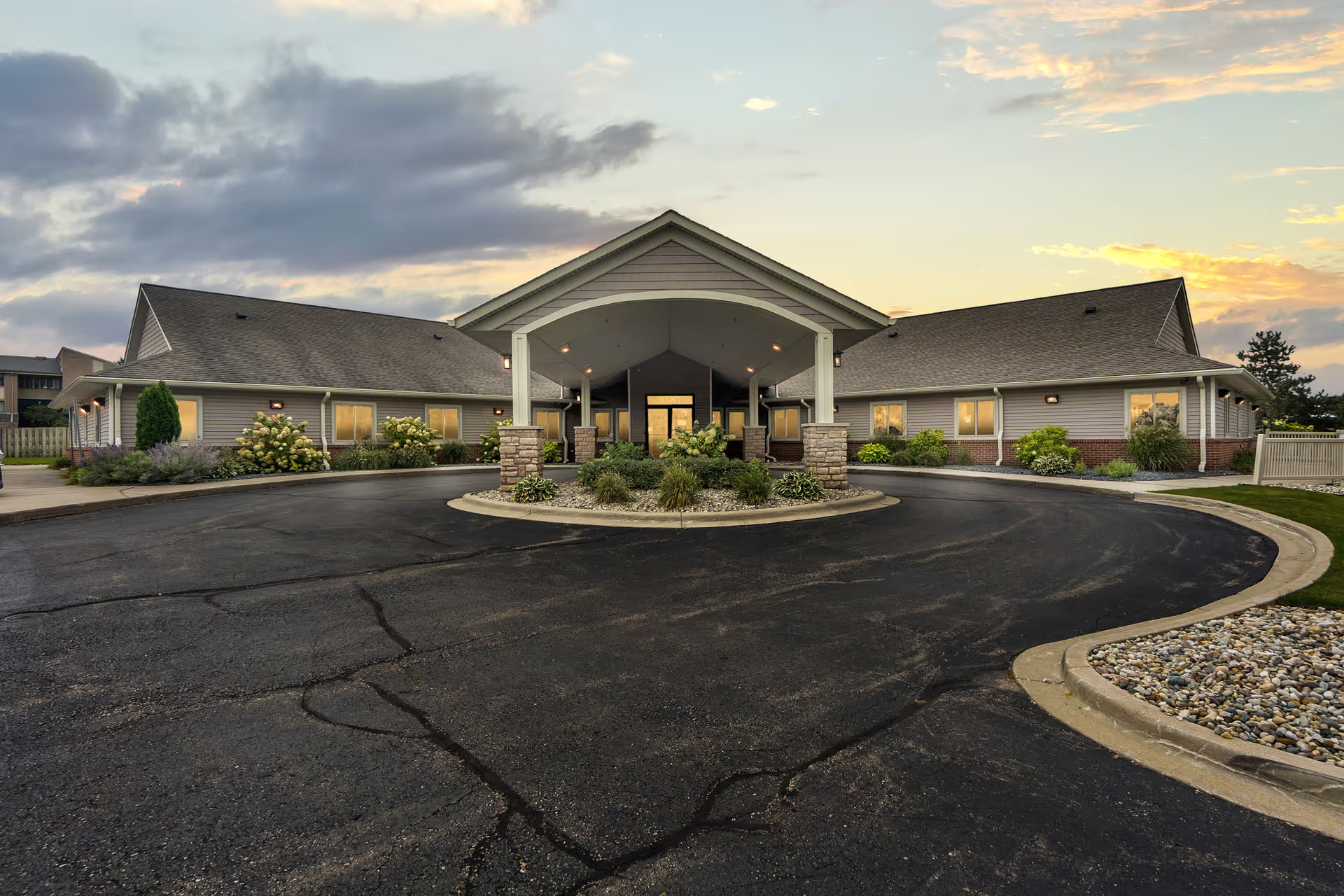
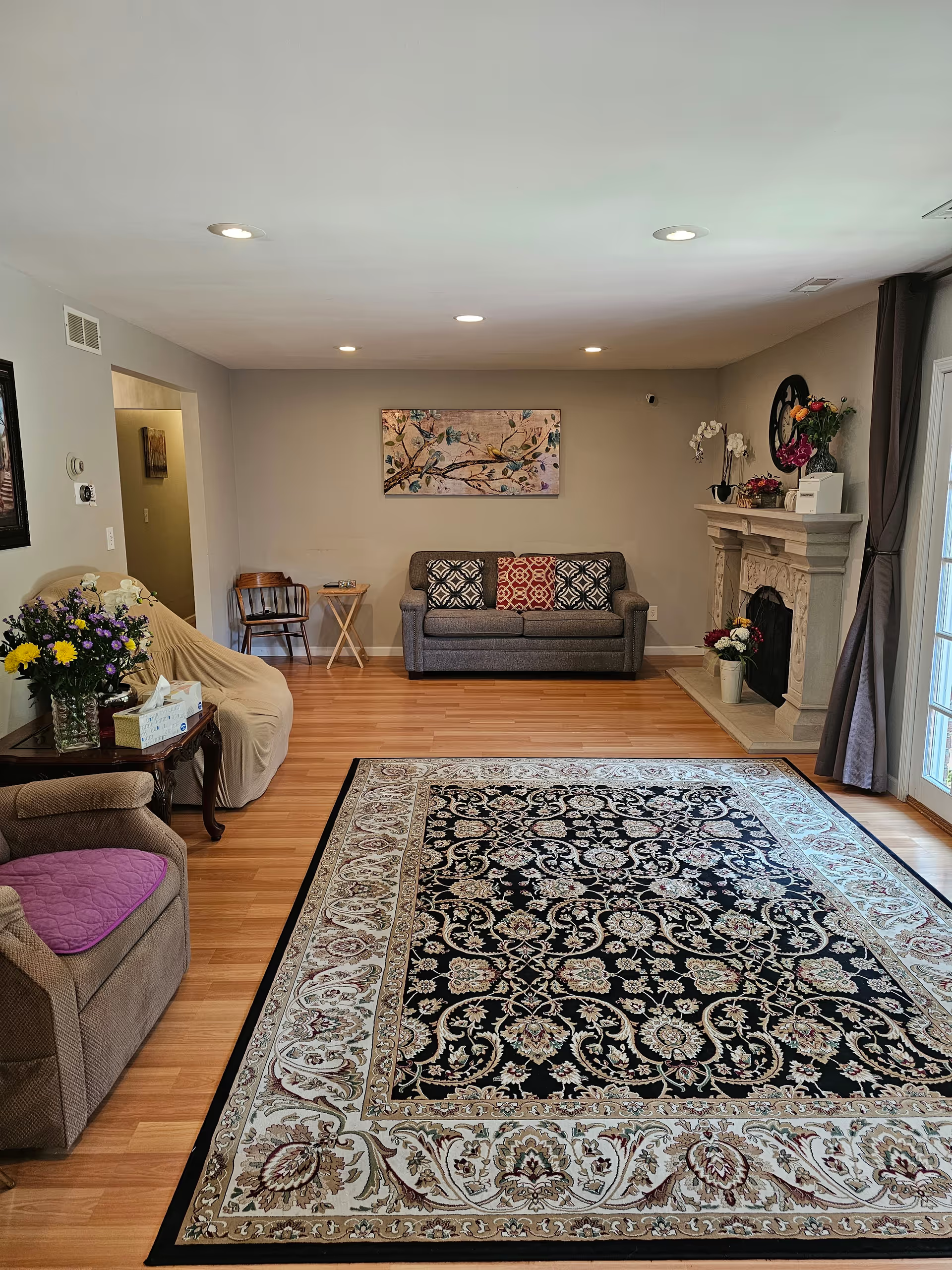
Across the review set, The Bradford Senior Living is consistently described as a welcoming, activity‑focused community with a strong emphasis on interpersonal relationships. Many families and residents highlight the staff’s warmth, name‑recognition of residents, and a homelike atmosphere supported by decorative communal spaces and event programming. The community offers a broad slate of activities — from live music and themed events to outings and therapy services — that reviewers generally find engaging and beneficial for socialization. Physical environment comments skew positive as well, with frequent praise for cleanliness of shared areas, ample parking, and comfortable apartment options including larger suites.
Care quality and staff performance are mixed but show distinct strengths. Numerous notes praise individual caregivers, nurses, and leadership for being attentive, compassionate, and proactive with clinical issues and care transitions. On the other hand, a recurring operational pattern of inconsistent staffing — including turnover and reliance on temporary/agency personnel — correlates with complaints about missed personal‑care tasks (for example, missed showers or infrequent linen changes), delayed responses to resident requests, and problems with laundry and personal belongings. There are also multiple mentions of medication‑management inconsistencies and communication lapses around clinical follow‑up, which families found stressful; a separate review referenced an alleged resident‑on‑resident incident that underscores concerns about supervision in higher‑acuity areas.
Dining and activities are generally strong points. Several reviewers praised varied menus, accommodation of special diets, frequent events, and dining‑room options that foster social interaction. That said, meal quality and service continuity have been described as variable at times, particularly during periods of staff shortage or operational stress. The activities program is repeatedly called out as robust and a core benefit of the community, with many residents forming friendships and remaining engaged through organized programming.
Facility management and operations show a split in perception. Reviewers report attentive, hands‑on leadership and helpful admissions staff in many cases, including flexible month‑to‑month terms and concierge‑style services. Conversely, others described challenges with transparency around fees, occasional deferred maintenance, and inconsistent follow‑through on promised services. Communication with families is an area of concern: requests for clearer care plans, more consistent notifications about incidents or medical concerns, and regular care conferences were voiced repeatedly.
In summary, The Bradford appears to offer a warm, activity‑rich environment with many staff members and programs that families value. Prospective residents should weigh these strengths against recurring operational issues — particularly staffing consistency, laundry and linen processes, medication communication, and family engagement — and ask targeted questions during tours about current staffing ratios, agency use, laundry turnaround, medication policies, supervision in memory care/high‑acuity units, and fee transparency. Observing a mealtime and speaking directly with clinical leadership about communication protocols will help clarify whether the facility’s operational performance aligns with individual care needs.