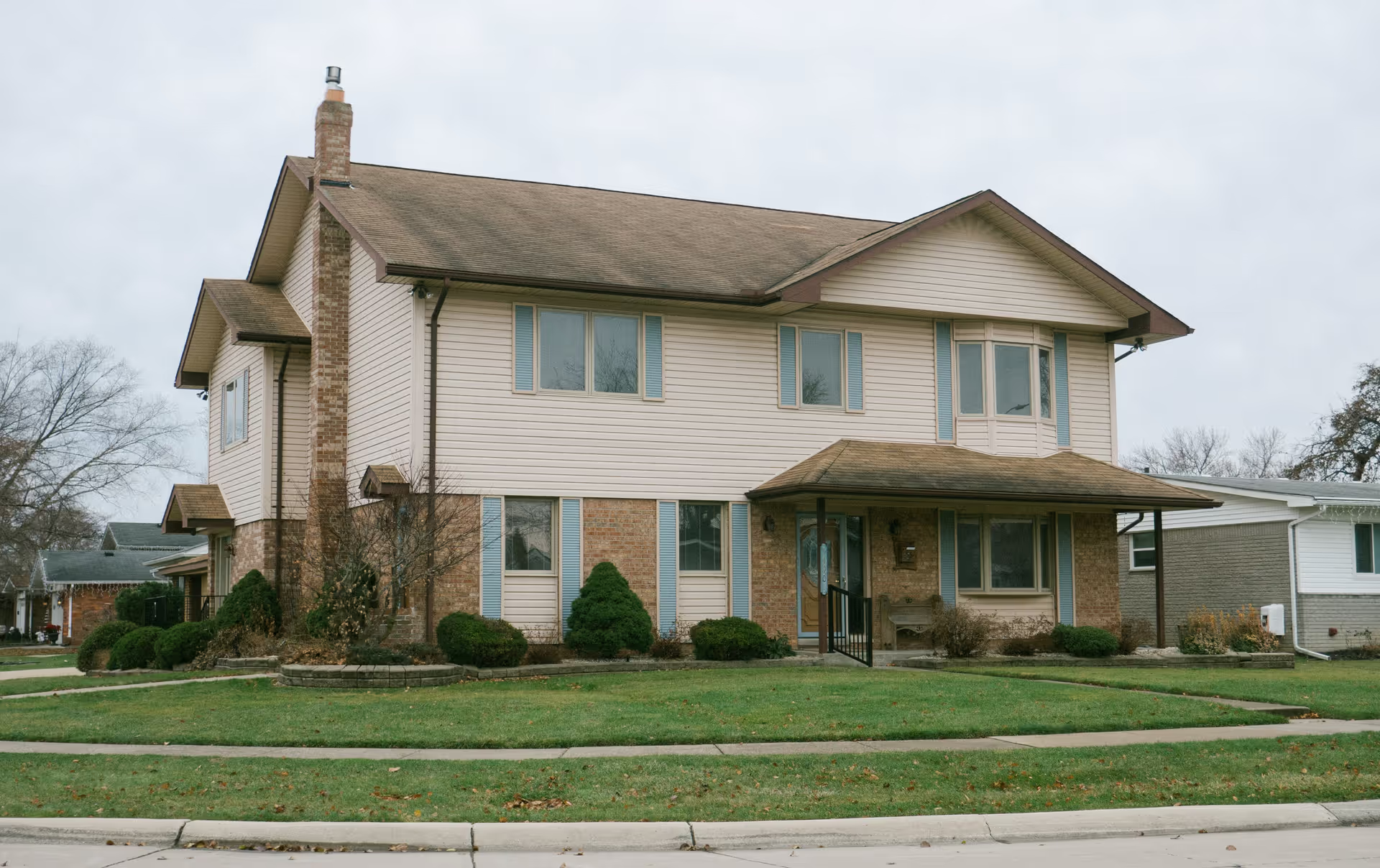
Mary Rose Residence elicits mixed but distinct impressions. A number of families describe a positive experience characterized by attentive caregivers, routine clinical coverage, and a homelike atmosphere. Several accounts highlight regular nursing visits (three times per week), monthly physician rounds, and periodic podiatry care, which families found reassuring for ongoing medical needs. The facility's women-only model and perceived affordability are additional factors that attract residents and families.
Care quality and staff behavior are recurring themes. Many families report compassionate, caring staff who ensure residents are clean, comfortable, and content. At the same time, isolated but significant concerns point to inconsistent supervision and responsiveness during certain shifts. These concerns include staff distraction linked to personal device use and delays in attending to residents; such descriptions suggest variability in supervision protocols rather than a uniform staffing failure.
Dining and related services are generally viewed positively. Home-cooked meals and satisfactory food quality are noted by multiple families. Practical issues such as heavy dining chairs and older furniture were mentioned and may affect mobility and comfort during meals. A clear area for improvement is programming: reviewers describe limited or absent organized activities, indicating that recreational and engagement offerings may be minimal or inconsistent.
Facility condition and safety considerations show a mixed picture. Many reviewers describe clean rooms and common areas, but others recount sanitation concerns and outdated decor. Reports of unsecured wiring and bulky or heavy furniture indicate tangible safety and accessibility issues that management should address to reduce trip risks and improve ease of movement for residents.
Management and operational patterns appear to deliver reliable medical-visiting schedules and a family-oriented care style, yet there are gaps in consistency of supervision, activity programming, and facility upkeep. Prospective families should verify staffing patterns across different shifts, ask about policies on staff device use and supervision, review the schedule and variety of activities, and inspect common areas for safety and cleanliness during visits. Asking for documentation of clinical visit schedules (nurse, physician, and podiatry) and examples of recent improvements or maintenance work can help evaluate whether the facility's strengths align with a prospective resident's priorities.