Overall impression: Reviews of Medilodge of Cass City are polarized between strong praise for the facility’s caregiving culture and repeated operational concerns. Positive commentary centers on compassionate, personable staff, a clean and home-like environment, active programming, and a well-regarded dietary team. At the same time, a set of recurring clinical and operational issues—chiefly around medication processes, personal-care responsiveness, and wound management—creates mixed impressions for prospective families.
Care quality: Numerous families and staff highlight thoughtful, individualized caregiving and successful rehabilitation outcomes in some cases. Skilled nursing and therapy services receive commendation where recovery and improvement are reported. However, several accounts point to delays in attending to personal-care needs, inconsistent bathing schedules, and gaps in wound care or pressure-injury prevention and treatment. These patterns suggest variability in clinical responsiveness that may be situational rather than universal.
Staff: The workforce is frequently described as friendly, hardworking, and invested in residents’ wellbeing; names and specific staff members are singled out for helpfulness and follow-up. Conversely, reviewers also note turnover, inconsistent continuity across shifts, and concerns about accountability or transparency in some interactions. Management and certain administrative staff earn praise for responsiveness and personalized family communication, but perceptions of managerial effectiveness are uneven.
Dining and nutrition: The kitchen staff is often praised and celebrated for good meals and holiday programming, and many reviewees describe the food positively. However, other accounts describe poor meal quality, missed nutrition needs, and documented weight loss during stays. The pattern indicates variability in meal service and nutrition monitoring that prospective families should query directly.
Activities and atmosphere: The facility’s activity offerings, holiday events, and small-community atmosphere are repeatedly described as strengths. Reports emphasize programs that keep residents engaged and a family-like culture among residents and staff, contributing to a welcoming environment for visits and social interaction.
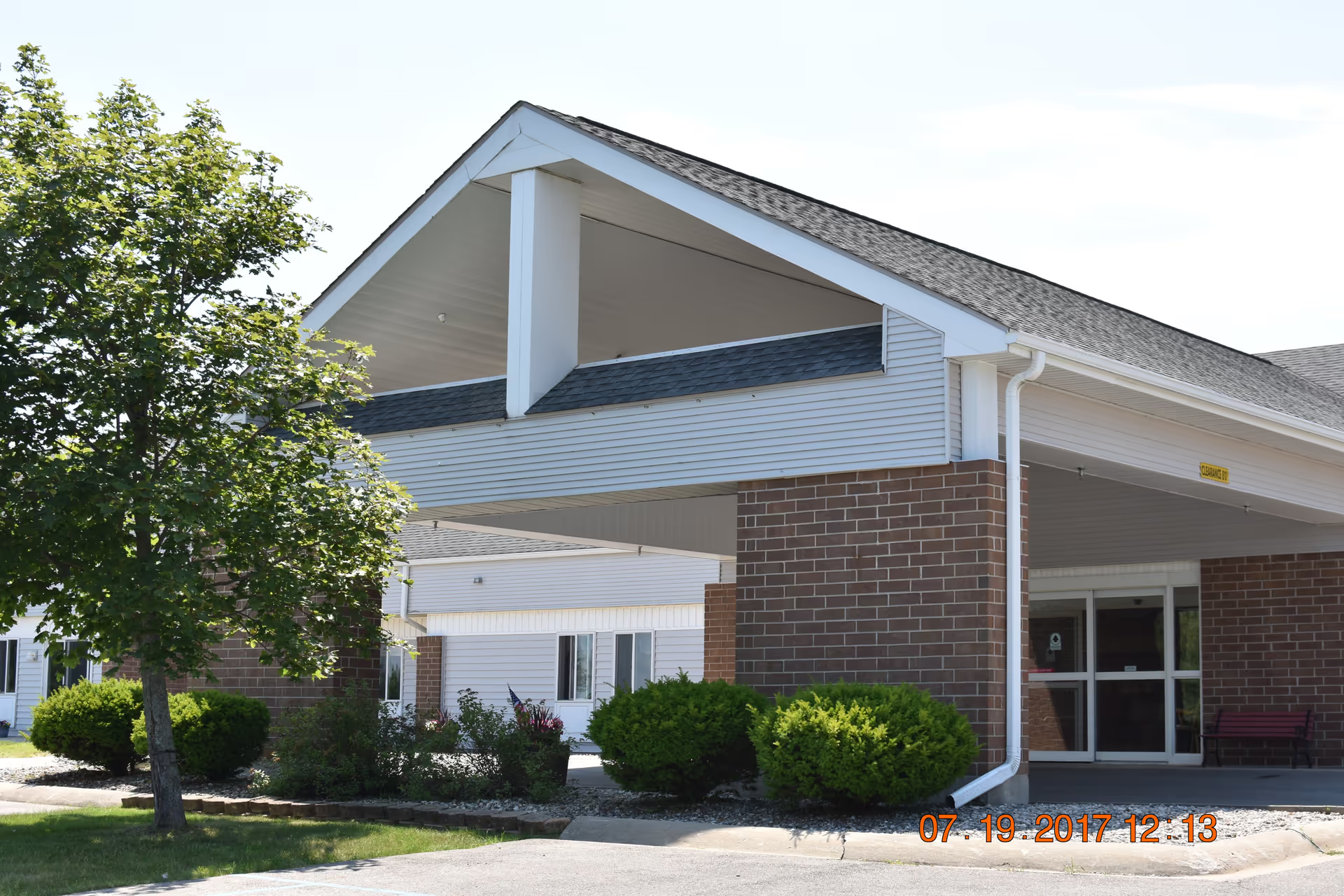
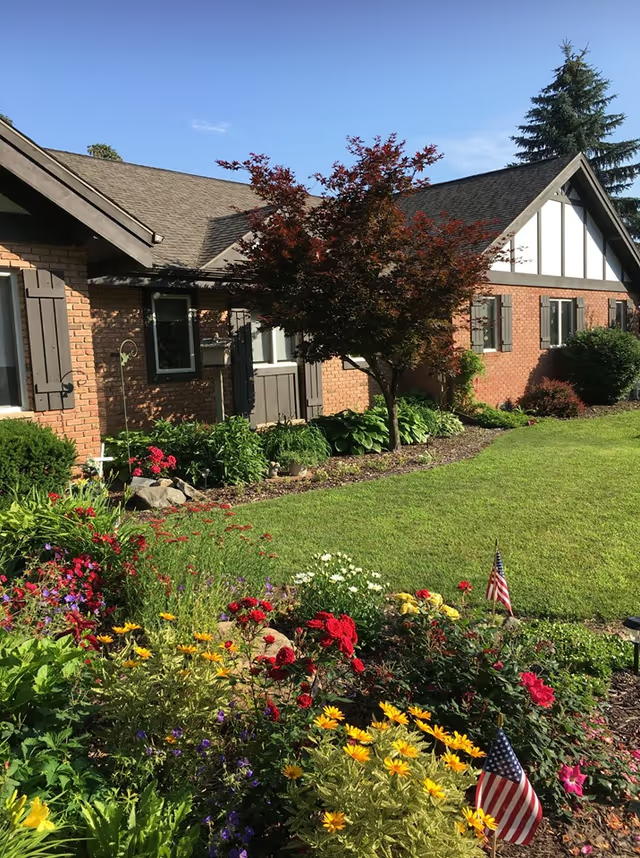
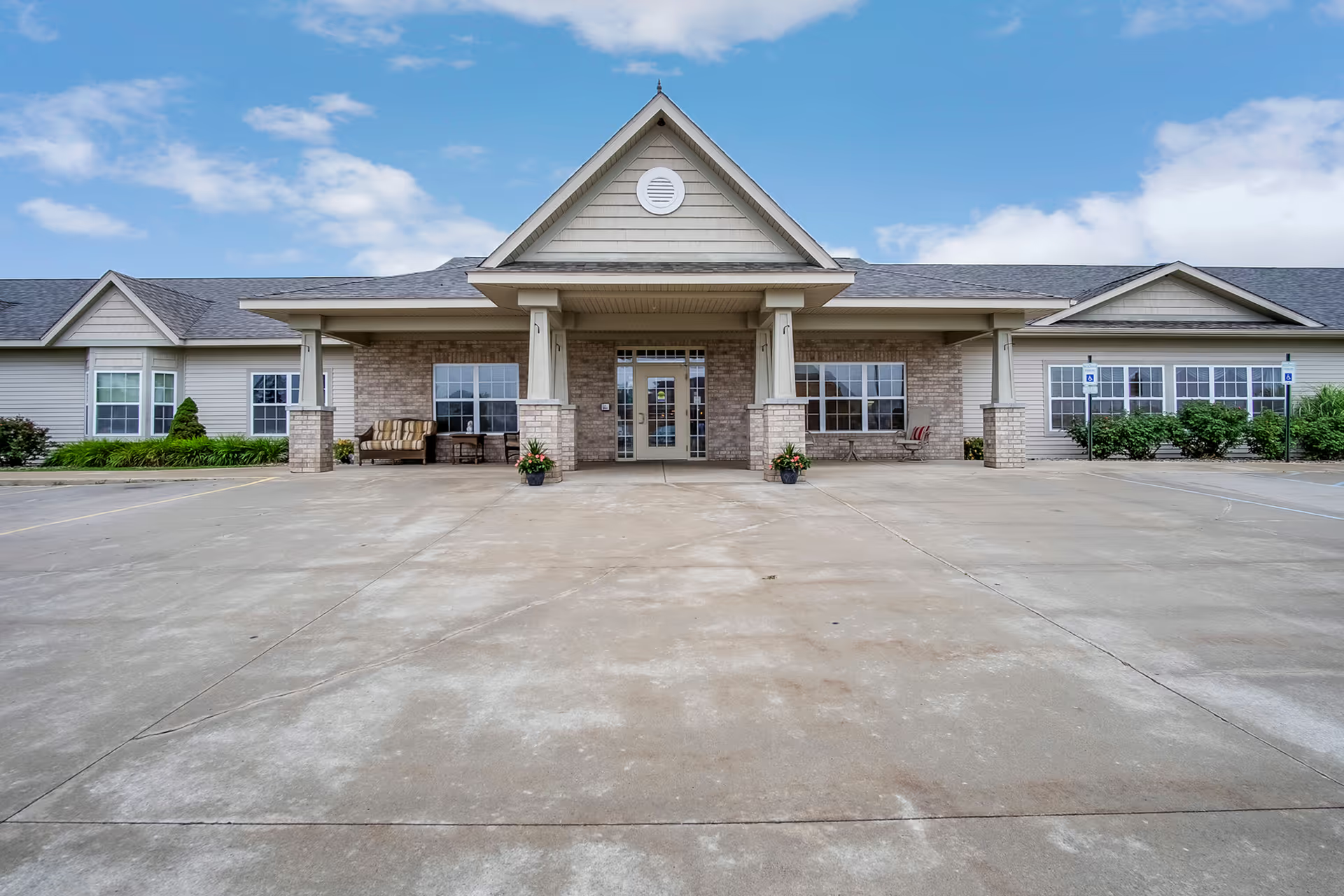
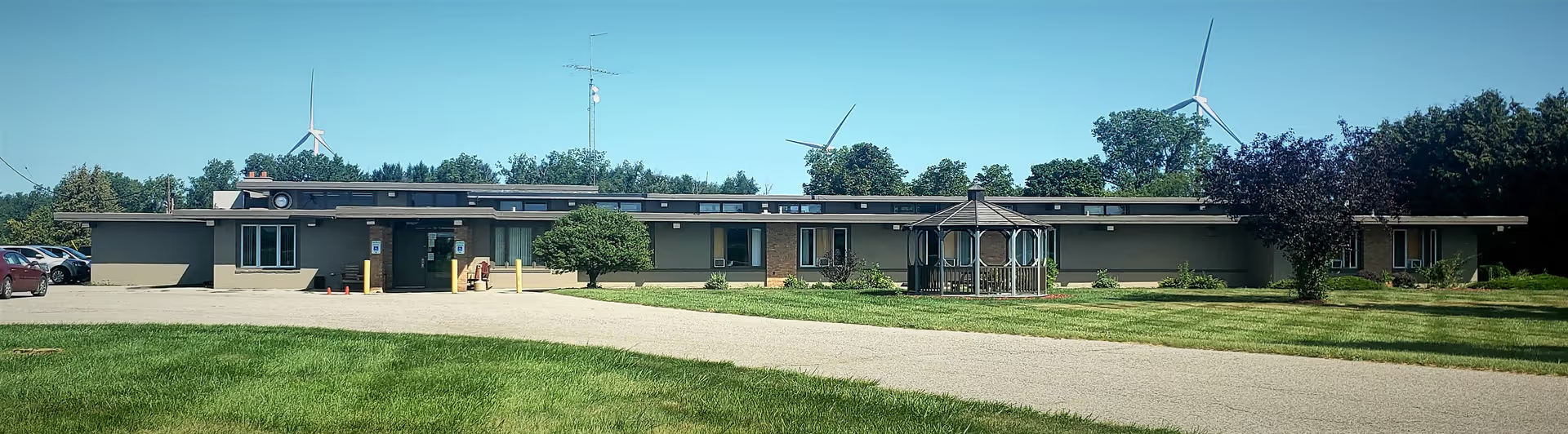
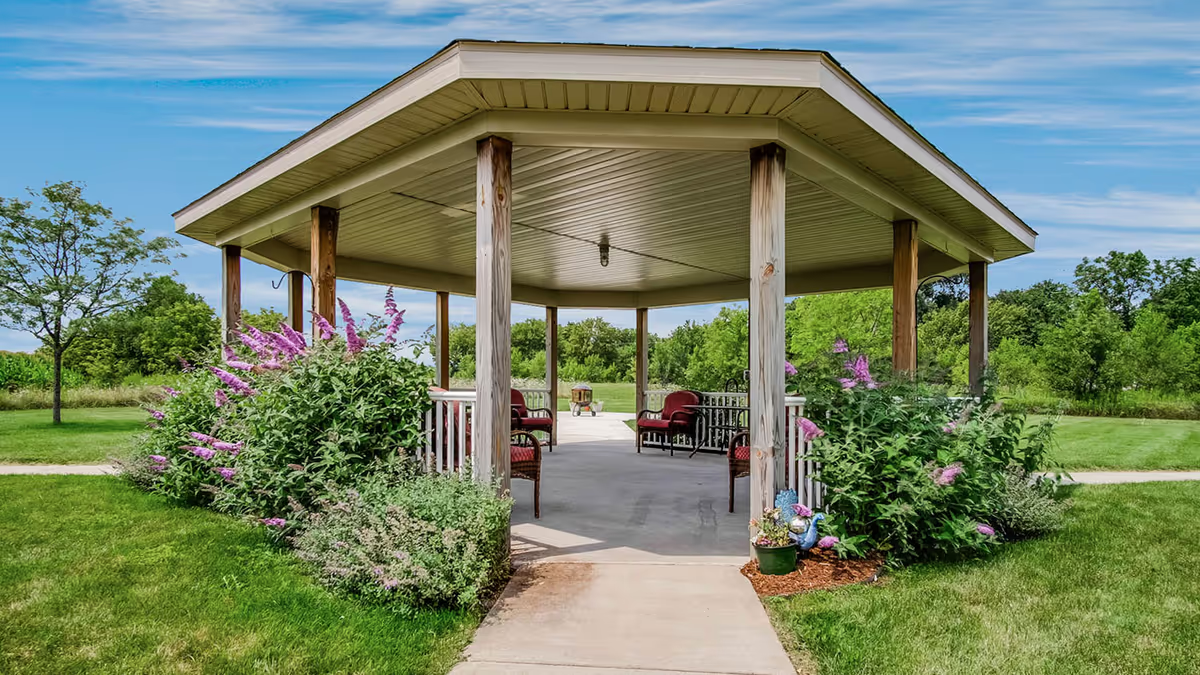
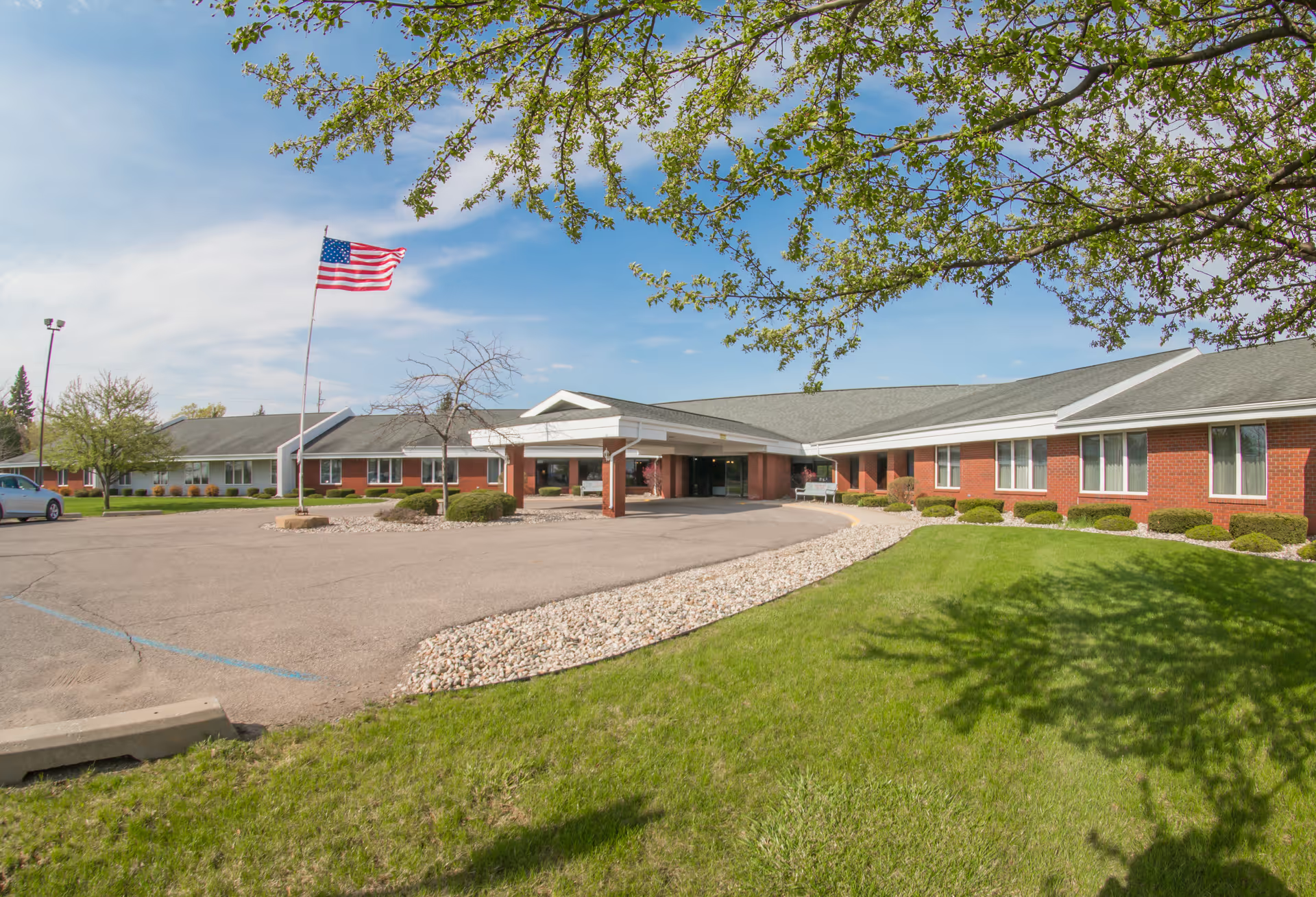
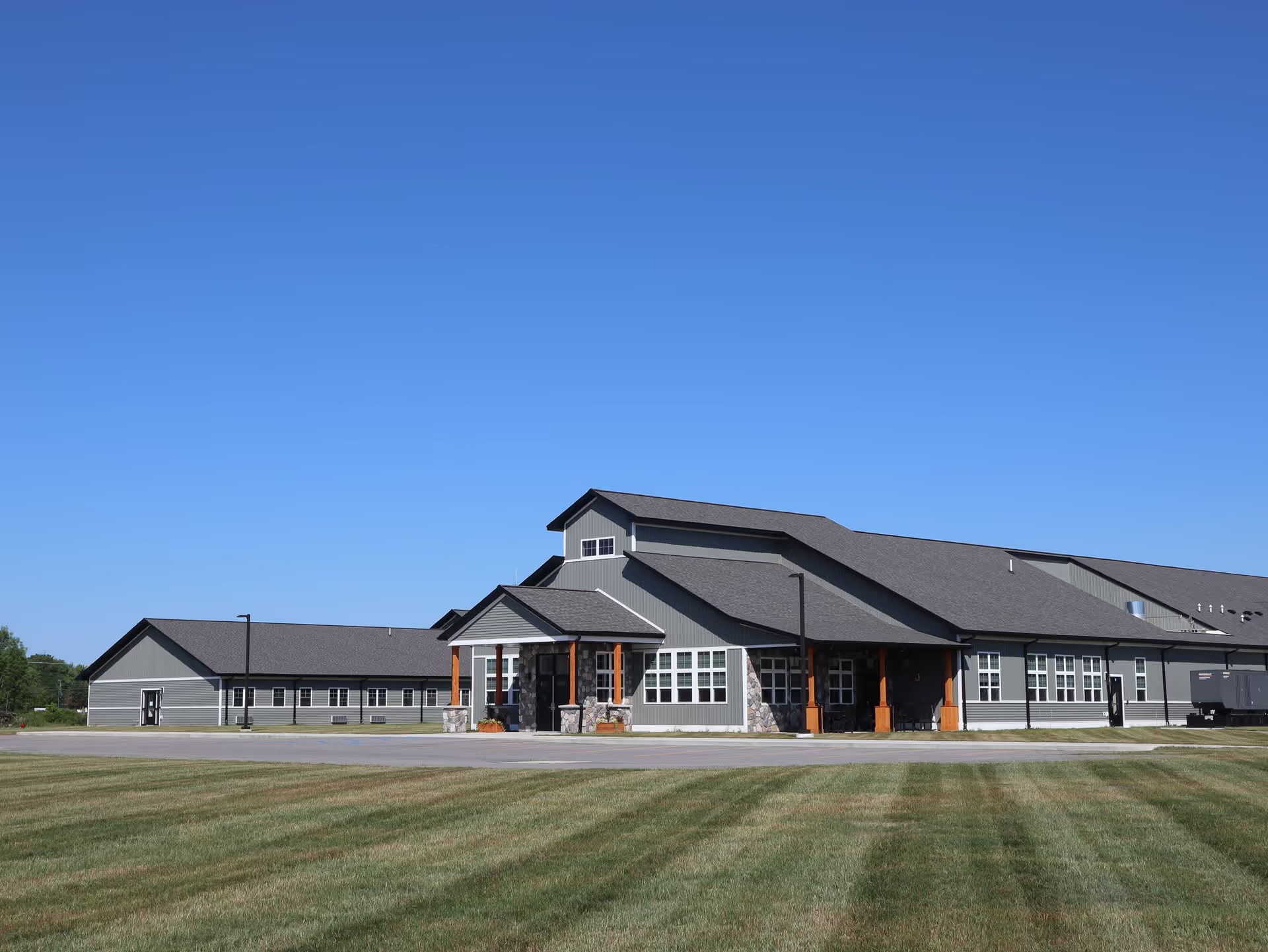
Facilities and cleanliness: Many reviewers describe the building as clean, well-kept, and comfortable, with pleasant grounds. Countervailing comments raise concerns about cleanliness and odor control in some resident rooms and note issues such as cramped double-occupancy rooms or aging furnishings in a few areas. Overall, facility maintenance appears solid at the building level with occasional room-level inconsistencies.
Management and oversight: There are mixed impressions of management. Positive notes include accessible administration, timely phone updates to families, and staff recognition. Negative impressions cite perceived weaknesses in enforcement of care standards, frequent inspections, and a sense that some staff decisions are driven by staffing or financial constraints. The facility has also received awards and community recognition, reflecting strengths in team performance and reputation.
Notable patterns and guidance for families: The dominant positive theme is a caring, personable staff and a community that many families find comforting. Dominant concerns cluster around medication and discharge planning, hygiene care schedules, wound prevention/treatment, and variable meal/nutrition practices. Prospective residents and families would benefit from in-person observation of mealtimes, review of medication-administration and discharge procedures, clarification of bathing and grooming schedules, review of wound-care protocols, and questions about staffing continuity and escalation/incident processes. Asking for recent inspection summaries, examples of care plans, and the facility’s approach to care coordination (including dialysis and specialist transport) can help clarify how the facility will meet an individual resident’s needs.