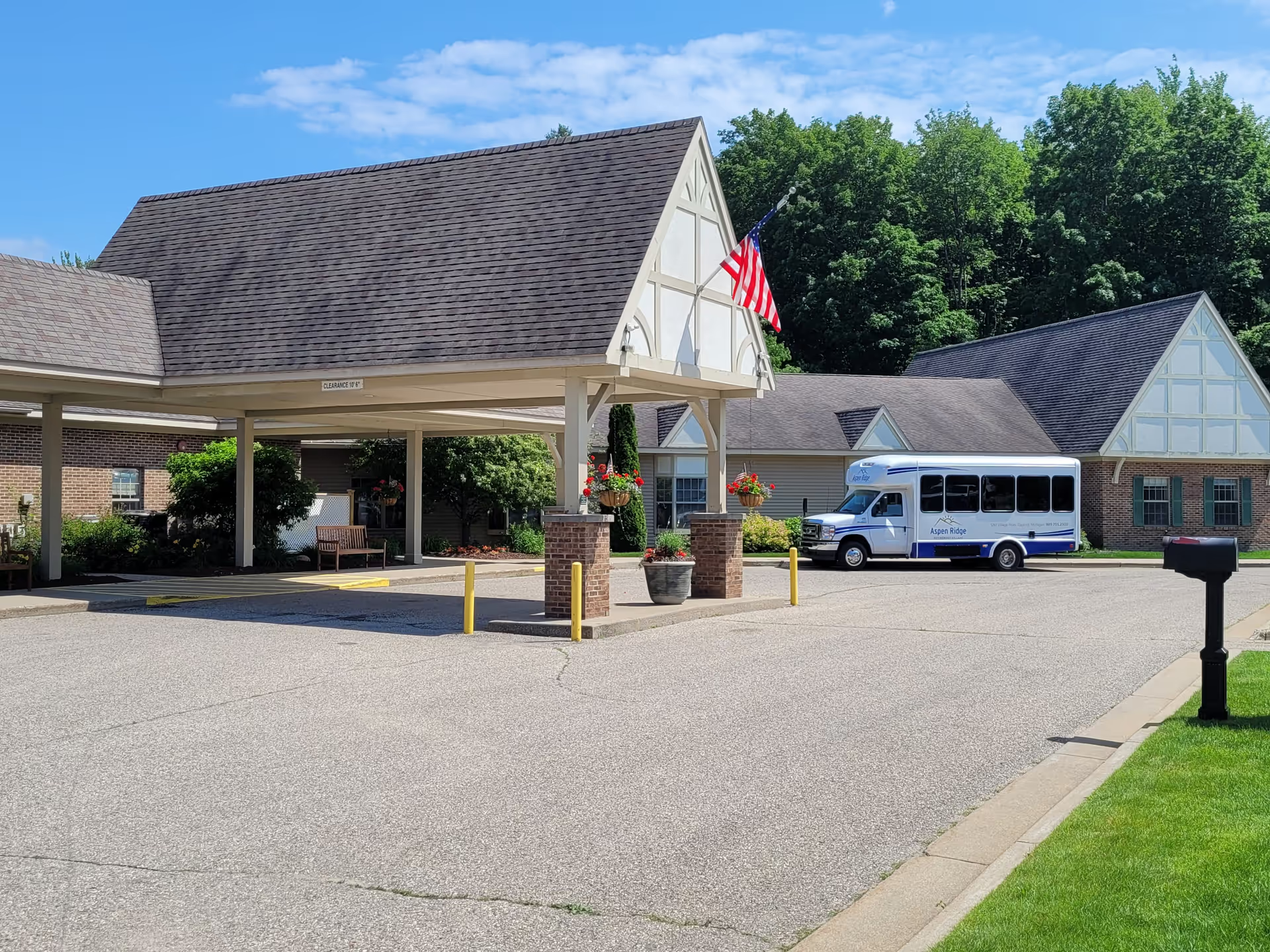
Overall impression American House Charlevoix is described predominantly as a well-kept, family-oriented assisted living community with strong clinical supports and a wide range of social programming. Reviewers repeatedly emphasize compassionate, well-trained staff and the availability of 24-hour nursing through an AdvisaCare partnership, along with hospice services when needed. The property presents as attractive and nature-facing, with clean common areas, engaging daily activities, and a dining program that many families and residents find nutritious and enjoyable.
Care and staff Care quality is a consistent strength in the reviews: staff are characterized as kind, patient, and attentive, and several accounts highlight the facility’s ability to work effectively with residents with dementia and mobility limitations. Leadership receives praise for hands-on involvement, crisis management, and mentoring staff. At the same time, there are indications of operational strain: staffing levels have fluctuated (notably during the pandemic), employees sometimes work overtime, and those pressures appear to contribute to occasional lapses in responsiveness and administrative follow-up. Families value the availability of on-site clinical oversight, but the community would benefit from clearer, more consistent communication pathways and follow-up processes.
Dining and housekeeping Dining is frequently cited as a positive — residents and families note good meals, social dining, and special events. However, a small number of concerns point to inconsistencies in in-room housekeeping and food-storage practices (for example, handling of leftovers and refrigerator cleaning). These items suggest gaps in day-to-day operational controls rather than the overall quality of kitchen offerings. Prospective residents and families should clarify housekeeping scope and food-safety procedures before move-in and during care transitions.
Activities and community life The community offers a broad calendar of activities: daily socials (ice cream socials, bingo, exercise classes), themed monthly events, musical performances, and volunteer/guest presentations. Many residents report improved mood and mobility after engaging with programs. Conversely, group programming was scaled back during COVID-19 and, in some accounts, common areas are underutilized or less accessible to residents with limited mobility. The sense of community can vary depending on resident mix and how actively individuals participate in available programming.
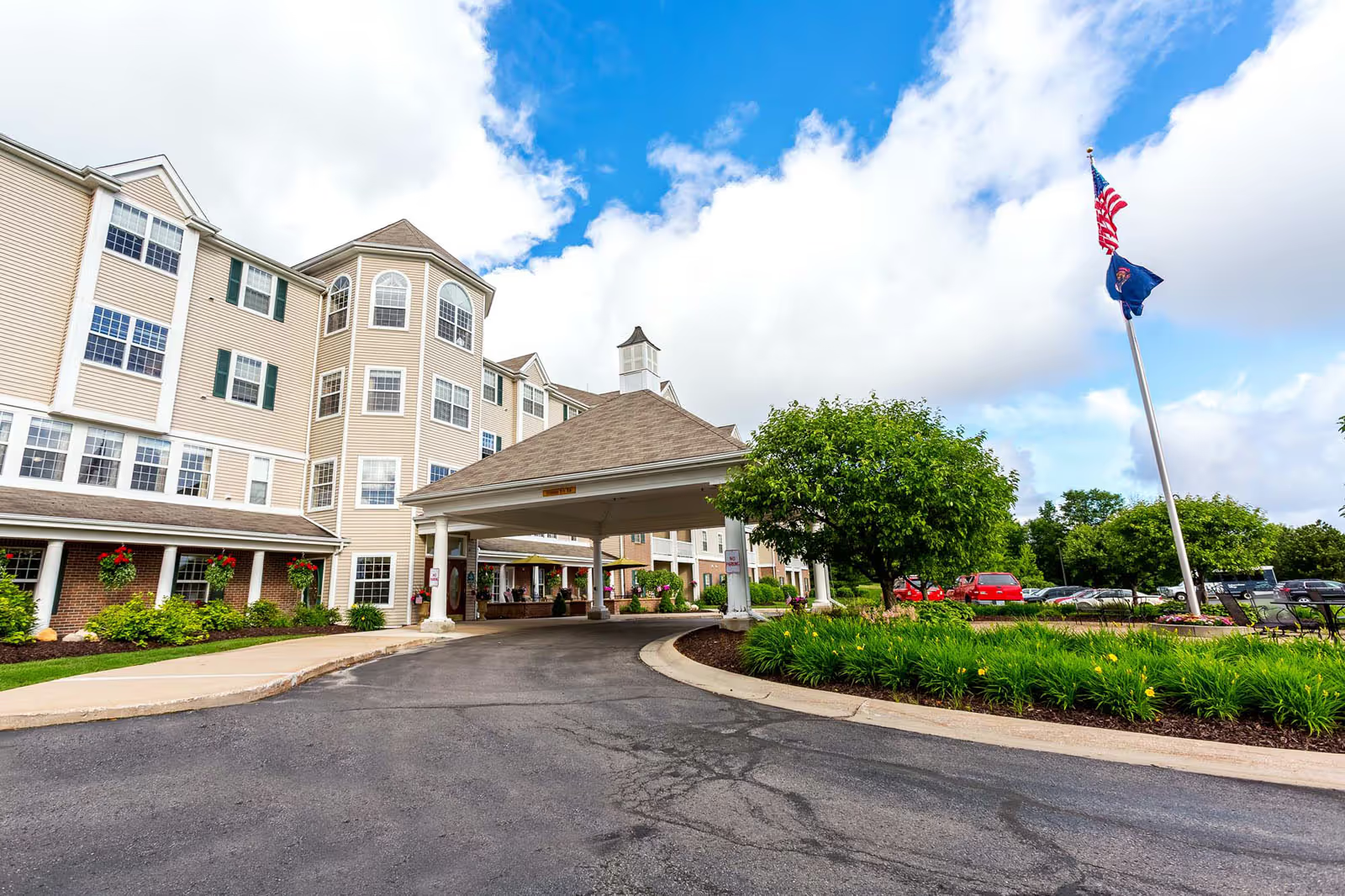
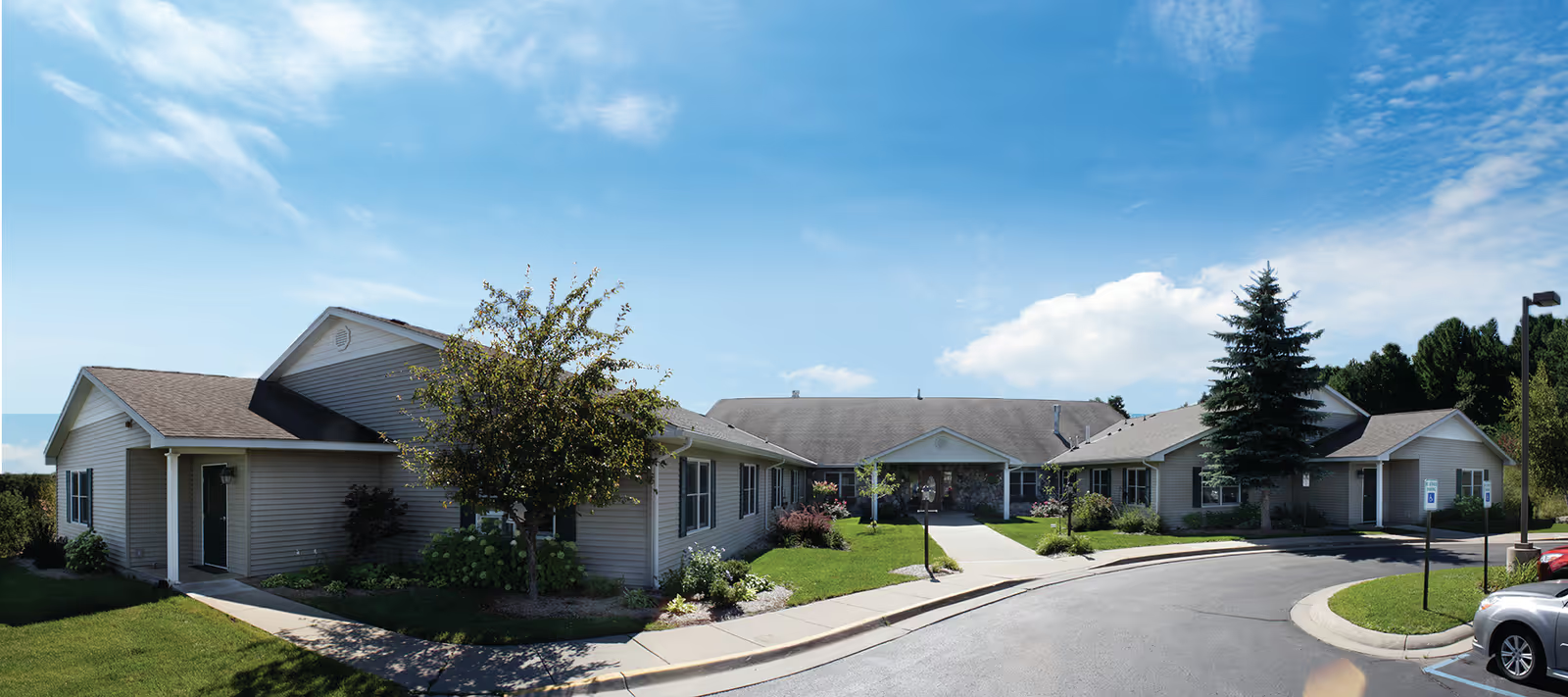
Facilities and logistics Facilities are generally described as clean, modern, and well-maintained with pleasant grounds and convenient proximity to downtown Charlevoix. Apartment options include kitchenettes in some units, and there are pet-friendly and recreational amenities such as a pool. Noted limitations include small apartment footprints for certain unit types and constrained on-site garage/parking capacity. A few comments mention exterior entryways and seasonal outdoor maintenance as areas needing more consistent attention.
Management and notable patterns Management, particularly the executive director and named leadership, receives frequent praise for accessibility, personal involvement, and crisis leadership. That leadership culture appears to be a core reason for the strong staff engagement many reviewers describe. At the same time, recurring operational themes include inconsistent housekeeping, occasional gaps in food-storage practices, communication and follow-up delays, and staffing strain. These are generally framed as operational weaknesses rather than systemic clinical failures.
Recommendation guidance American House Charlevoix is likely a strong fit for families seeking an apartment-style assisted living community with active programming, visible clinical support, and a family atmosphere. Prospective residents should inquire specifically about current staffing levels, medication-management protocols, housekeeping schedules (including refrigerator/personal-kitchenette procedures), food-safety practices, parking availability, and how the community supports residents with limited mobility to participate in group programs. Clarifying those operational details will help match expectations to the facility’s strengths and known areas for improvement.