Overall impression is positive on day-to-day resident experience: reviewers frequently highlight warm, attentive caregiving, a clean and welcoming environment, and meals that residents enjoy. The community's small, intimate scale and home-like atmosphere are cited as strengths for social connection and personalized attention. Reviewers also emphasize practical positives such as a nearby location, lower cost relative to alternatives, weekly NP visits that provide clinical oversight, and on-site services (beauty salon, regular activities) that support quality of life.
Care and staffing are central themes. Many families describe staff who take time to get to know residents, provide compassionate hands-on care, and assist with transitions across levels of need. Memory-support programming and inclusive activities are noted as appropriate for residents with cognitive impairment. At the same time, there are operational concerns: several accounts indicate a decline in consistency and staff aptitude after an ownership change, and there are recurring references to training gaps and uneven caregiver competence. Reviewers also identified delays in phone and email responsiveness that can complicate family communication and care coordination.
Dining and activities receive strong positive comments. Meals are commonly described as high quality, with families invited to sample menus and occasional complimentary lunches for visitors. Daily activities and outings — games, bingo, crafts, nails and salon visits — are offered and seen as supporting resident engagement. The community lacks a dedicated exercise room, but activity variety and social programming are frequently praised.
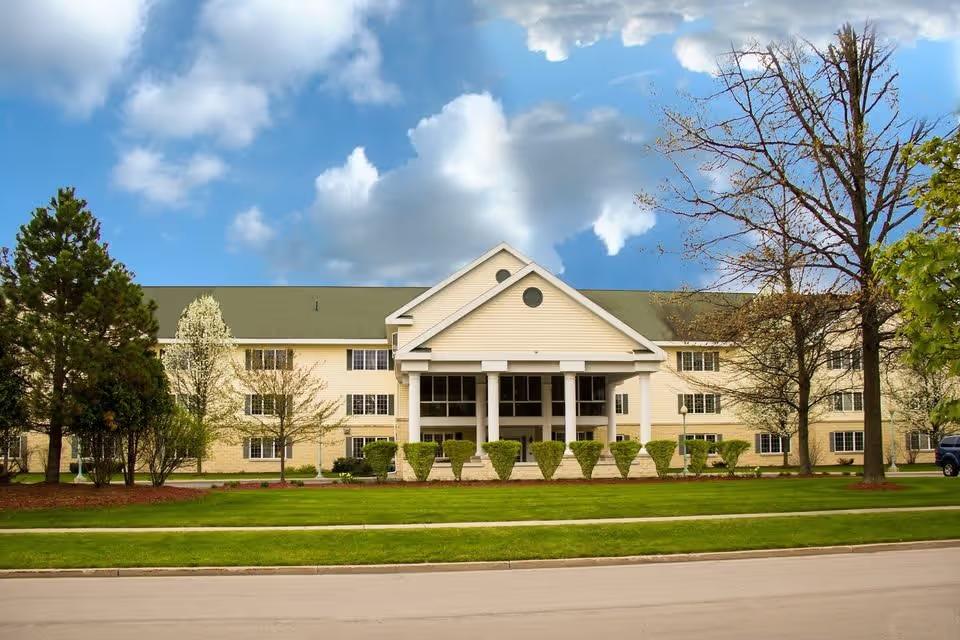
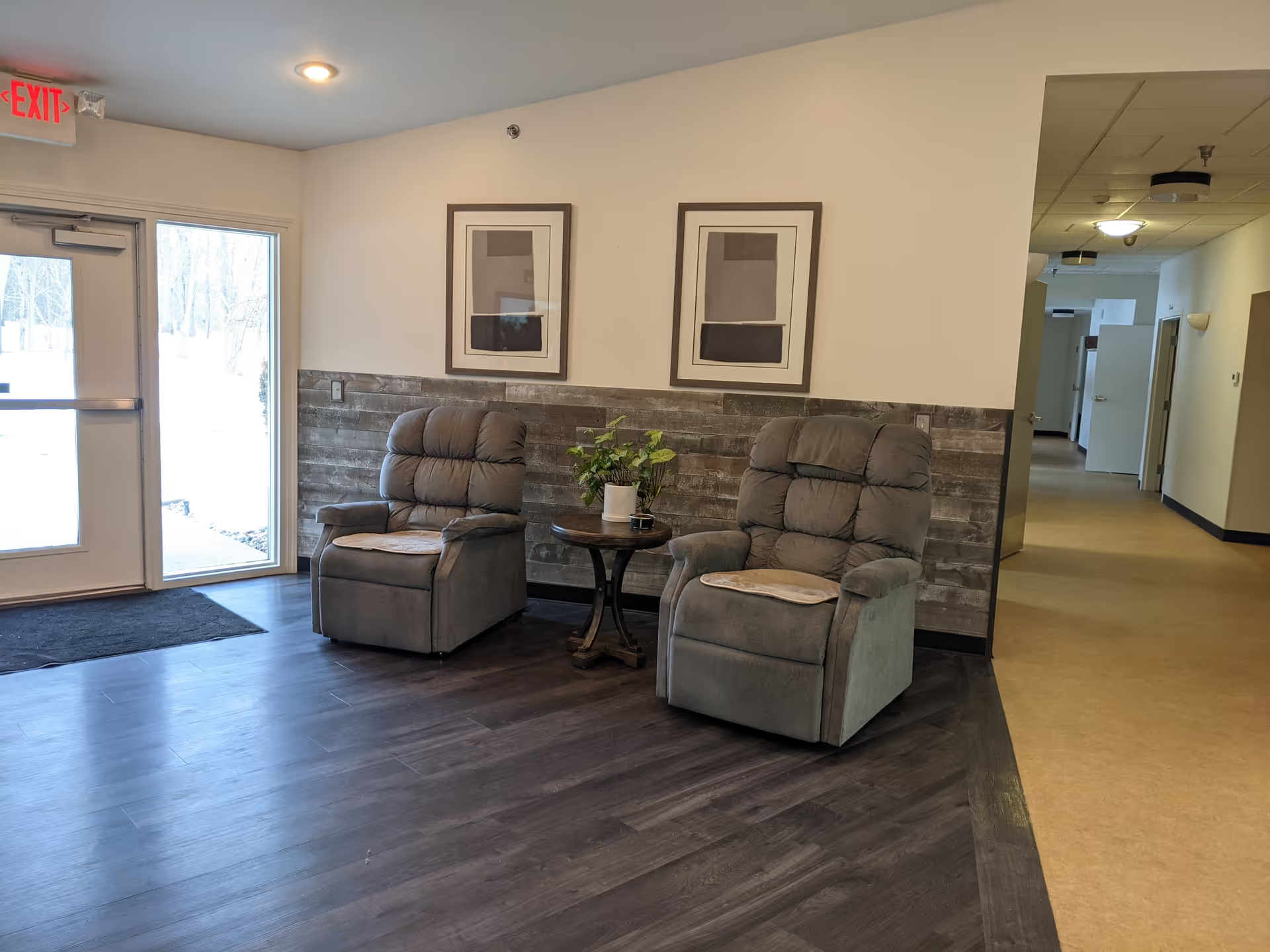
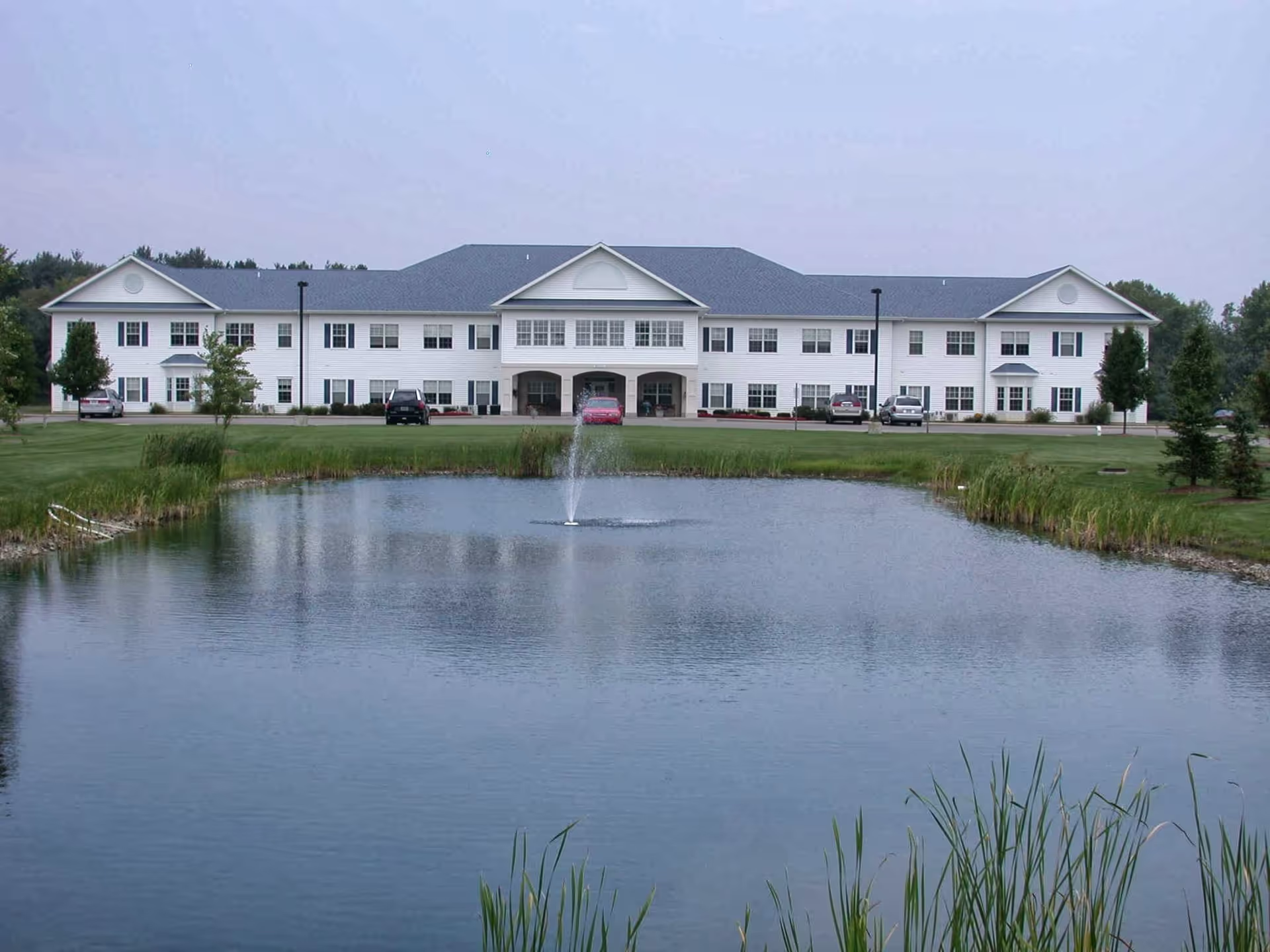
Facility and management considerations are mixed. The building is described as older but generally well maintained and clean; however, a subset of accounts raises concerns about inconsistent upkeep over time. Documentation and record-keeping weaknesses are noted and linked by reviewers to broader questions about clinical oversight; medication-management concerns are explicitly mentioned and warrant direct inquiry. Some families perceive administrative priorities as financially oriented rather than strictly clinical, especially in the period after ownership transition.
For prospective residents and families, the pattern is one of a small, personable community with strengths in staff–resident relationships, dining, and social programming, tempered by operational issues that have emerged with management change. Recommended areas to examine during a visit include current staffing and training practices, recent ownership or management changes, medication protocols and documentation processes, responsiveness to family communications, and evidence of consistent cleanliness and maintenance. Observing mealtime, speaking with clinical staff about NP visit schedules, and asking for recent inspection or staffing records would help clarify whether the facility aligns with a family’s expectations for sustained quality and oversight.