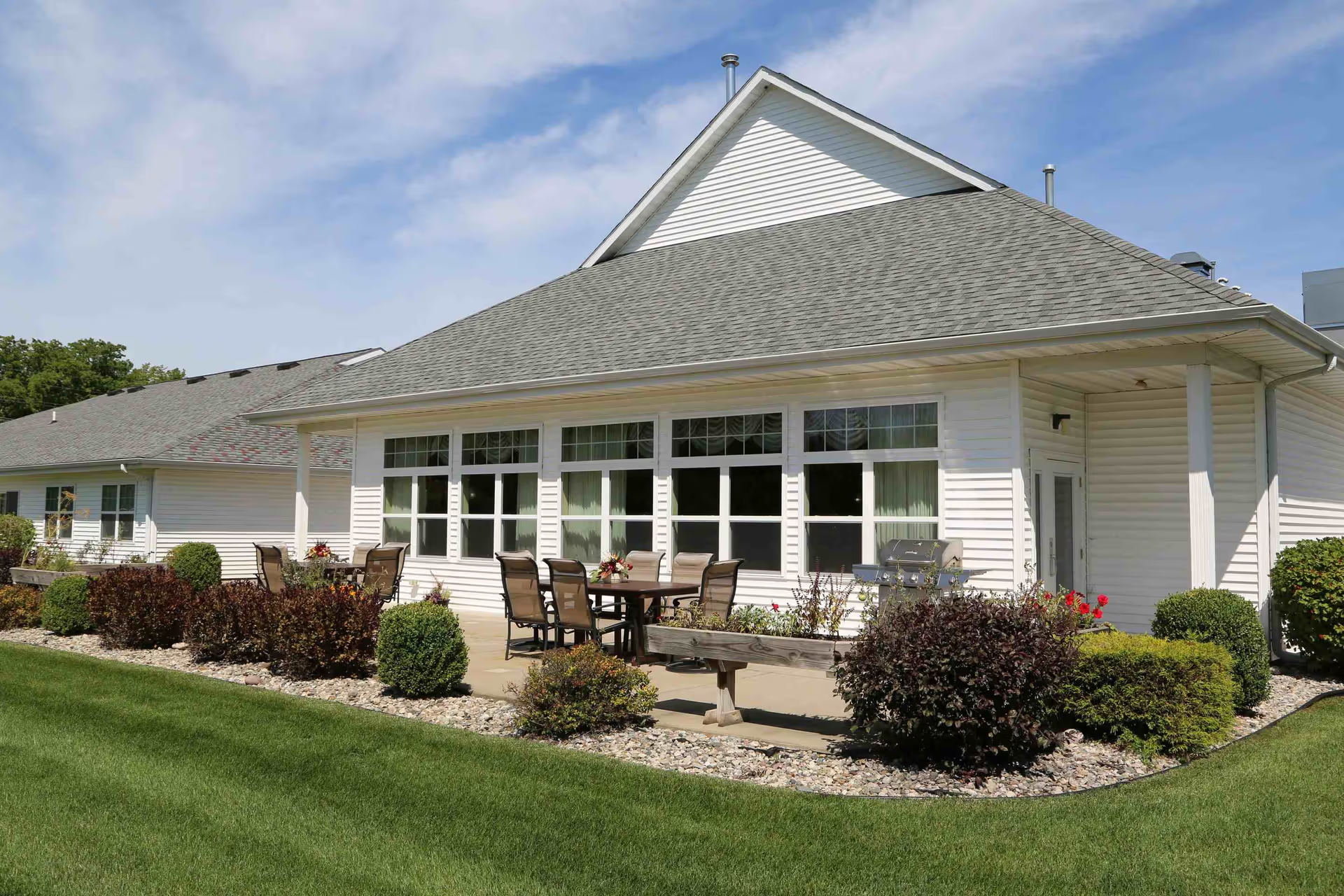
Reviews present a mixed but instructive picture: frontline caregiving and the physical environment receive frequent praise, while operational and management-level issues appear as recurring concerns. Many accounts highlight warm, family-like interactions between staff and residents, regular engagement activities (including family-focused events), and a clean, well-maintained environment with an attractive dining room and well-regarded meals. These elements contribute to a home-like atmosphere that some families find well suited to their loved ones’ needs.
Care quality is generally described as attentive and compassionate at the staff level. Several reviewers emphasized that caregivers are personable and responsive, and that clinical offerings are appropriate for residents requiring routine assistance. However, there are reported inconsistencies in the facility’s memory-care oversight and in how certain behavioral or interpersonal resident issues are managed. Prospective families should inquire specifically about the memory-care program structure, staffing ratios, and supervision practices during a visit.
Staff culture appears bifurcated: many families and visitors praise caring, engaged employees who create a family atmosphere, while other comments indicate low morale, organizational disarray, and uneven treatment by some personnel. These operational variations seem tied to management performance; multiple reviews point to delays or gaps in managerial responsiveness and organization. This pattern suggests that care experience can depend on unit-level staffing and leadership stability.
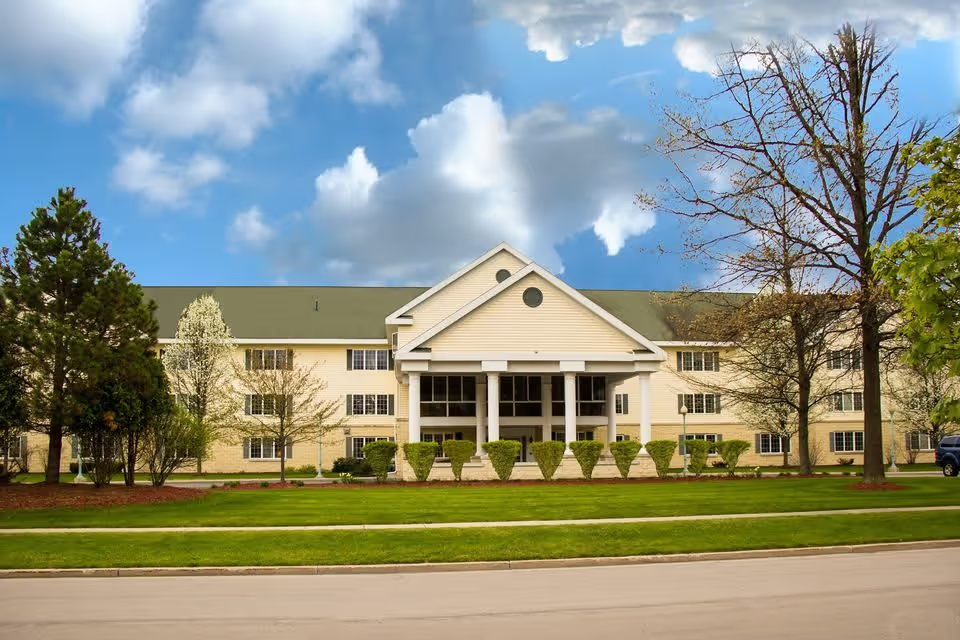
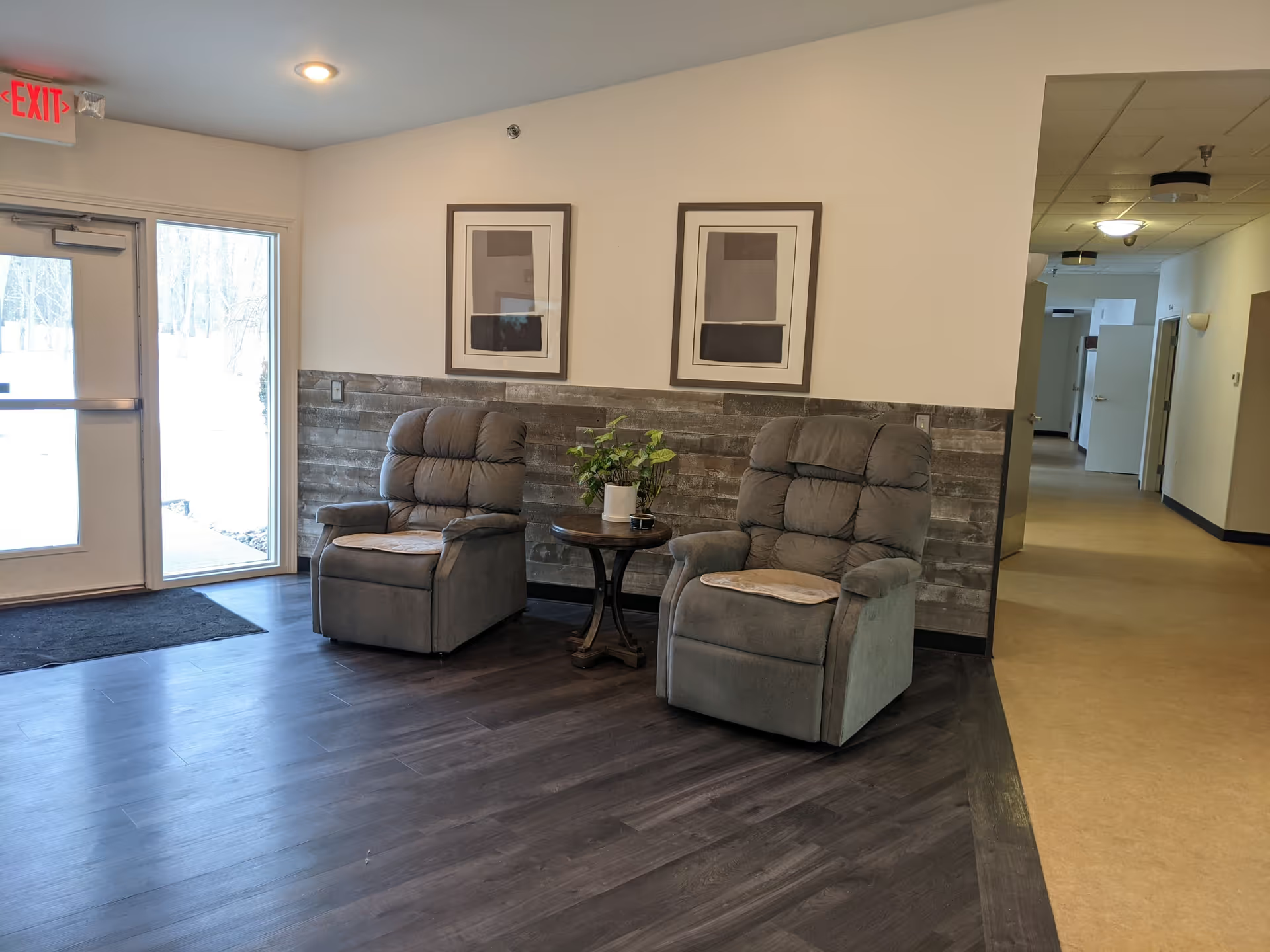
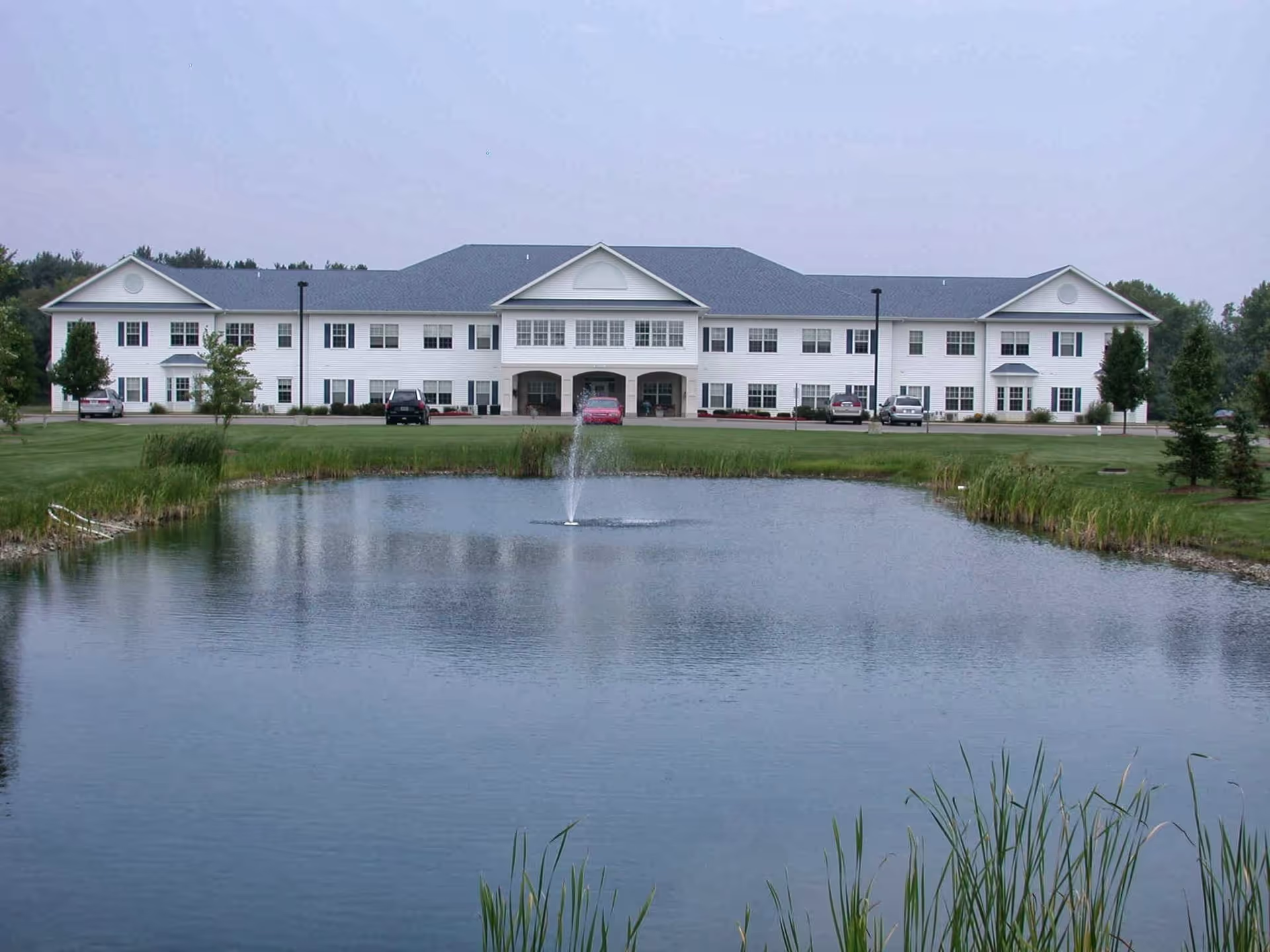
Dining and activities are consistent strengths in the reviews. The dining room environment and meal quality are repeatedly called out positively, and organized activities, outings, and family events are described as meaningful engagement opportunities that residents enjoy. The physical facility is often described as elegant and well kept, although some reviewers noted areas with dated or dreary décor.
More serious operational concerns center on communication, privacy, and incident handling. There are reports indicating family members were not consistently notified about clinical events, and at least one mention raises questions about the facility’s handling of confidentiality. These items point to gaps in incident-notification protocols and privacy safeguards that a prospective family should address directly with management.
In summary, The Horizon Senior Living of Clare appears to offer strong hands-on caregiving, a pleasant dining experience, and engaging activities within an overall clean and comfortable environment. At the same time, prospective residents and their families should evaluate managerial responsiveness, memory-care oversight, incident-notification procedures, and privacy protections during tours and meetings. Recommended due diligence includes asking about leadership turnover, unit staffing levels, specific memory-care policies, emergency transfer protocols, and examples of how the facility communicates with families after clinical events.