Laurels of Coldwater elicits a mixed but clearly patterned set of impressions. Many families and clinical contacts praised individual caregivers, particularly nurses, CNAs, wound-care clinicians, and the rehabilitation/therapy team for hands-on clinical skill and compassionate interactions. The social work team is frequently cited as helpful, and the facility demonstrates strengths in ancillary operations such as housekeeping, dietary, laundry, and coordination with external providers (hospice, dental, vision). Several accounts emphasize a welcoming, home-like atmosphere, active resident programming, and a willingness to support families during end-of-life events.
At the same time, a consistent operational concern is staffing: reviewers describe limited staffing levels that translate into slow call-light responses, long waits for toileting and personal-assistance needs, and intermittent lapses in routine care processes. This understaffing appears to contribute to variability in care quality between units; some wings receive consistent, attentive care, while others experience more frequent delays and errors. There are multiple accounts describing medication-administration problems (late or missed doses, wrong medications), occasional improper use of respiratory devices, and other medication-management gaps that families should evaluate closely.
Sanitation and maintenance present a mixed picture. Dining rooms, kitchens, laundry, and some common areas are often described as clean and well-managed, and food service and activities receive praise from many residents. However, other reports indicate inconsistent housekeeping, sanitation concerns in specific situations, maintenance backlogs, and safety hazards such as damaged equipment and temporary fixes. Physical plant issues include limited ADA accessibility, small double-occupancy rooms, an older building type with limited fire-suppression features, and climate-control problems (poor indoor air quality, overheated rooms in summer, slow hot water and uneven temperature control) that affect resident comfort.
Communication and management practices draw varied reactions. Some families credit social workers and business-office staff with helpful, transparent interactions and benefits assistance; others describe difficulties with care coordination, delayed hospice referrals, inconsistent family communication, and administrative or billing concerns, including allegations of missing personal items and disputed billing processes. These discrepancies point to variable performance in leadership and quality oversight rather than a uniform organizational profile.
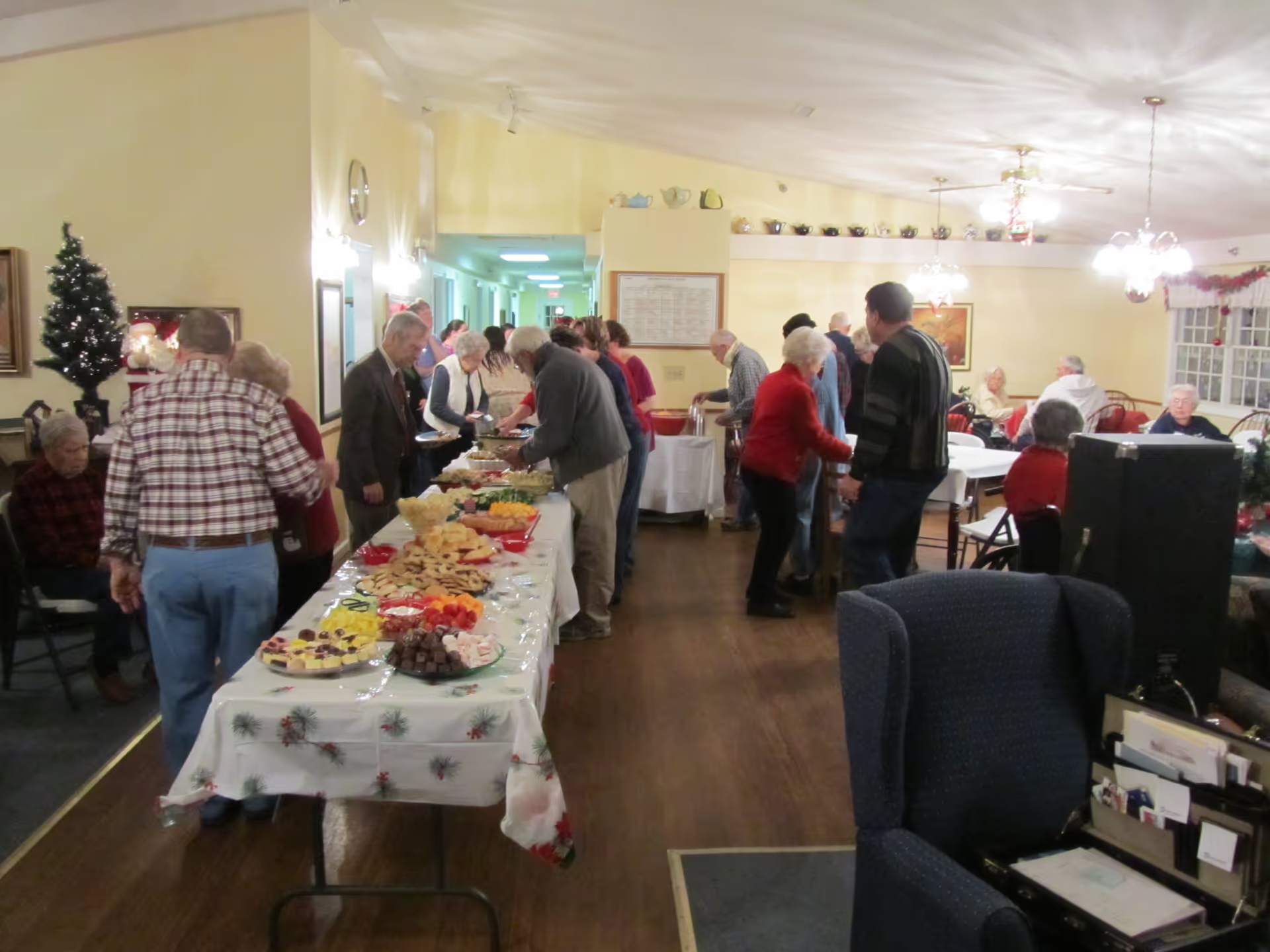
Dining and activities are generally seen as positive elements of life at Laurels, with engaging programming, volunteer involvement, and some praise for meal quality. Nevertheless, meal temperature and consistency of food quality receive critical comments in a number of accounts. Prospective families should verify current meal-service practices during a visit.
In summary, Laurels of Coldwater offers substantive clinical strengths—especially in wound care, rehabilitation, and many compassionate direct-care staff—but exhibits operational vulnerabilities tied to staffing levels, consistency of care across units, building-condition and safety features, and administrative communication. These patterns suggest that personal experiences can vary significantly by unit and shift. Prospective residents and their families would benefit from targeted questions on staffing ratios, medication-safety protocols, maintenance and fire-safety features, incontinence and toileting assistance procedures, and recent corrective actions taken by management to address the maintenance and communication gaps described by families.