Experiences at Ambassador, a Villa Center, vary substantially. Many residents and families describe kind, patient, and helpful staff, and some residents report feeling well cared for or making progress in rehabilitation. Positive accounts include assistance with mobility and daily needs, effective wound-care support, and staff who take time to answer questions. Other detailed accounts describe delays in attending to residents, inconsistent personal-care support, skin breakdown or infections, medication concerns, and delayed response to worsening symptoms. These contrasting accounts suggest that care and follow-through may not be consistent across residents, departments, or shifts.
Communication is a recurring concern. Some families found physicians, nurses, social workers, or administrators accessible and informative, while others describe unanswered calls, extended holds, missed callbacks, and limited updates about care. Staff interactions are similarly mixed: numerous visitors praise courtesy and compassion, while other accounts cite unprofessional conduct, limited attentiveness, or differences in service between shifts. Families considering the facility may wish to ask how care concerns are escalated and how updates are provided to contacts who live at a distance.
Dining feedback is mixed. Some visitors thought meals looked appealing, but other accounts describe meals arriving cold, limited options, and concerns about suitability for therapeutic diets. Activity experiences also vary: positive accounts mention organized activities and volunteer engagement, while others describe few activities or inconsistent delivery. Therapy is an additional area to clarify, as some residents report meaningful progress and a strong therapy team, whereas other families describe delays or insufficient access to rehabilitation.
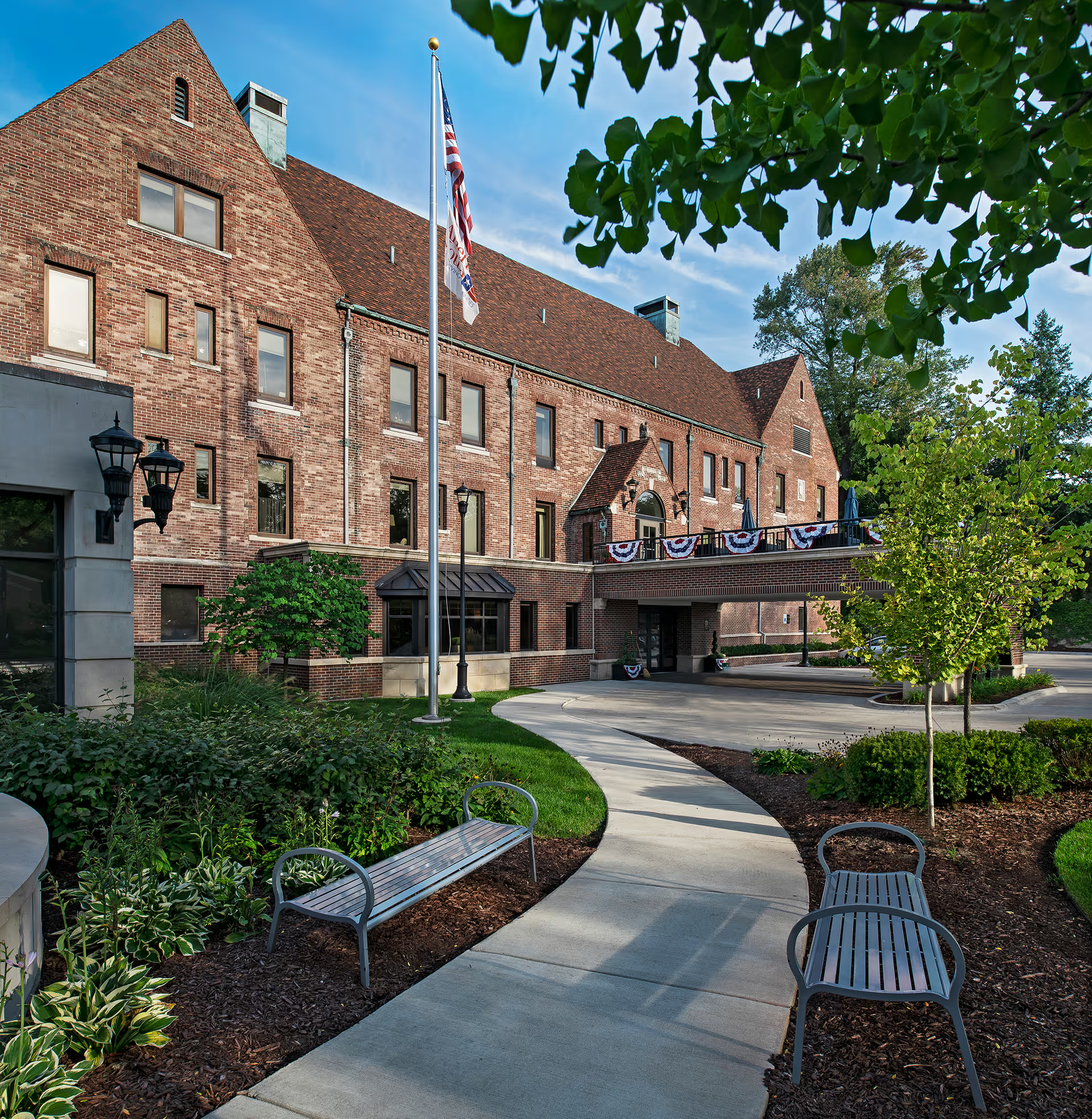
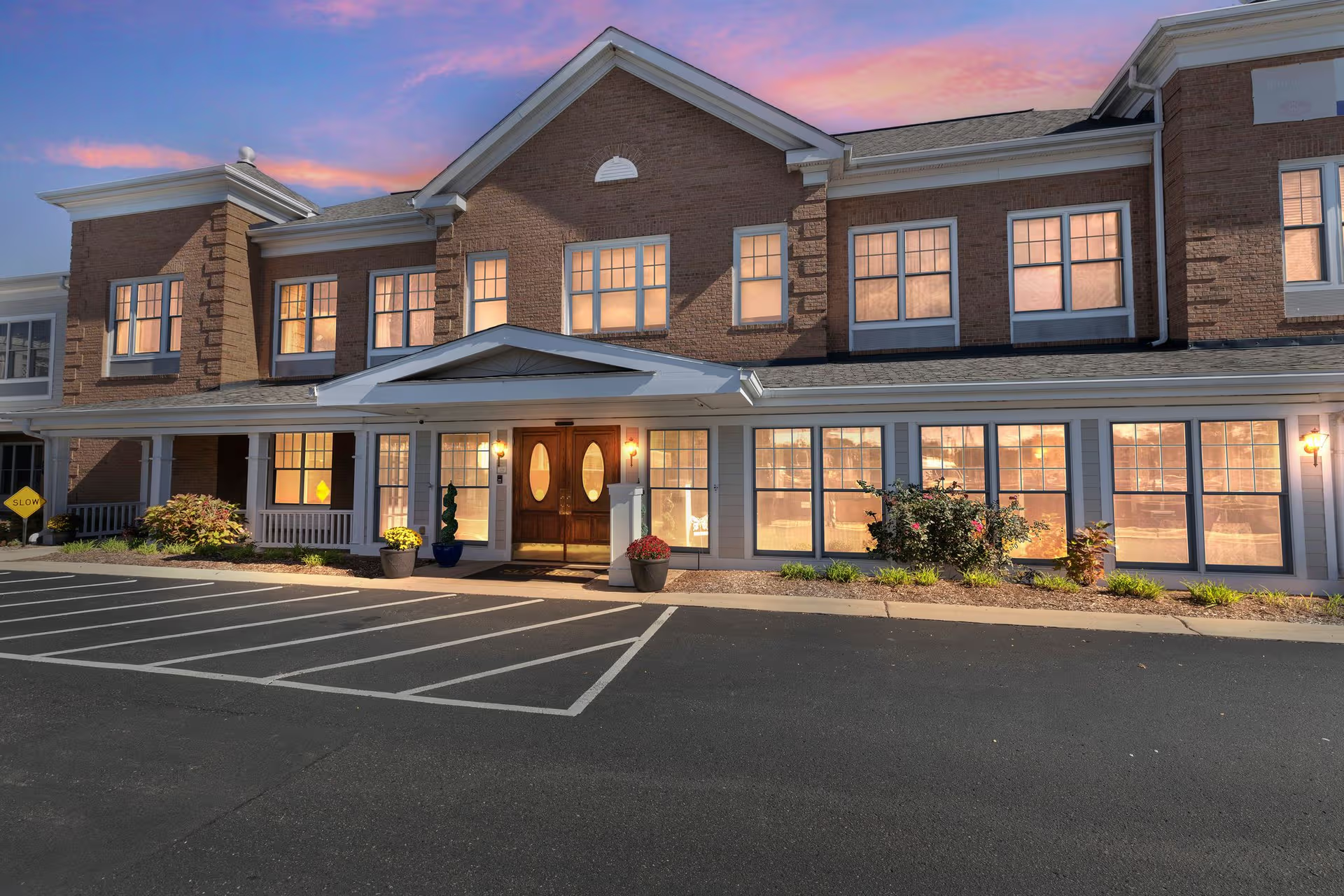
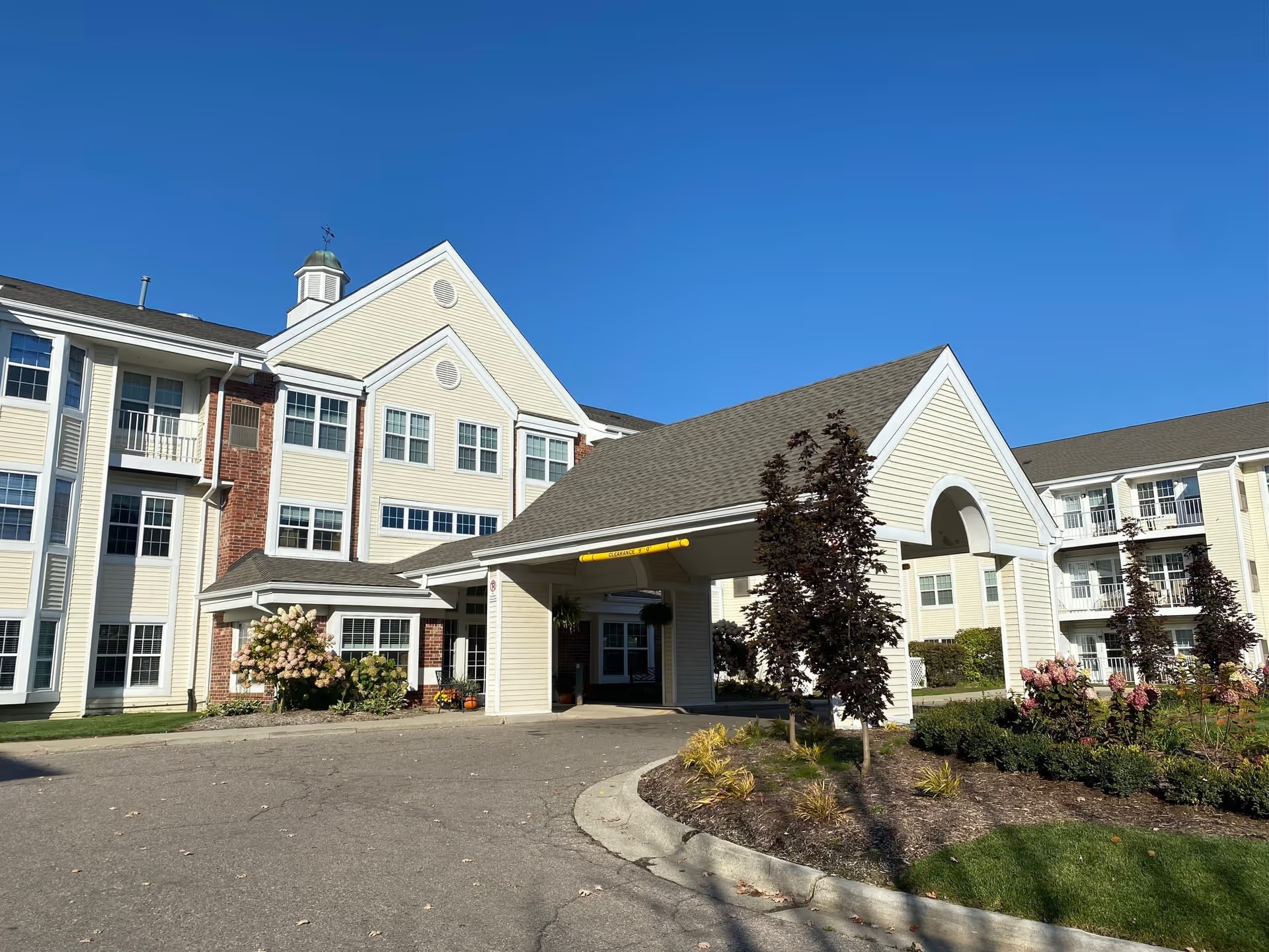
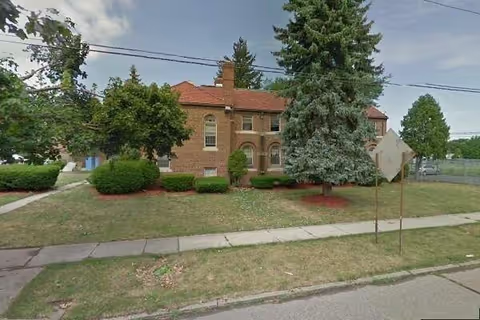
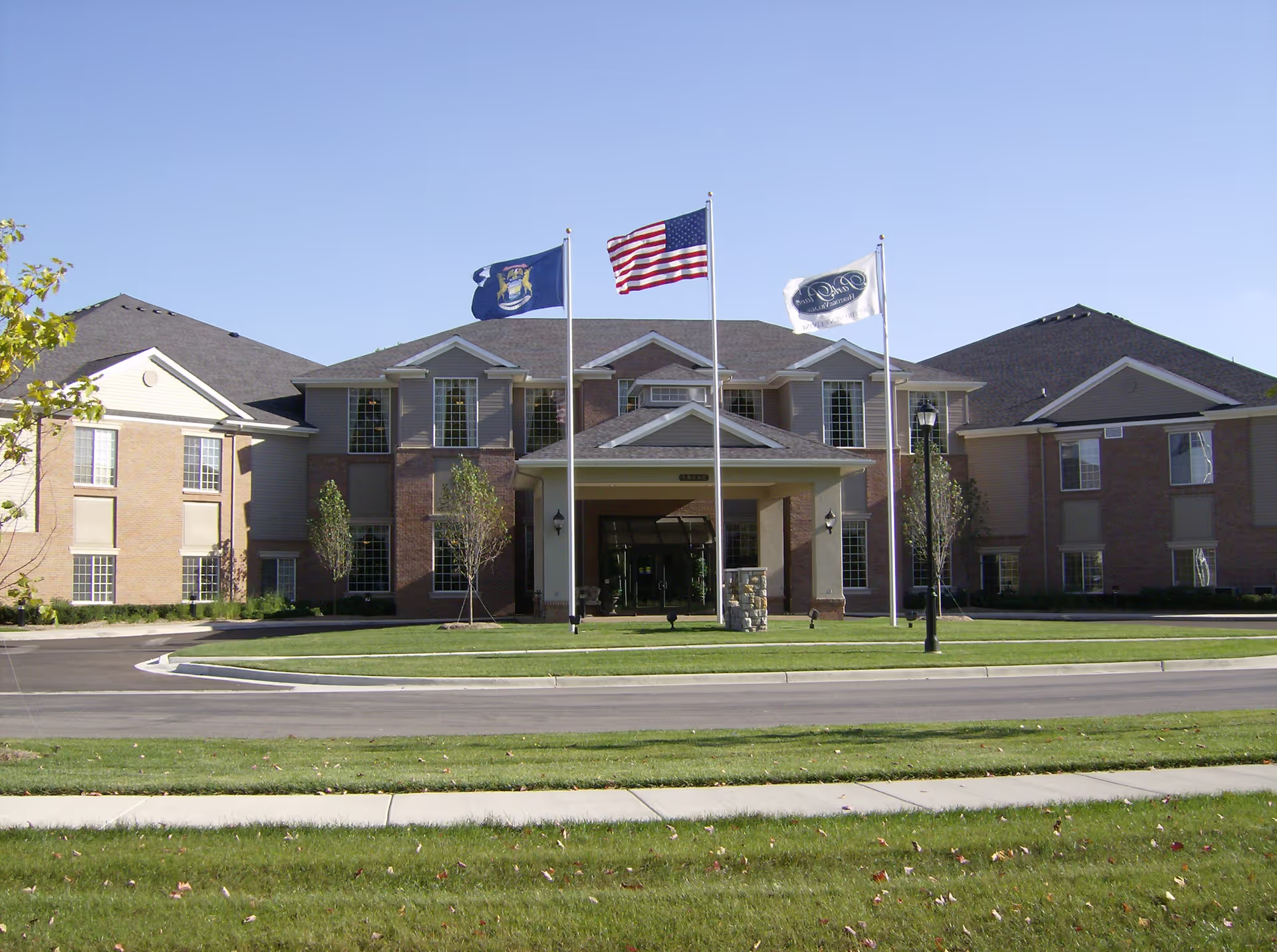
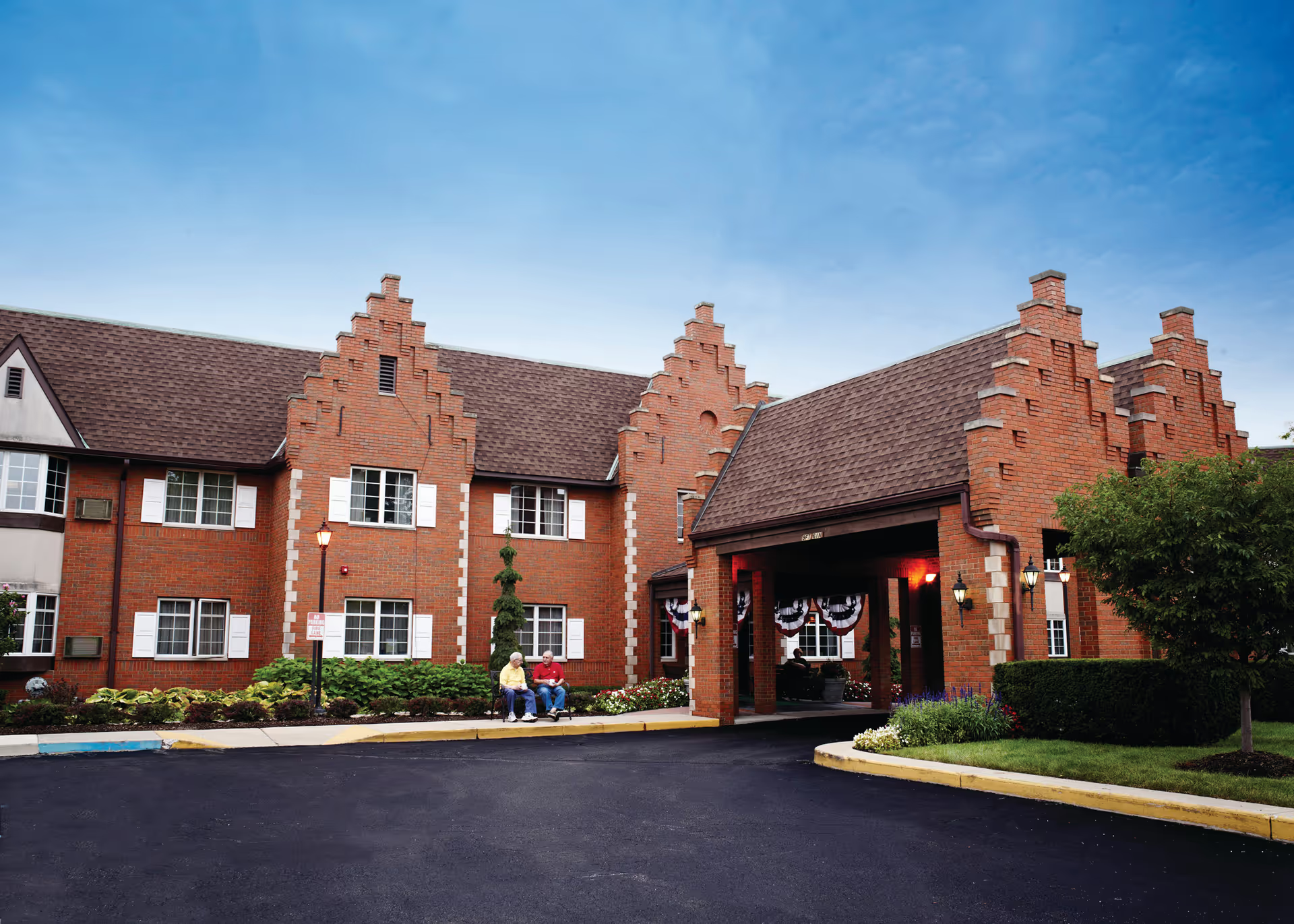
Many visitors describe clean, comfortable rooms and a well-kept environment. Others raise concerns about cleanliness, odors, and personal-care routines, and one account raises pest-control concerns. Reviewers also identify a need for equipment and building upgrades, along with limited accessible parking. A few accounts raise concerns about residents’ belongings and staff boundaries; these claims are not independently established by the reviews.
One family raised concerns following a resident’s death shortly after admission and questioned the facility’s suitability for tracheostomy rehabilitation; the review alone cannot establish the clinical circumstances or cause. Other serious accounts describe concerns about clinical monitoring and response to acute symptoms. These reports warrant careful consideration alongside the many favorable accounts. Before choosing the facility, families may want to discuss staffing and clinical coverage, therapy frequency, dietary accommodations, activity schedules, personal-care routines, and communication procedures, and to assess the setting in person.